The Saudi‑backed Presidential Leadership Council has unveiled a 35‑member cabinet after Riyadh talks, expanding the government by ten ministers and including three women in key posts. The lineup aims to prioritise security‑sector reform, public services and efforts to dislodge Houthi control, but faces deep political divisions and a severe humanitarian crisis affecting about 18 million people. Continued Saudi financial support and political unity will be crucial to the cabinet's prospects.
Yemen’s Saudi‑Backed Government Unveils 35‑Member Cabinet — Hope, Skepticism and Immediate Tests
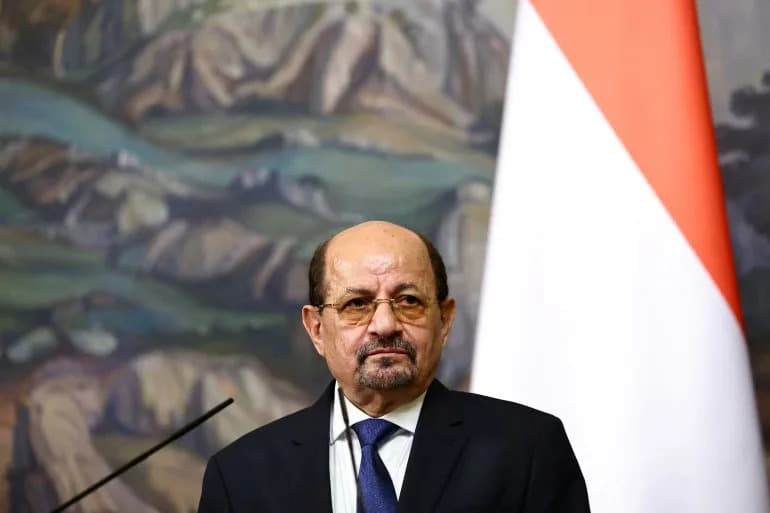
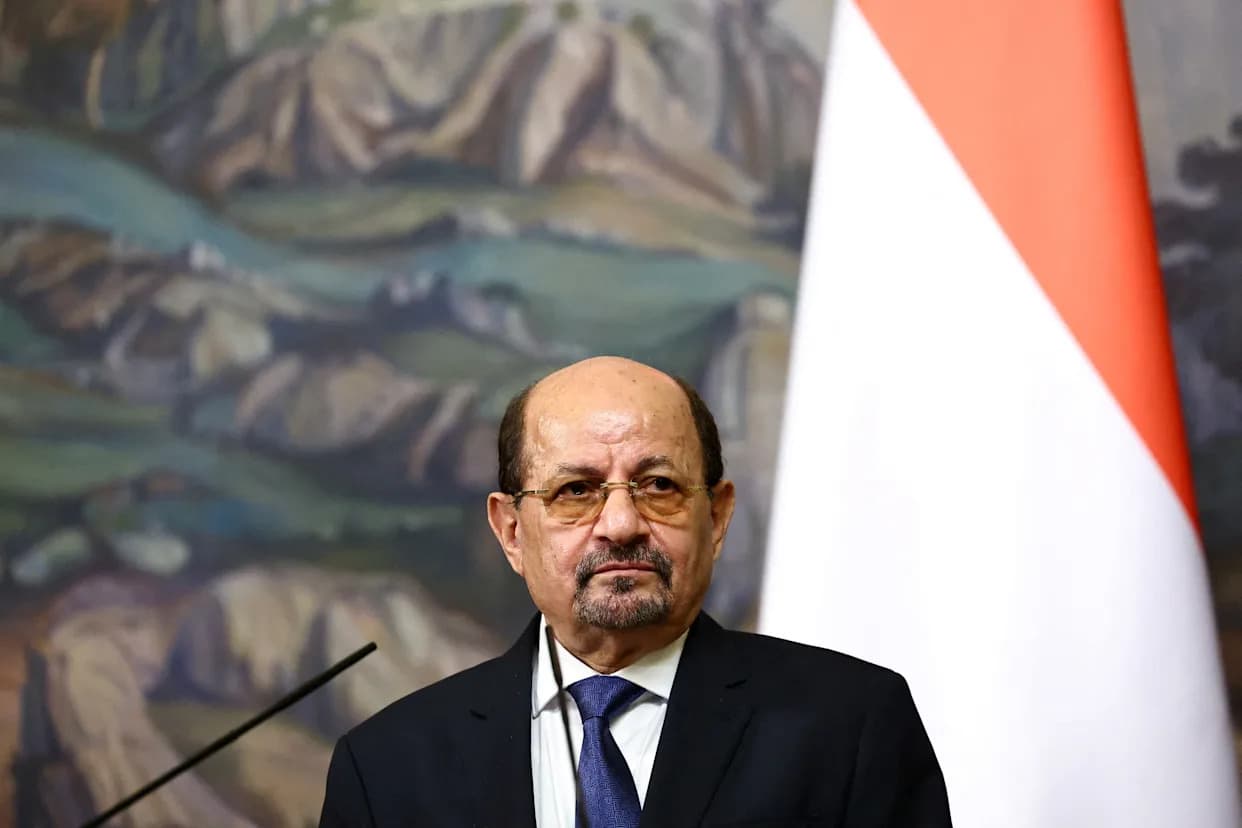
Prime Minister Shaya Mohsen al-Zindani says the new government’s focus will be on improving living conditions and services for citizens [File: Evgenia Novozhenina/Pool/Reuters]
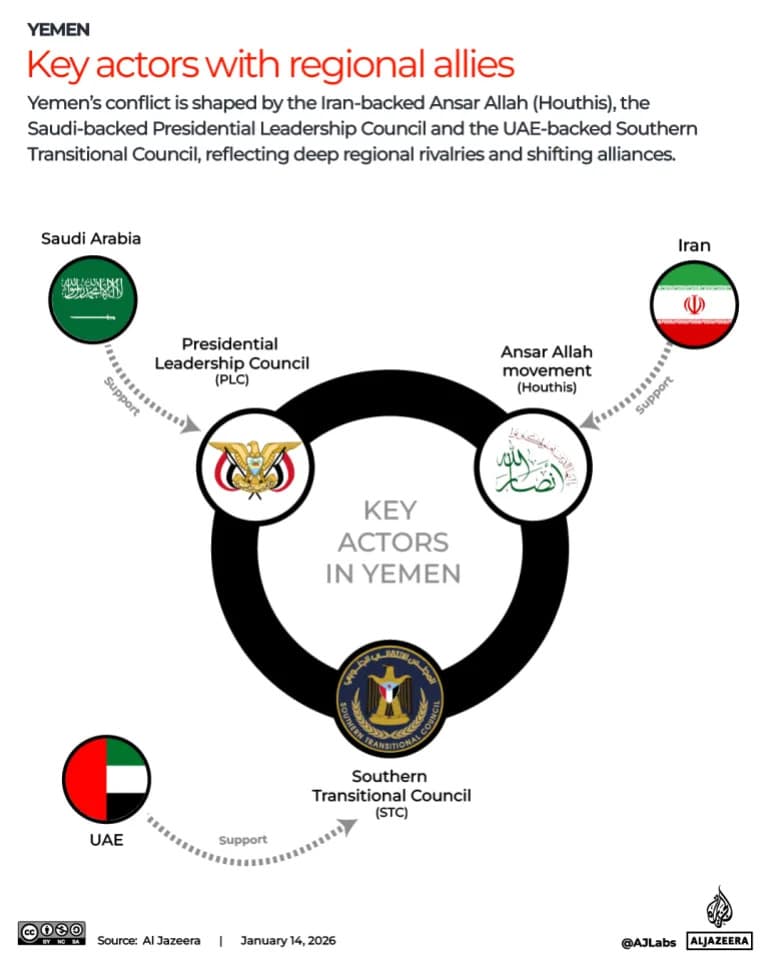
After weeks of negotiations in Riyadh, Yemen’s Saudi‑backed Presidential Leadership Council (PLC) has announced a 35‑member cabinet intended to steer the internationally recognised government amid a fractured national landscape.
What the New Cabinet Looks Like
The new cabinet, ten members larger than the previous lineup, draws ministers from diverse professional backgrounds including administration, economics, law and academia. It also includes three women in prominent roles: Afrah Al‑Zuba as minister of planning and international cooperation, Ishraq Al‑Maqatri as minister of legal affairs, and Ahed Jaasous as minister of state for women’s affairs.
Political Context And Reactions
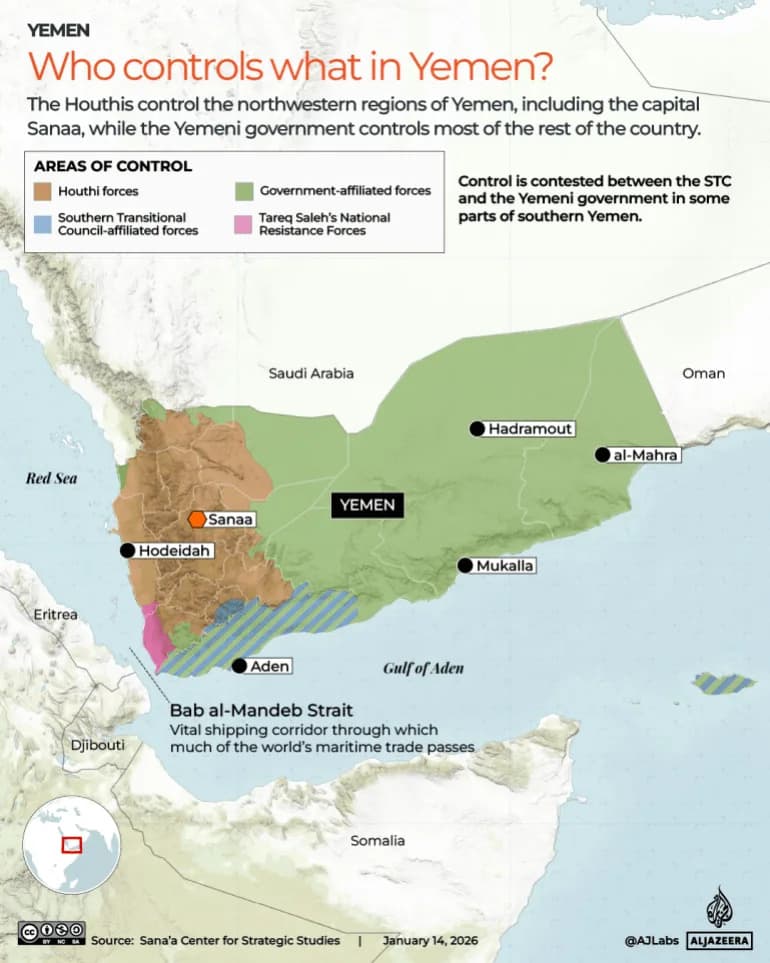
The announcement follows the collapse and formal dissolution of the Southern Transitional Council (STC) and the withdrawal of UAE forces from southern Yemen, events that briefly saw UAE‑aligned separatists seize border provinces and prompted a Saudi military response. That period deepened tensions between regional backers and complicated efforts to consolidate authority.
Reactions have been mixed. Some observers welcomed the appointments as a step toward restoring government institutions and public services. Others criticised the larger cabinet as an effort to redistribute power among rival elites rather than to deliver meaningful reform.
Yaseen Al‑Tamimi, a Yemeni political researcher, described the expansion as an 'appeasement' strategy to accommodate competing groups, saying representation was intended to bind factions to the government agenda despite the budgetary strain.
Priorities And Immediate Challenges
Prime Minister Shaya Mohsen al‑Zindani said the government will prioritise improving living conditions and services, combating corruption and strengthening institutions to help reclaim Houthi‑held areas and restore state authority. Vice Foreign Minister Mustafa Noman and Information Minister Moammar al‑Eryani highlighted Saudi Arabia's central financial role: Riyadh has reportedly agreed to cover salaries in southern Yemen for one year to stabilise payrolls and enable security sector restructuring.
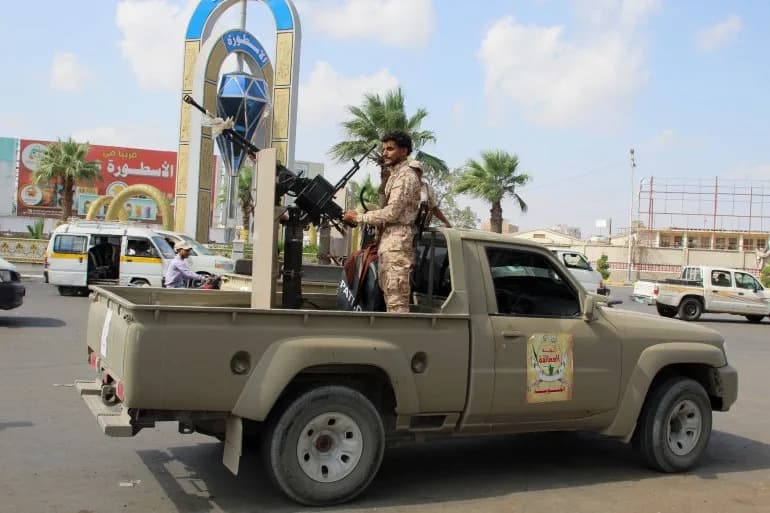
Officials say the most urgent tasks are security‑sector reform — bringing armed groups under the Ministries of Interior and Defence and ensuring forces answer to the PLC chairman and supreme commander, Rashad Al‑Alimi — and reestablishing stable public services. Diplomats warned that failure to deliver security and services could create a vacuum vulnerable to al‑Qaeda, ISIS and other non‑state actors.
Mohammed Al‑Samei, a Taiz‑based political journalist, noted: 'The government’s success hinges on firm political will from the prime minister, the PLC and the country’s political forces. Unity will determine whether these ministers can deliver.'
Humanitarian Situation And Social Signals
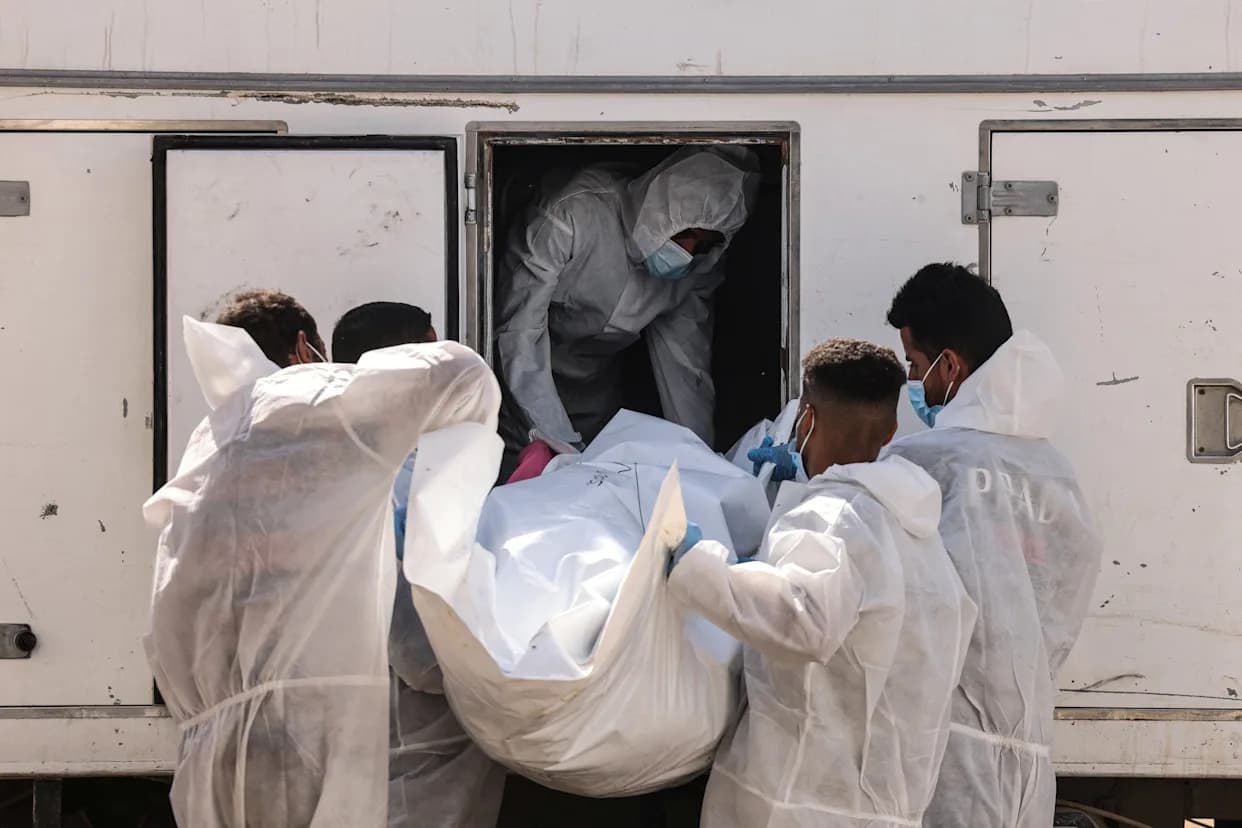
The new cabinet inherits a dire humanitarian crisis: roughly 18 million Yemenis face acute food shortages and tens of thousands are in famine‑like conditions. Delivering aid, restoring services and reviving the economy will depend on both political coherence and external funding.
The inclusion of three women ministers drew praise from activists as a symbolic step toward broader political participation. Civil society leaders described the appointments as an important political indicator, even as activists cautioned that meaningful benefits must reach women across both north and south Yemen.
Southern Opposition And The Road Ahead
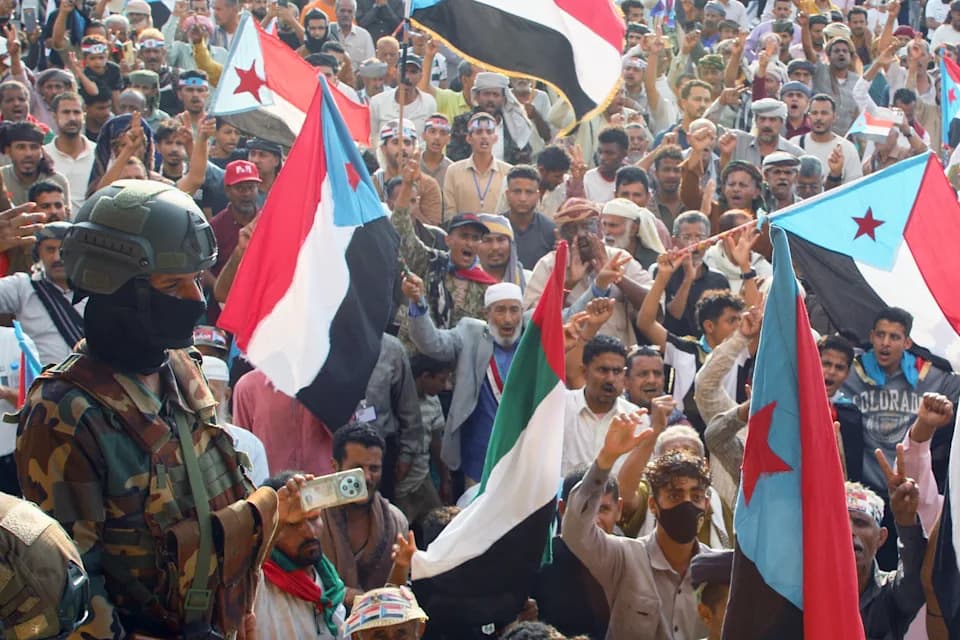
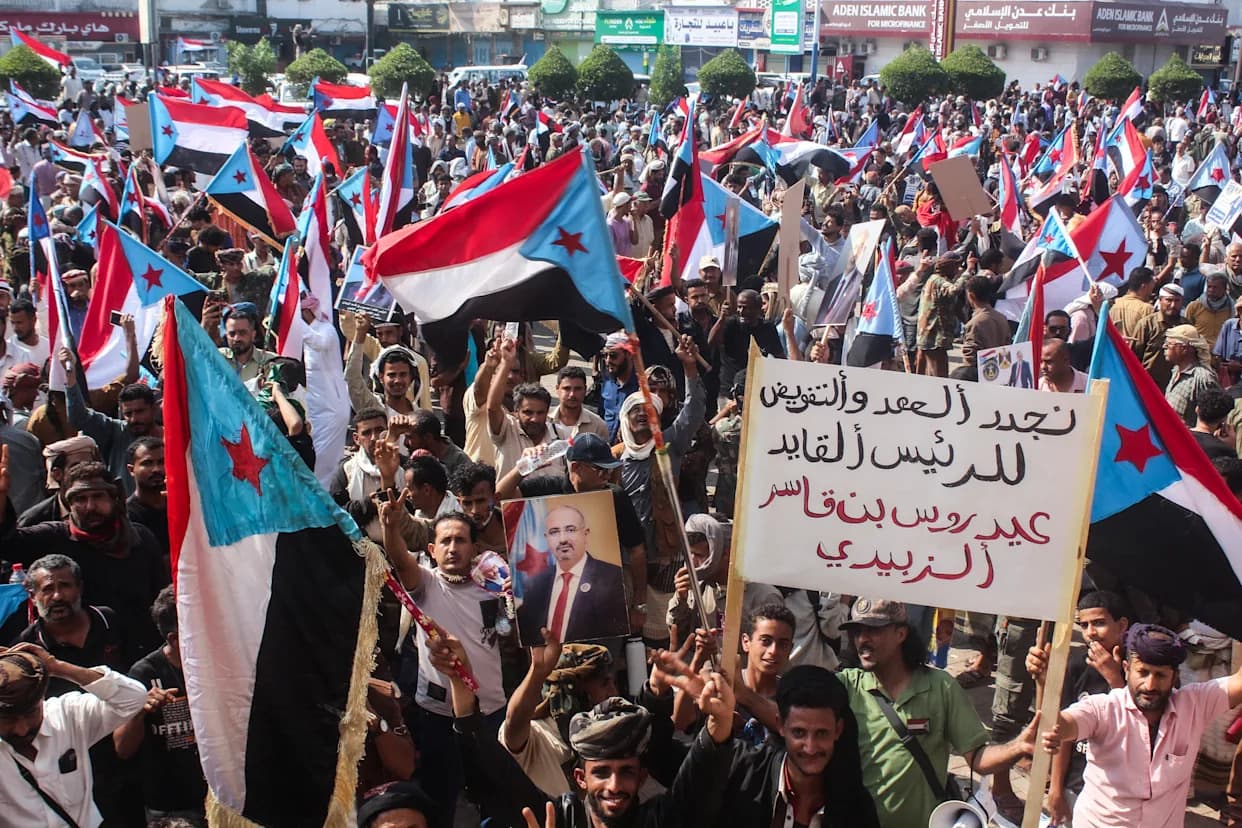
In southern Yemen the response remains divided. Southern separatists and some tribal blocs have rejected the cabinet, reaffirming demands for self‑governance or independence and criticising the formation process as insufficient to address long‑standing political grievances. Analysts say stabilising the south — while pressing to regain territory from Houthi control in the north — is essential if the government hopes to revive national unity.
Abdullah Ali, a Houthi fighter in Sanaa, said: 'Legitimacy comes from the people. Any government imposed by foreign players is illegitimate.'
The PLC‑backed cabinet presents both a political opportunity and a test: it must translate appointments into coherent policy, secure sustained financial backing — notably from Saudi Arabia — and show measurable progress on security, services and humanitarian relief to build credibility at home and abroad.
Help us improve.