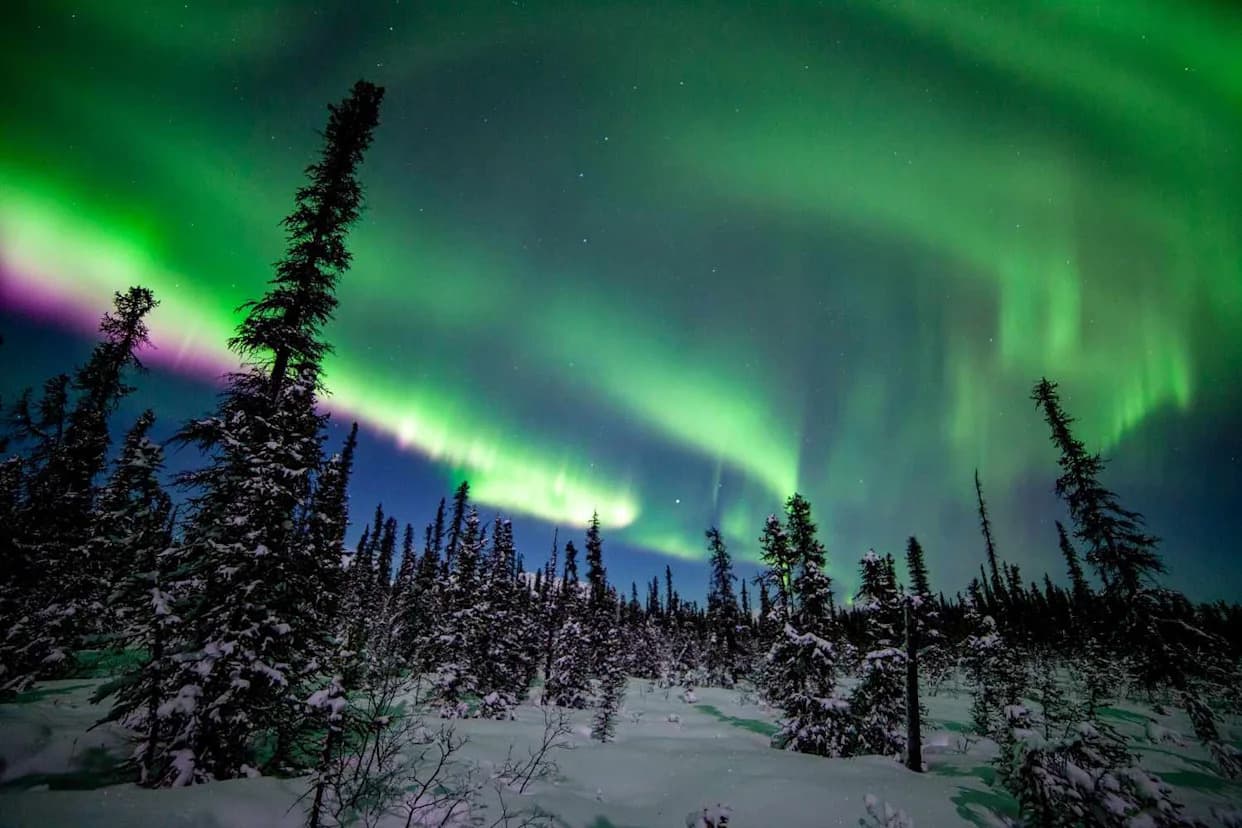
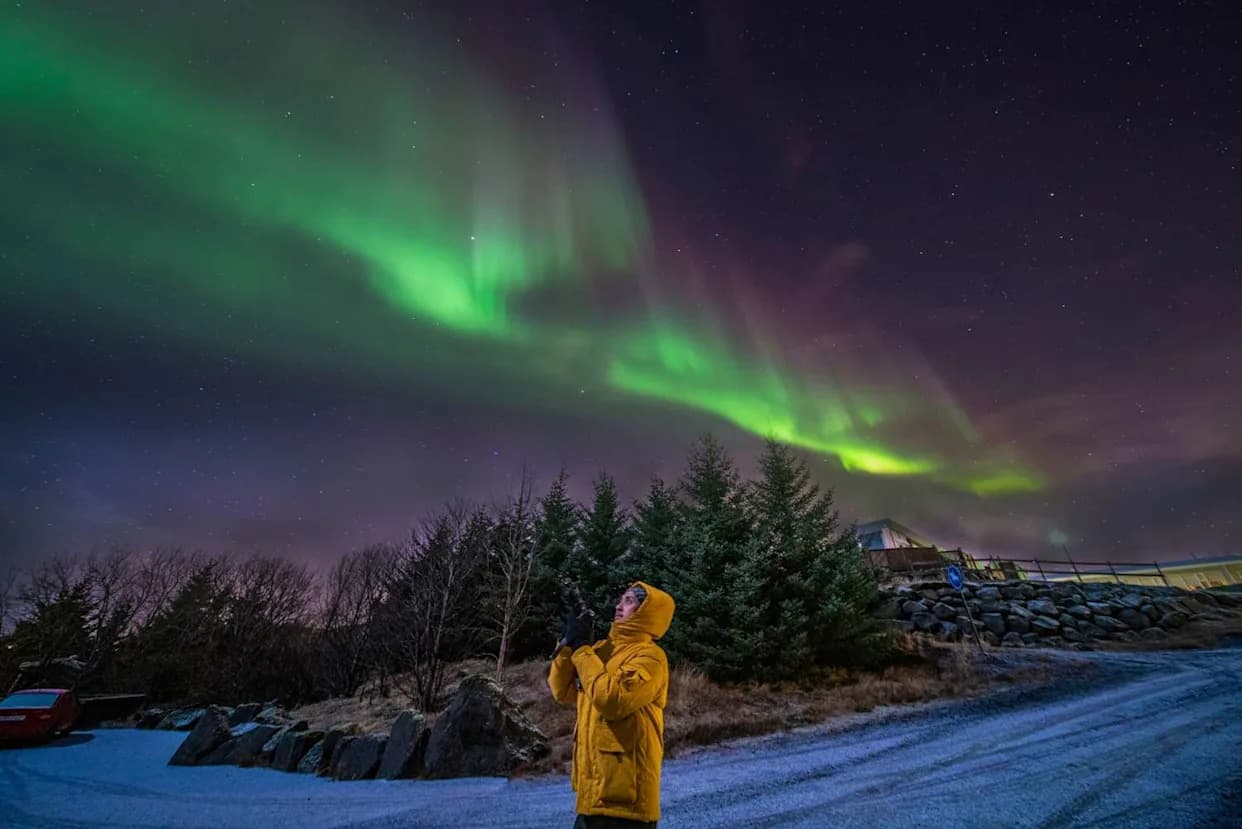
NASA will launch the GNEISS sounding rocket mission from Poker Flat near Fairbanks, Alaska, as early as Feb. 7 to study the electric currents that power the northern lights. Two rockets will fly side-by-side and each will release four subpayloads to sample different parts of the same auroral arc. By transmitting radio waves through the plasma and measuring how those signals are altered on the ground, scientists will infer plasma density and map current paths. A separate mission will investigate dark "black auroras" that may indicate abrupt current reversals.
NASA To 'CT-Scan' The Northern Lights: GNEISS Rockets Will Map Auroral Electricity
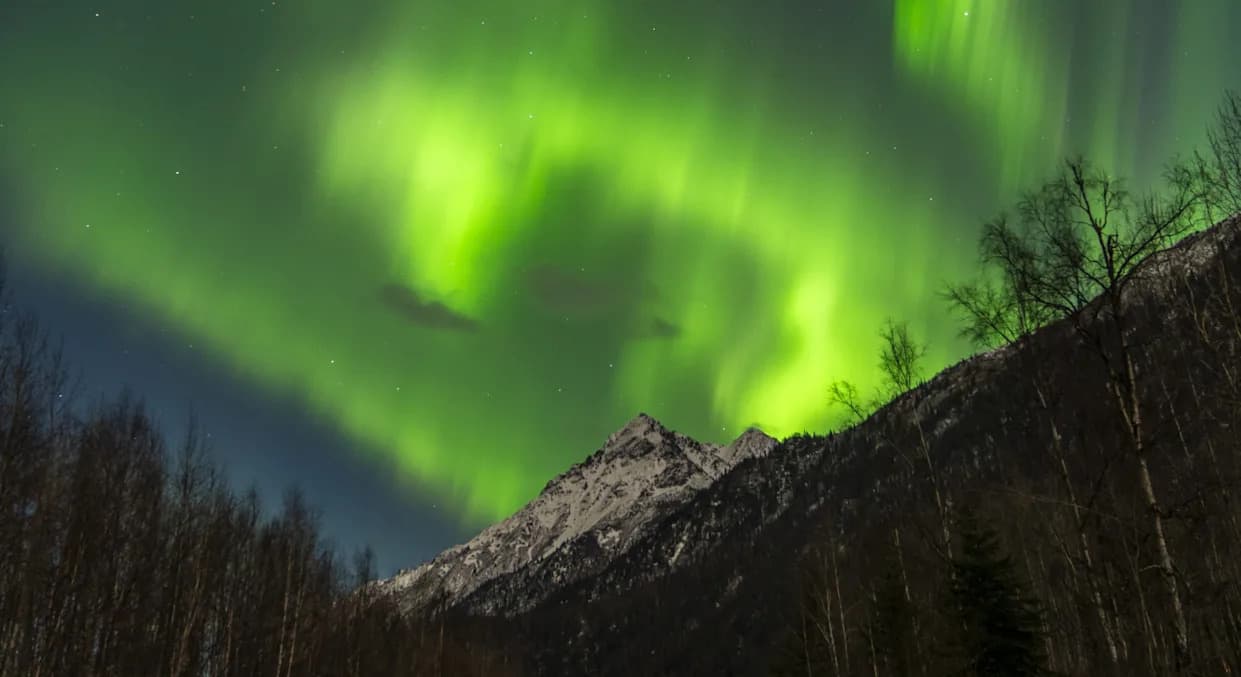
NASA rocket to conduct 'CT scan' of Northern Lights to help understand auroral electricity
FAIRBANKS, Alaska — NASA plans to launch a pair of sounding rockets from the Poker Flat Research Range near Fairbanks as early as Feb. 7 to probe the electrical circuitry behind the northern lights.
The Geophysical Non-Equilibrium Ionospheric System Science (GNEISS) mission will apply a technique likened to a medical CT scan to reconstruct the flows of electric current within an auroral arc. By sending radio signals through the plasma and measuring how those signals are altered on the ground, scientists can infer plasma density and map where electricity can travel.
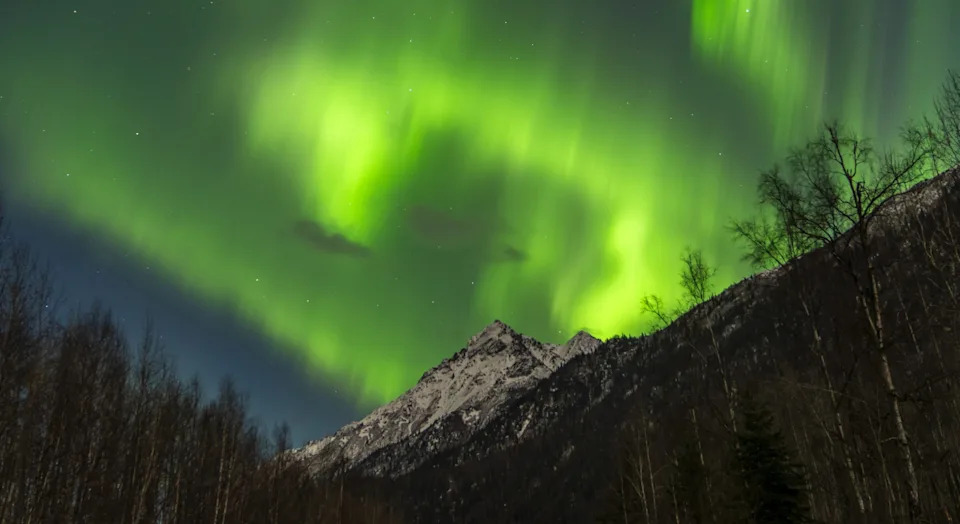
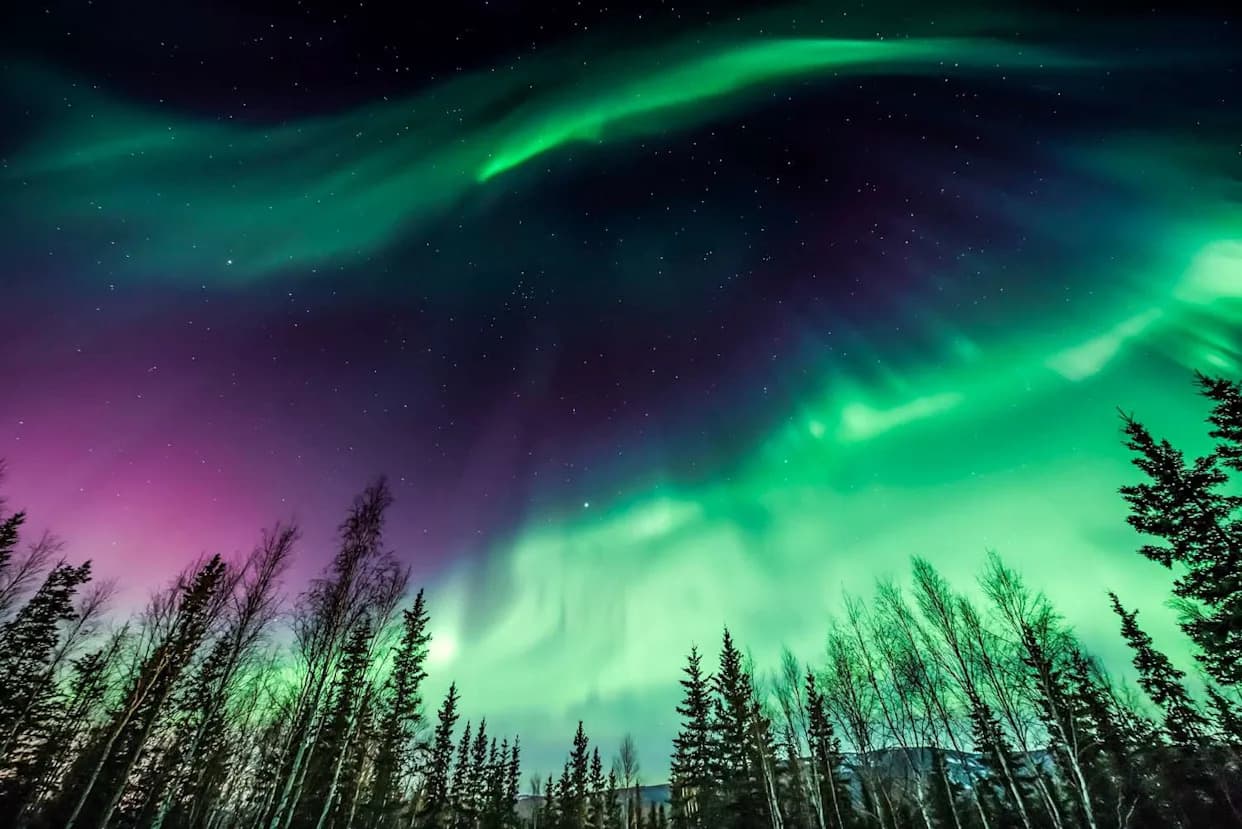
FILE: Northern lights (Aurora Borealis) illuminate the sky in Alaska's Eklutna Tailrace, United States on March 09, 2025.(Getty Images)
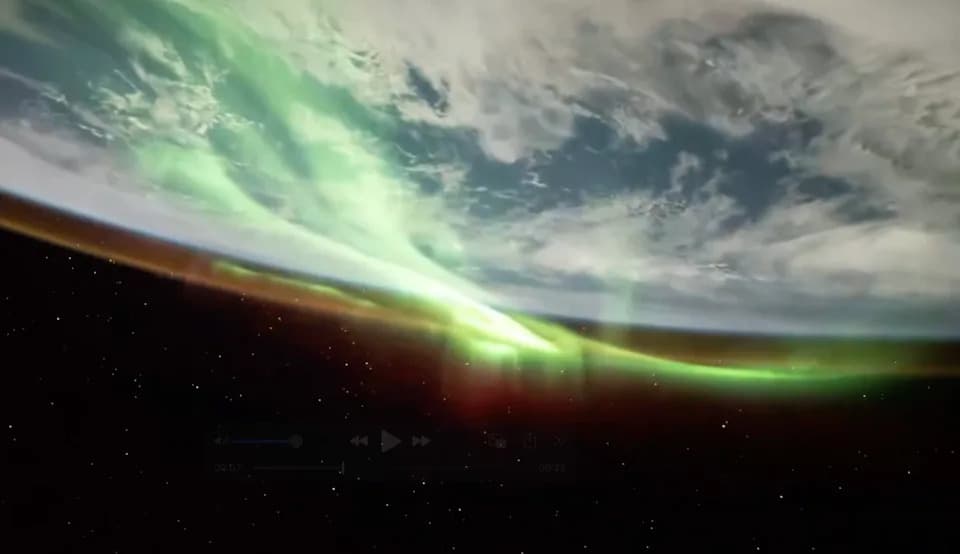
"The electricity doesn’t stop where the light appears. Electricity travels in loops; the lightbulb is just a pit stop on a roundtrip journey known as a circuit," NASA said, illustrating how incoming and returning electrons form complex circuits in Earth's upper atmosphere.
How the GNEISS Mission Will Work
NASA will fly two rockets side-by-side through different parts of the same auroral arc to gather complementary measurements. Each rocket will release four subpayloads that take localized measurements inside the aurora, providing multi-point sampling of the plasma and electric currents.
As the rockets traverse the aurora, they transmit radio waves through the surrounding plasma to ground receivers. The plasma distorts those radio waves — similar to how different body tissues distort X-rays in a CT scan — allowing researchers to reconstruct plasma density profiles and trace current paths.
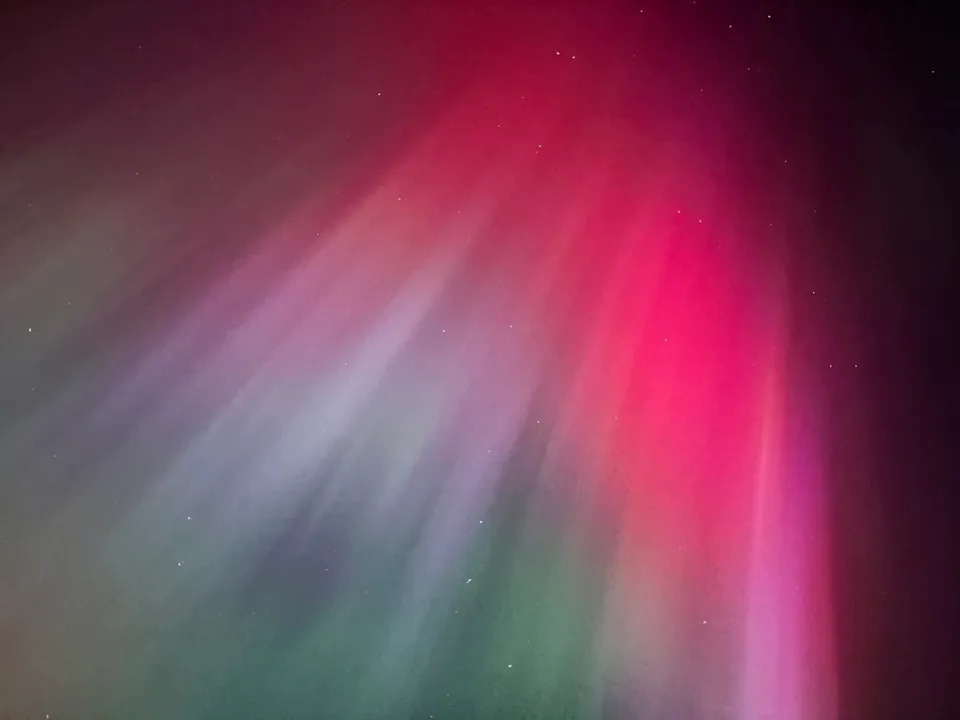
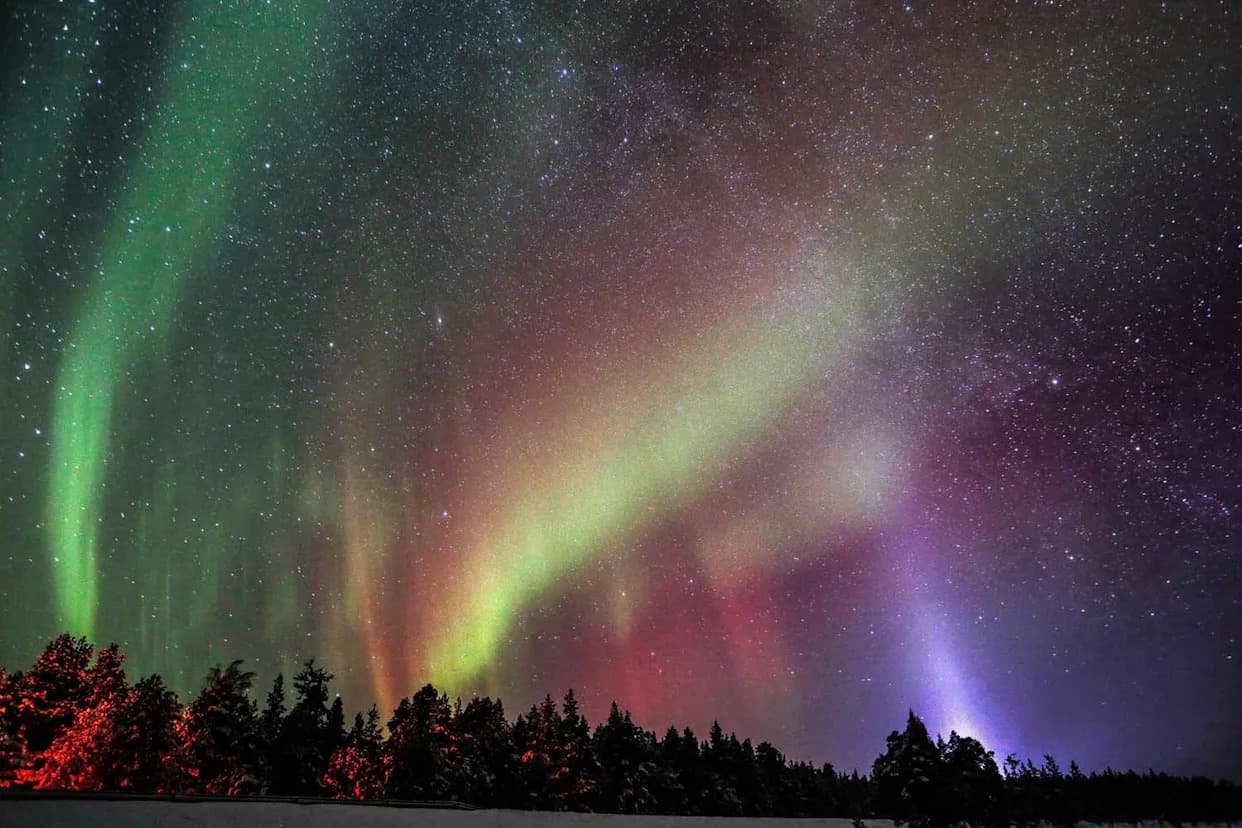
Northern Lights over Ashland, WI
Related Mission: Black And Diffuse Aurora Science Surveyor
During the same launch window, NASA will also attempt a separate sounding rocket mission, the Black and Diffuse Aurora Science Surveyor, which targets so-called "black auroras" — dark patches that researchers suspect mark locations where auroral currents abruptly reverse direction.
"We’re not just interested in where the rocket flies," said Kristina Lynch, principal investigator for GNEISS and a professor at Dartmouth College. "We want to know how the current spreads downward through the atmosphere." The data could help scientists better understand auroral electrodynamics and improve models of space weather that affect satellites and communications.
If conditions allow, the GNEISS rockets could launch as early as Feb. 7 from Poker Flat, giving researchers a rare, close-up look at the currents that power one of Earth's most spectacular natural light shows.
Help us improve.