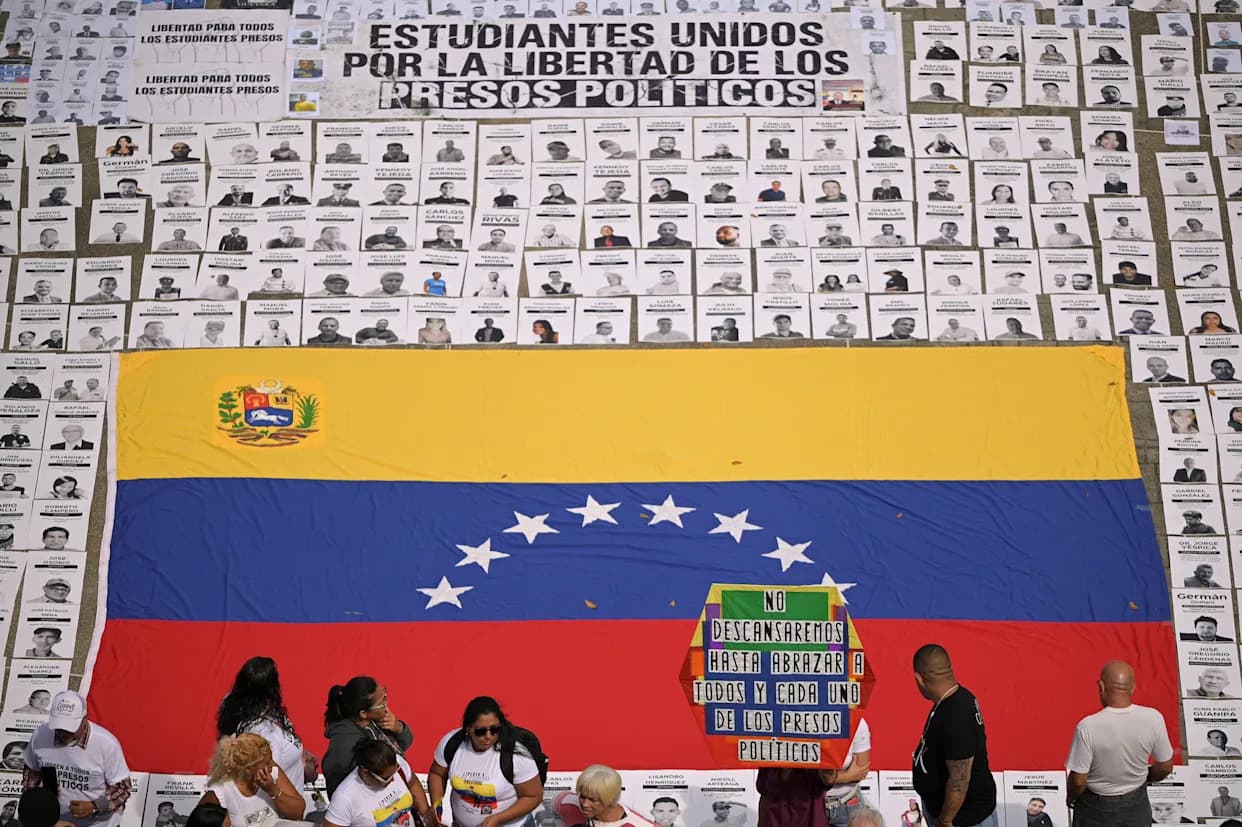
Camilo Castro, a 41-year-old French yoga teacher of Chilean origin, says he was detained in Venezuela on June 26, 2025, and subjected to filthy cells, repeated interrogations and attempts at torture. He describes blood- and feces-stained cells, scarce food and water, loud propaganda, polygraph-style questioning and physical and sexual abuse of detainees. Released in late November after French-led diplomacy (with reported help from Brazil and Mexico), Castro now seeks official recognition as a victim and is speaking out about Venezuela's political prisoners.
French Yoga Teacher Says He Was "Put Through Hell" in Venezuelan Jail — Describes Torture and Squalid Conditions
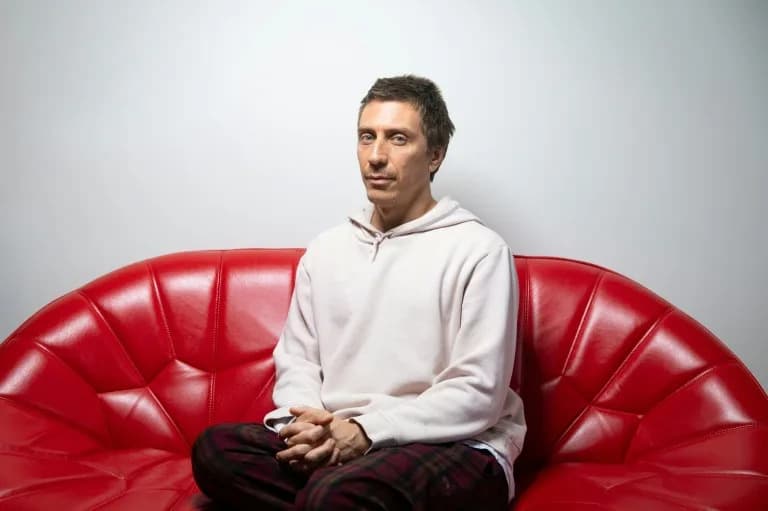
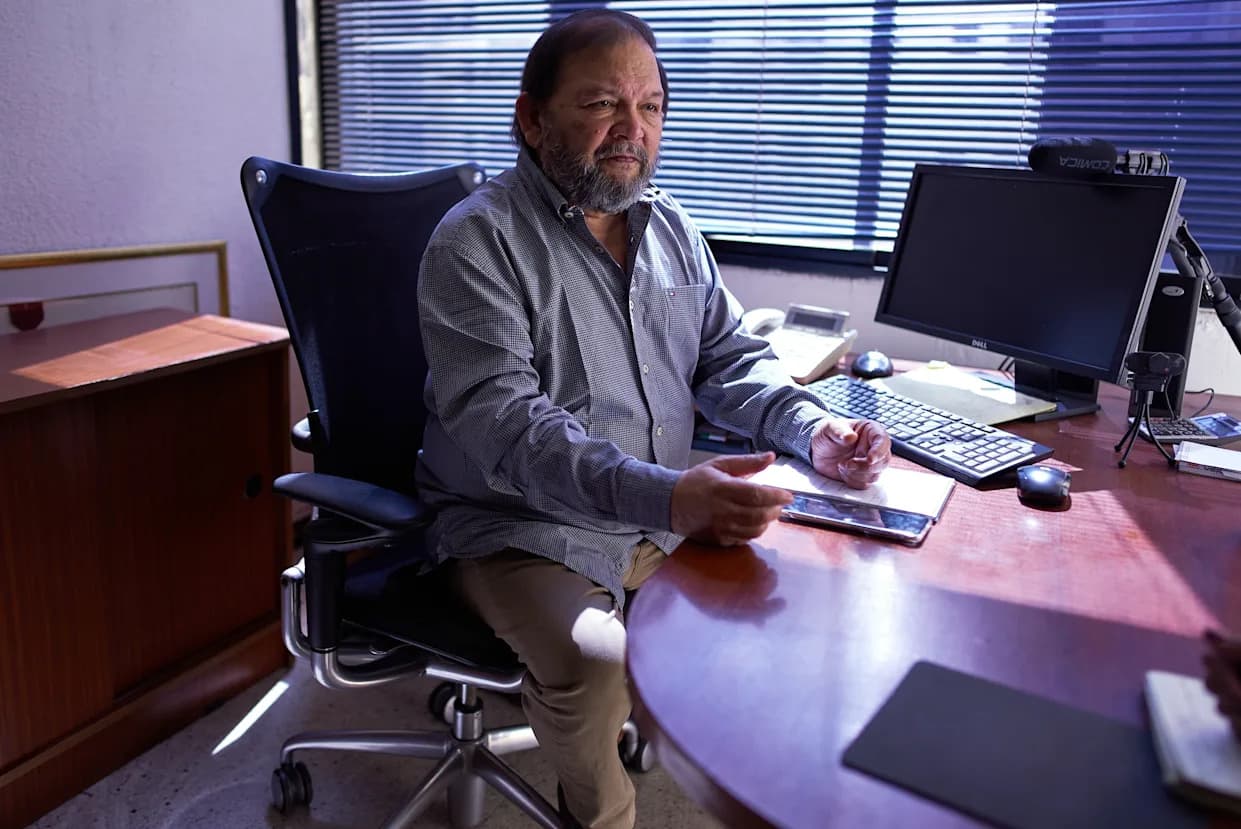
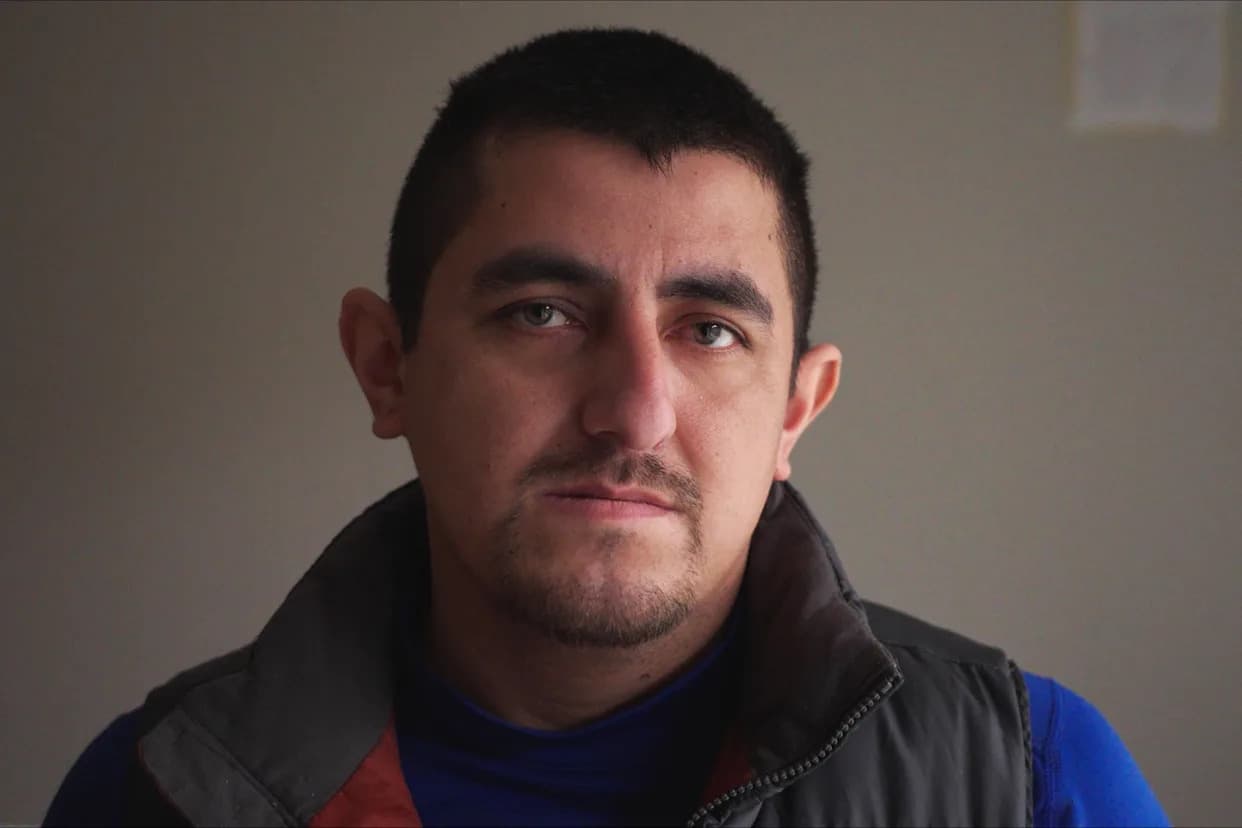
French yoga teacher Camilo Castro spent five months in detention in Venezuela after being accused of being a US spy (GEOFFROY VAN DER HASSELT)(GEOFFROY VAN DER HASSELT/AFP/AFP)
Camilo Castro, a 41-year-old French yoga instructor of Chilean descent, says he was detained by Venezuelan intelligence on June 26, 2025, after crossing from Colombia to renew his visa. He recounts being held in filthy, blood- and feces-stained cells and subjected to repeated interrogations and abuse designed to "break" detainees.
Arrest and Transfers
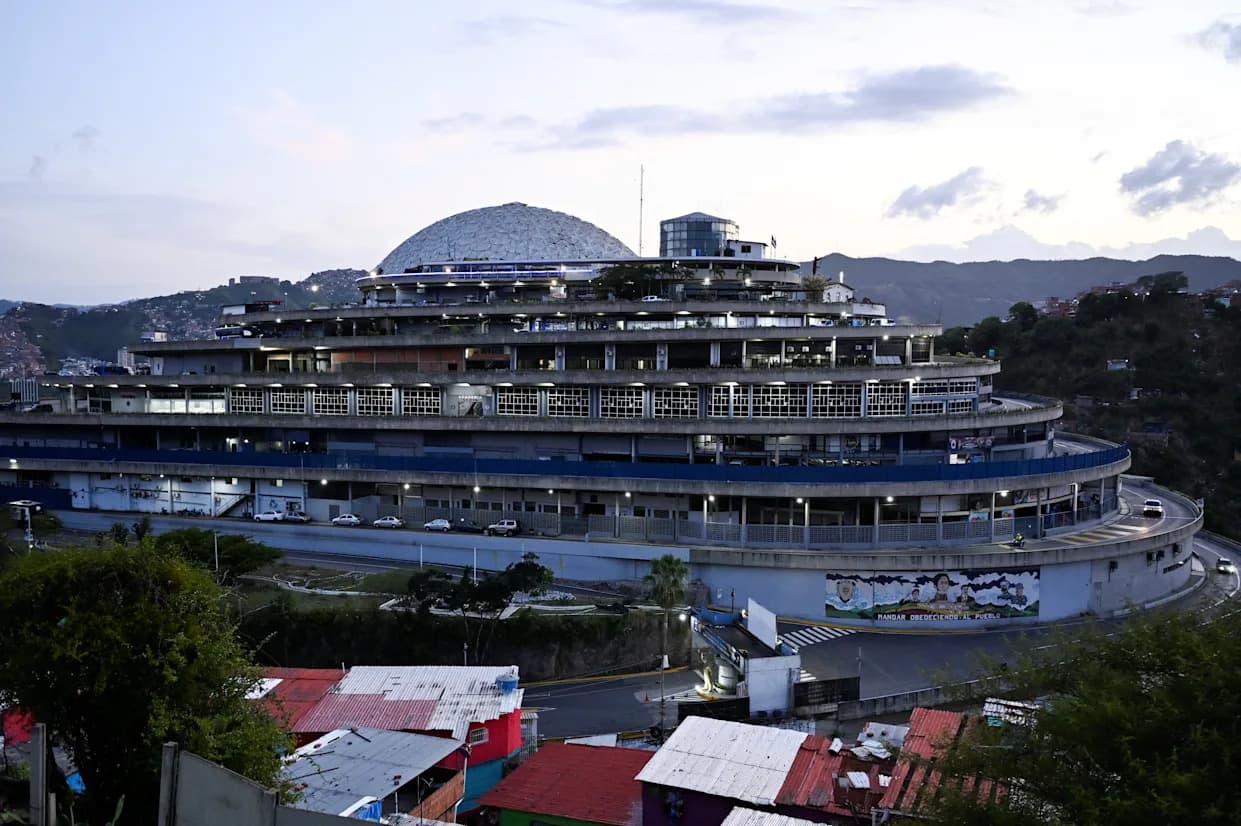
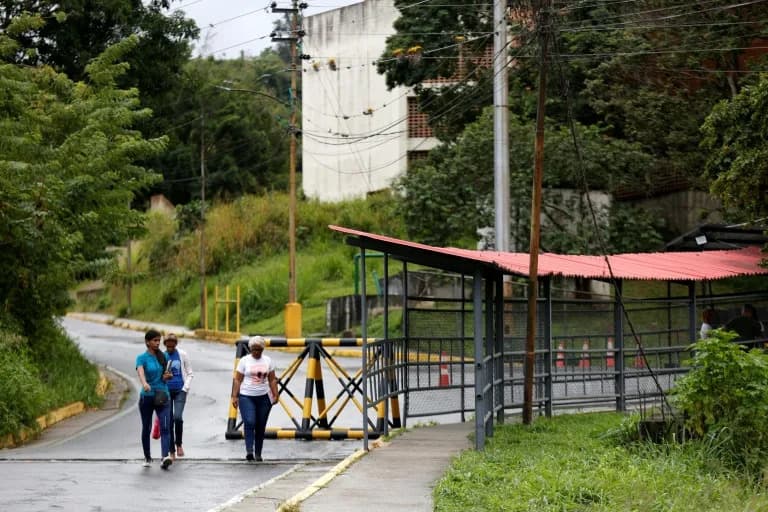
Masked agents seized Castro at the border and took him to an underground detention facility in Maracaibo, an oil city in northwestern Venezuela. After initial detention he was transferred to Caracas — first to a military intelligence detention center and later to Rodeo I prison, where dozens of political prisoners, including foreigners, are held.
Conditions Inside the Cells
"They left me there all night, with damp walls, toilets in a deplorable state with hundreds of cockroaches and fecal matter that has built up over months," Castro said in a video interview from Paris.
He described cells stained with blood, a table with objects he identified as torture instruments, scarce food, water rationed to twice a day, and recurring illnesses such as diarrhea and respiratory infections. Loudspeakers played propaganda for hours at a time, and very loud folk music was used at other moments, creating an oppressive soundscape for inmates.
Interrogation and Abuse
Castro says military intelligence officers accused him of spying for the CIA or the U.S. Drug Enforcement Administration and repeatedly administered polygraph-style questioning for hours. Prisoners were marched out hooded and handcuffed, subjected to insults, mock trials and relentless interrogation.
He and other inmates reported severe abuses: beatings, exposure to tear gas, plastic bags sprayed with insecticide placed over heads, forced intubation and sexual assaults involving tubes. Castro said soldiers and prison directors sometimes took part "with a certain relish." He said he narrowly avoided the worst of those methods.
Resistance, Release And Aftermath
Castro considered protesting the denial of books sent by French consular services, but a longtime inmate warned him that any protest would trigger torture. After months in detention, French diplomatic efforts — with reported assistance from Brazil and Mexico — secured his release in late November. He was flown to Paris, where family members had been anxiously awaiting his return.
Next Steps
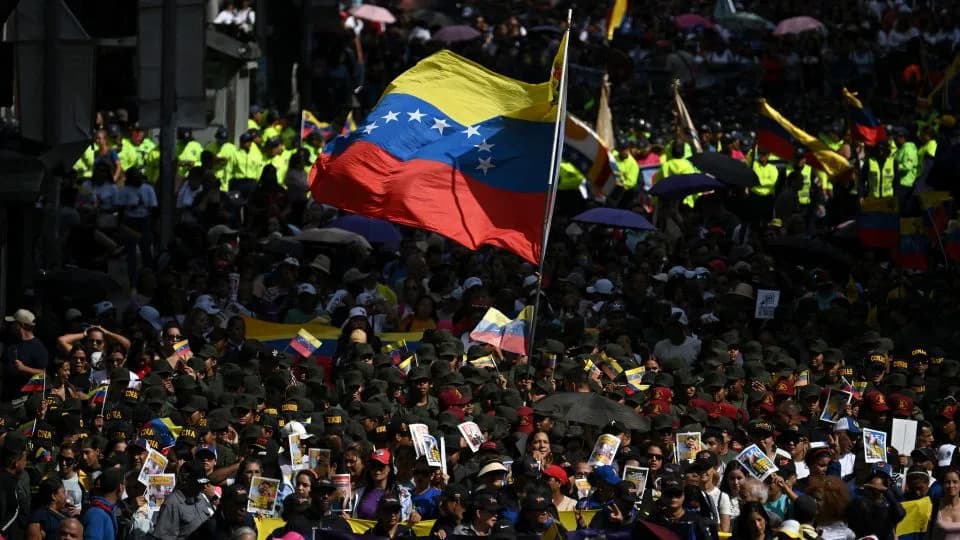
Back in France, Castro is seeking formal recognition as a victim from the French state and has begun speaking publicly to draw attention to the hundreds of political prisoners who remain incarcerated in Venezuela. Despite the trauma, he told reporters he feels "inextricably tied" to the country and hopes to return one day.
Note: This account reflects Castro's testimony as described in his interview. Allegations of torture and abuse are reported here as his claims; independent verification of each detail may be limited.
Help us improve.