Hundreds of millions of dollars in U.S. energy assistance pledged to Ukraine remain unreleased as an unusually cold winter pushes the country’s battered power grid toward collapse. The funds were intended for LNG imports and infrastructure repairs but reportedly stalled after USAID was sidelined early in the Trump administration. U.S. officials dispute that the monies were explicitly earmarked for energy, pointing to AEECA funds and plans to use some for critical minerals. Kyiv faces prolonged outages, disrupted water supplies and an estimated €675 million shortfall in energy needs.
U.S. Energy Aid For Ukraine Stalled As Winter Deepens; Funds Caught In Bureaucratic Limbo
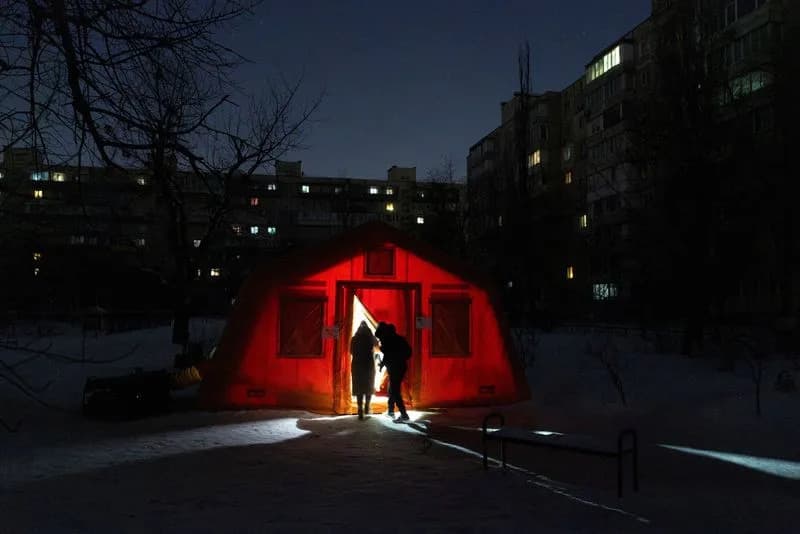
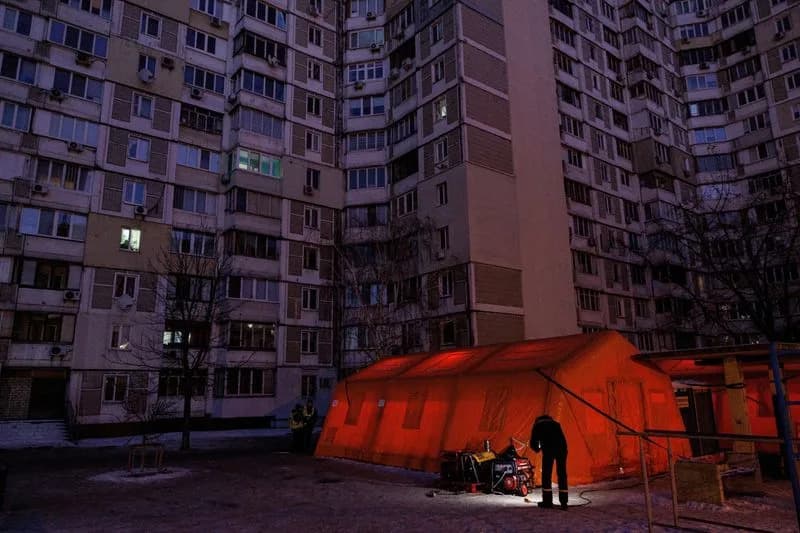
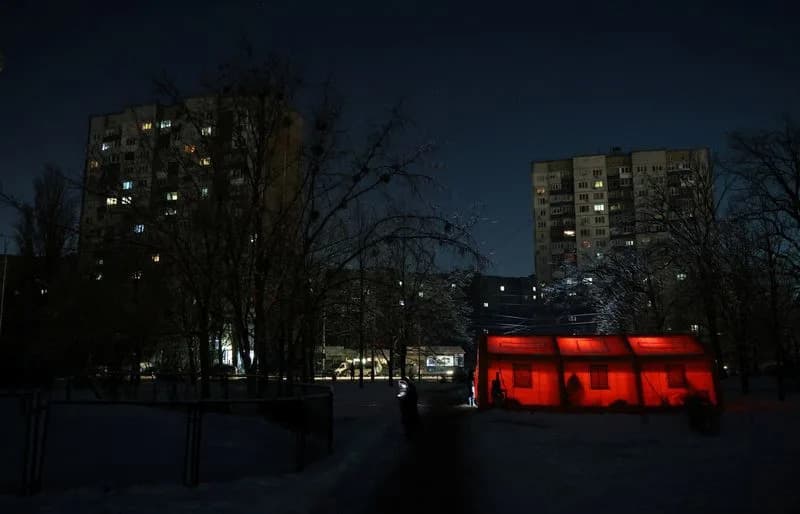
People enter a tent provided by emergency services for residents whose apartments are left without heating during sub-zero temperatures, amid Russia's attack on Ukraine, during a winter night in Kyiv, Ukraine January 17, 2026. REUTERS/Thomas Peter
U.S. and European officials warn that hundreds of millions of dollars in U.S. energy assistance pledged for Ukraine remain unreleased just as an exceptionally cold winter is straining the country's war‑damaged power grid.
Background
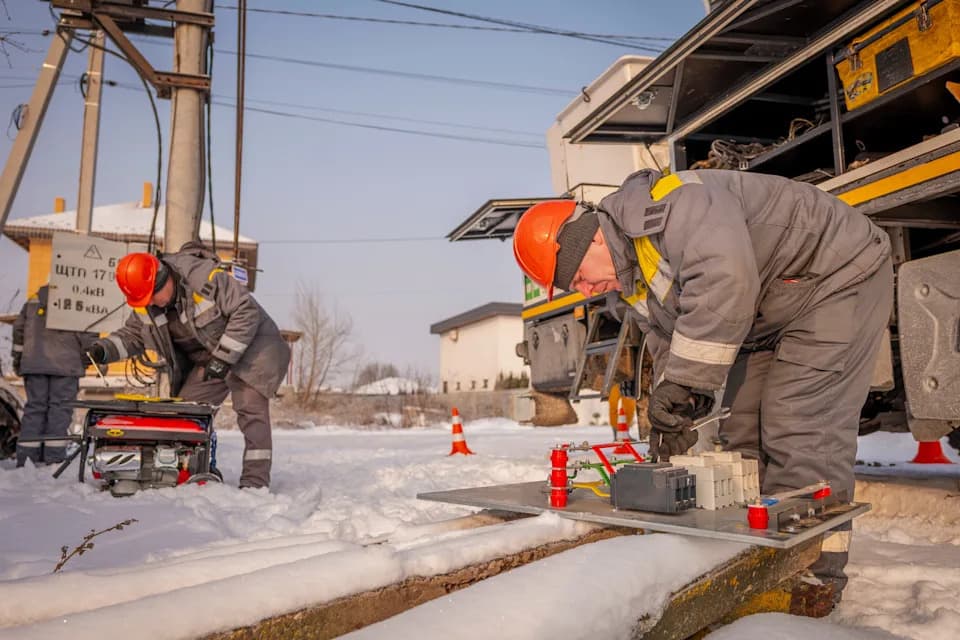
Sources, including U.S. and Ukrainian officials, say the funds were intended to be administered by the U.S. Agency for International Development (USAID) to finance liquefied natural gas (LNG) imports and repair energy infrastructure damaged by Russian strikes. Reuters reports that some of the money fell into what officials describe as bureaucratic limbo after USAID was effectively sidelined early in the Trump administration.
Dispute Over How Funds Were Earmarked
A White House Office of Management and Budget (OMB) spokesman pushed back on the broad characterization that the available monies were explicitly earmarked for energy infrastructure. The spokesman said Ukraine funds exist under the Assistance for Europe, Eurasia, and Central Asia (AEECA) program and that about $250 million of relevant AEECA funds are intended for developing Ukraine's critical minerals sector.
"This was money notified to Congress in the Biden administration for energy sector support — which would have been delivered through USAID and its contractors," said Geoffrey Pyatt, who led energy policy at the State Department and retired in January. "With Russia stepping up efforts to weaponize the winter, it is vital to use Congress-appropriated resources to deliver needed repair equipment quickly."
Why Aid Has Stalled
Officials who spoke with Reuters attributed the current delays mainly to disruptive changes across the federal bureaucracy rather than explicit leverage against Kyiv. Senior changes include the effective sidelining of USAID, debate over which agency should disburse legacy funds, and a reduced National Security Council that previously helped resolve interagency disputes. Some officials favor the State Department; others want the Development Finance Corporation (DFC) to take a leading role in reconstruction financing.
An OMB spokesperson also referenced a USAID inspector general report suggesting past energy assistance was mismanaged, saying contractors in Ukraine may have lost products through poor oversight and theft. OMB also highlighted the Trump administration's stated efforts to pursue peace diplomacy.
Human Impact And Urgent Needs
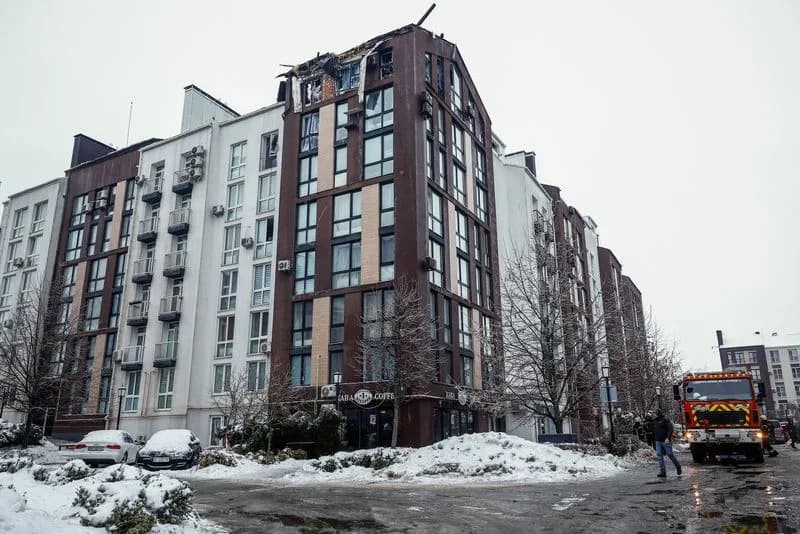
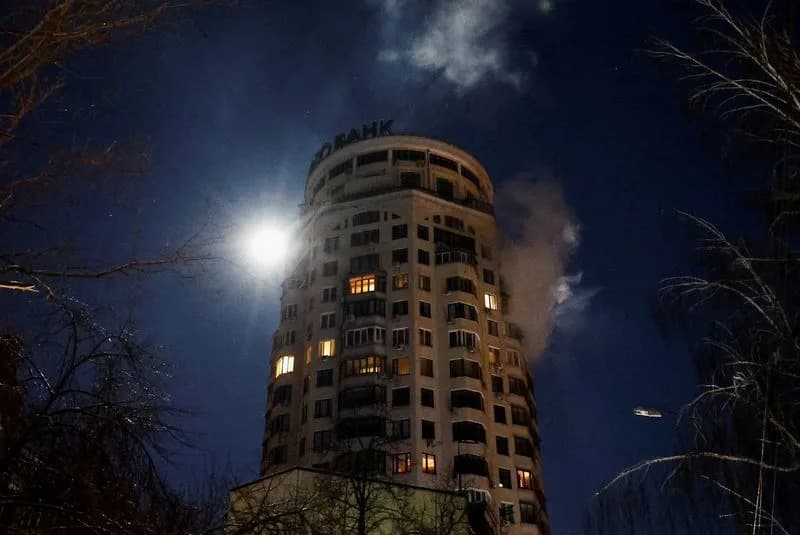
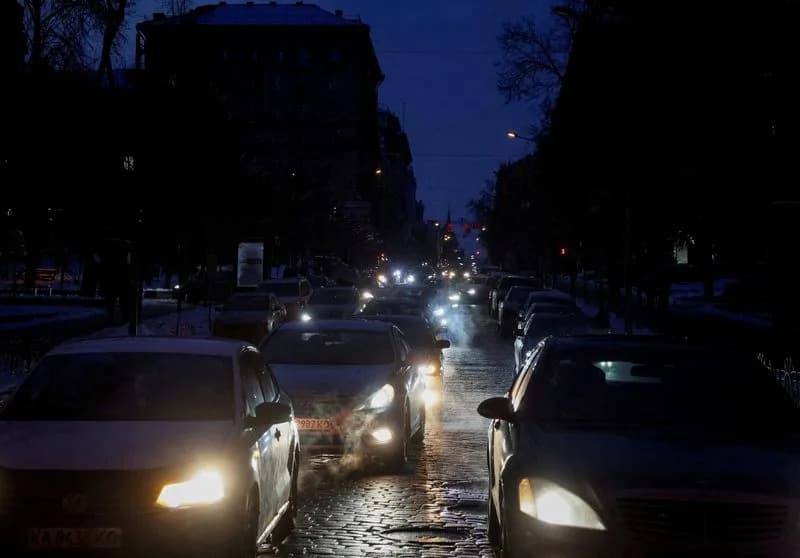
Russian strikes on power plants and pipelines have left millions of Ukrainians exposed to severe cold. Residents of major cities including Kyiv are experiencing prolonged outages and heating cutoffs that have left some homes near 45°F (7°C), while overnight lows are forecast to drop to around -12°F. Water supplies have also been disrupted, and generators are now a constant presence on city streets.
Ukrainian officials briefed foreign diplomats with a presentation that described all major energy plants as "damaged or ruined" and estimated roughly €675 million (about $807 million) in unfunded energy needs. Humanitarian groups warn of life‑threatening risks for residents in poorly heated upper‑floor apartments during extreme cold snaps.
Next Steps
Congressional staff are seeking additional information about the stalled funds, and U.S. and Ukrainian officials say they are working to resolve the impasse. The DFC says it is coordinating with interagency partners to support Ukraine's reconstruction, while Kyiv has been cautious about raising the issue publicly for fear of diplomatic friction.
(Reporting by Gram Slattery and Humeyra Pamuk; Editing by Don Durfee and Diane Craft)
Help us improve.