The DOJ’s Criminal Section of the Civil Rights Division has lost a large share of its trial attorneys — from roughly 40 to no more than 13, former prosecutors say — and been directed to limit investigations to only the most egregious law-enforcement misconduct. Former staff warn the staffing losses and new guidance have curtailed the unit’s capacity to pursue thorough federal probes into police use of force, even as DOJ says it will hire more personnel and continue enforcing civil-rights laws. Reuters’ analysis also shows a roughly 36% drop in federal excessive-force charges last year.
DOJ Civil Rights Unit Loses Two-Thirds Of Trial Attorneys, Scales Back Police Misconduct Probes, Former Prosecutors Say
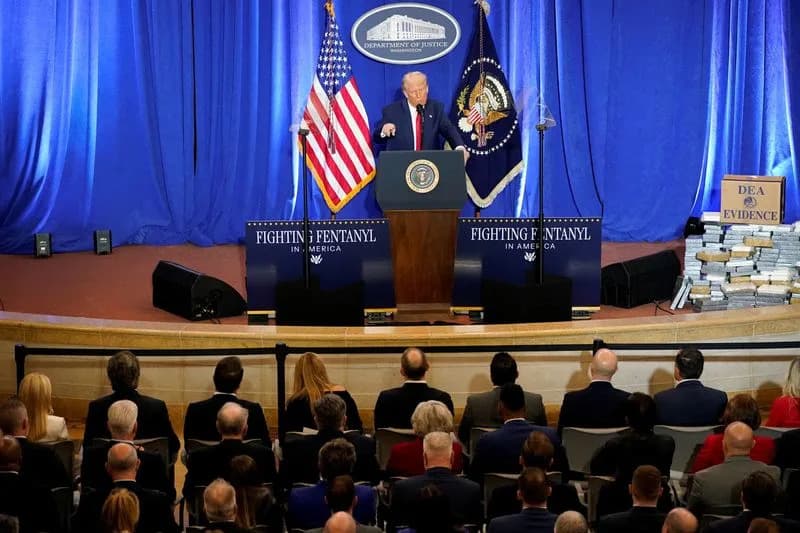
FILE PHOTO: U.S. President Donald Trump speaks during his visit to the Department of Justice to address its workers, in Washington, D.C., U.S., March 14, 2025. REUTERS/Nathan Howard/File Photo
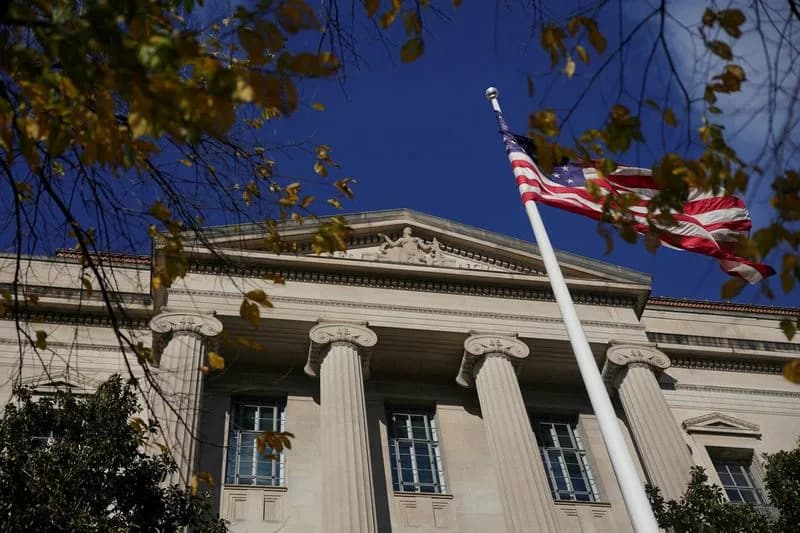
The Justice Department's Criminal Section of the Civil Rights Division — the unit that typically leads federal probes of alleged law-enforcement misconduct — has seen a dramatic reduction in experienced staff and has been told to narrow the types of police use-of-force investigations it will pursue, according to former prosecutors and public statements by DOJ officials.
Staffing Decline and Departures
Seven former lawyers who worked in the section told Reuters that the number of trial attorneys fell from roughly 40 before President Trump took office to no more than 13. They said only two supervisors remain in place; the unit previously had about seven supervisors. Many of the former prosecutors spoke on the condition of anonymity, citing fear of retaliation.
New Priorities and Guidance
Early in the administration, supervisors reportedly informed staff that investigations of law-enforcement officers would be pursued only in "egregious" circumstances — examples given by sources include deaths in custody or sexual assault — and that state and local authorities would be expected to take the lead in most other cases. Former attorneys said that message, along with the staff exodus, has sharply reduced the section's capacity to conduct thorough federal inquiries into police use of force.
Impact On Investigations
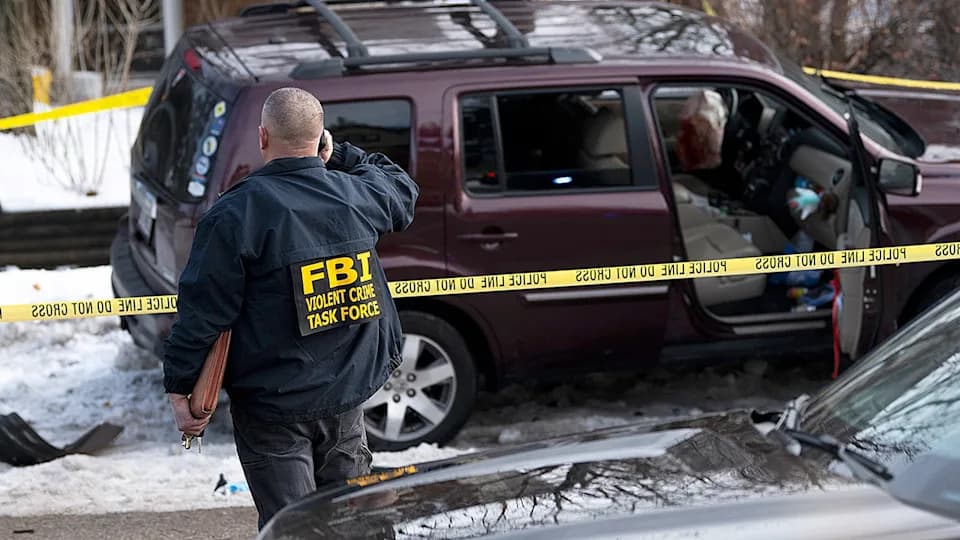
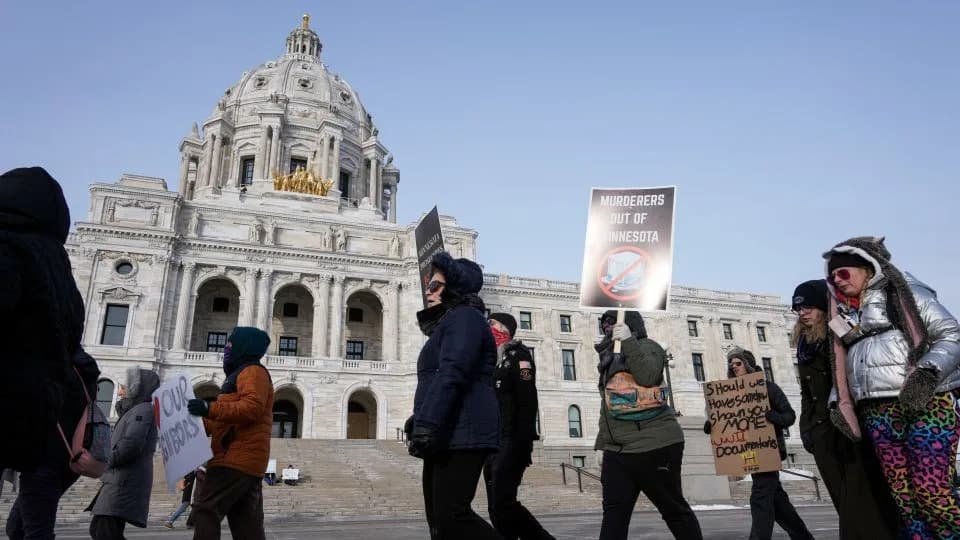
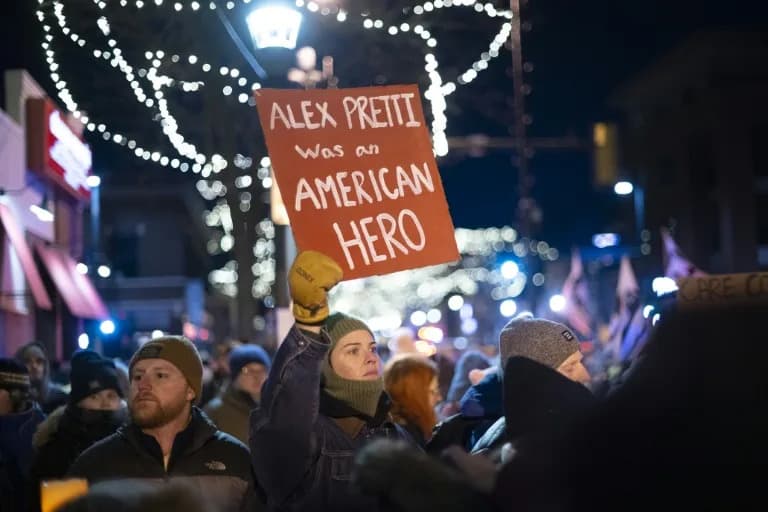
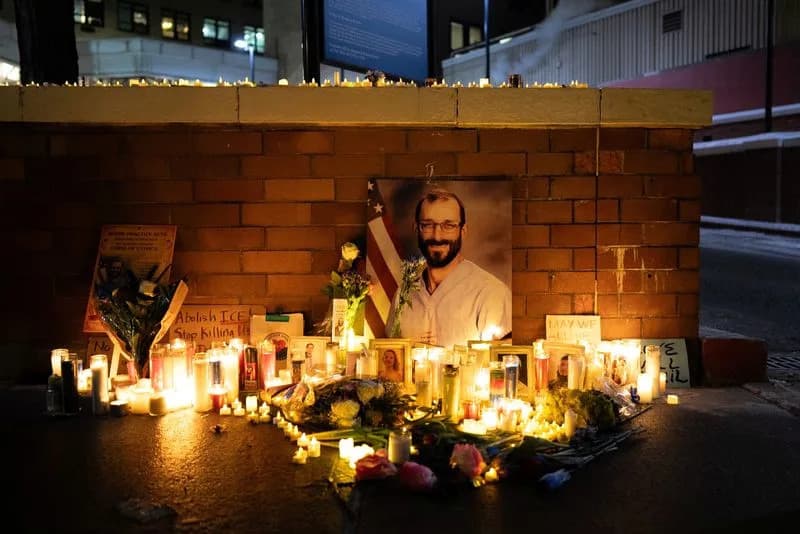
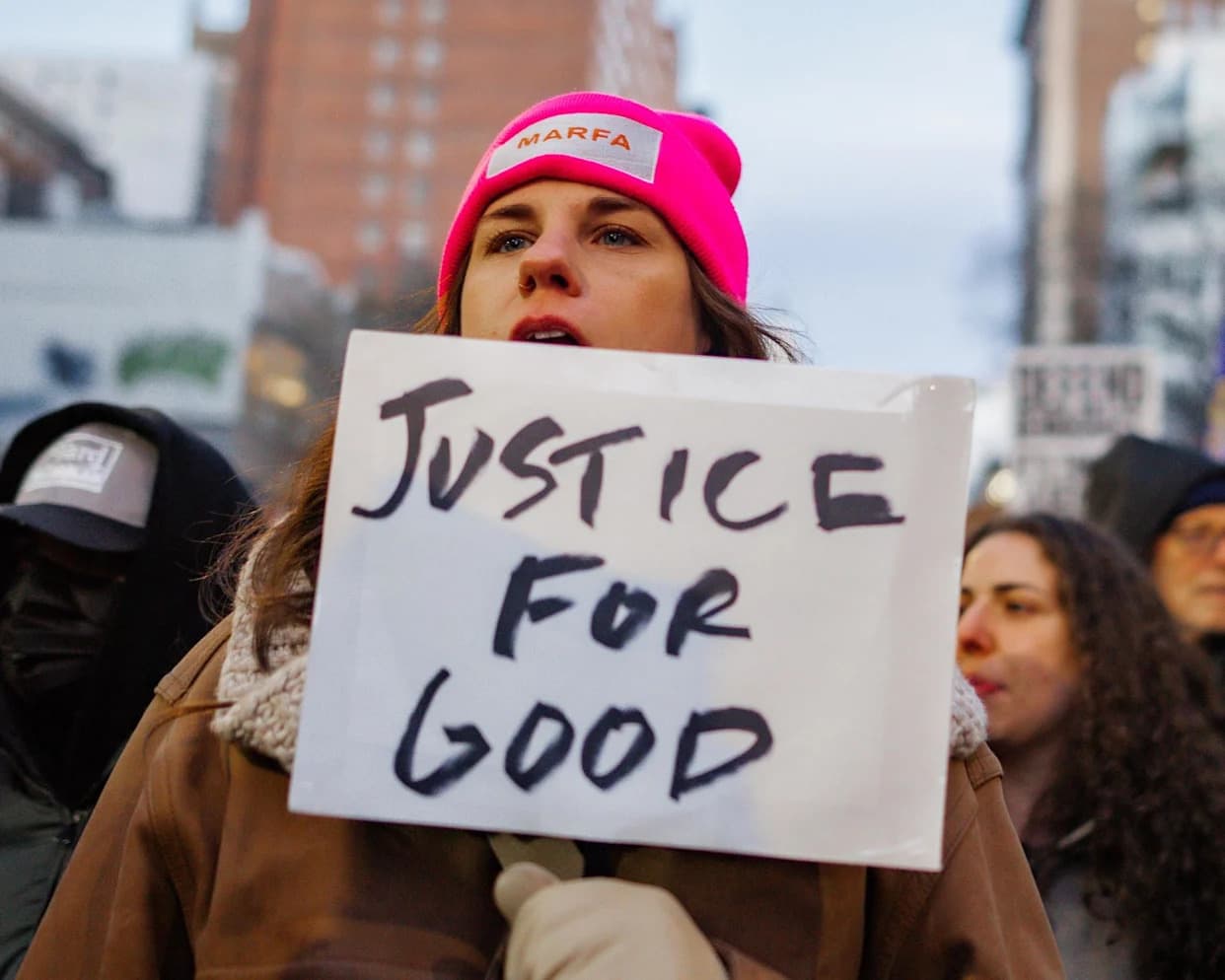
Former section lawyers expressed concern about the unit’s ability to investigate recent incidents that drew national attention, including the fatal shootings last month of Renee Good and Alex Pretti by federal immigration agents in Minneapolis. The DOJ has opened an investigation into Pretti’s death but has said there was no basis for a civil-rights probe into Good’s shooting. Critics say even preliminary federal inquiries can be important to establish facts and bolster public trust.
Public Data And Casework
Reuters’ analysis of federal court dockets obtained from Westlaw showed the number of people charged under the civil-rights statute most commonly used in federal excessive-force cases dropped by about 36% last year to 54 cases — the lowest total since 2020. As an example of shifting priorities, civil-rights prosecutors are handling a high-profile case against former CNN anchor Don Lemon and several others accused of disrupting a Minnesota church service that protested immigration enforcement.
Department Response
Justice Department spokesperson Natalie Baldassarre said the section expects to hire additional prosecutors and "continues to enforce our nation’s civil rights statutes aggressively and efficiently," citing recent prosecutions involving law-enforcement sexual assault and hate crimes. Baldassarre noted the section now includes more than 25 lawyers when combining trial attorneys, attorney advisers and supervisors, and emphasized that the section must "prioritize resources" because of its nationwide remit. At least five senior lawyers announced plans to leave earlier in the month, most accepting early-retirement offers.
“We evaluate each matter based on the merits without prejudice. Nothing within our statutory purview is off limits,” Baldassarre said.
Voices From Former Staff And Outside Critics
Some former prosecutors characterized the departures and the guidance as evidence of selective enforcement. Laura-Kate Bernstein, a former trial attorney who left DOJ in May, said, “The idea of a system where every vulnerable group is not protected equally by the rule of law is not a system I can be a part of from the inside.” Samantha Trepel, a former senior civil-rights official, called the retreat from routine federal investigation of police killings “anomalous” and emphasized that criminal civil-rights investigations remain an established route to accountability.
Harmeet Dhillon, the Trump-nominated head of the Civil Rights Division, has publicly encouraged some staff departures, saying career lawyers may be unwilling or unable to carry out the administration’s agenda. The criminal section was reportedly exempted from a deferred-resignation program that precipitated departures elsewhere in the division.
Why It Matters
Federal civil-rights investigations into law enforcement carry a high legal threshold for criminal charges, but they also produce comprehensive records that can clarify facts for the public and for victims’ families. Observers warn that sustained reductions in experienced staff and a narrowed mandate could weaken federal oversight of police misconduct at a time when such scrutiny is closely watched nationwide.
Reporting: The account above synthesizes interviews with seven former DOJ lawyers, Reuters’ analysis of federal court records, and public comments by Justice Department officials. Key names and figures cited reflect those sources' statements and department responses.
Help us improve.