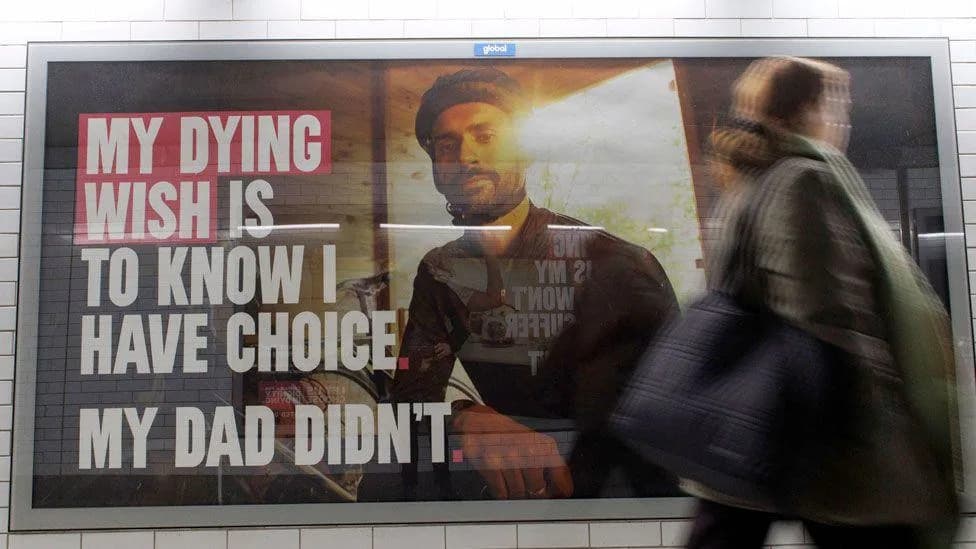
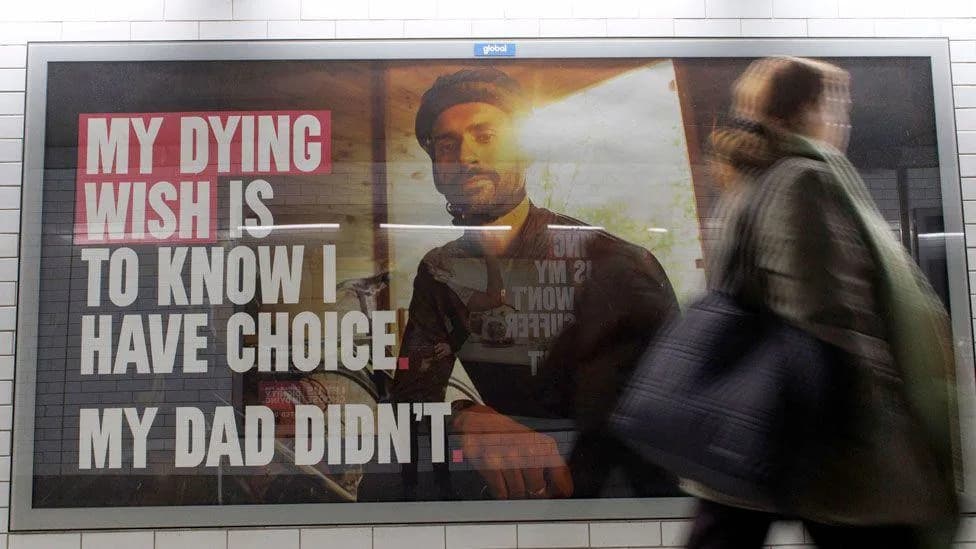
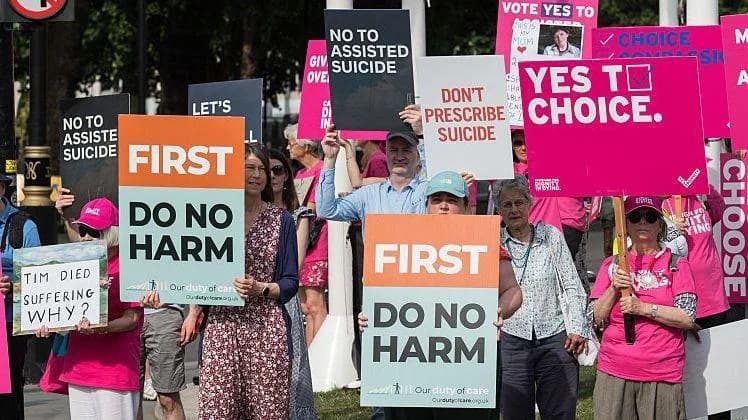
New York lawmakers approved a bill that will allow terminally ill patients with six months or less to live to request life-ending medication, making New York the 14th state to legalize medical aid in dying. The Assembly passed the measure 85-60 and the Senate passed it 34-28 after amendments negotiated with Gov. Kathy Hochul. New safeguards include a residency requirement, a recorded (video/audio) request, a five-day wait between prescription and dispensing, two physician evaluations and a mental health screening. The Department of Health has six months to write implementing regulations; advocates warn added safeguards could become barriers to access.
New York Set To Legalize Medical Aid in Dying After Decade-Long Fight
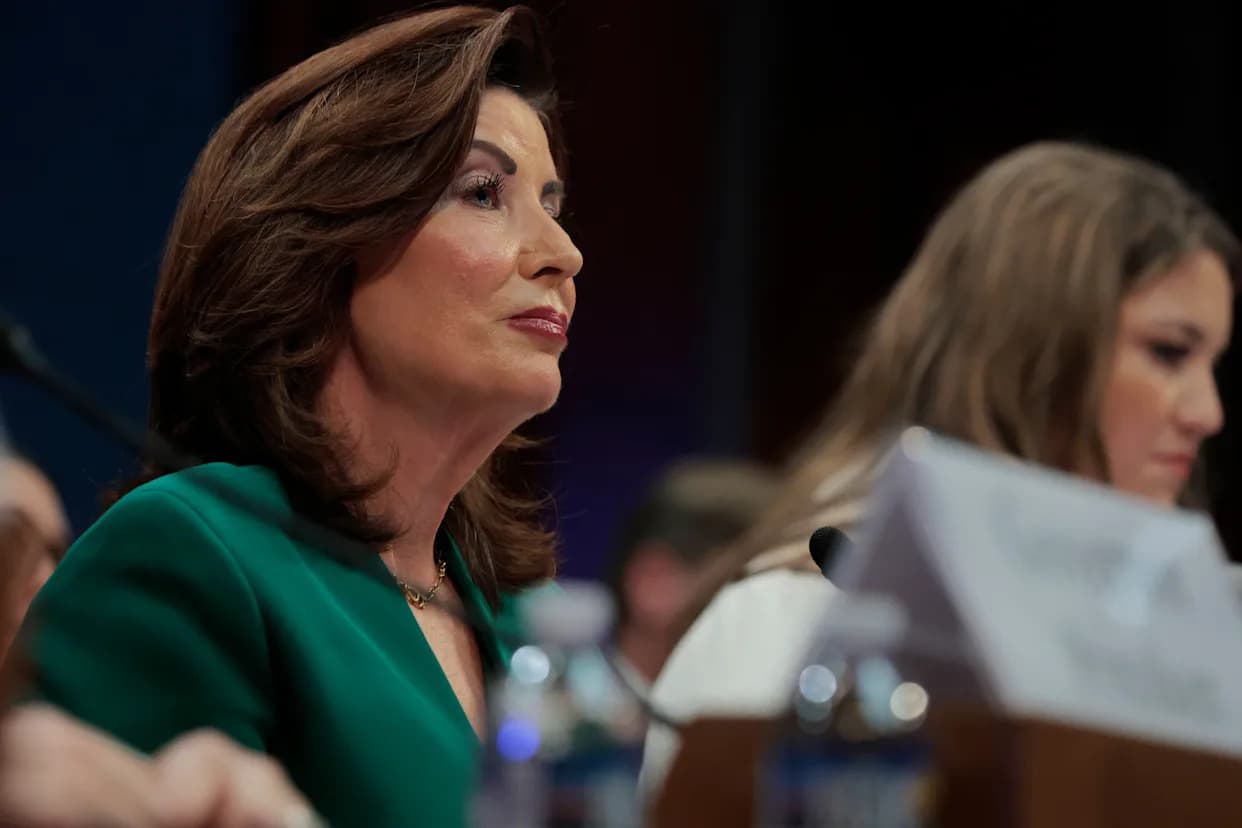
WASHINGTON, DC - JUNE 12: New York Gov. Kathy Hochul speaks during a hearing with the House Oversight and Accountability Committee at the U.S. Capitol on June 12, 2025 in Washington, DC. The committee held the hearing titled "A Hearing with Sanctuary State Governors" and questioned governors about their state immigration policies. (Photo by Anna Moneymaker/Getty Images)(Anna Moneymaker via Getty Images)
ALBANY, New York — In six months, terminally ill New Yorkers will be able to request life-ending medication, concluding a decade-long effort to pass medical aid in dying legislation.
New York will become the 14th state to legalize Medical Aid in Dying for patients with a prognosis of six months or less to live. Illinois and Delaware approved similar laws late last year.
The state Assembly and Senate approved amendments to the bill on Wednesday after the measure had narrowly cleared both chambers during last year’s legislative session. Following weeks of negotiations in December with then-sponsors Sen. Brad Hoylman-Sigal and Assemblymember Amy Paulin, Gov. Kathy Hochul pledged to sign the revised bill; she has until midnight on Friday to do so.
The legislation passed the Assembly by an 85-60 vote and the Senate by a 34-28 vote.
“It was the stories of family members who have seen the most important people in their lives just melt away and not be able to control that,” said Democratic Sen. Gustavo Rivera, who took over sponsorship from Hoylman-Sigal. “I've always believed that this was a thing that we needed to give people the ability to do, and there were additions to the bill that created safeguards that go far beyond what other states do, based on concerns that we had heard.”
Key Amendments And Safeguards
Lawmakers and the governor agreed to a package of safeguards that restrict access to patients with a prognosis of six months or less and add several provisions that some advocates consider among the most restrictive in the nation.
- Residency Requirement: Patients must be New York residents to qualify.
- Recorded Request: Patients must submit a video or audio request for the medication.
- Waiting Period: There is a five-day waiting period between when a prescription is written and when it can be filled.
- Medical Evaluations: Two physician evaluations are required, plus a mental health assessment by a psychologist or psychiatrist.
- Witness/Interpreter Restrictions: Anyone who stands to benefit financially from a patient’s death cannot serve as a witness or interpreter.
Lawmakers' Reactions
The debate remained emotional and bipartisan. Many legislators said they appreciated the negotiated amendments but still opposed the bill, arguing the changes did not go far enough or introduced new concerns.
“The chapter amendment in several instances does reflect some of the concerns in the debate,” Republican Assemblymember Mary Beth Walsh said on the Assembly floor. “I think there are certain things in the chapter amendment that I do like, but I continue to voice my opposition.”
Walsh and other critics raised questions about medication storage, the details of implementation, and whether the new procedures might create barriers for eligible patients.
Implementation And Oversight
Gov. Hochul negotiated a six-month implementation period for the state Department of Health to draft regulations and guidance for how the law will be implemented. Advocates and watchdog groups say they will closely monitor the rulemaking process to ensure safeguards do not become undue obstacles to access.
“Our role between now and six months from now is public awareness,” said Corinne Carey, senior campaign director for Compassion & Choices. “Beyond that, we’re going to be monitoring the requirements that have been put in place to ensure that they do not become insurmountable barriers to care.”
The Department of Health will be responsible for promulgating regulations covering prescription, storage, dispensing and oversight of the medication during the implementation period.
Correction: An earlier version of this report misspelled Corinne Carey and Mary Beth Walsh’s names.
Help us improve.