Margaret Marsilla says her 26-year-old son, Kiano Vafaeian, who had type 1 diabetes, partial blindness and depression, died under Canada’s MAiD programme on Dec. 30 despite not having a terminal illness. Ms Marsilla previously prevented a 2022 MAiD attempt and is pursuing accountability, saying the system chose death over care. Changes since 2016 and 2021 broadened MAiD eligibility, and a planned 2027 expansion to include mental disorders has heightened safeguarding concerns. Experts note a surge in cases logged as "other," and critics call for clearer definitions and stronger protections for vulnerable people.
‘They Chose Death Over Care’: Mother Condemns 26-Year-Old’s Death Under Canada’s MAiD
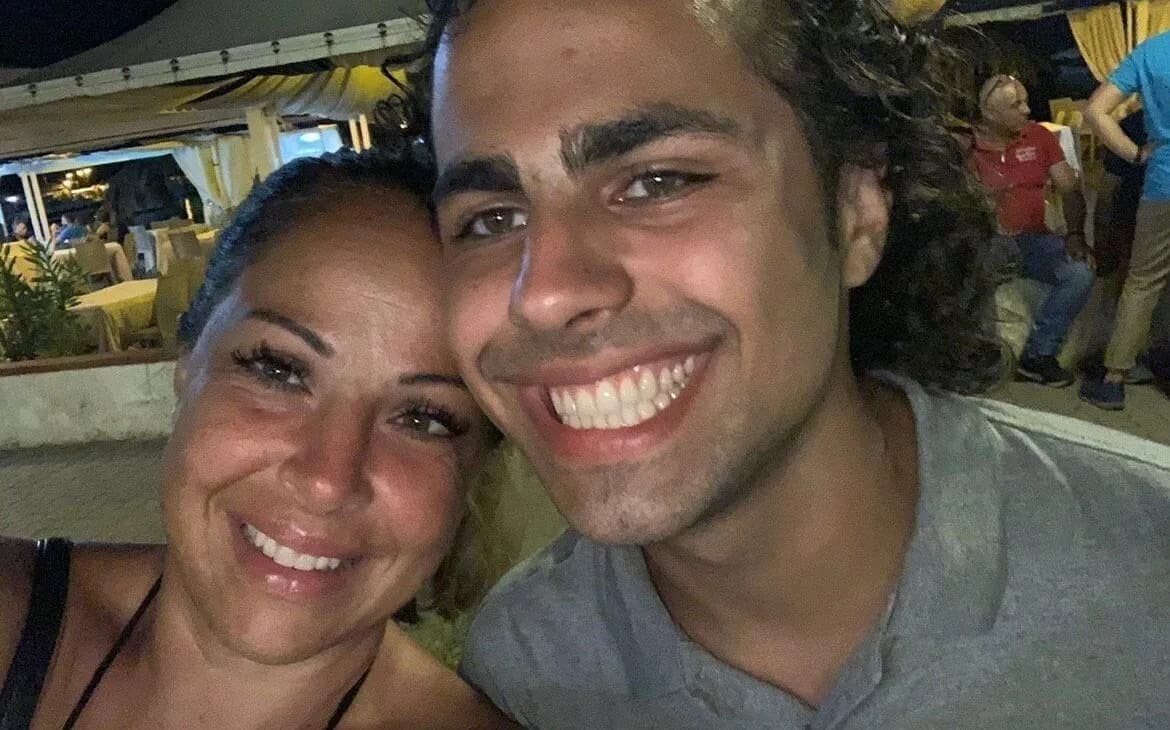
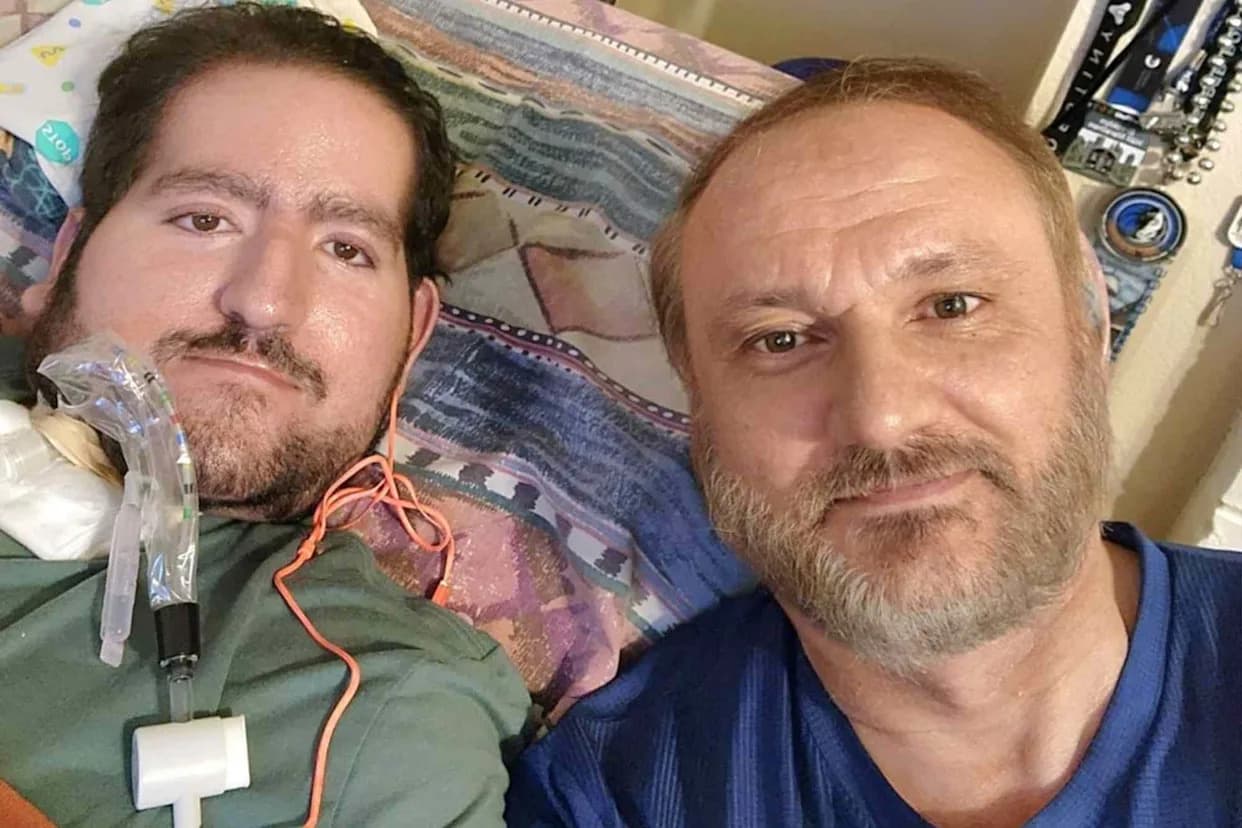
Kiano Vafaeian with his mother, Margaret Marsilla. She said his death on was ‘disgusting on every level’ - Margaret Marsilla
A 26-year-old man with type 1 diabetes, partial blindness and depression died under Canada’s Medical Assistance in Dying (MAiD) programme on Dec. 30, his mother says — and she is demanding accountability.
Kiano Vafaeian was approved for MAiD despite not having a terminal illness, according to his mother, Margaret Marsilla. Ms Marsilla says she previously stopped an attempted assisted death for her son in 2022 and publicly criticised clinicians involved. She has described his death as "disgusting on every level" and urged a fight for stronger safeguards for vulnerable people.
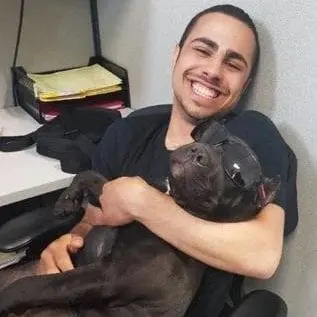
Kiano Vafaeian had type 1 diabetes, partial blindness and depression - Margaret Marsilla
“This is not healthcare. This is a failure of ethics, accountability, and humanity,” Ms Marsilla wrote on social media. “No parent should ever have to bury their child because a system – and a doctor – chose death over care, help or love.”
Timeline And Family Account
Ms Marsilla says that in September 2022 she learned her then-23-year-old son had been scheduled for physician-assisted death; after public outcry the doctor withdrew from the case. She also says Kiano’s mental health had recently been improving: he accepted financial support from his mother, was saving for a trip they planned together, and had begun personal training.
According to the family, Kiano travelled to a resort in Mexico on Dec. 15 and returned to Vancouver two nights later. On Dec. 29 he texted relatives that he was scheduled to receive medically assisted death the following day. His death certificate lists antecedent causes as blindness, severe peripheral neuropathy and diabetes.
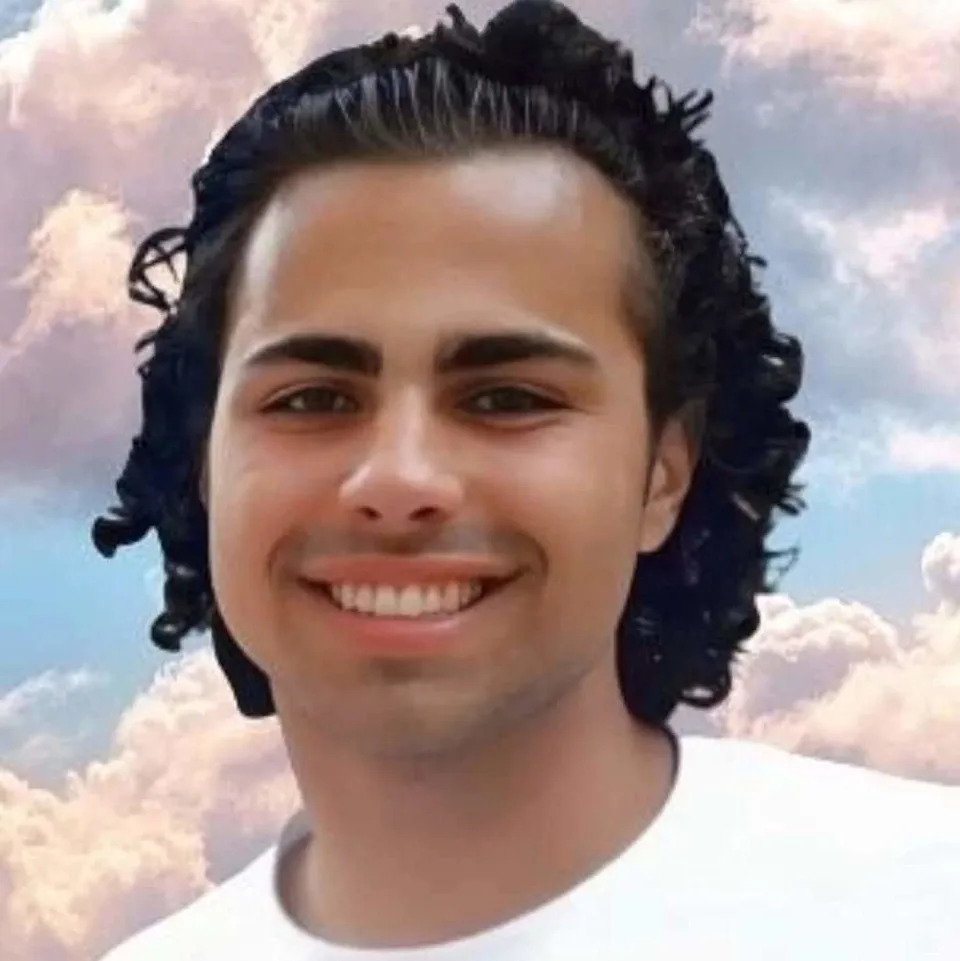
Kiano Vafaeian was approved for Canada’s euthanasia scheme despite his mother’s protests
Broader Context And Controversy
MAiD was legalised in Canada in 2016 for adults with serious, incurable physical illnesses that cause intolerable suffering. In 2021 Ottawa removed the requirement that a person be terminally ill, expanding eligibility to some people with chronic illness or disability. The federal government has signalled a further expansion in 2027 to permit MAiD where a person’s primary suffering is from a mental disorder.
Critics say the widened eligibility has driven a substantial rise in assisted deaths and raised ethical and safeguarding concerns. Canada now records one of the highest assisted-dying rates in the world — around one in 20 deaths — and the fastest-growing category is recorded as "other" rather than classic terminal illnesses. Sonu Gaind, a psychiatry professor at the University of Toronto, told the Free Press that MAiD deaths logged in the "other" category nearly doubled between 2022 and 2023, reaching 4,255.

Kiano Vafaeian’s mother posted on social media following his death. She claimed his mental health was improving and that they had planned to go travelling
Medical bodies in the UK and elsewhere have similarly warned that proposed assisted-dying laws must define terminal illness clearly and include robust protections to prevent coercion of vulnerable people. Ms Marsilla has said she intends to seek accountability from the MAiD physician involved in her son’s case, alleging the doctor exploited a loophole to approve the procedure.
The case has intensified debate about how to balance individual autonomy with the protection of people who are vulnerable because of disability, illness or mental health problems.
Help us improve.