New York is facing one of its coldest stretches since 1960: 17 people have died and at least 13 deaths were linked to hypothermia. The city says roughly 800 people experiencing homelessness have been escorted indoors, and Mayor Zohran Mamdani declared Code Blue and relaxed shelter rules. Outreach workers report that mistrust, mental‑health challenges and fears about shelter safety complicate efforts, so the city has also deployed charter buses as temporary warming sites.
Deadly Cold Tests New York’s Response as Homeless Face Life‑or‑Death Choices
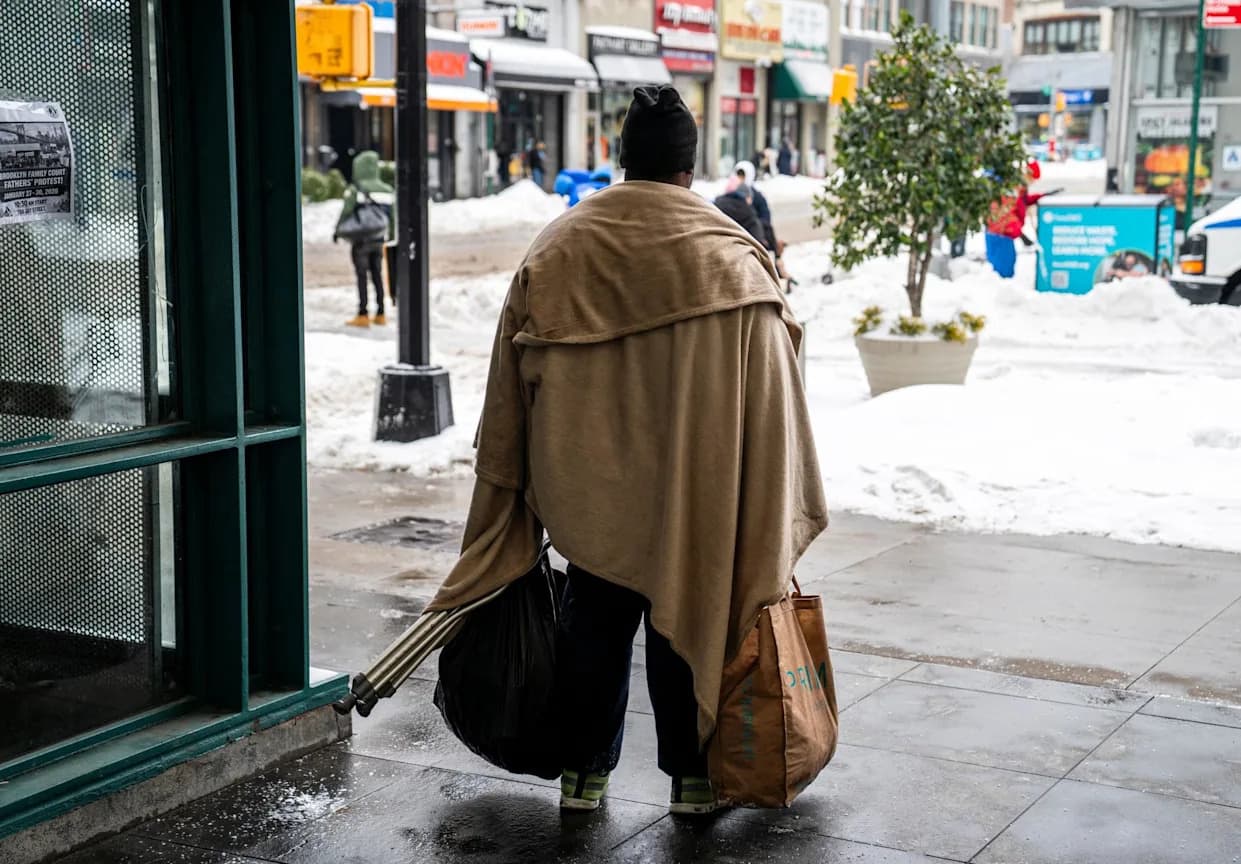
A man holding his belongings looks out from a subway station 26 January 2026 in the Brooklyn borough of New York City.Photograph: Robert Nickelsberg/Getty Images(Photograph: Robert Nickelsberg/Getty Images)
At the corner of 23rd Street and Fifth Avenue in Manhattan, beneath the Flatiron building, two outreach workers from the nonprofit the Bridge were trying to persuade several homeless men to come indoors as dangerously low temperatures gripped the city.
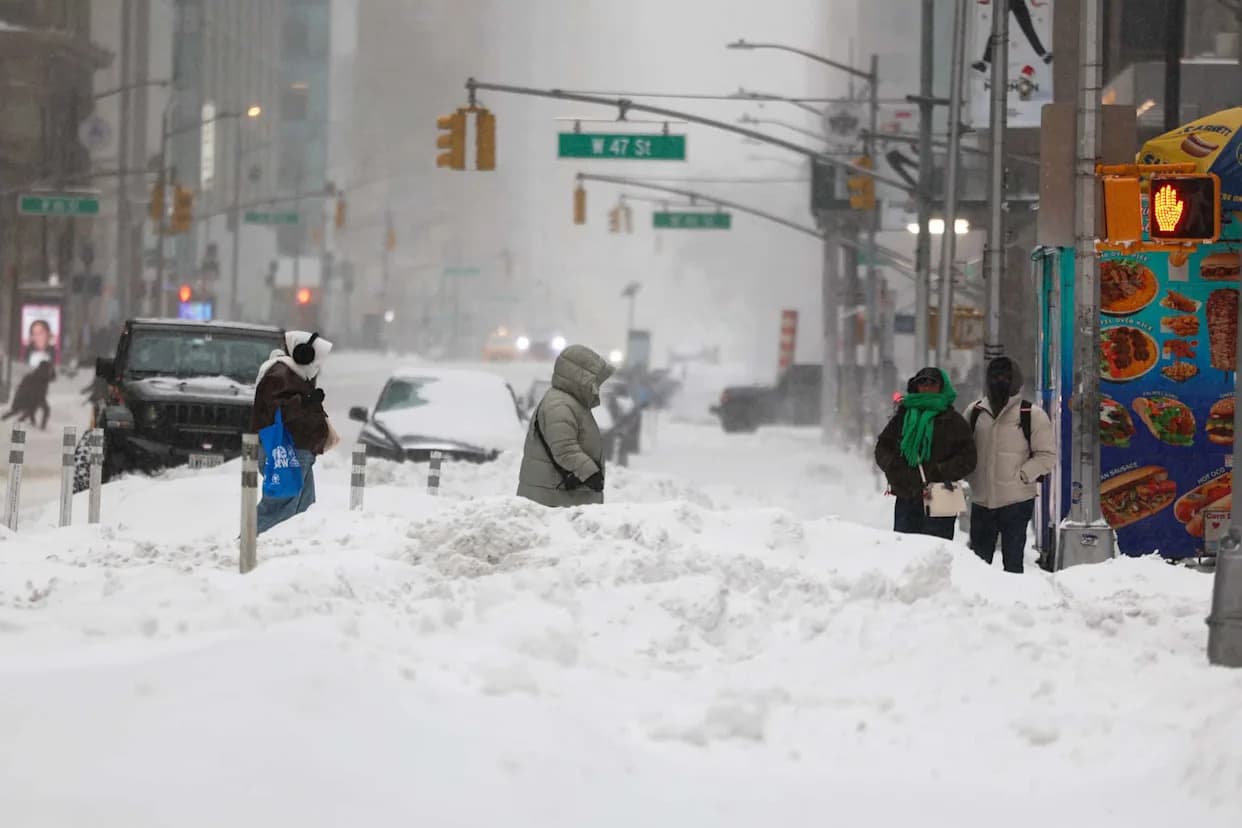
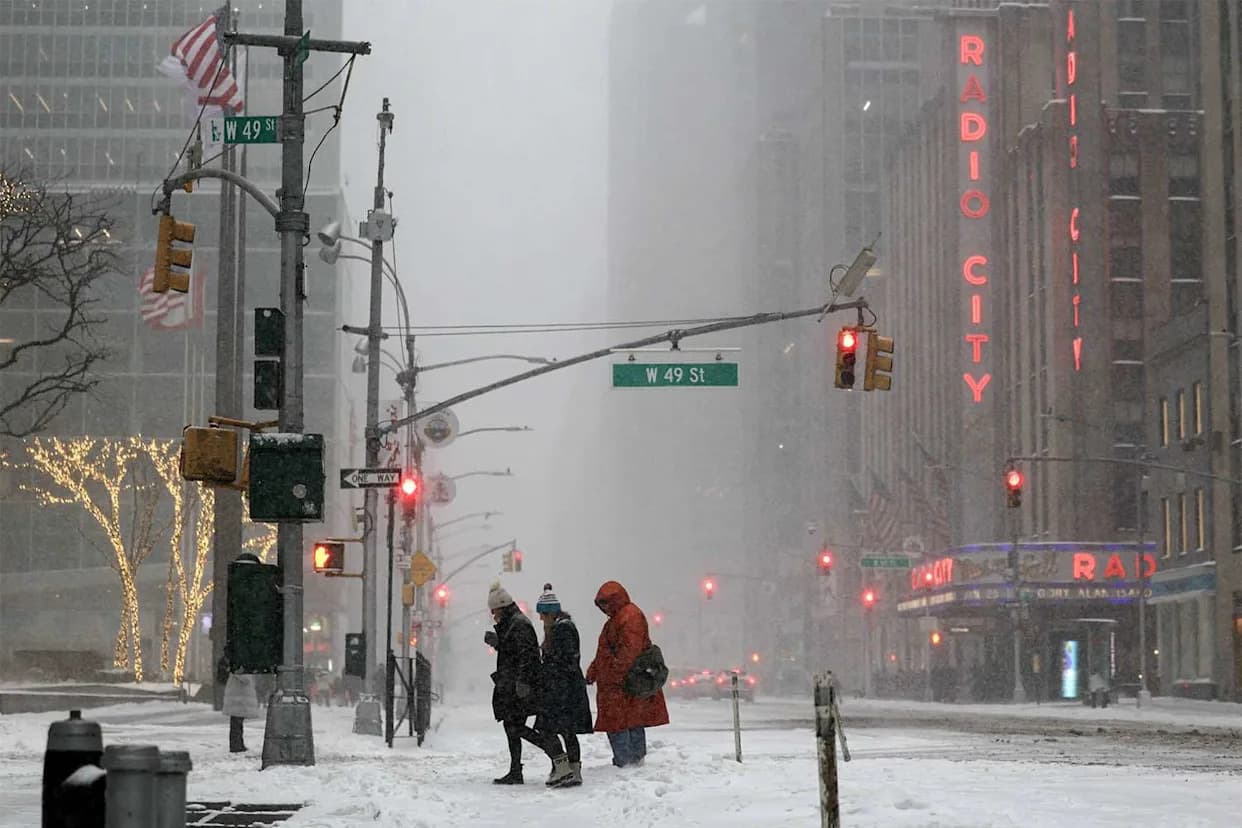
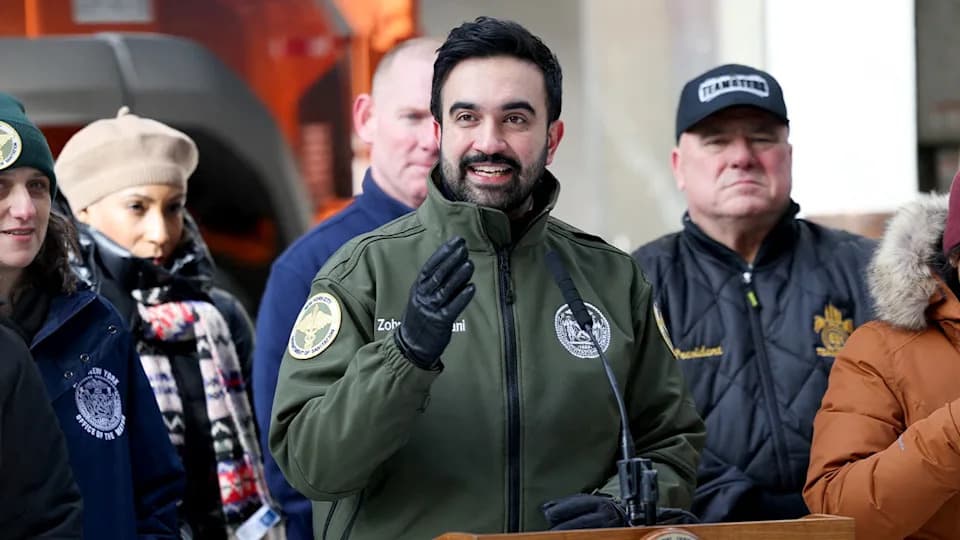
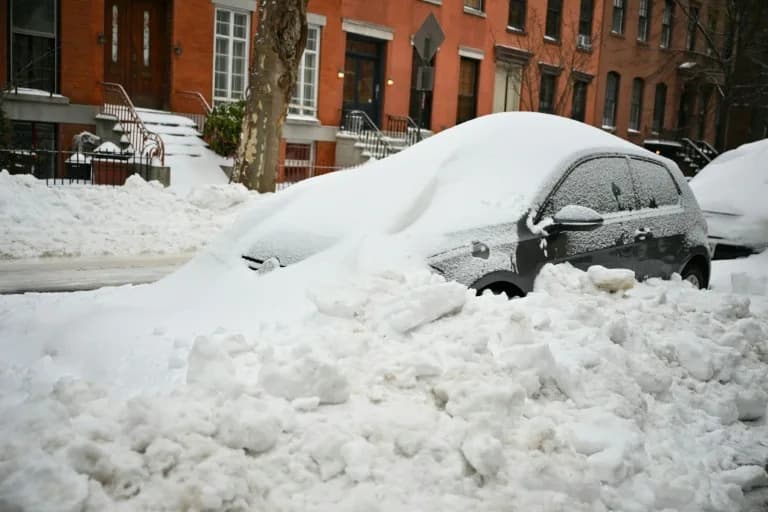
New York is enduring one of its longest runs of subzero weather since 1960. Seventeen people have died during the freeze, and officials say at least 13 of those deaths were linked to hypothermia. The city reports roughly 800 people experiencing homelessness have been escorted inside, with Mayor Zohran Mamdani saying, “we have been taking every possible measure to get New Yorkers inside. This has been a full all-hands-on-deck approach.”
As temperatures were forecast to fall again, Mamdani warned the days ahead could be “too cold and too dangerous to survive.” So far, 27 people have been taken into care after outreach teams judged them a danger to themselves or others — a decision sometimes based on the state of their clothing.
Outreach Work on the Front Lines
Preventing fatalities is challenging: outreach teams confront not only extreme cold but also stretched resources and, frequently, untreated mental illness. Many people sleeping outside distrust official services or avoid shelters they consider unsafe.
One man approached by Bridge staff claimed to be the half-brother of actor Harry Belafonte and asserted links to other celebrities. Attempts to convince him to go to one of the city’s long-term shelters, safe havens, drop-in centers or other supported facilities did not succeed — many people interpret offers of help as threats, and experienced workers know that a direct suggestion can backfire.
“You’ve got to have patience. You have to see them more than once, more than twice, it might even take 10 times for them to even acknowledge you,” said Giovanny Martinez, 29, a volunteer with the Bridge. “On the first encounter, you just need to show your face with a ‘hey, how are you?’”
Martinez and other outreach workers emphasize small acts of trust-building: handing out hand warmers, socks, toiletries, snacks and emergency blankets, and repeatedly visiting the same people. They also avoid triggering language or formal intake procedures that can recall past trauma, incarceration, or psychiatric hospitalization.
Policy Responses and Controversies
On 19 January the city declared Code Blue because of the extreme cold. That directive requires that shelters cannot turn anyone away, prevents police from forcing people out of subway stations if they are seeking refuge, and sends outreach teams to canvass neighborhoods, prioritizing vulnerable unsheltered individuals. Non-emergency 311 calls are being routed to 911.
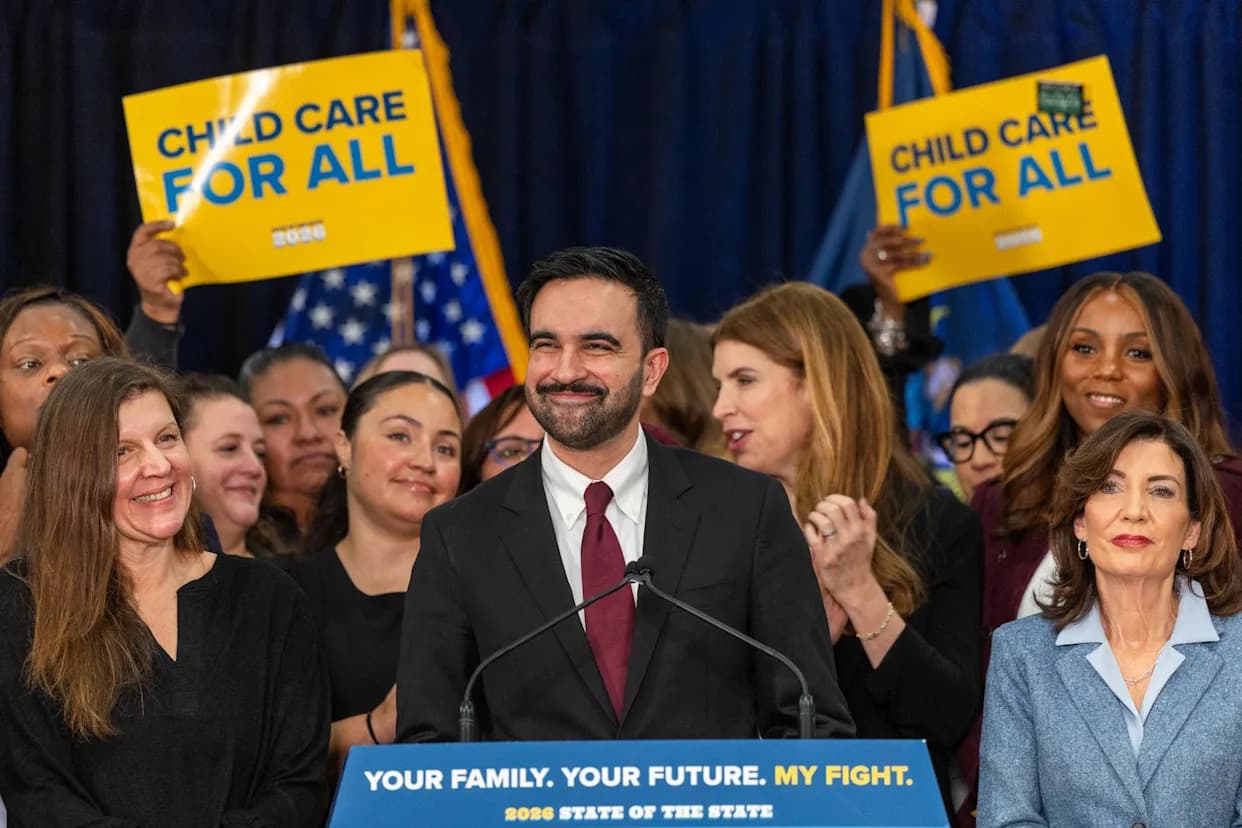
Mayor Mamdani ordered that encampments around the city not be dismantled, a move that has ignited a political debate. Supporters argue leaving encampments in place can preserve informal social networks and make people less likely to refuse help; critics say allowing encampments to remain enables dangerous, unsanitary conditions and may increase fatalities.
“Being homeless shouldn’t be a death sentence,” said Queens borough president Donovan Richards. Editorial voices have disagreed on tactics: some call encampment sweeps a life‑saving measure, while others warn that aggressive clearances can push people into even more precarious places.
Practical Short-Term Measures
The city has also been trialing charter buses as warming drop-in sites. On Friday, one bus had 14 people on board by dawn. Buses act as overflow for nearby shelters and offer an alternative for people unwilling to enter formal shelter settings.
Many decline shelters because of past theft, fear of losing belongings, perceived violence, or barriers such as lack of identification or active substance use. When outreach workers encounter people who clearly refuse help and appear to have serious mental-health needs, non-profits can escalate cases to 911 to secure care.
“When it’s this temperature a blanket or gloves really doesn’t do much good,” said Sheryl Silver, the Bridge’s chief program officer. “By allowing more people to come inside by reducing the rules and eligibility criteria they seem to be completely focused on getting people inside and off the streets in whatever way they can.”
Human Stories and a Call to Action
Back near the Flatiron, outreach worker Marcos Bello emphasized the importance of relationship-building. “You have to engage. Try to start a relationship. If you don’t have that it can be very complicated. You have to be a role model,” he said. Martinez added that outreach teams try to humanize people who are otherwise ignored by millions of passersby.
Mamdani has urged residents to help by reporting people exposed to the cold: “As the city does its part, I’m asking you, New York City, to do yours. If you see someone out in the cold, call 311, so we can get them help.”
The crisis exposes the limits of emergency measures in the face of long‑term problems — mental health, addiction, affordable housing and trust between unsheltered people and service providers — and shows why outreach teams say sustained, patient engagement is essential to save lives.
Help us improve.