The Trump administration has taken steps to shift how media covering the military operate, including plans to bring Stars and Stripes under closer Pentagon oversight and coordinating coverage through sympathetic correspondents. CBS reportedly aired an unedited interview with Donald Trump after a demand from the White House press secretary, and the president indicated he might issue a directive to protect the Army–Navy football broadcast slot. Observers warn these moves could test legal limits and threaten press independence.
Team Trump Tries To Tighten Control Over Media — Stars and Stripes, CBS And Army‑Navy Broadcasts
As many service members and veterans know, Stars and Stripes is a long-established military newspaper that has billed itself for generations as the "U.S. military's independent news source." That independence has allowed the paper editorial freedom similar to civilian outlets, even when its reporting displeased Pentagon officials.
Pentagon Moves To Reorient Coverage
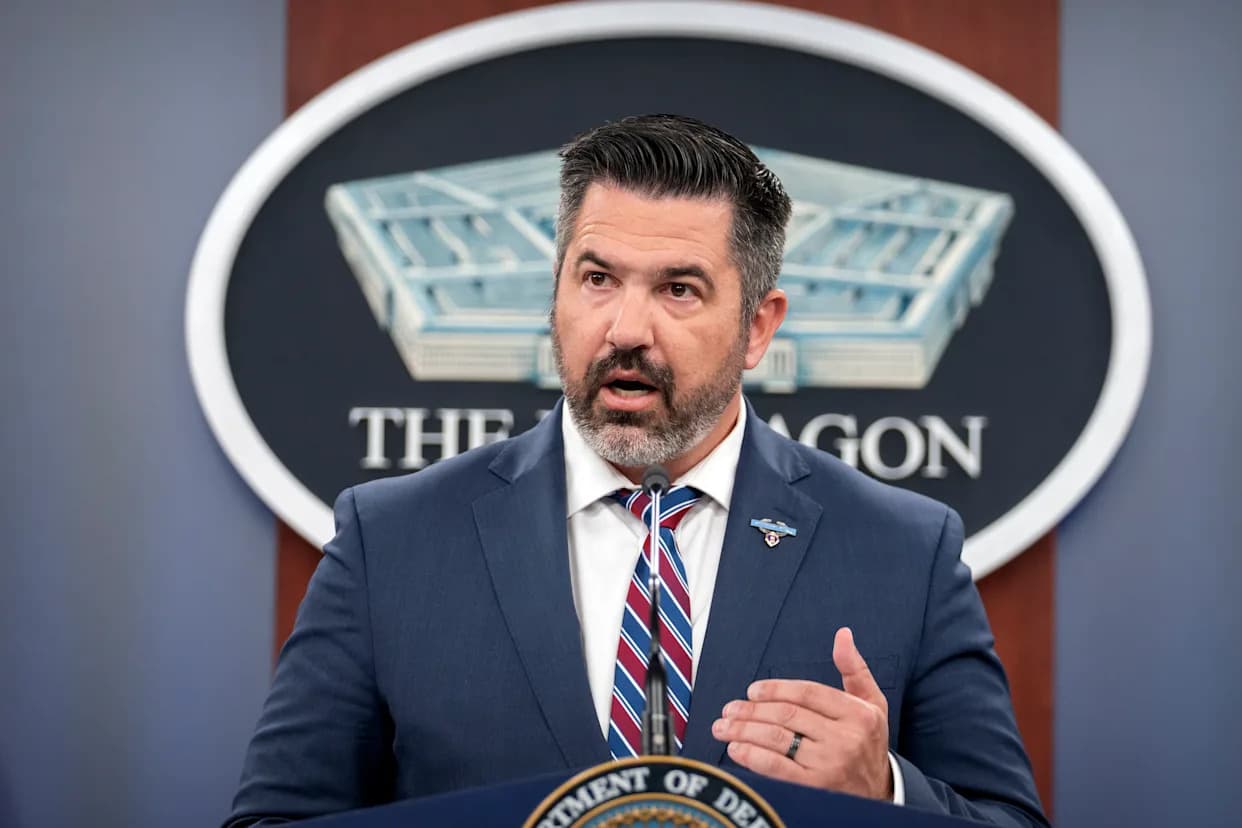
Against that tradition, the Defense Department under President Donald Trump announced plans to bring Stars and Stripes under closer Pentagon control and align its coverage with official department messaging. The New York Times reported the Pentagon said it would "modernize its operations" and "refocus its content away from woke distractions that syphon morale."
"We will modernize its operations, refocus its content away from woke distractions that syphon morale, and adapt it to serve a new generation of service members," Sean Parnell, the Pentagon's chief spokesman, wrote on X.
Coordinated Media Strategy And Related Incidents
The move followed a Pentagon briefing with a group of conservative correspondents who reportedly agreed to cover the Department of Defense in ways more favorable to the administration. Critics say that approach risks eroding the paper's editorial independence.
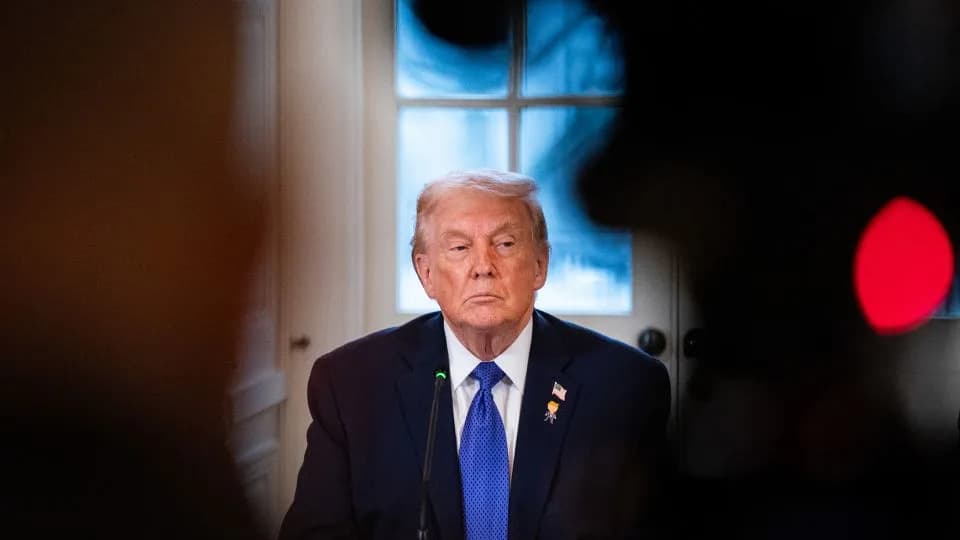
Within days of the Stars and Stripes announcement, two other developments raised additional concerns about influence over media outlets. Reports indicated CBS News aired an unedited interview with Donald Trump featuring anchor Tony Dokoupil after a demand from White House press secretary Karoline Leavitt, who had reportedly threatened legal action if the network did not comply.
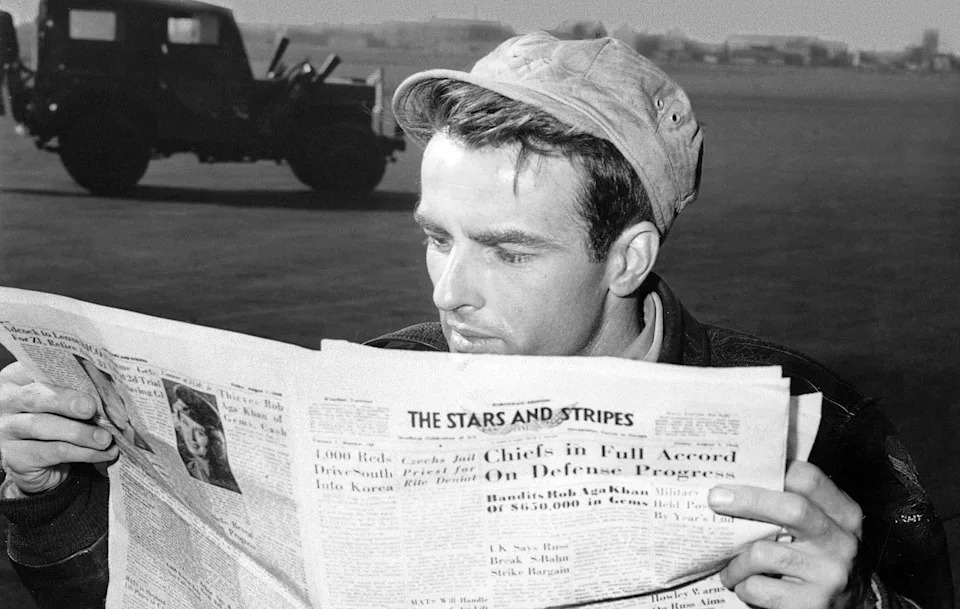
American actor Montgomery Clift reading a copy of 'The Stars and Stripes' in Berlin circa 1950.(Pictorial Parade / Archive Photos/Getty Images)
The president also said he intended to issue an executive directive asking television networks not to schedule other college football games opposite the annual Army–Navy game — a proposal media experts say would likely exceed presidential authority.
Legal And Press-Freedom Concerns
Observers say the three episodes together suggest an administration intent on exerting greater influence over media institutions. "With a stroke of a pen, the President will assert a power that any television programmer in history would have killed for," Jeffrey Cole, director of USC Annenberg's Center for the Digital Future, told The Washington Post. "While the goal may be commendable (at least for Army–Navy), ... he has no legal power of enforcement."
Taken together, these developments raise questions about legal limits and the future of press independence for outlets that cover the military and other public institutions.
Note: This article summarizes reporting from The New York Times and other outlets about recent Pentagon and White House actions.
Help us improve.