A 12‑foot, 1,009‑pound female great white named Ernst was tagged in Mahone Bay, Nova Scotia, on Oct. 4, 2025, and has traveled 3,217 miles in 118 days. She most recently pinged off the Mississippi coast on Jan. 30. Researchers say it is uncommon for a white shark to surface so close to the Alabama shore and view the sighting as a potential sign of healthy regional biodiversity. Follow her route on Ocearch’s Global Shark Tracker for live updates.
1,009‑Pound Great White 'Ernst' Surfaces Unusually Close to Alabama After 3,217‑Mile Migration
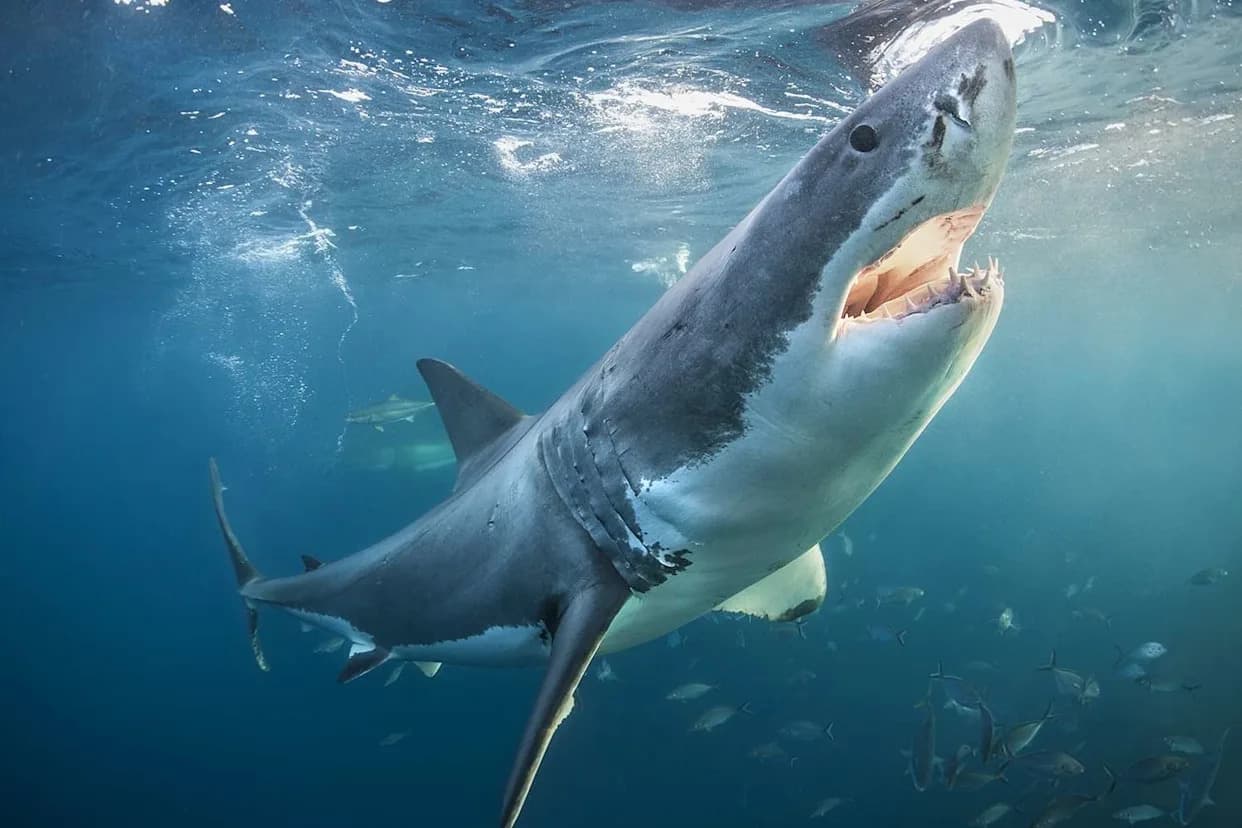
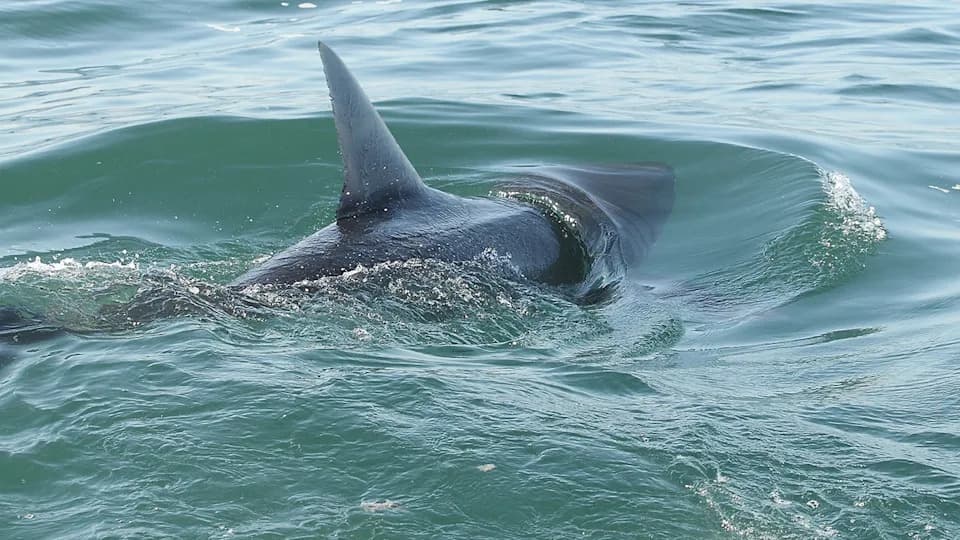
Stock image of a great white sharkGetty
A massive great white shark nicknamed Ernst has captured attention after surfacing unusually close to Alabama’s shore following a long migration from Nova Scotia into the Gulf of Mexico.
Tracking the Journey
Researchers with the non‑profit Ocearch first tagged the 12‑foot, 1,009‑pound female in Mahone Bay, Nova Scotia, on Oct. 4, 2025. Classified as a sub‑adult (the stage between juvenile and full adult), Ernst has been tracked continuously by satellite tags that register each time she breaks the surface.
According to Ocearch’s data, Ernst traveled down the Eastern seaboard into the Gulf of Mexico, covering 3,217 miles in 118 days. The most recent ping before publication placed her off the coast of Mississippi in the early hours of Jan. 30.
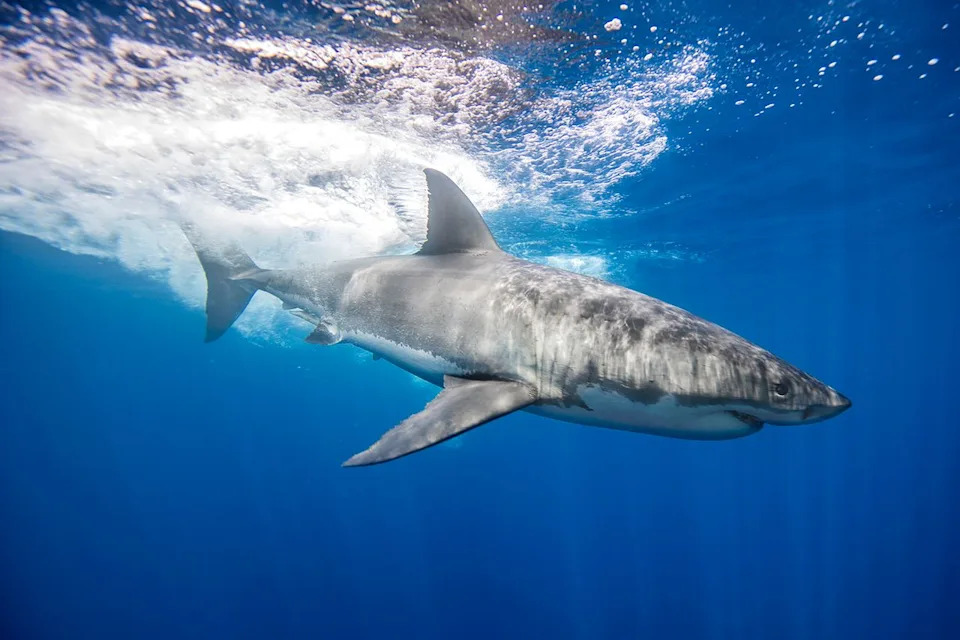
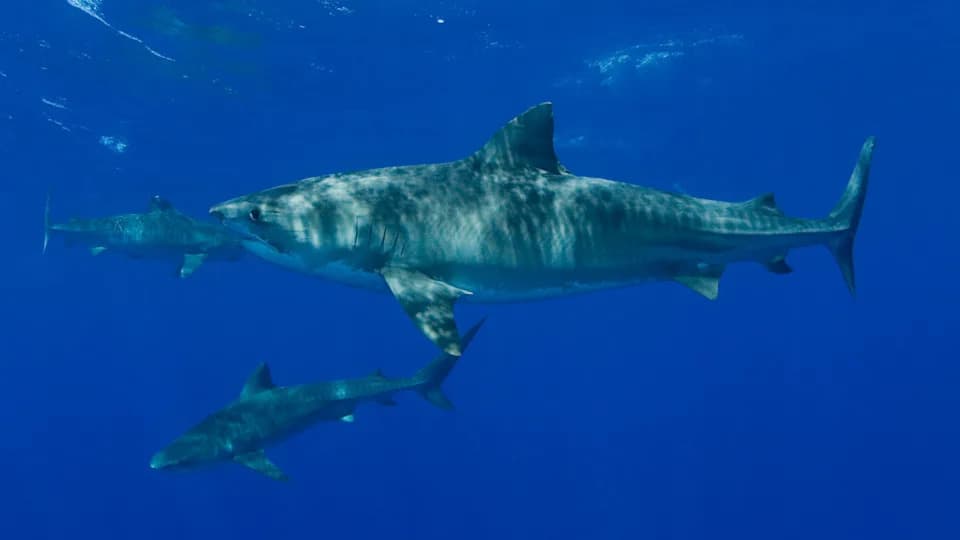
Stock image of a great white sharkGetty
Why Her Nearshore Surfacing Matters
While long migrations are not uncommon for white sharks, researchers say it is unusual for a great white to surface so close to the Alabama shoreline. Ocearch founder Chris Fischer described the sighting as "kind of unusual," noting that most tagged white sharks in this section of the Gulf are typically found well offshore, near the continental slope.
"She has really moved into one of the farther parts of where we see them as moving west," said Chris Fischer. "For the majority of the sharks, this is pretty far reach."
John Tyminski, a data scientist with Ocearch, emphasized that seeing a white shark "within a few miles of shore is certainly less common" and underlines the need to better understand what drives these apex predators' movements.
Ecological Signal
Fischer called Ernst’s nearshore appearance a positive sign for the region, suggesting it indicates strong local biodiversity. "These white sharks don’t come where the ocean is highly compromised," he told reporters, linking the sighting to healthier marine conditions in that part of the Gulf.
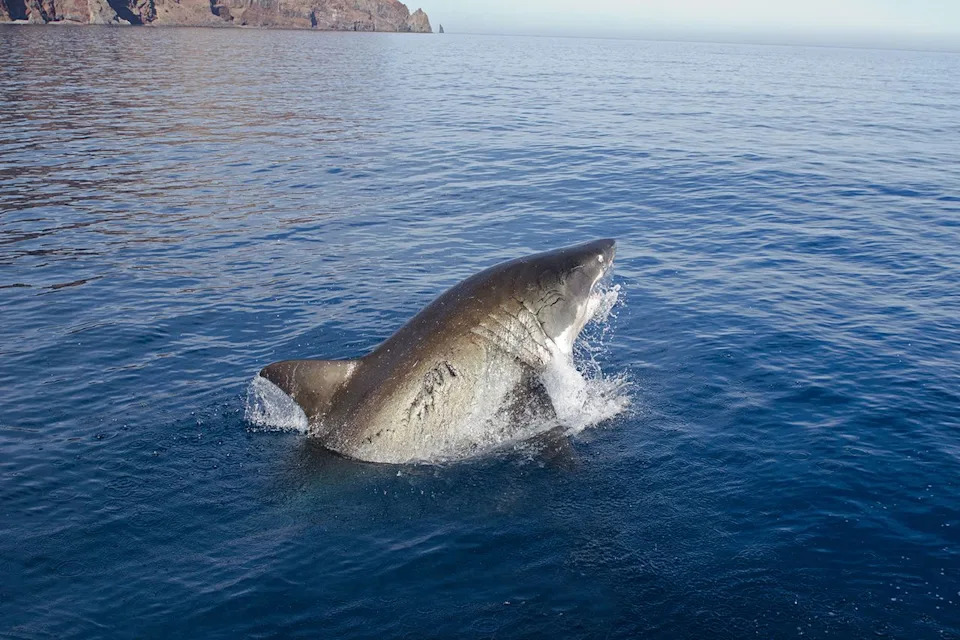
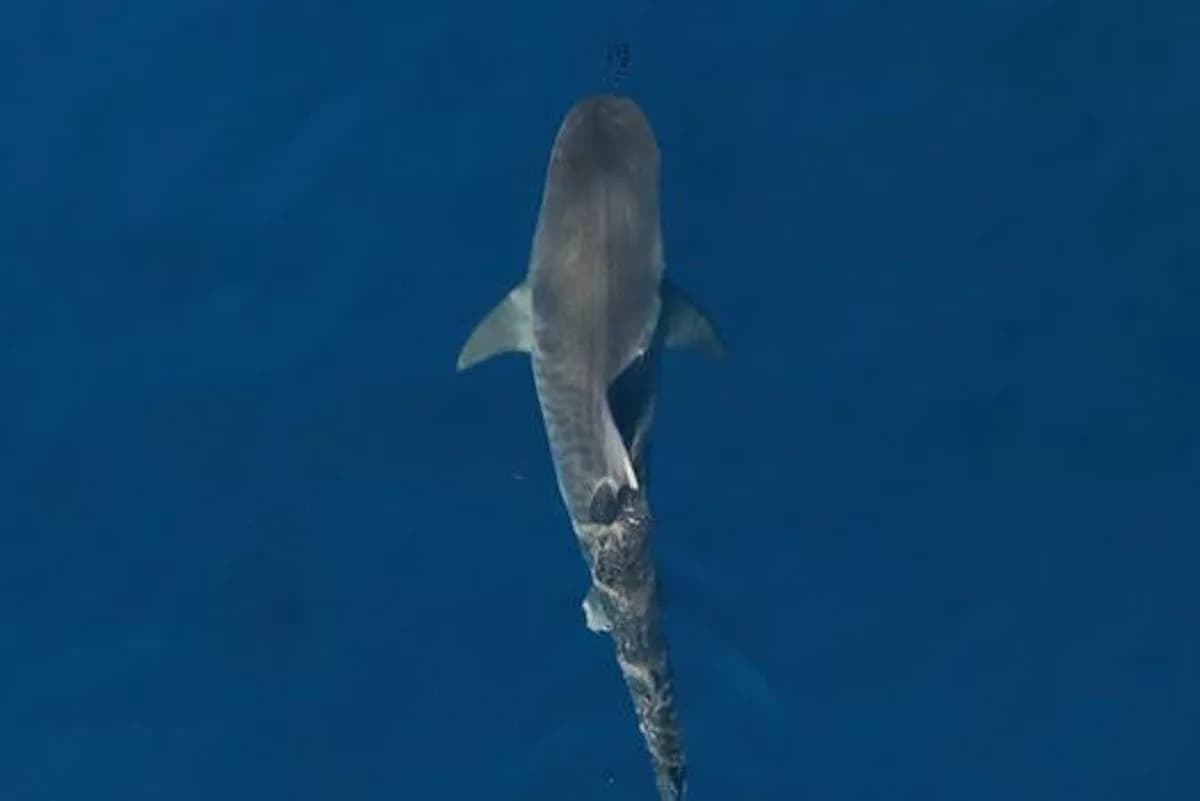
Stock image of a great white sharkGetty
Name and Community Connection
Ocearch reports that the name Ernst was chosen by Team Tancook in honor of the ferry William G. Ernst, which has connected Big and Little Tancook Islands to the Nova Scotia mainland since 1982. The name celebrates the ferry’s role in supporting local community life and resilience.
Fans and researchers can follow Ernst’s ongoing movements and view real‑time pings on Ocearch’s Global Shark Tracker.
Data and quotes sourced from Ocearch and SWNS reporting.
Help us improve.