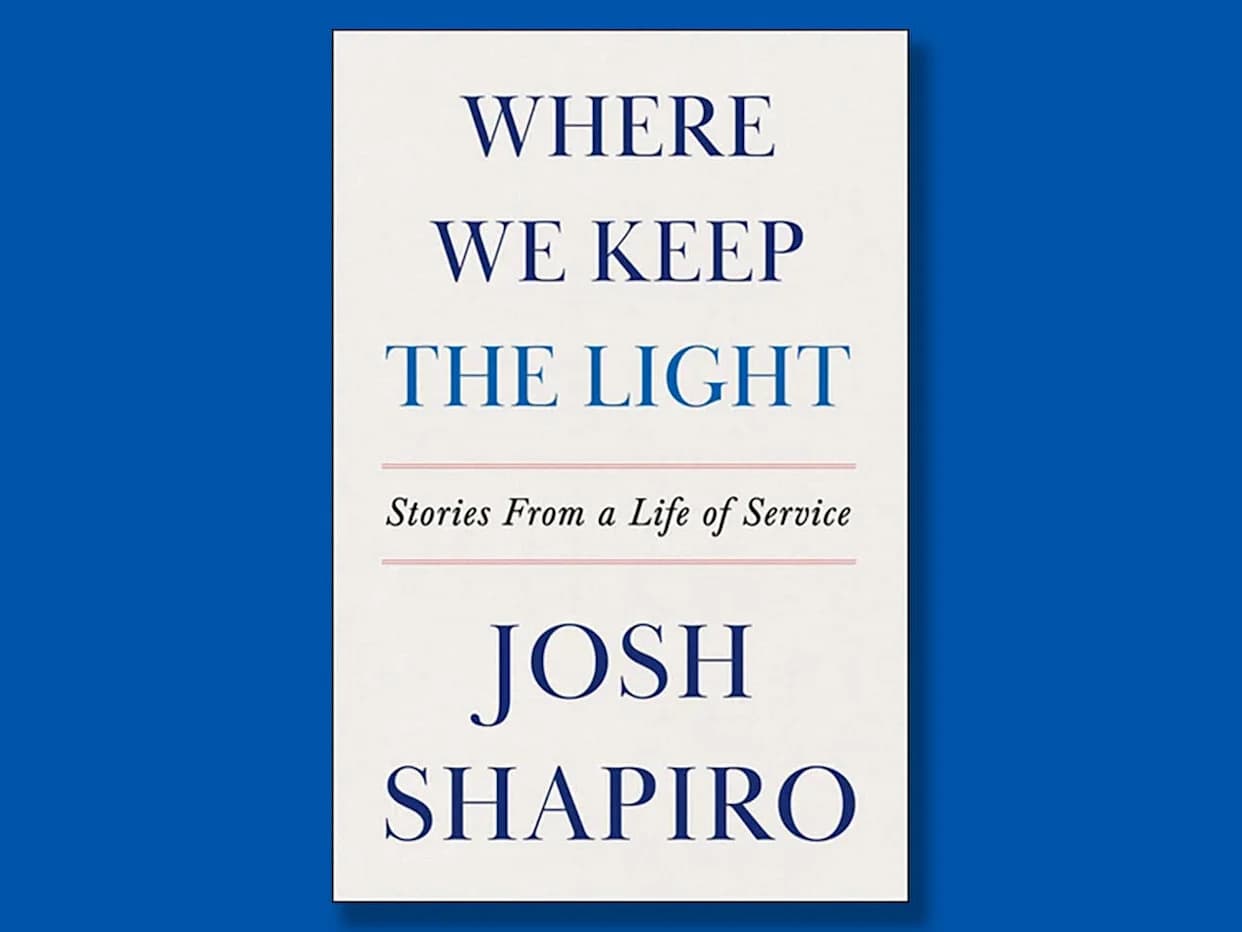
Governor Josh Shapiro's memoir, Where We Keep the Light, explores his upbringing in the Beth Sholom Synagogue community, the influence of his parents, and his mother's struggles with mental illness. The book opens with the April 2025 arson attack on the governor's residence and the difficult conversations it prompted with his children about political violence. Campaigning for re-election and viewed as a potential 2028 contender, Shapiro calls for universal condemnation of political violence and criticizes recent presidential immigration enforcement as performative.
Josh Shapiro’s Memoir: Faith, Family Struggles and a Stark Warning About Political Violence
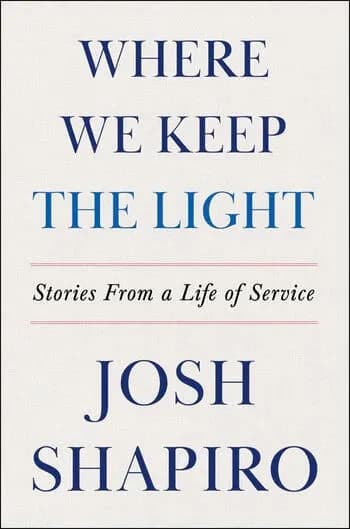
/ Credit: Harper
Pennsylvania Governor Josh Shapiro describes returning to Beth Sholom Synagogue in Elkins Park — the congregation he has attended since childhood — as a deeply meaningful moment. He recalls going to services with his parents: his father, a pediatrician, and his mother, a teacher and community activist, both of whom he credits with shaping his commitment to public service.
In his new memoir, Where We Keep the Light: Stories from a Life of Service (HarperCollins), Shapiro opens up about parts of his childhood he had not previously discussed publicly. He writes candidly about his mother's struggles with mental illness and the chaotic episodes at home that left a lasting impression. "There were moments where a switch could be flipped, and there'd be a lot of yelling and a lot of chaos and a lot of tumult in the house," he recalls, describing how as a child he often retreated to his room to escape the turmoil.
Hard Conversations After an Arson Attack
The memoir begins with a harrowing account of an arson attack on the governor's official residence in April 2025. The fire occurred hours after Shapiro and his family had conducted a Passover seder; the governor and his family were asleep upstairs when the attack happened. In the aftermath, his son Ruben asked whether someone had tried to kill their family because they were Jewish — a question Shapiro describes as especially painful and difficult to answer.
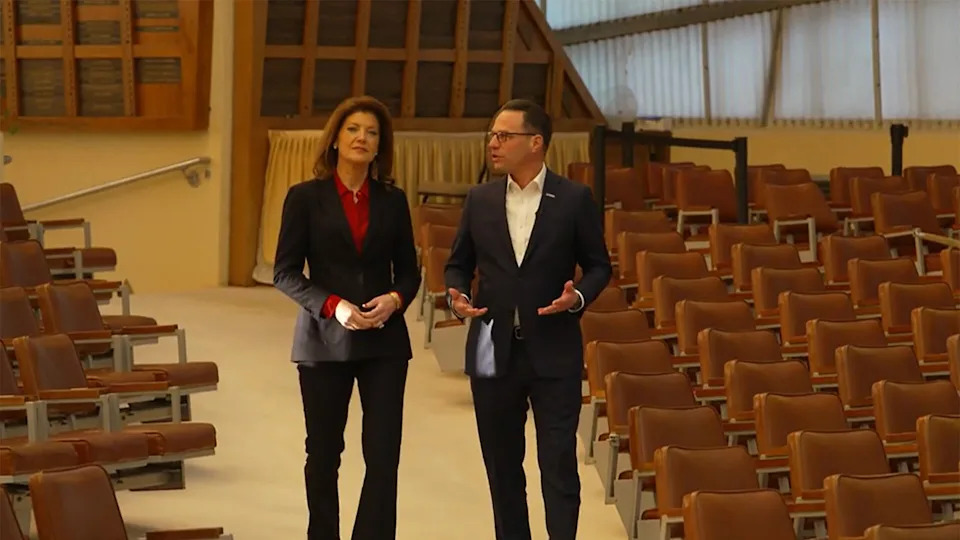
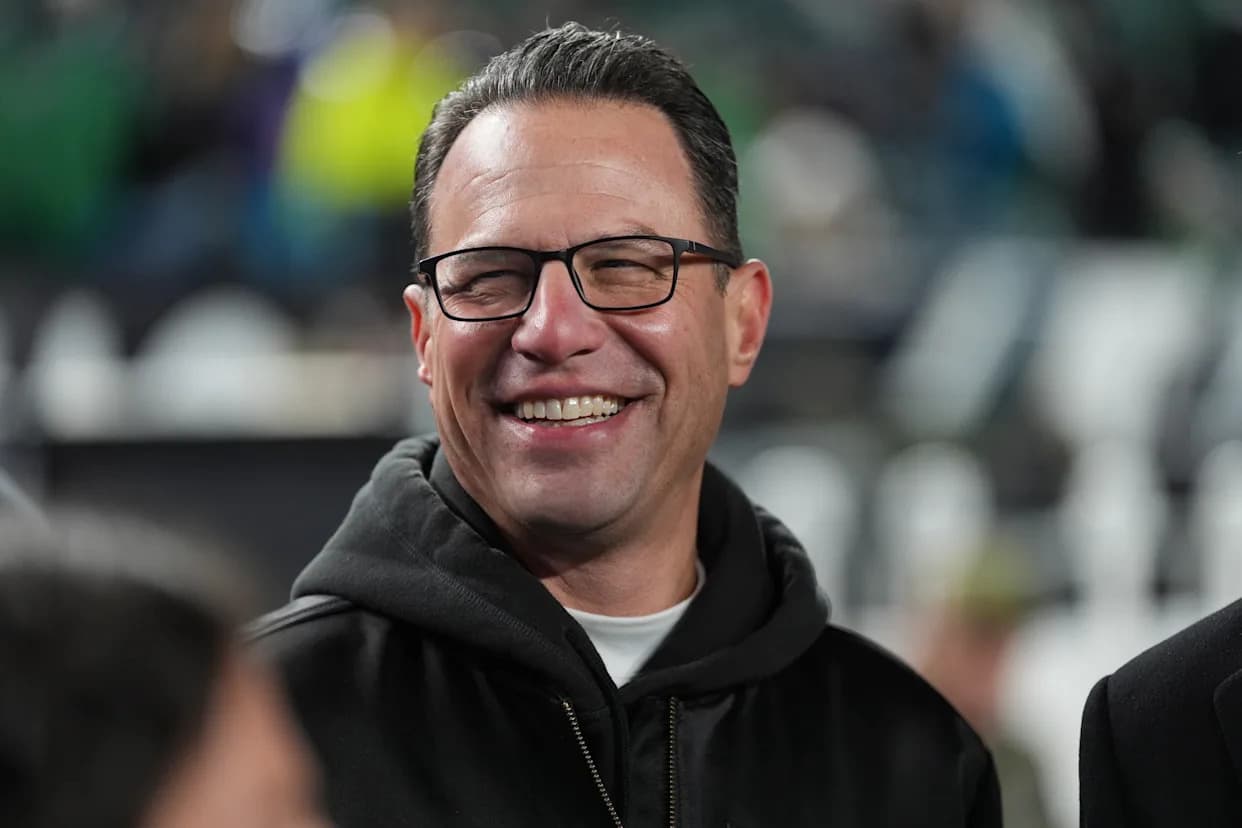
CBS News' Norah O'Donnell with Pennsylvania Governor Josh Shapiro, at Beth Sholom Congregation in Elkins Park, Pa. / Credit: CBS News
"We had to have some honest, tough conversations with our kids about what political violence is all about, and how it's designed to maybe target one person, but affect a broader swath of people based on a particular characteristic, perhaps in this case, our faith," Shapiro writes. "What I really hope for every day is that kids stop having to worry about that — not just my kids, but all people..."
Shapiro links that attack to a broader rise in political violence in the U.S. He says the problem has worsened in recent years and that the only way forward is for leaders across the political spectrum to condemn political violence unequivocally.
A Role in Shaping the Democratic Party’s Future
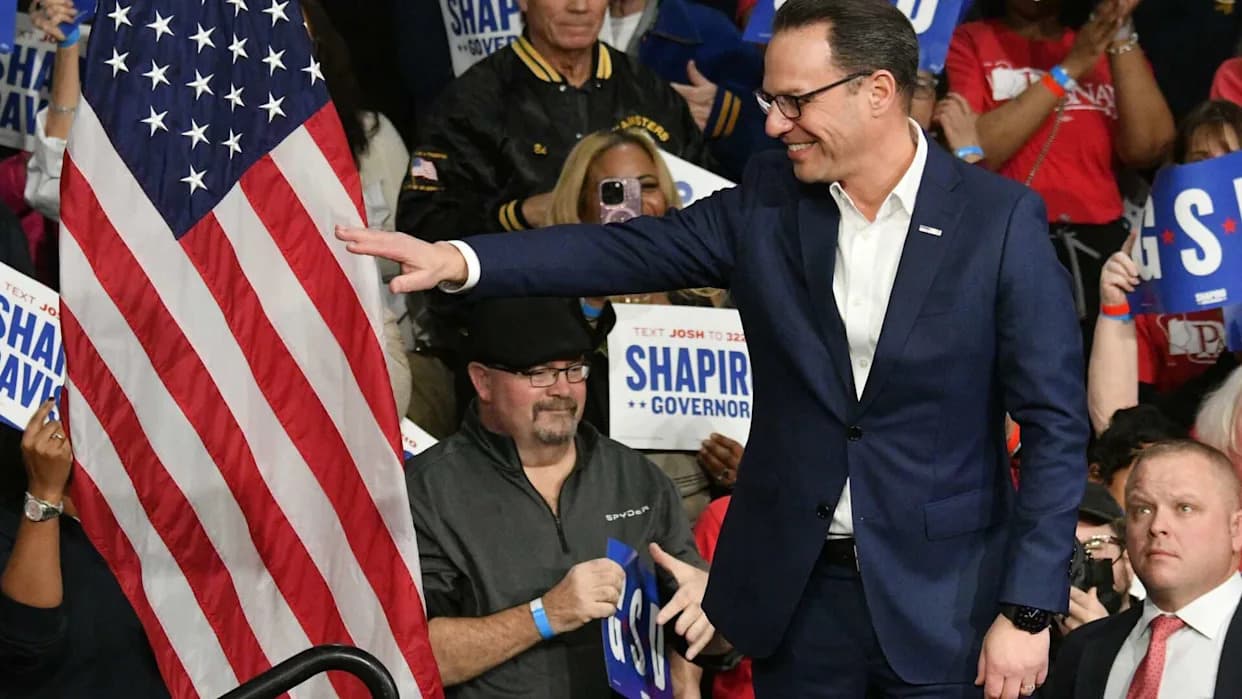
This year Shapiro is campaigning for re-election as governor of Pennsylvania, and he is widely discussed as a potential contender for the Democratic presidential nomination in 2028. He tells readers he believes the Democratic Party has strong values but that it currently lacks a single national messenger who can unite and consistently deliver an electoral message.
"People are hoping there will be one person every day who will be the clear alternative to Donald Trump or the singular voice of the Democratic Party," he says. "That one person certainly does not exist right now. And that's okay, because there are wonderful Democrats who are governors, mayors and members of Congress doing very good work each day. Their efforts are helping to shape and define a new generation of the Democratic Party."
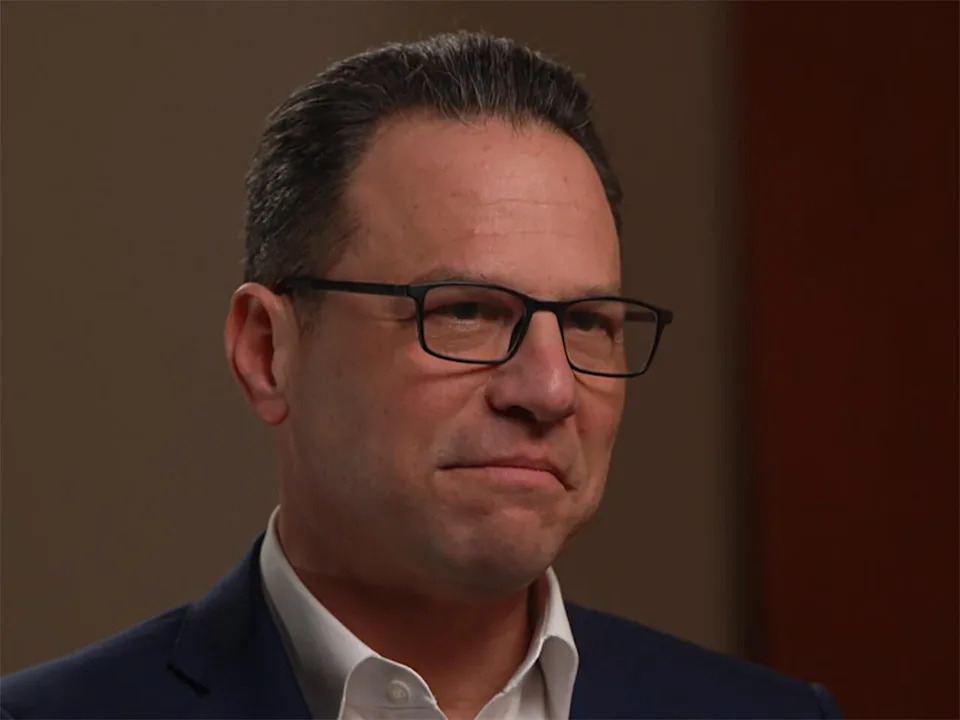
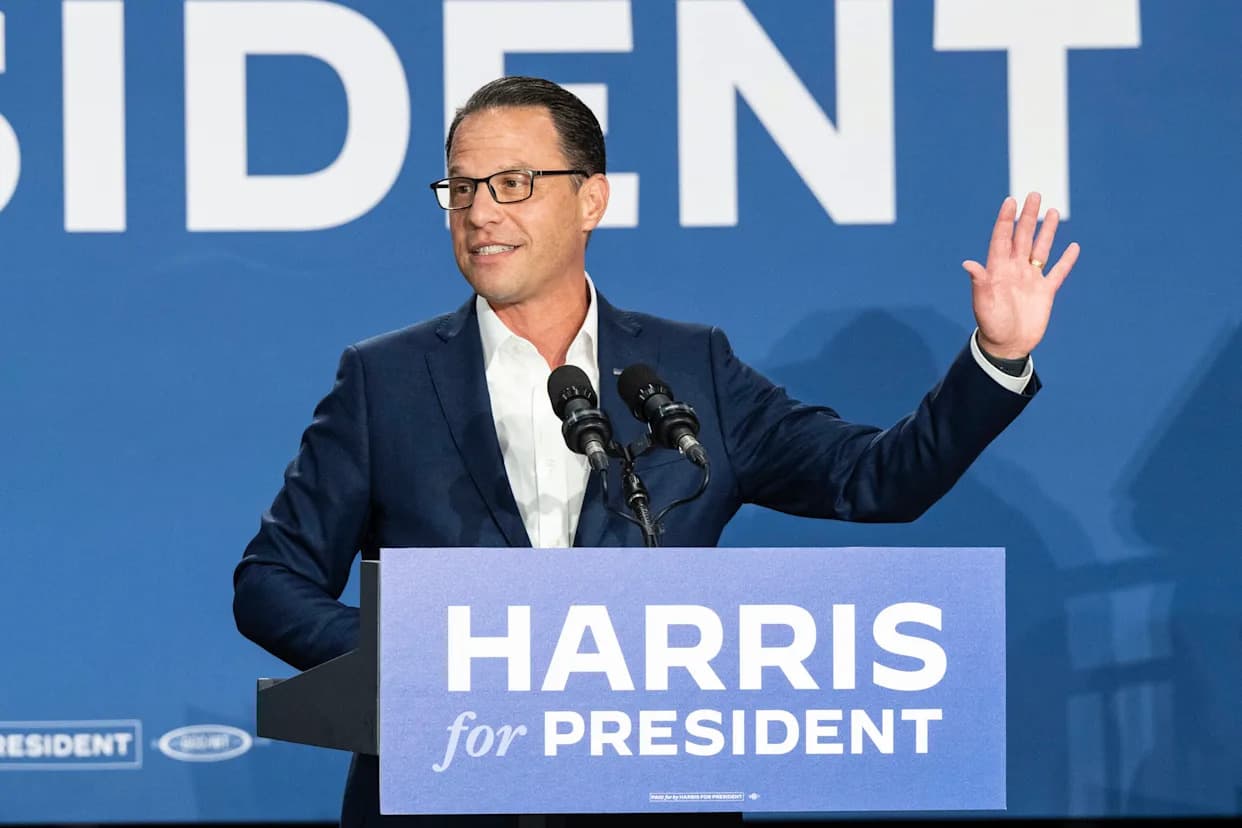
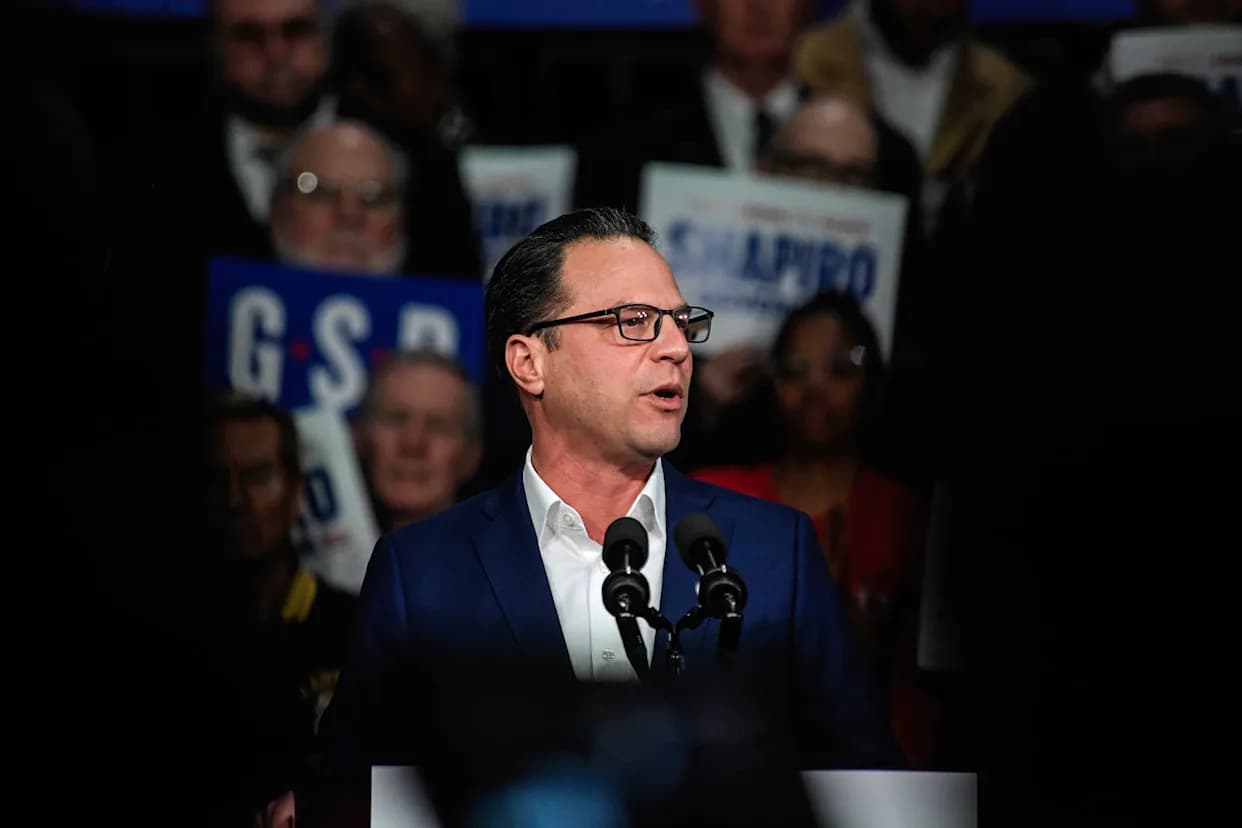
Pennsylvania Governor Josh Shapiro. / Credit: CBS News(CBS News)
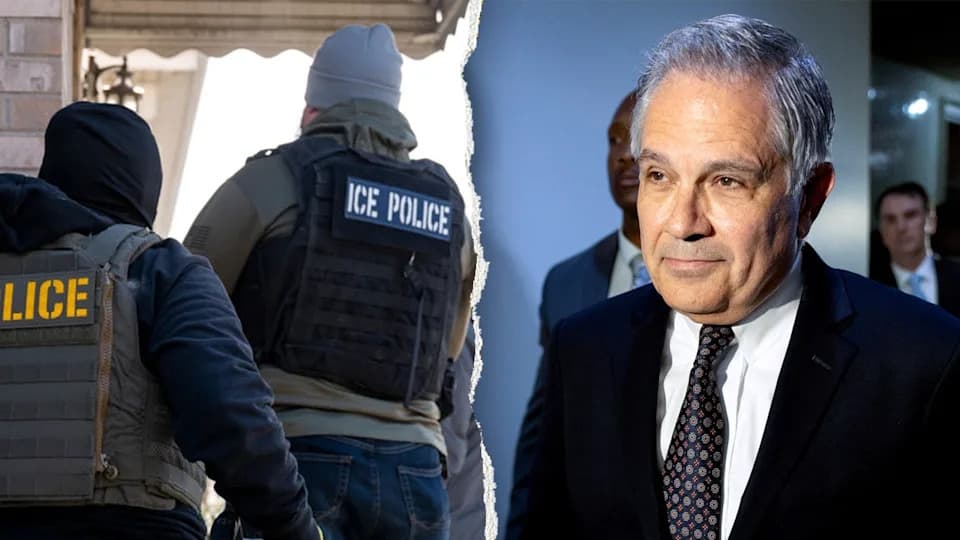
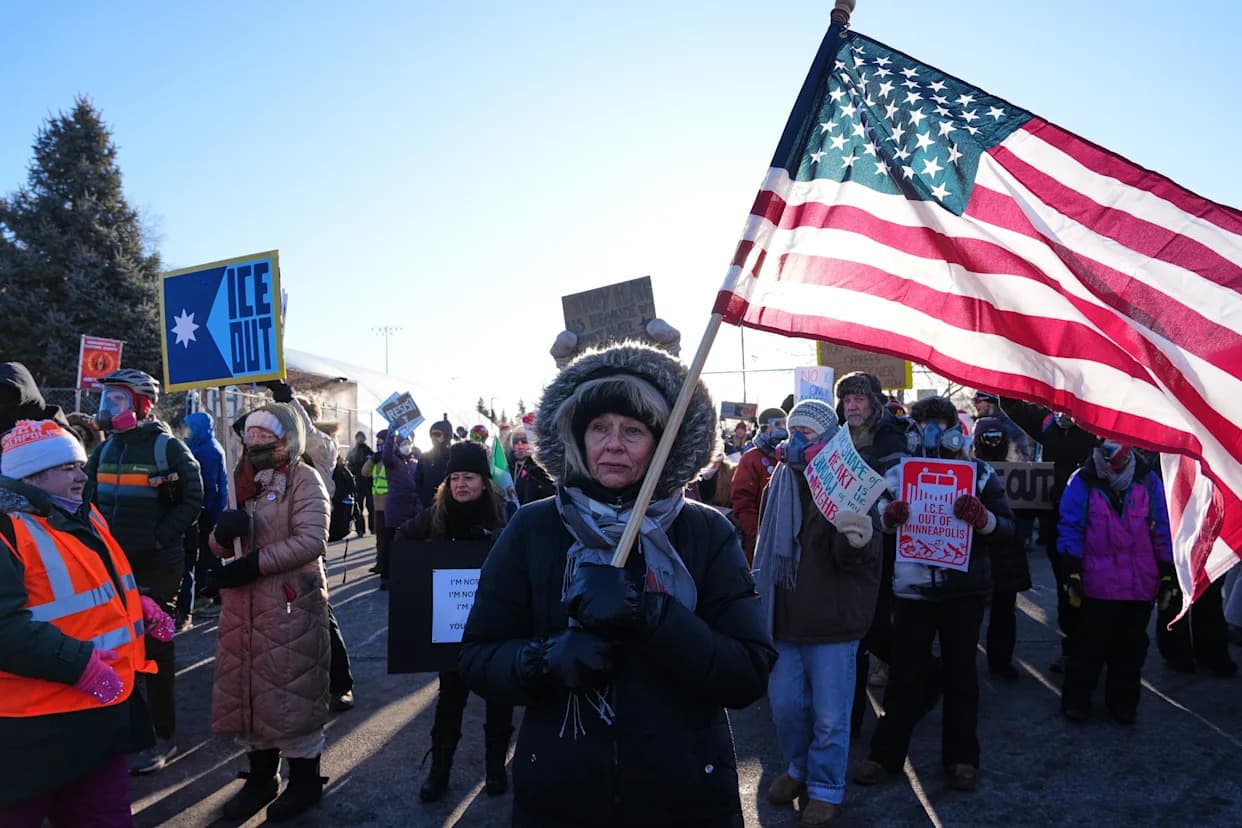
Shapiro has also criticized the president's recent immigration enforcement actions — including operations in Minneapolis — arguing that they are designed to project dominance rather than actually improve safety. "Whether we're talking about Minneapolis or Greenland or Venezuela, this president wants to show a strength that I think is a facade of strength," he says, adding that such tactics ultimately make people "less safe."
On Running for President
When pressed about a possible presidential bid, Shapiro declined to commit. He said he wants to help shape a conversation that builds a Democratic Party focused on quality education, safer communities and engaged global leadership. "I want to be a part of shaping that dialog," he said, noting that from that debate, leaders will emerge over time.
Where We Keep the Light: Stories from a Life of Service by Josh Shapiro will be published by HarperCollins and is available in Hardcover, eBook and Audio formats (noted availability Jan. 27 through major booksellers). Story produced by Julie Morse. Editor: Remington Korper.
Help us improve.