House Speaker Mike Johnson responded to Pope Leo XIV by arguing that scripture supports assimilation and a government duty to secure borders. Johnson gave a short on-camera "theological dissertation," then expanded his argument in a 1,300-word post on X. The pope, who cited Matthew 25:35, has repeatedly raised concerns about migrant treatment and detainees’ spiritual rights, deepening a public split over how faith should shape immigration policy.
Mike Johnson Delivers Theological Rebuttal to Pope Leo XIV, Defends Strong Border Enforcement
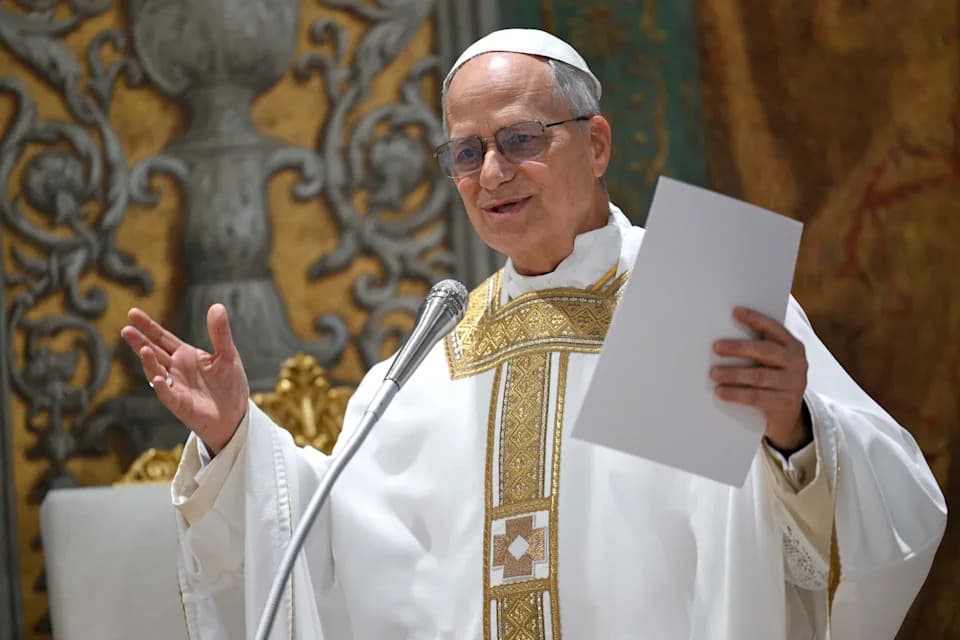
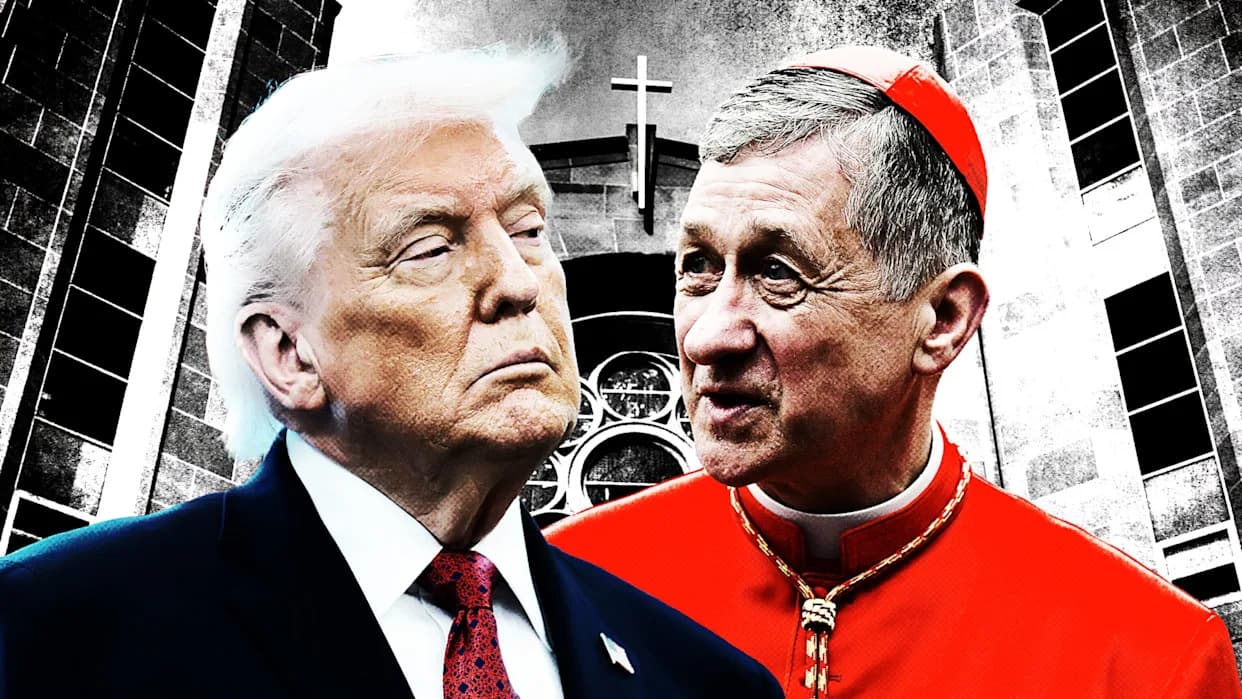
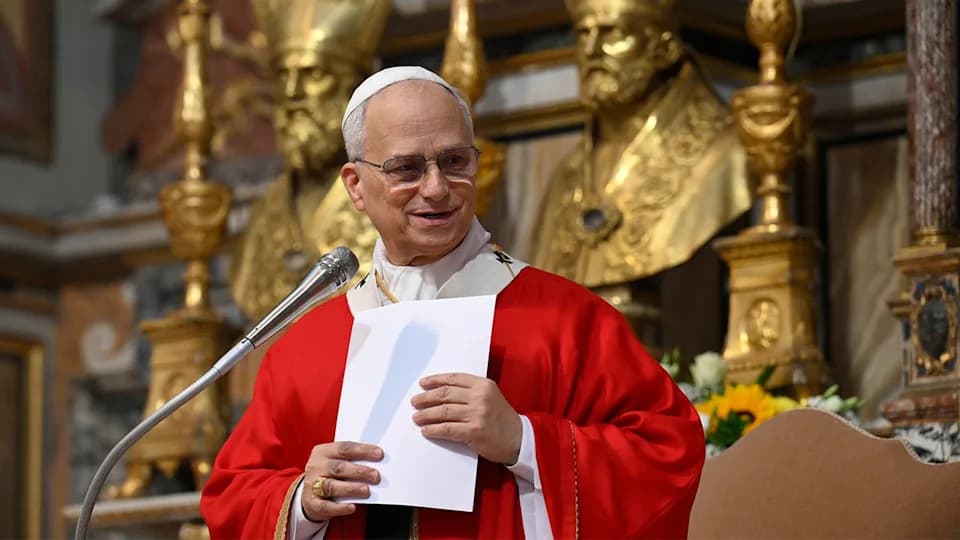
The Chicago-born pope is an outspoken critic of the Trump administration's immigration agenda. / Getty Images
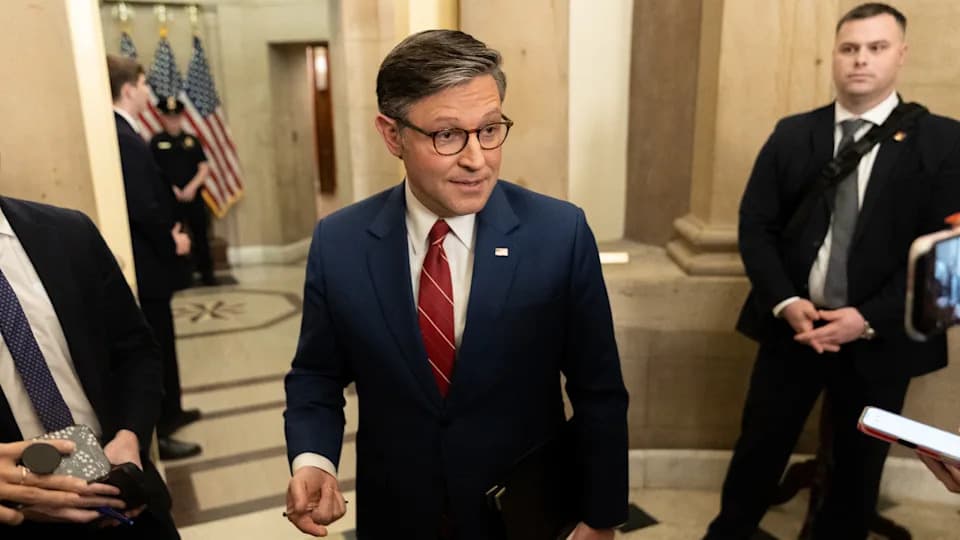
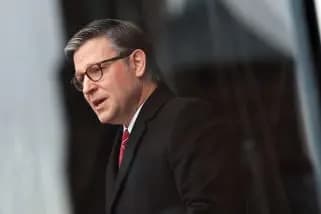
House Speaker Mike Johnson offered a theological defense of strict border enforcement on Tuesday after being asked to respond to comments from Pope Leo XIV about U.S. immigration policy.
The 54-year-old Southern Baptist speaker framed his answer as a brief "theological dissertation," replying to a question about the pope’s November remarks, in which the Chicago-born pontiff invoked scripture and urged "deep reflection" on how migrants are treated in the United States.
"Jesus says very clearly at the end of the world, we’re going to be asked, you know, how did you receive the foreigner? Did you receive him and welcome him or not? And I think that there’s a deep reflection that needs to be made in terms of what’s happening,"
Referencing Matthew 25:35, the pope underscored concern for migrants and called attention to people who have lived in the U.S. for years and been affected by current immigration policies.
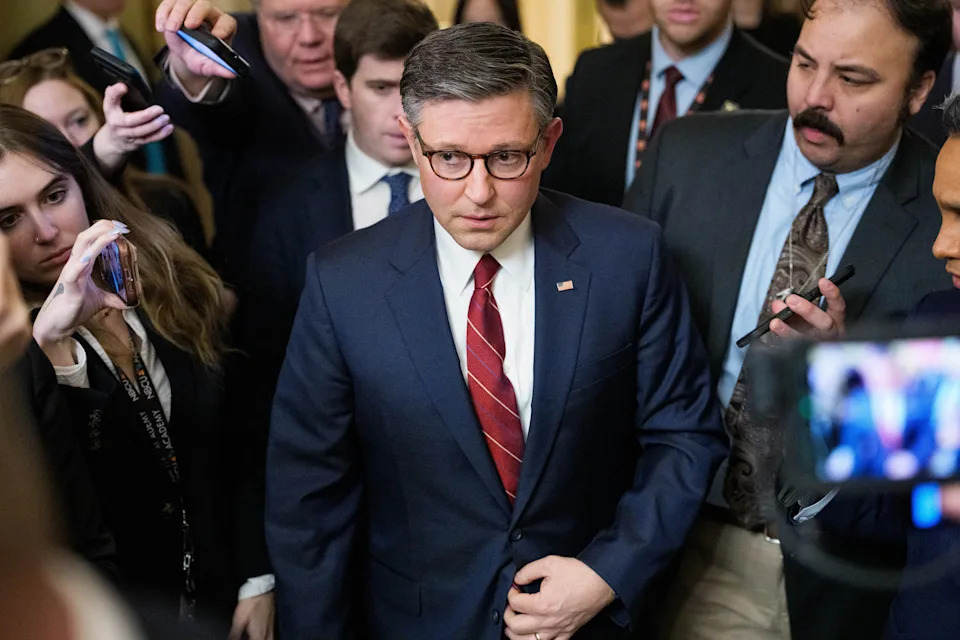
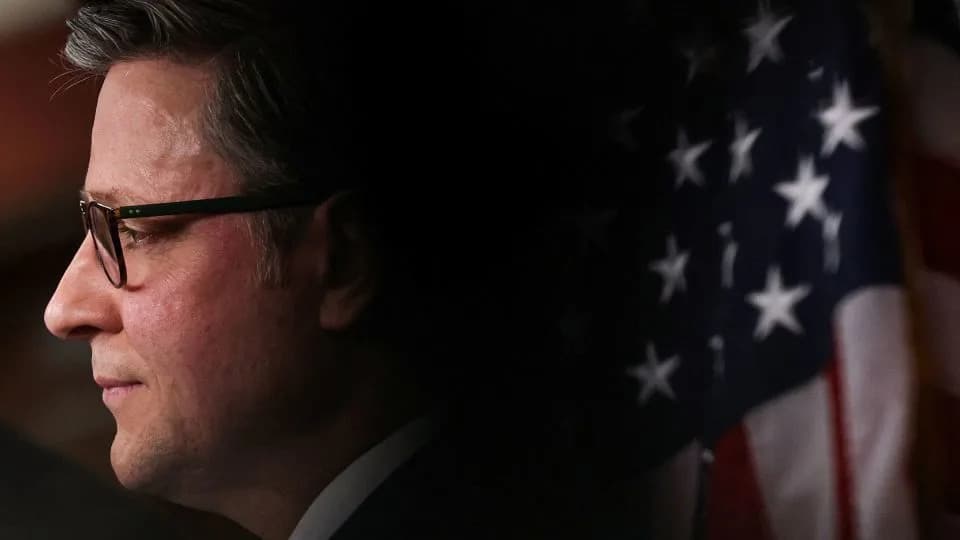
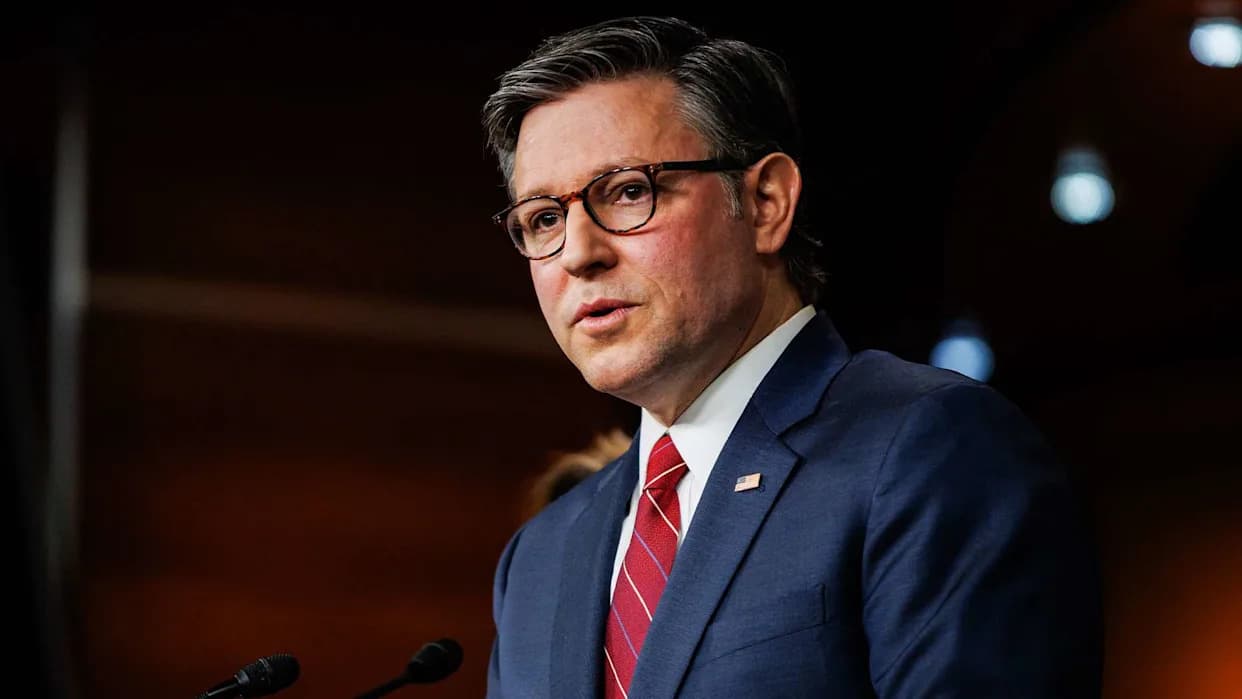
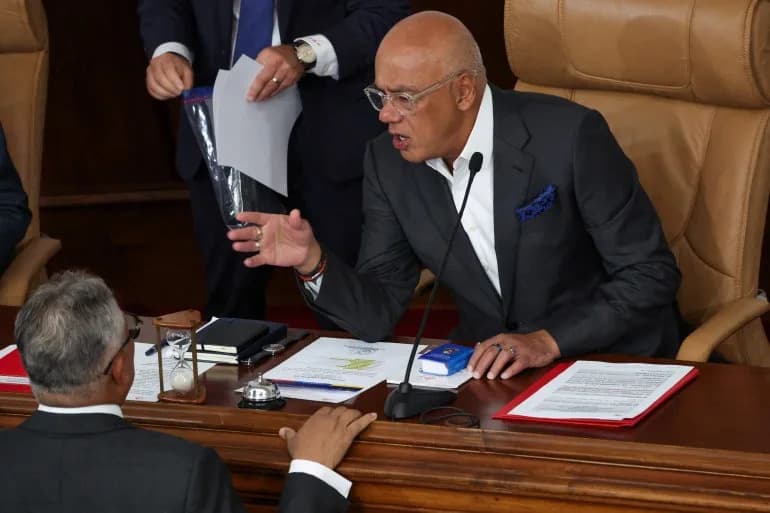
House Speaker Mike Johnson is a Southern Baptist. / Aaron Schwartz/Getty Images
Asked directly by MeidasTouch reporter Pablo Manríquez how he would respond to the pope "in scripture," Johnson answered, "So you want me to give you a theological dissertation? All right. I tell you what. I’ll post it on my website later today, but let me give you a quick summary," then offered a roughly two-minute explanation of his view.
Johnson argued the Bible supports the expectation that newcomers assimilate into the laws and customs of their host nation: "When someone comes into your country, comes into your nation, they do not have the right to change its laws or to change a society. They’re expected to assimilate. We haven’t had a lot of that going on," he said.
He also maintained that scripture assigns civil authorities the responsibility of maintaining order, a responsibility he said the current administration had not fulfilled: "We did not take care of our borders. We should love our neighbor as ourselves, as individuals, but as a civil authority, the government has to maintain the law, and that is biblical."
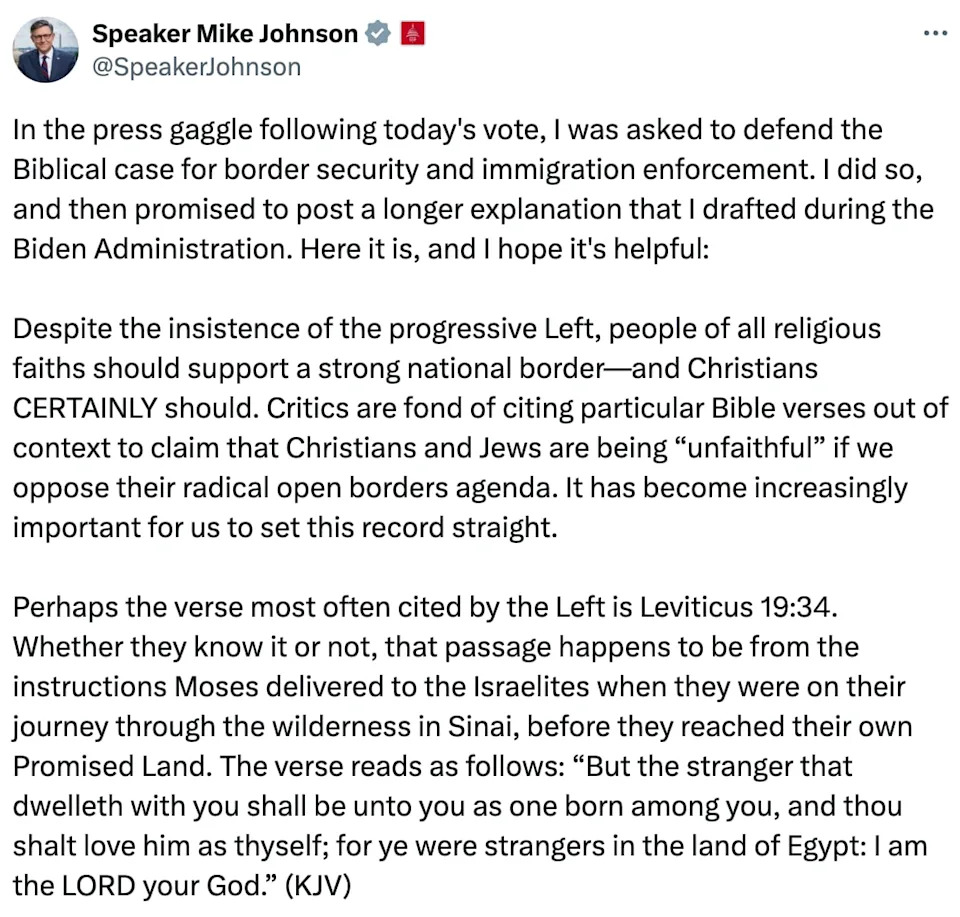
Johnson expounded on his theological dissertation in a lengthy X post. / Mike Johnson on X
After the exchange, Johnson published a longer defense on X, posting more than 1,300 words expanding on his interpretation and policy conclusions. In that post he concluded: "Despite the unfounded claims of the Left, supporting a strong national border is a very Christian thing to do. The Bible tells us so."
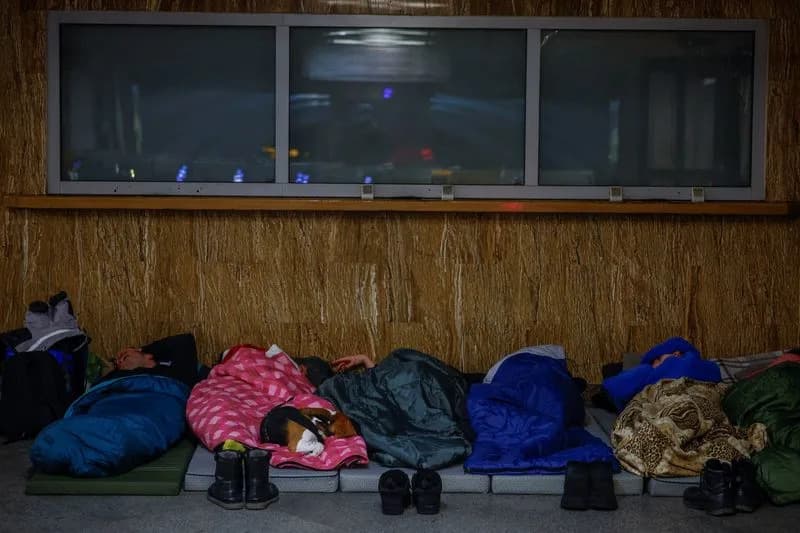
Still, the pope has repeatedly voiced skepticism about the administration’s immigration approach and may not be persuaded. When Immigration and Customs Enforcement agents in Illinois prevented priests and lay ministers from administering communion at a detention facility, the pope said detainees’ spiritual rights "should also be considered" and invited authorities to allow pastoral access.
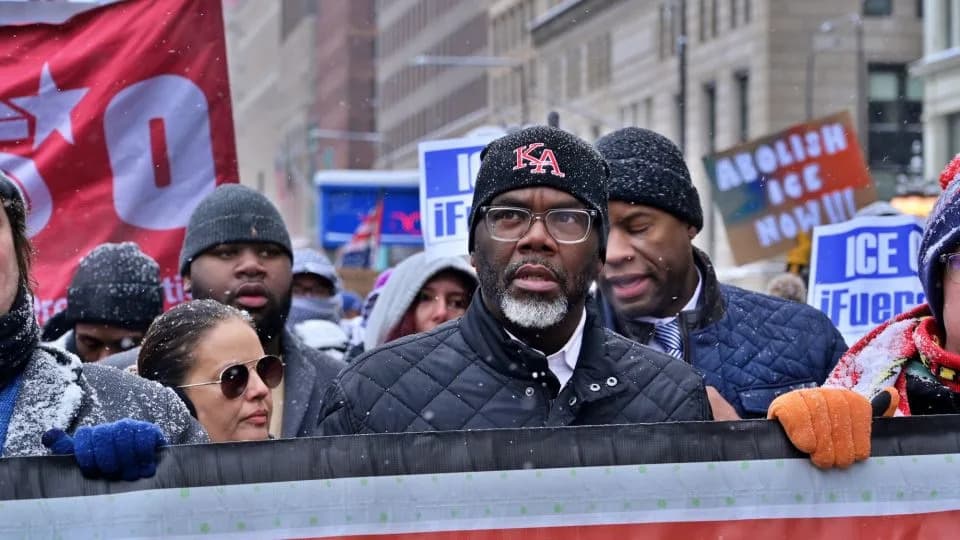
Cardinal Joseph Tobin, a close U.S. ally of the pope, urged lawmakers to oppose further funding for what he described as a "lawless organization" ahead of a vote on Department of Homeland Security funding. Lawmakers approved short-term funding measures amid the dispute.
The exchange highlights how scripture and religious authority are being invoked on opposing sides of the immigration debate, underscoring a widening public split between prominent Catholic leaders and conservative political figures over how faith should inform policy.
Help us improve.