President Trump repeatedly uses the phrase "central casting" to describe people he appoints or admires, emphasizing looks and presence as well as qualifications. Recent examples include crediting "good-looking" soldiers for making Washington, D.C., appear safer and calling Fed nominee Kevin Warsh a "central casting" choice. Reporters and former aides say this recurring phrase highlights how Trump often weighs image alongside credentials when judging potential appointees.
Trump’s 'Central Casting' Obsession: Why Appearance Keeps Coming First
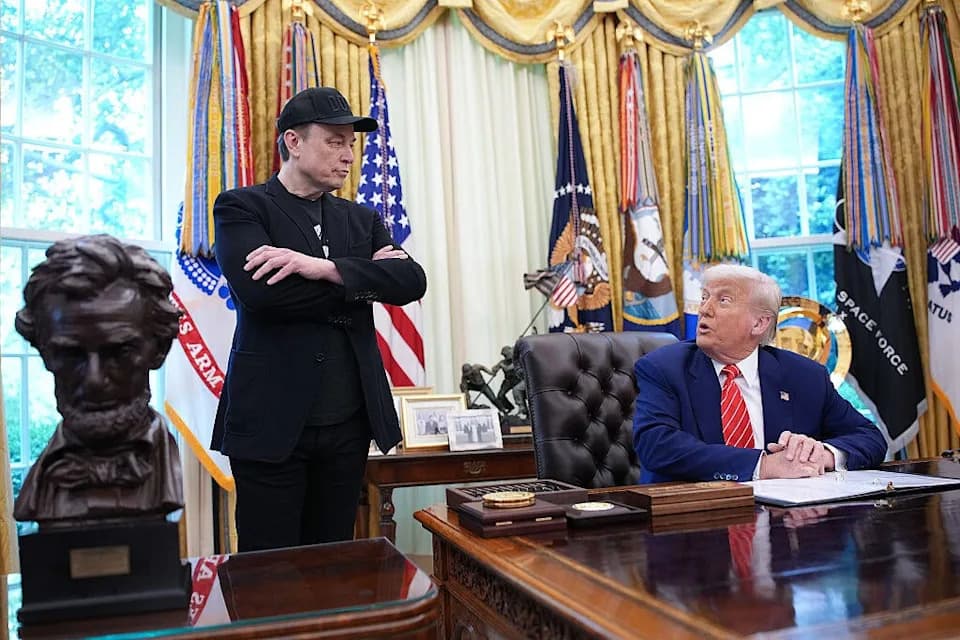
At a White House event on Monday, President Donald Trump credited falling crime in Washington, D.C., in part to what he called "very big, strong, good-looking soldiers standing around," saying they "make the place look better." The remark drew attention not only for its odd logic but for fitting a familiar pattern in how the president judges people.
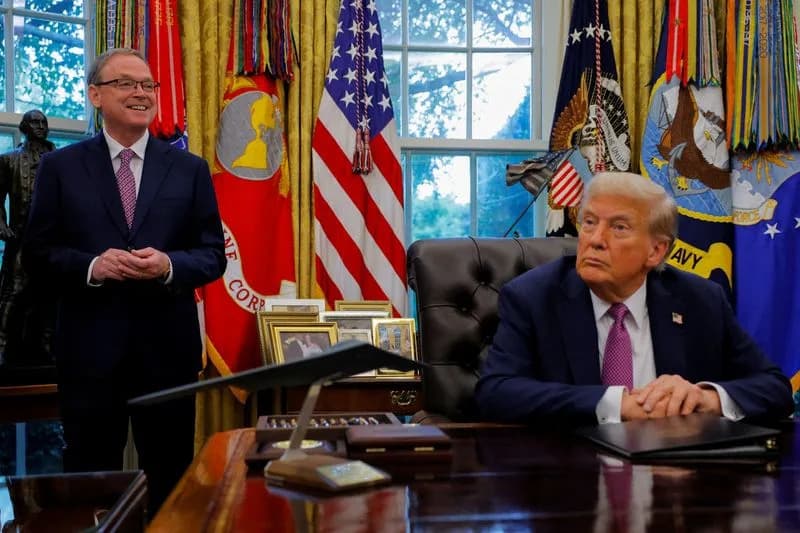
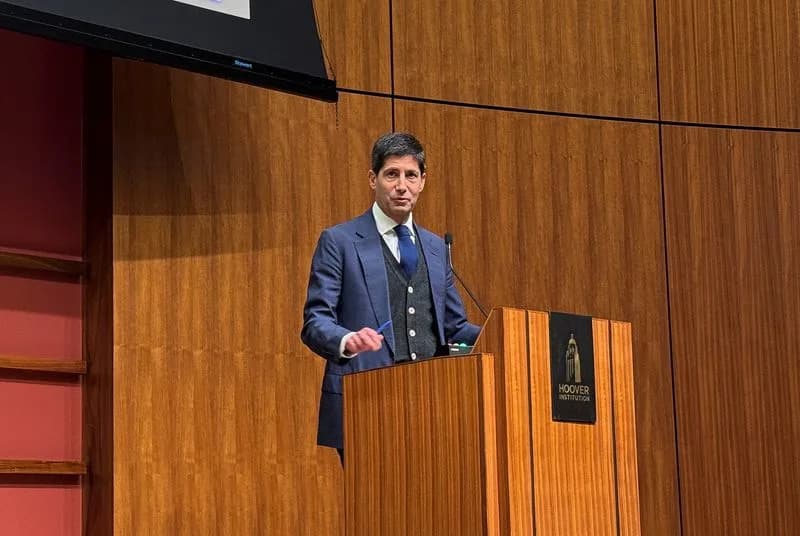
Days earlier, Trump said he picked Interior Secretary Doug Burgum for his Cabinet in part because he found Burgum’s wife attractive. At the same Oval Office gathering, he described Kevin Warsh, his nominee for Federal Reserve chair, as "very smart, very good, strong, young" and added that Warsh was "the central casting guy" who "has the look."
What He Meant By "Central Casting"
Trump’s repeated use of the phrase "central casting" — a colloquial reference to people who seem designed by Hollywood to fit a role — has surfaced across many settings. A Washington Post account noted that, while addressing Israel’s Knesset, Trump pointed to Israel Defense Forces Chief Eyal Zamir and quipped, “You know, the guy’s central casting. Let’s put him in a movie. Look at him.” He also said that "everybody was like central casting" when referring to several military leaders he had met.
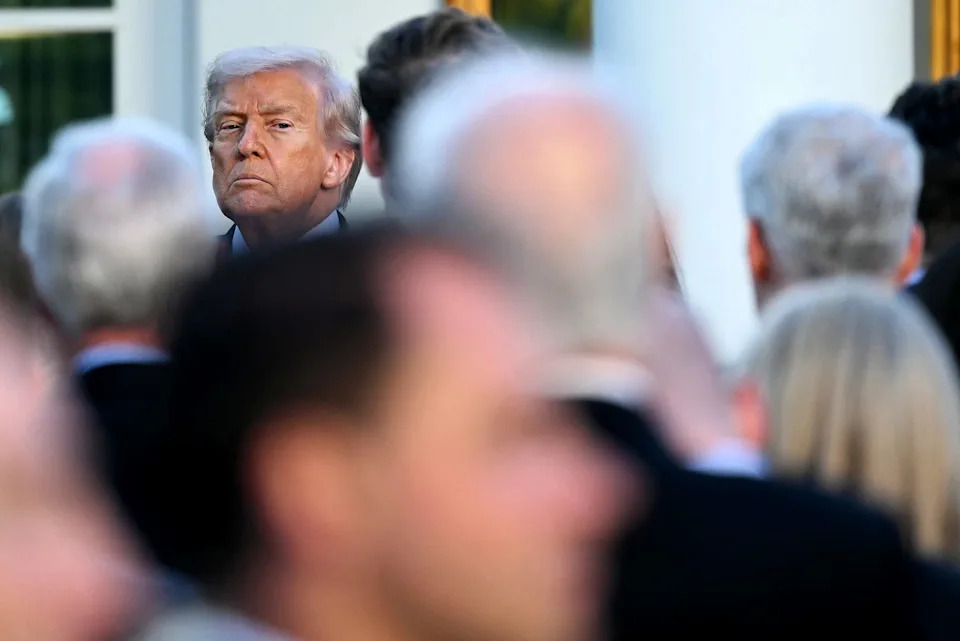
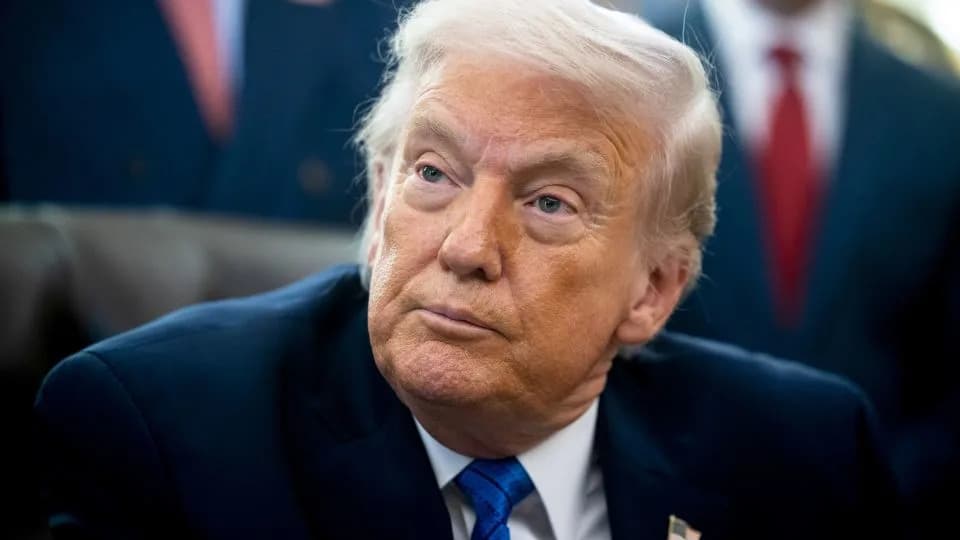
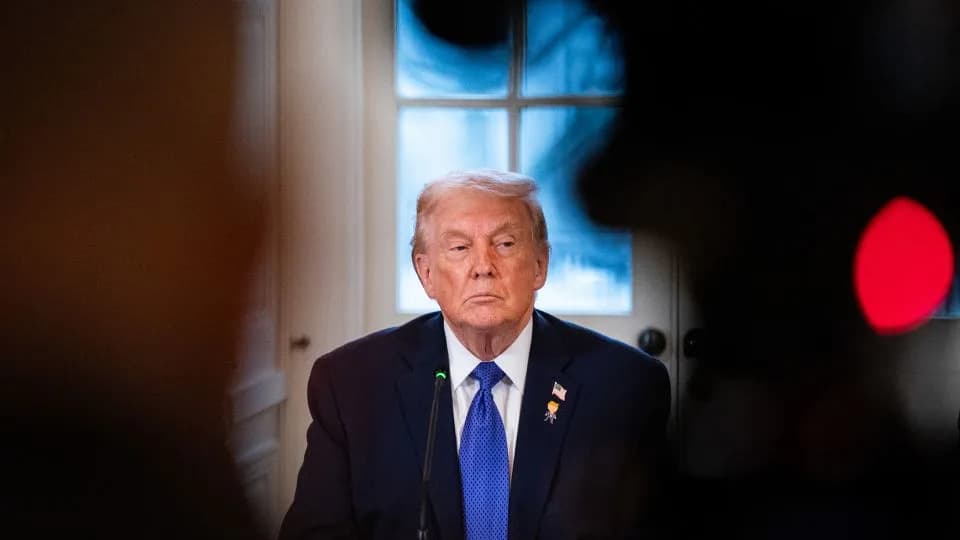
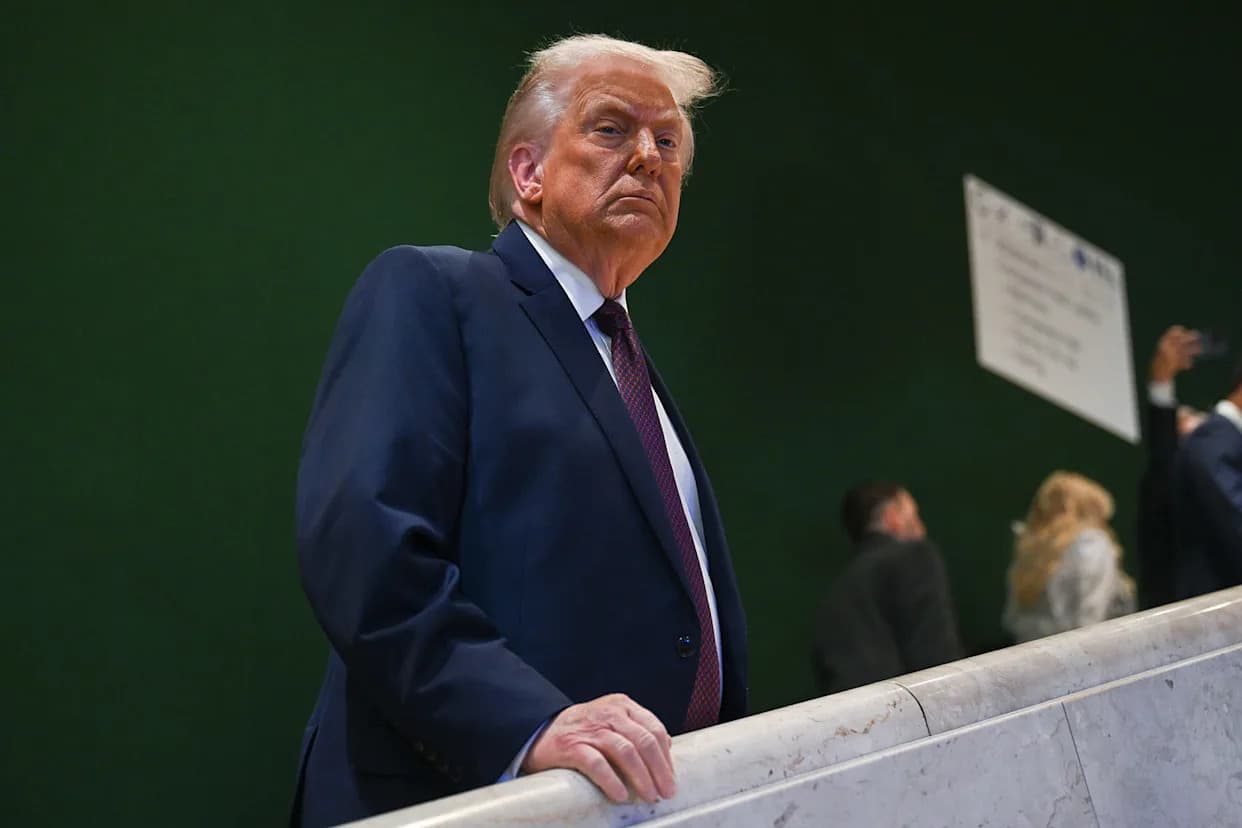
TOPSHOT - US President Donald Trump looks on at the end of a Medal of Freedom Ceremony for late US right-wing activist Charlie Kirk in the Rose Garden of the White House in Washington, DC, on October 14, 2025. Kirk was shot dead on a Utah college campus on September 10, 2025, sparking a wave of grief among conservatives, and threats of a clampdown on the "radical left" from President Donald Trump. (Photo by ANDREW CABALLERO-REYNOLDS / AFP) (Photo by ANDREW CABALLERO-REYNOLDS/AFP via Getty Images)(Andrew Caballero-Reynolds / AFP via Getty Images)
“He was the central casting guy ... Looks don’t mean anything, but he’s got the look,” Trump said of Kevin Warsh.
Pattern Over Time
Reporters and former aides have long described "central casting" as a recurring phrase in Trump’s vocabulary. Politico quoted a White House insider saying that when selecting a Supreme Court nominee in 2018, officials weighed not just qualifications but whether the nominee and spouse fit "a central casting image for a Supreme Court nominee." Trump also praised then-White House physician Ronny Jackson as "like central casting," and has used the term for figures from former Vice President Mike Pence to former Defense Secretary James Mattis.
Observers say the habit reveals how Trump often balances appearance and presentation alongside credentials when evaluating candidates and officials. For him, it can feel like an executive-producer mindset: casting a team that not only performs but also projects an image.
This article updates our earlier related coverage and first appeared on MS NOW.
Help us improve.