Jason Altmire argues that Democrats should adopt a pragmatic, all‑of‑the‑above energy strategy in 2026 that balances affordability, jobs, and emissions reductions. He highlights the economic gains from the 2010s fracking boom — including a Federal Reserve Bank of Dallas estimate that fracking raised U.S. GDP by about one percentage point between 2010 and 2015 — and notes that cleaner-burning fossil fuels contributed to recent emissions declines. Altmire urges investments in low-carbon innovation and protections for affected communities as a way for Democrats to reconnect with working-class voters.
2026 Pivot: Why Democrats Should Embrace a Practical, All‑Of‑The‑Above Energy Strategy
Last month, left-leaning commentator Matt Yglesias highlighted a notable global shift: leaders are recalibrating climate and energy policies to balance emissions reductions with affordability and security.
In Canada, Prime Minister Mark Carney has rolled back the national carbon tax and approved new oil and gas pipeline projects. In Mexico, President Claudia Sheinbaum is moving to revive the state oil company and is considering limited natural gas development. Labor parties in Norway and Australia are similarly easing rigid mandates. And in the United States, New York Governor Kathy Hochul recently approved a gas pipeline, signaling a move toward a more pragmatic energy mix. Even private-sector voices such as Bill Gates emphasize the need to make energy both cleaner and more affordable.
These reversals would have been hard to imagine a few years ago. As Congress considers fiscal 2026 energy spending bills, lawmakers should recognize that lowering energy costs matters deeply to many voters — often as much as, or more than, the pace of decarbonization.
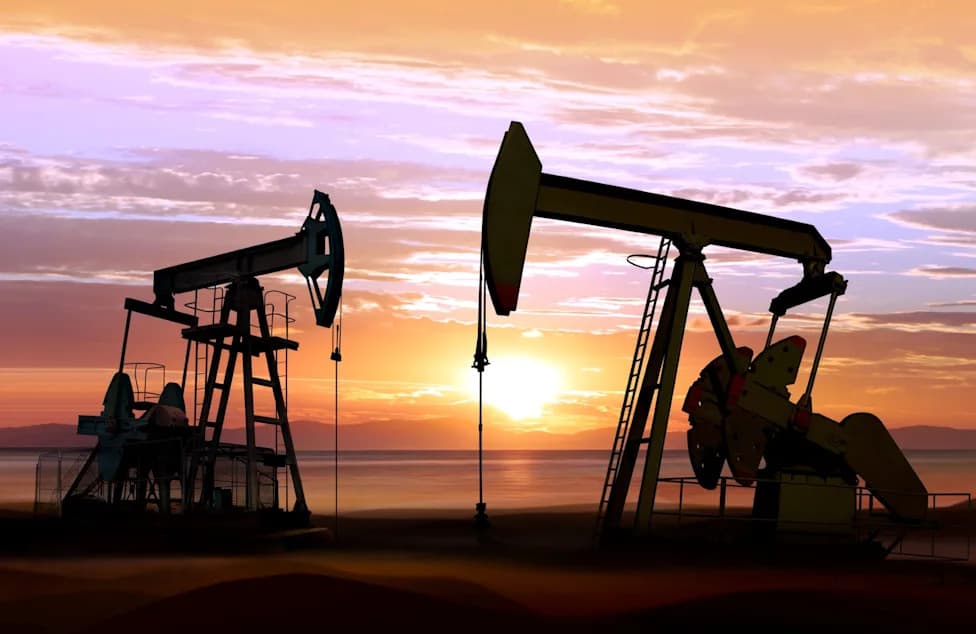
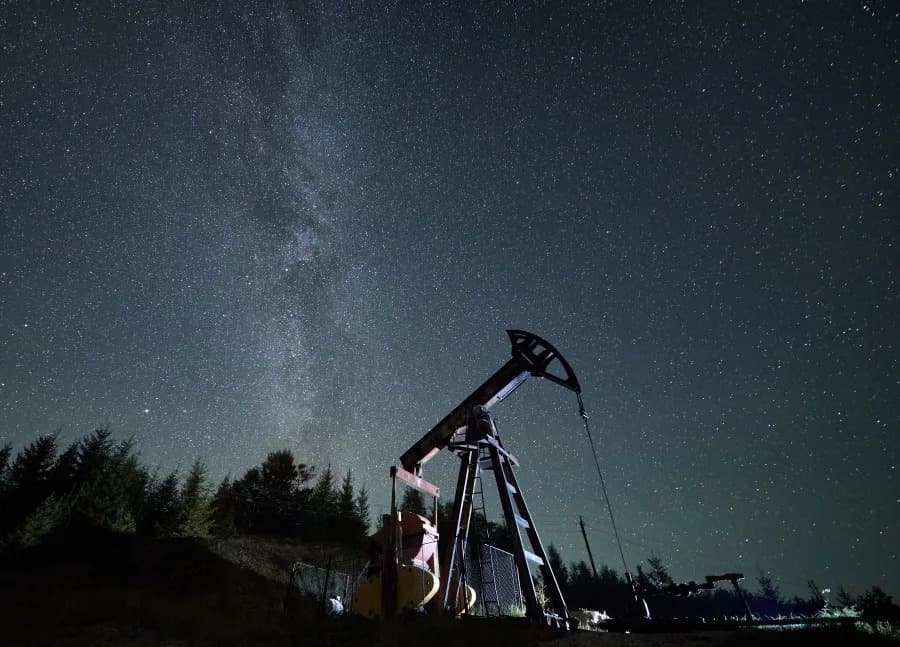
The U.S. fracking boom of the 2010s made America the world’s leading producer of crude oil and natural gas. A Federal Reserve Bank of Dallas study estimated that hydraulic fracturing alone increased U.S. GDP by roughly one percentage point between 2010 and 2015, injecting tens of billions of dollars into the economy over five years. That doesn’t mean fracking is the sole solution, but it cautions against dismissing its economic benefits.
Critics point to the climate harms of fossil fuels. It’s worth noting that U.S. carbon emissions have declined in recent years; the Energy Information Administration calculates that cleaner-burning fossil fuels — particularly natural gas — accounted for about 61% of that decline. Importantly, the economic gains from oil and gas development were often concentrated in communities that had long been left behind.
As a former congressman from Pennsylvania, I witnessed local benefits in cities like Pittsburgh and Bethlehem: former industrial hubs that saw renewed activity and jobs linked to energy development. Natural gas extraction created tens of thousands of jobs in Pennsylvania alone, and lease royalties provided substantial income for some landowners — averaging roughly $154,000 in 2014 in that state.
On the international front, growing U.S. oil and gas production has strengthened national security. By supplying global markets, the United States has helped reduce the leverage of unstable or adversarial petroleum exporters. After Russia’s invasion of Ukraine, American LNG exporters played a key role in helping Europe replace Russian gas; the U.S. is projected to supply as much as 70% of European LNG imports by 2029, according to current estimates.
Policy that delivers both economic opportunity and emissions reductions can be politically durable. Many Democrats are concluding that a more pragmatic, all‑of‑the‑above energy strategy — one that includes stricter environmental safeguards, investment in low-carbon innovation, and support for affected communities — better aligns with working-class priorities and national interests.
Democrats have long championed economic fairness, secure allies, affordable essentials, and a healthy environment for future generations. A practical energy strategy that balances affordability, jobs, and decarbonization advances all those goals and can help the party reconnect with everyday voters.
Jason Altmire is the former Democratic U.S. representative for Pennsylvania’s 4th Congressional District. He chaired the Small Business Committee’s Subcommittee on Oversight and Investigations and served on the Committee on Transportation and Infrastructure.
Help us improve.