Dr. Mohamed Ibrahim, 28, gave a first‑hand account of fleeing el‑Fasher as the Rapid Support Forces overran the North Darfur capital beginning Oct. 26. He describes nonstop shelling, dozens of corpses on the streets, and the collapse of medical services at the city’s last functioning hospital. After a perilous evacuation toward Tawila, Ibrahim and other doctors were captured, beaten and extorted for ransom before escaping with help from rebel forces and humanitarian medics. U.N. and ICC officials say the assault left el‑Fasher largely deserted and point to possible war crimes and crimes against humanity.
“It Felt Like Judgment Day”: Sudanese Doctor’s Harrowing Escape From El‑Fasher After RSF Siege
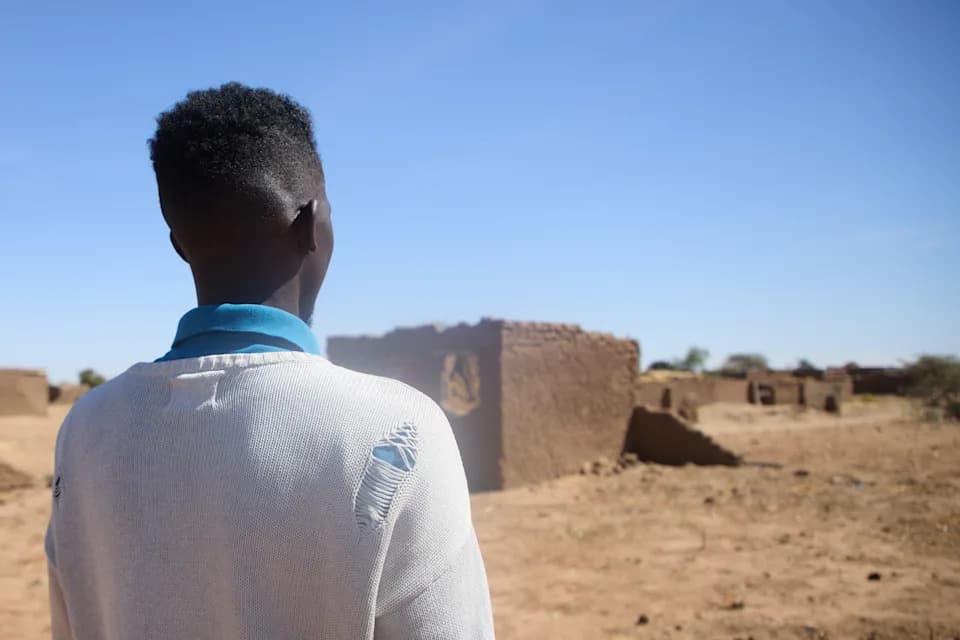
Dr. Mohamed Ibrahim, who asked that his face not be shown, walks at the Rwanda refugee camp in Darfur, Sudan, Dec. 22, 2025. (AP Photo/Marwan Mohamed) (AP Photo/Marwan Mohamed)(ASSOCIATED PRESS)
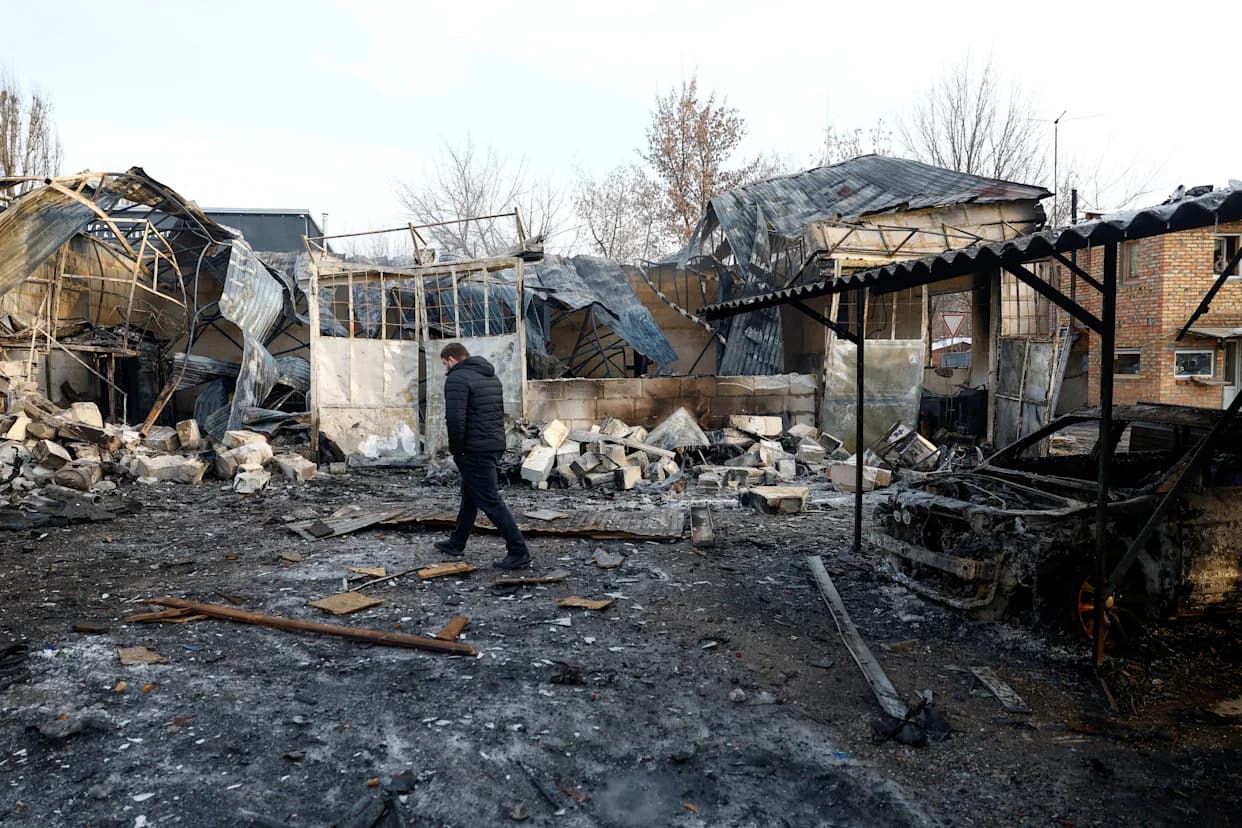
Dr. Mohamed Ibrahim ran from building to building searching for cover as streets around him lay strewn with bodies while smoke and flames enveloped el‑Fasher, the capital of North Darfur. Explosions, artillery strikes and gunfire came from every direction as paramilitary Rapid Support Forces (RSF) overran the city after an assault that began Oct. 26.
Prelude To The Assault
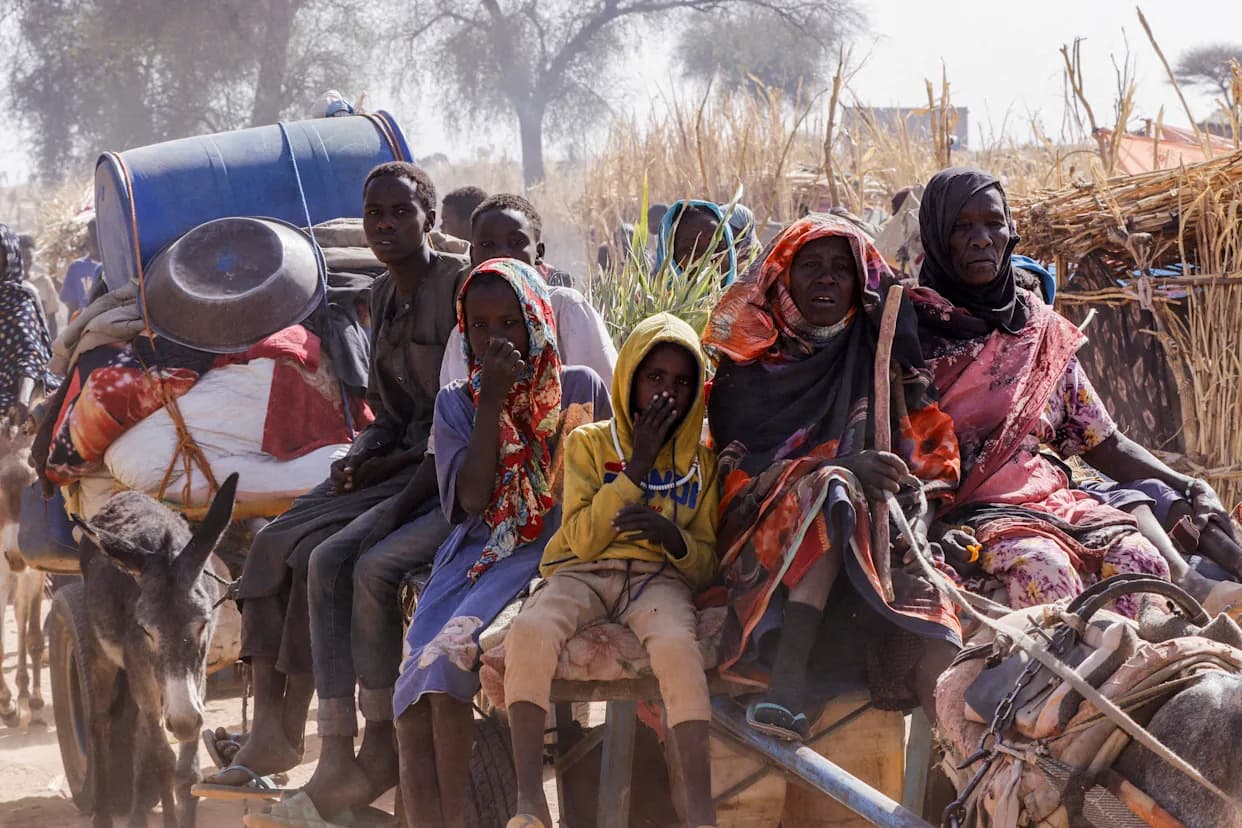
After the 2021 military coup in Sudan, the RSF — descended from the Janjaweed militias — first allied with the army but soon became its rival. By late October, more than two years of fighting in Darfur had culminated in a decisive RSF push on el‑Fasher, the army's last stronghold in the region. United Nations officials now estimate that thousands of civilians were killed and say only roughly 40% of the city's ~260,000 residents managed to flee; the fate of many others remains unknown.
At The Last Functioning Hospital
Ibrahim stayed behind to treat patients at the Saudi‑funded maternity hospital, el‑Fasher’s last operating medical facility, even as staff and supplies dwindled to a skeleton crew of doctors. He was working early on Oct. 26 when shelling intensified and civilians began fleeing toward a nearby army base. "All around we saw people running and falling to the ground in front of us," the 28‑year‑old physician told The Associated Press.

Dr. Mohammed Ibrahim checks his messages at Rwanda refugee camp in Tawila in Darfur, Sudan, Dec. 22, 2025. (AP Photo/Marwan Mohamed)(ASSOCIATED PRESS)
Searching For A Way Out
At about 7 a.m., Ibrahim and a colleague set out on foot for the army base roughly 1.5 kilometers away. The route became a scene of constant danger: corpses and wounded civilians lined streets, artillery pounded neighborhoods, and gunmen chased survivors. Separated briefly from his coworker, Ibrahim hid in a water tank, sheltered behind a broken wall near the university morgue, and jumped from roof to roof to avoid detection before reuniting with his colleague at the base late that afternoon.
The Night Evacuation And Capture
That night about 200 people, mostly women and children, attempted a moonlit evacuation toward Tawila. The group negotiated trenches dug by militants and repeatedly dropped to the ground to evade approaching vehicles and mounted fighters. Around noon the next day, RSF forces intercepted them. The attackers fatally shot two men, chained several captives to motorcycles and forced them to run behind, and later chained prisoners to trees for interrogation.
“They said, 'You are doctors. You have money. You get money from organizations, a lot of money,'” Ibrahim recalled of the fighters’ ransom demand.
Initially the gunmen demanded $20,000 per captive. After beatings and threats, Ibrahim's colleague agreed to a negotiated ransom reportedly of $8,000 each. Following payment and further movement through RSF‑controlled territory, the two doctors escaped after finding a route to forces of the Sudan Liberation Army‑Abdul Wahid and were assisted by humanitarian medics.
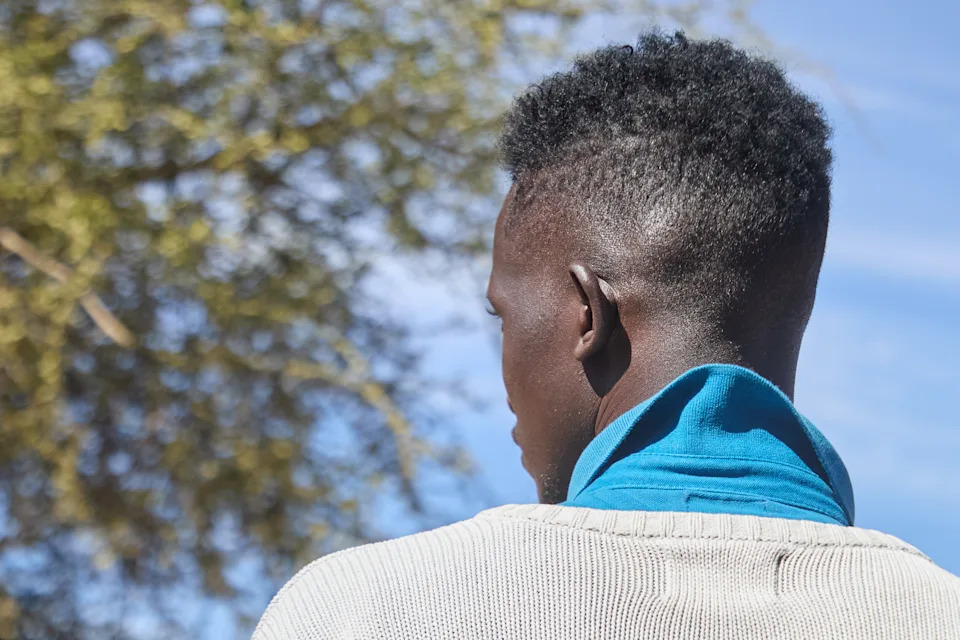
Dr. Mohammed Ibrahim walks at Rwanda refugee camp in Darfur, Sudan, Dec. 22, 2025. (AP Photo/Marwan Mohamed)(ASSOCIATED PRESS)
Scale Of Violence And Investigations
U.N. and independent observers described el‑Fasher as a "massive crime scene," with teams in late December and January finding the city largely deserted. The World Health Organization reported that subsequent raids on medical facilities led to dozens — and, by some accounts, hundreds — of deaths and abductions of health workers. Nazhat Shameem Khan, deputy prosecutor of the International Criminal Court, told the U.N. Security Council that the events in el‑Fasher included war crimes and crimes against humanity and pointed to "organized, widespread mass criminality." The RSF has acknowledged some abuses but disputes the scale of alleged atrocities.
Aftermath
Ibrahim eventually reached Tawila, where he was reunited with other survivors. He described profound trauma at having witnessed so many dead and wounded and the moral shock of seeing colleagues targeted for ransom. His account adds to mounting evidence prompting international officials to call for investigations into alleged mass atrocities in Darfur.
Reporting Credits: This account is drawn from interviews with Dr. Mohamed Ibrahim and reporting by The Associated Press, with contributions from Sarah El Deeb and Adam Geller.
Help us improve.