The Strong Armenia party proposed creating a controversial "Ministry of Sex" after a sociologist suggested sexual dissatisfaction was driving some women’s political activism. Party co-founder Sargis Karapetyan endorsed the idea and linked it to Armenia’s falling birth rate but offered no concrete policies. The remarks drew strong condemnation from MPs, feminist activists and social media; Karapetyan later said his comments were taken out of context and framed them as part of a broader critique of the political establishment.
Armenian Opposition’s ‘Ministry of Sex’ Proposal Sparks Outrage and Debate
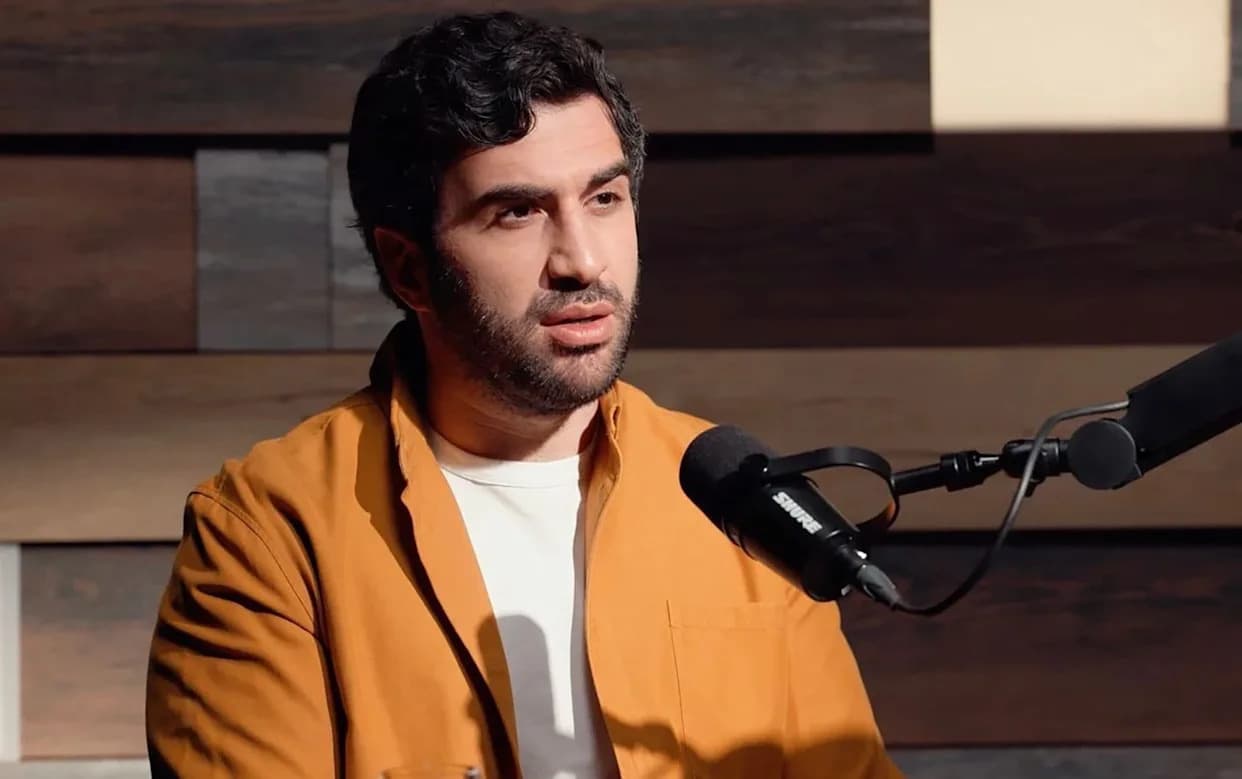
Sargis Karapetyan suggested a Ministry of Sex could also help tackle Armenia’s declining birth rate
An insurgent Armenian political party has suggested creating a government body dubbed a "Ministry of Sex" to address what its leaders describe as widespread sexual dissatisfaction among women and to help tackle the country’s falling birth rate. The proposal, first raised on a podcast and later endorsed by Strong Armenia co-founder Sargis Karapetyan, has provoked immediate backlash from politicians, activists and social media commentators.
How the Idea Emerged
The notion of a specialised ministry was initially advanced by sociologist Armen Khachikyan on the Triangle podcast, where he argued that sexual dissatisfaction was driving increased political activism among some middle-aged women. Responding to that line of argument, Sargis Karapetyan — a co-founder of the newly formed Strong Armenia party — agreed the issue deserved attention and said a dedicated ministry could also play a role in addressing Armenia’s demographic decline.
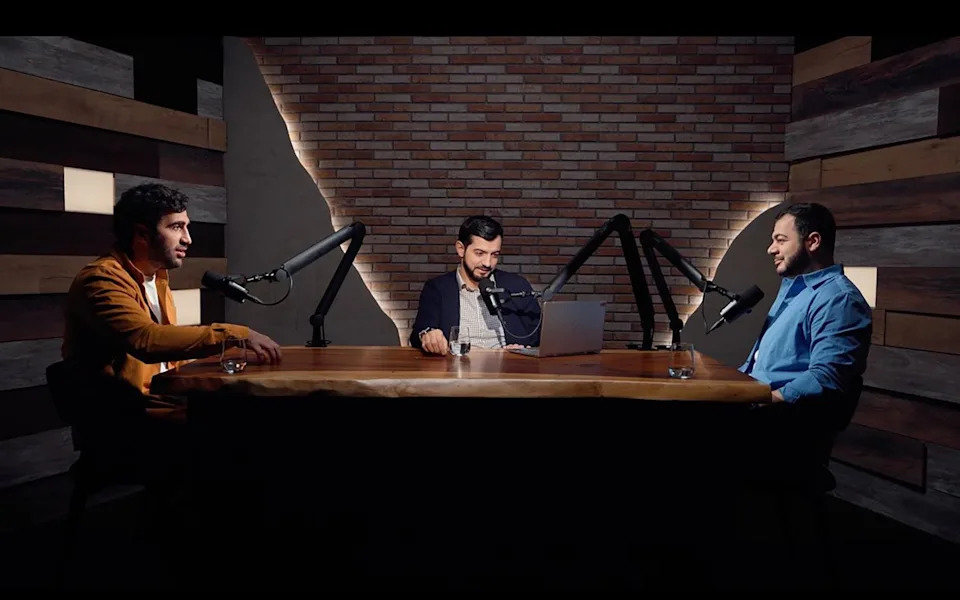
Mr Karapetyan (left) and Mr Sargizov (right), on the Triangle podcast with guest Armen Khachikyan
What Was Said
On the podcast, Karapetyan asked rhetorically: "Can we now actually say that in a strong Armenia there will be no unsatisfied women?" Host Levon Sargizov suggested a ministry to oversee such concerns, a suggestion Karapetyan supported and labeled the "Ministry of Sex." He also linked the idea to efforts to reverse falling birth rates but did not outline concrete policies or measures.
Public Reaction and Criticism
The comments drew swift condemnation from political opponents and civil society figures. Sona Ghazaryan, a member of parliament for the ruling Civil Contract party, called the remarks "pure sexism," accusing Karapetyan of "stripping women of their agency" and reducing them to "male fantasies and crude promises." Feminist voices and social-media commentators expressed similar disgust.
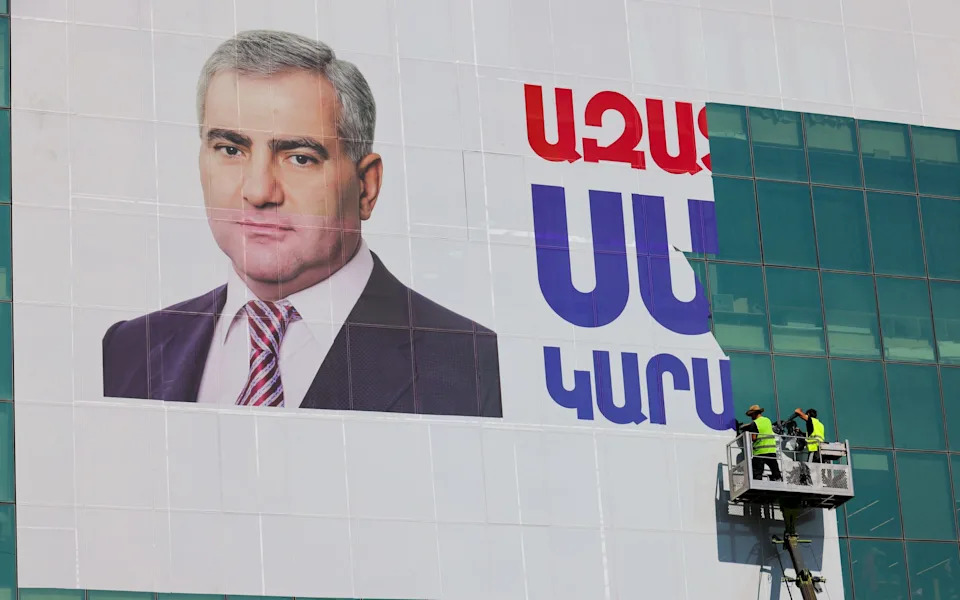
A banner reading ‘Free Samvel Karapetyan’ outside a shopping centre owned by the Russian-Armenian businessman - Erik Romanenko/TASS via ZUMA Press
“Stripping women of their agency, reducing them to the level of male fantasies and crude promises. It is disgusting,” Sona Ghazaryan wrote on Facebook.
Feminist influencer Lucy Kocharyan wrote: “Don’t wrap your pre-election campaign’s sexual lust around the women of Armenia.”
Karapetyan’s Response
Karapetyan later said his remarks were taken out of context and accused the political leadership of harming the nation from within. He framed his comments as part of a broader critique of Armenian governance and said:
“A healthy society and a healthy Armenia, in every sense, will be our main goal.”
Party Background and Political Context
Strong Armenia was formed following the arrest last year of Russian-Armenian businessman Samvel Karapetyan, Sargis’s father, who is estimated to be worth $4.4bn. Samvel Karapetyan was arrested and charged with publicly calling to seize power illegally; he has also faced allegations of tax evasion, fraud and money laundering, which he denies. Strong Armenia will formally name its candidate for prime minister on Feb. 12, with local reports suggesting the nominee could be Narek Karapetyan, Samvel’s nephew.
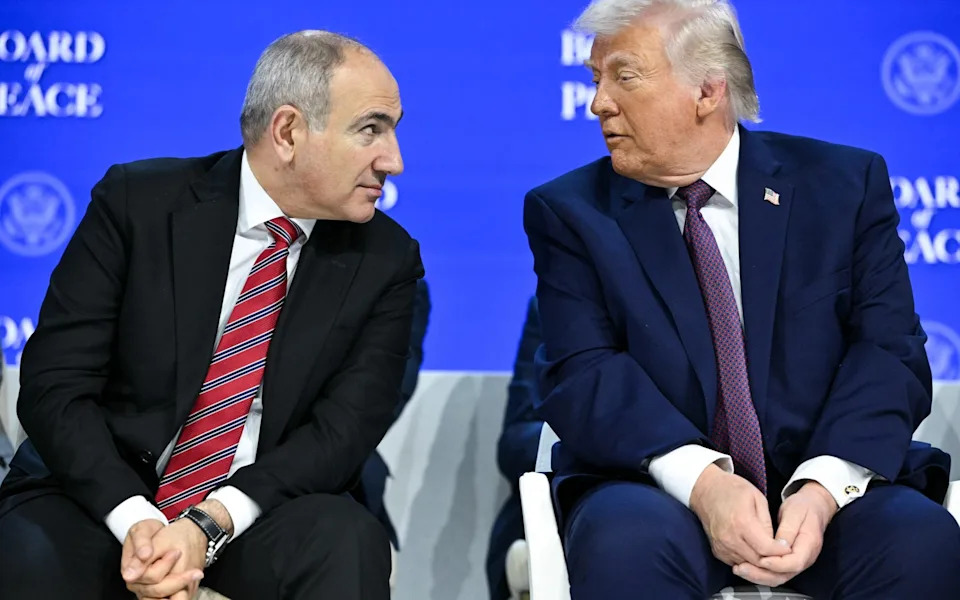
Nikol Pashinyan, Armenia’s PM, with Donald Trump at the World Economic Forum in Davos in January - Mandel Ngan/AFP via Getty Images
In current polling ahead of the June parliamentary election, Strong Armenia is polling around 13%, placing second behind the ruling Civil Contract party at roughly 17%, while nearly half of voters remain undecided.
Why This Matters
The episode highlights tensions in Armenian politics ahead of a closely watched election, touching on gender, public policy and the populist tenor of new political movements. Critics say the proposal reduces complex social and demographic challenges to sensational rhetoric, while supporters argue it raises under-discussed issues about public health and family policy — though no specific proposals were provided.
Help us improve.