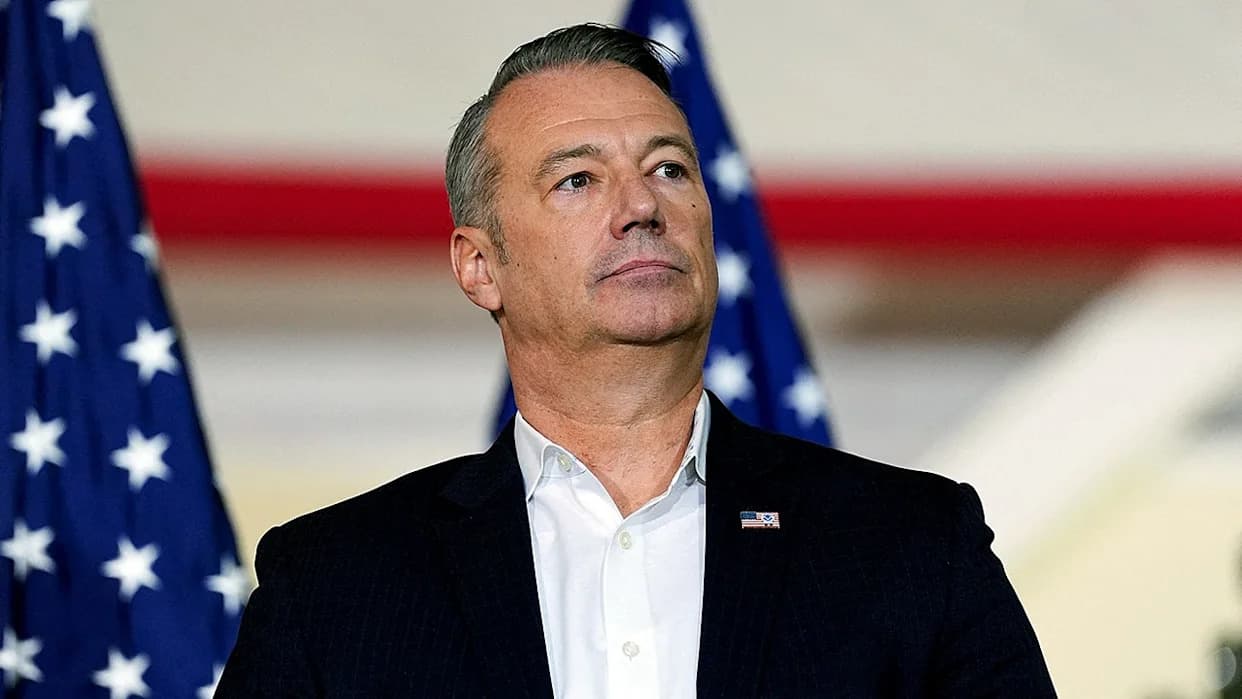
The circulation of a video showing U.S. Border Patrol Cmdr. Gregory Bovino being escorted from a Speedway after a manager said, "I don’t support ICE," has reignited debate over whether private businesses can lawfully or ethically refuse service to federal law-enforcement personnel. Similar incidents at a Hampton Inn franchise and other locations prompted corporate responses from Hilton, including removing the franchise from its system. Legal experts say businesses may have legal latitude to refuse service but face moral, reputational and commercial consequences; consumer pressure is often the most immediate remedy.
‘I Don’t Support ICE’: Speedway Video of Border Patrol Commander Sparks Debate Over Denying Service to Federal Agents
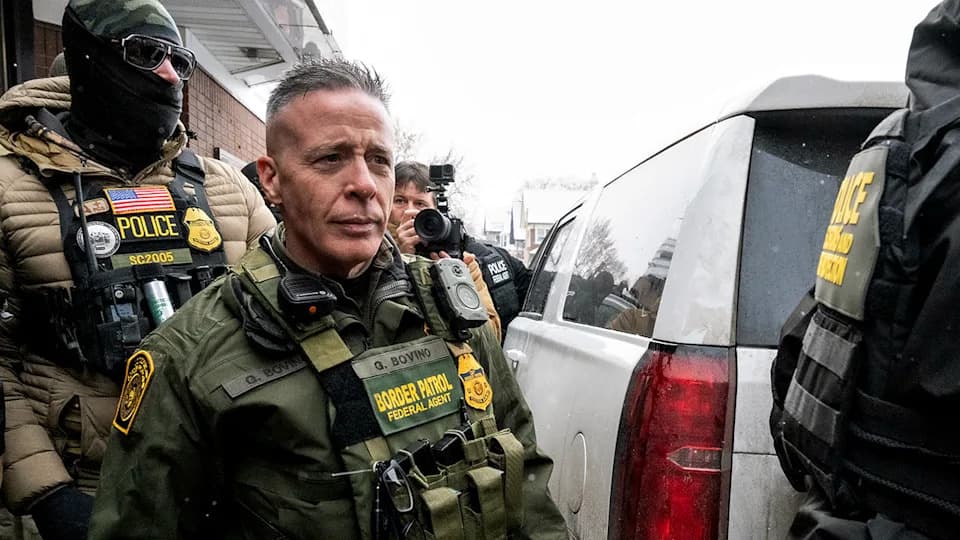
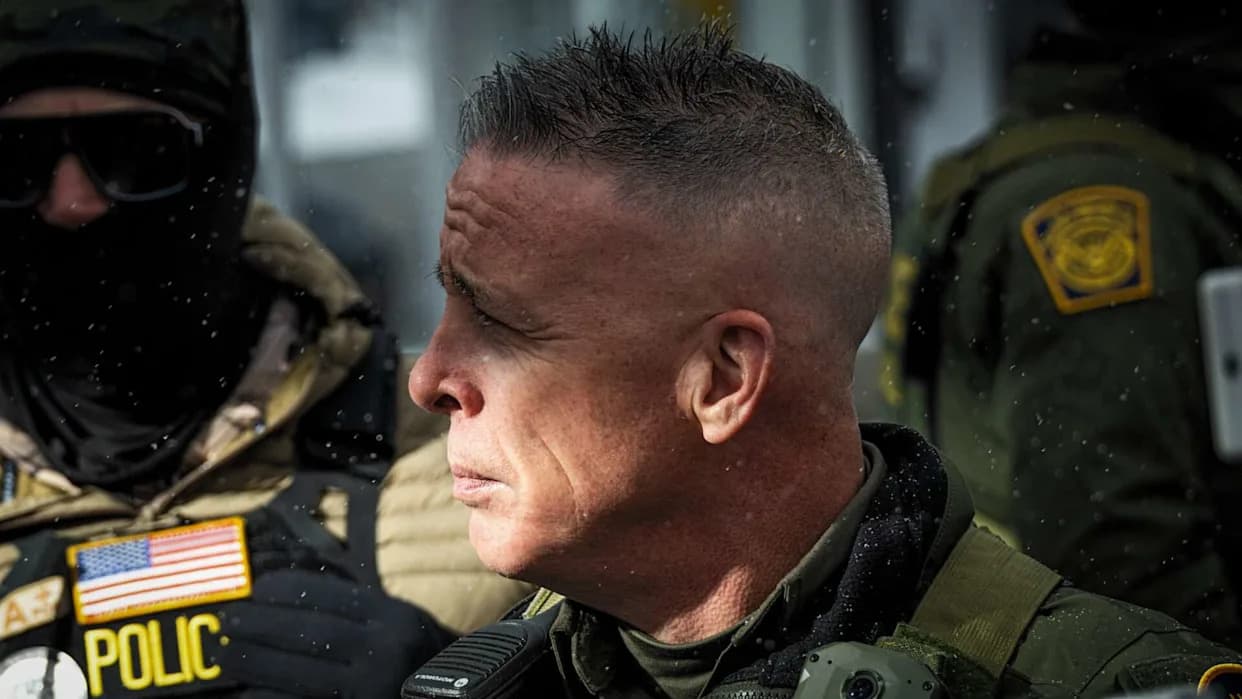
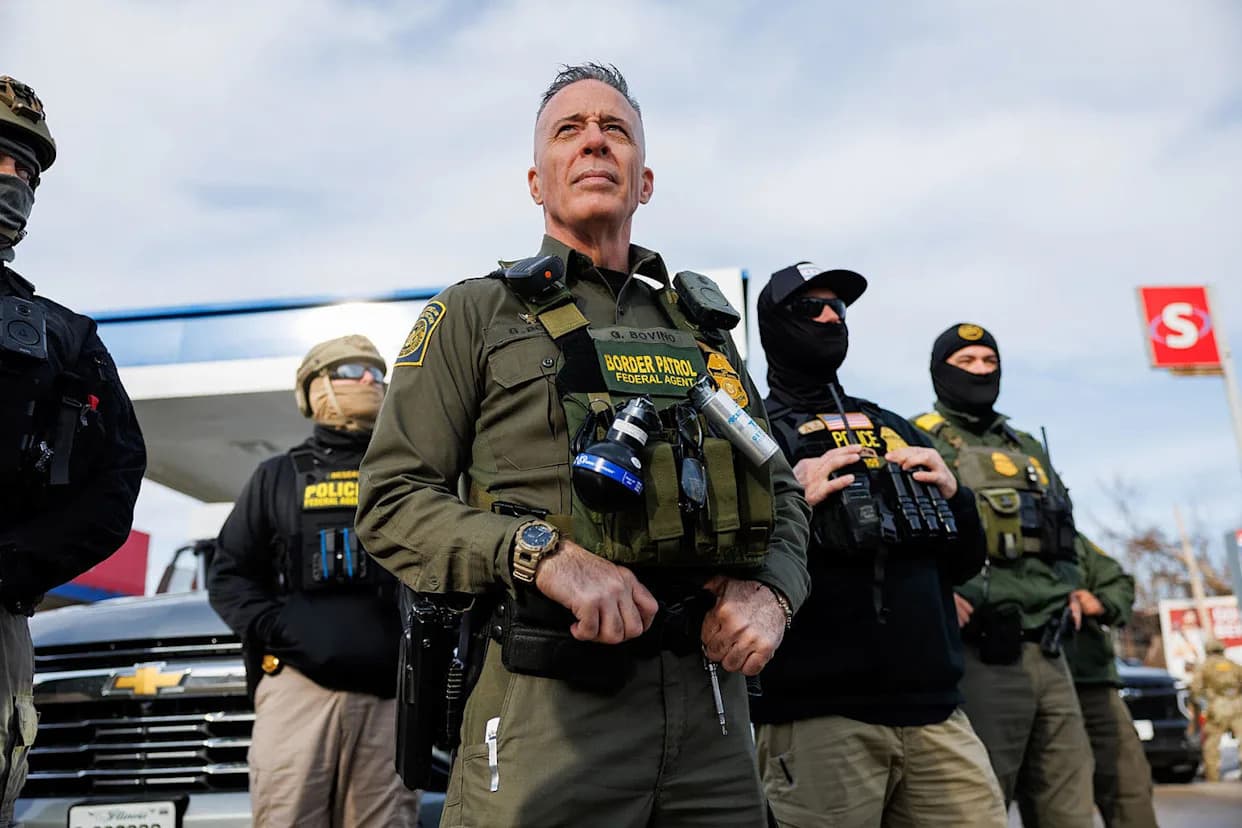
USPB Cmdr. Gregory K. Bovino walks out of a gas station in Minnesota.(Getty Images)
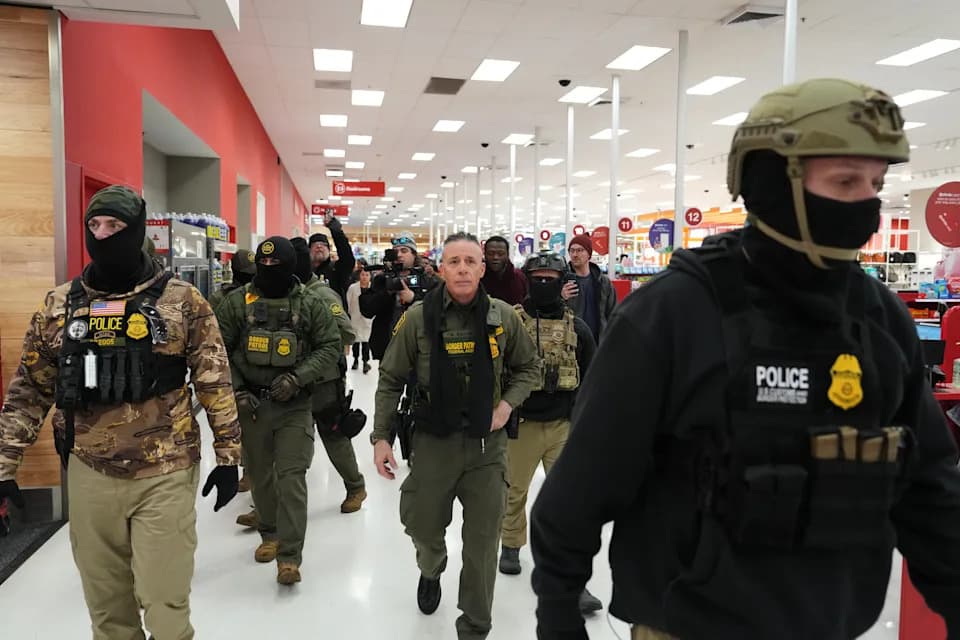
A viral video showing U.S. Border Patrol Commander Gregory Bovino being escorted out of a Speedway convenience store by a man who identified himself as a manager has reignited debate over whether private businesses may lawfully or ethically refuse service to federal law-enforcement personnel.
The footage, recorded by conservative activist Cam Higby, appears to show the manager following Bovino out of the store and telling bystanders, "Because I wanted to. I don’t support ICE and nobody here does." In the recording the employee can also be heard saying, "If it is [illegal] I personally don’t care." Bovino did not comment on camera.
Corporate Response: Fox News Digital contacted Speedway and its parent company, 7-Eleven, but received no substantive comment beyond an automated commitment to forward the inquiry to the appropriate department. The clip rapidly circulated online and drew criticism and calls for boycotts from conservative viewers.
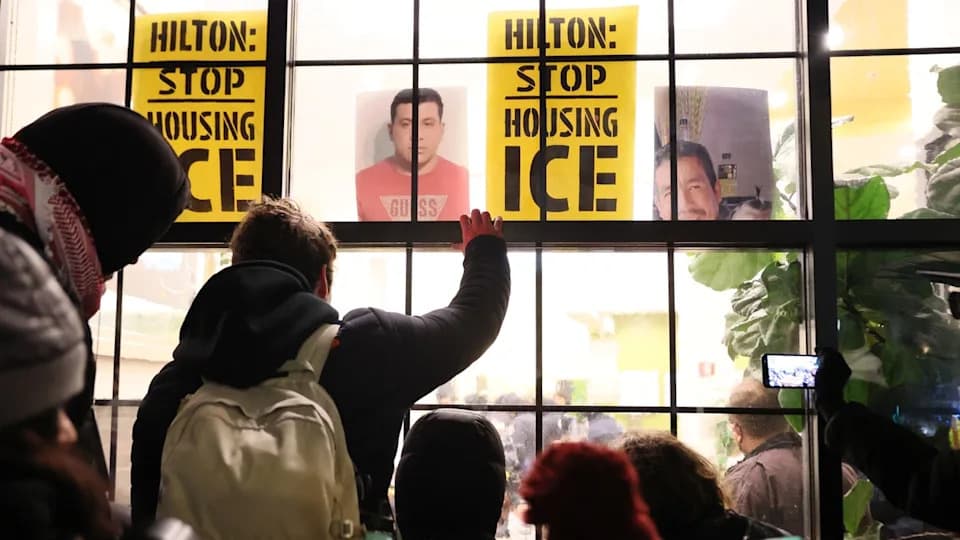
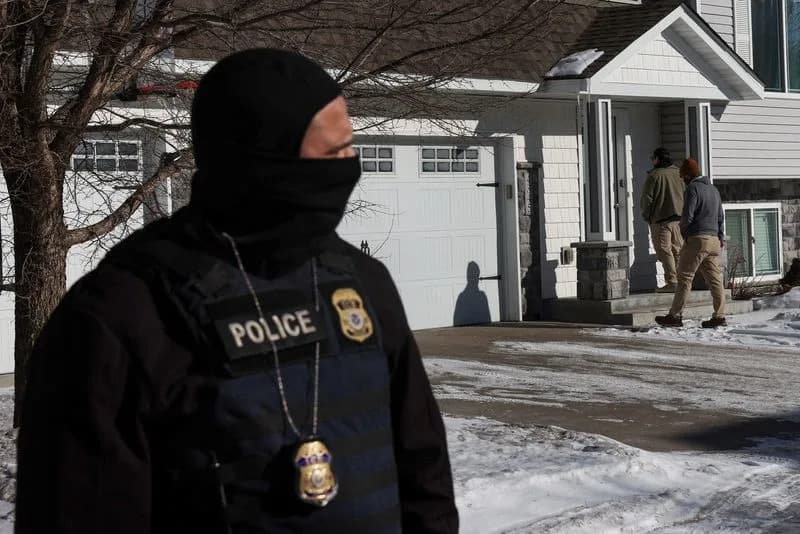
Related Incidents: The Speedway episode follows a string of similar confrontations. At a Hampton Inn franchise in Lakeville, Minnesota, employees reportedly canceled reservations for ICE agents and told them they were not welcome; Hilton and the franchisee Everpeak Hospitality later apologized, removed the property from Hilton’s system and had the hotel sign taken down. Hilton CEO Christopher Nassetta told The Guardian the company also closed a DoubleTree where agents were staying after bomb threats, adding that a property closed for safety reasons is "closed to all."
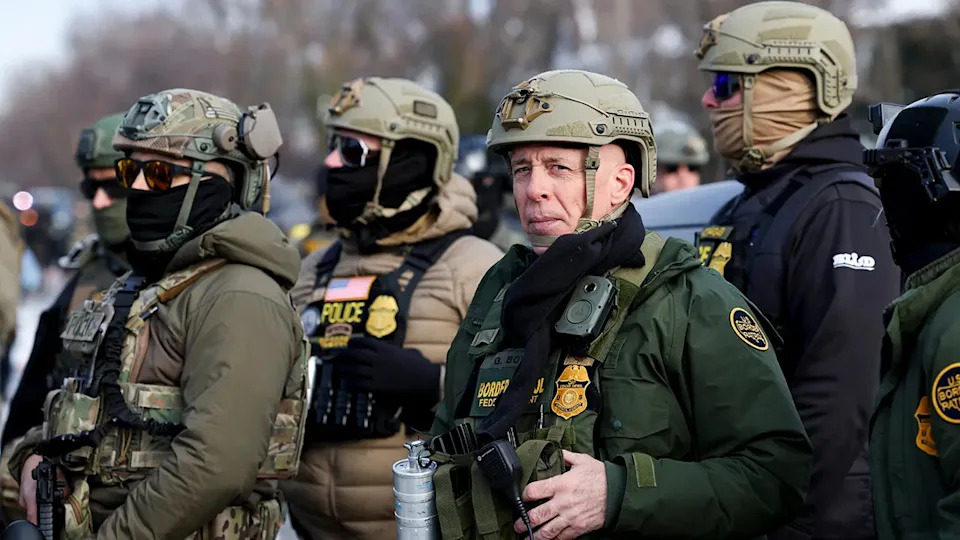
U.S. Border Patrol Cmdr. Gregory Bovino, center, joins federal agents at the scene of a shooting in Minneapolis.
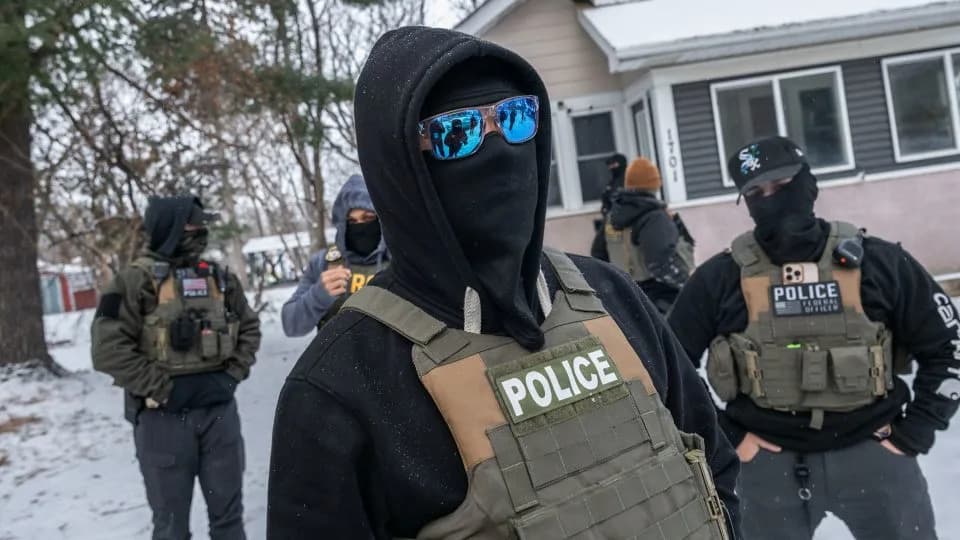
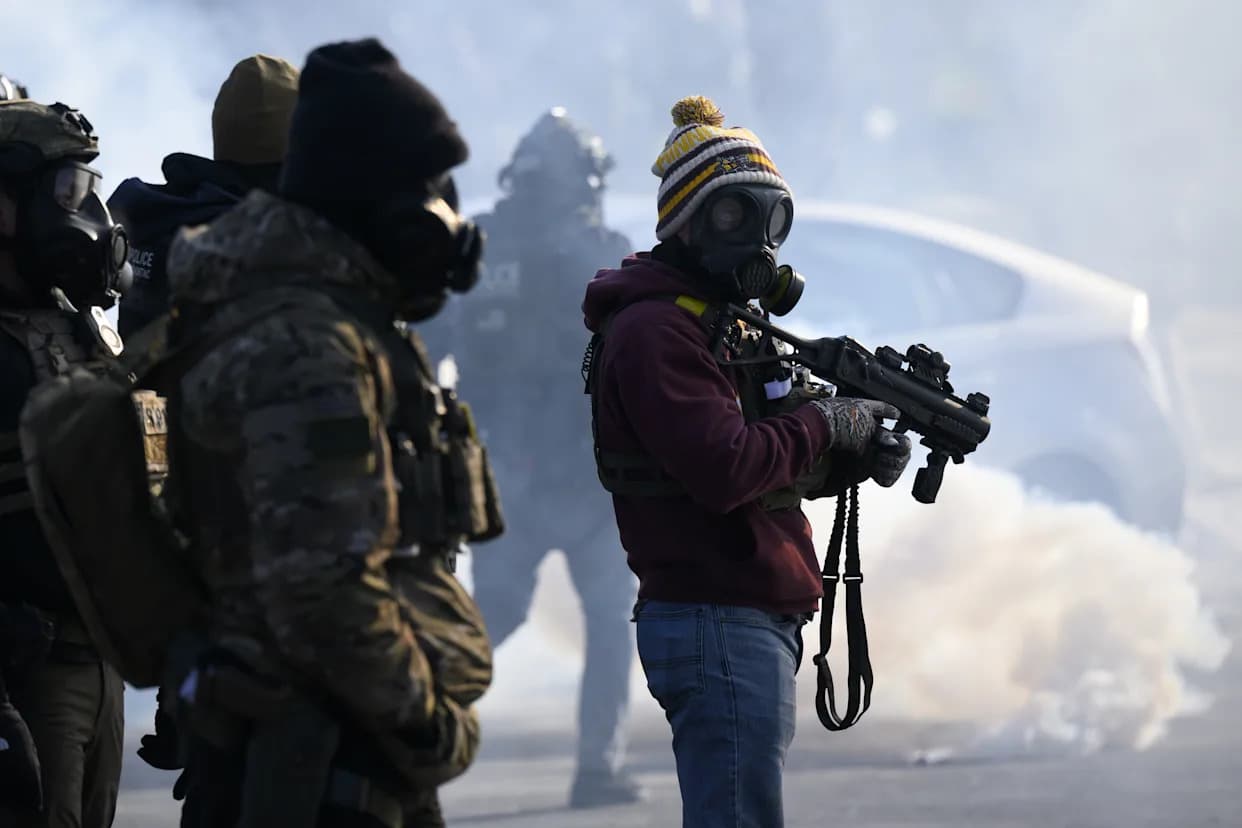
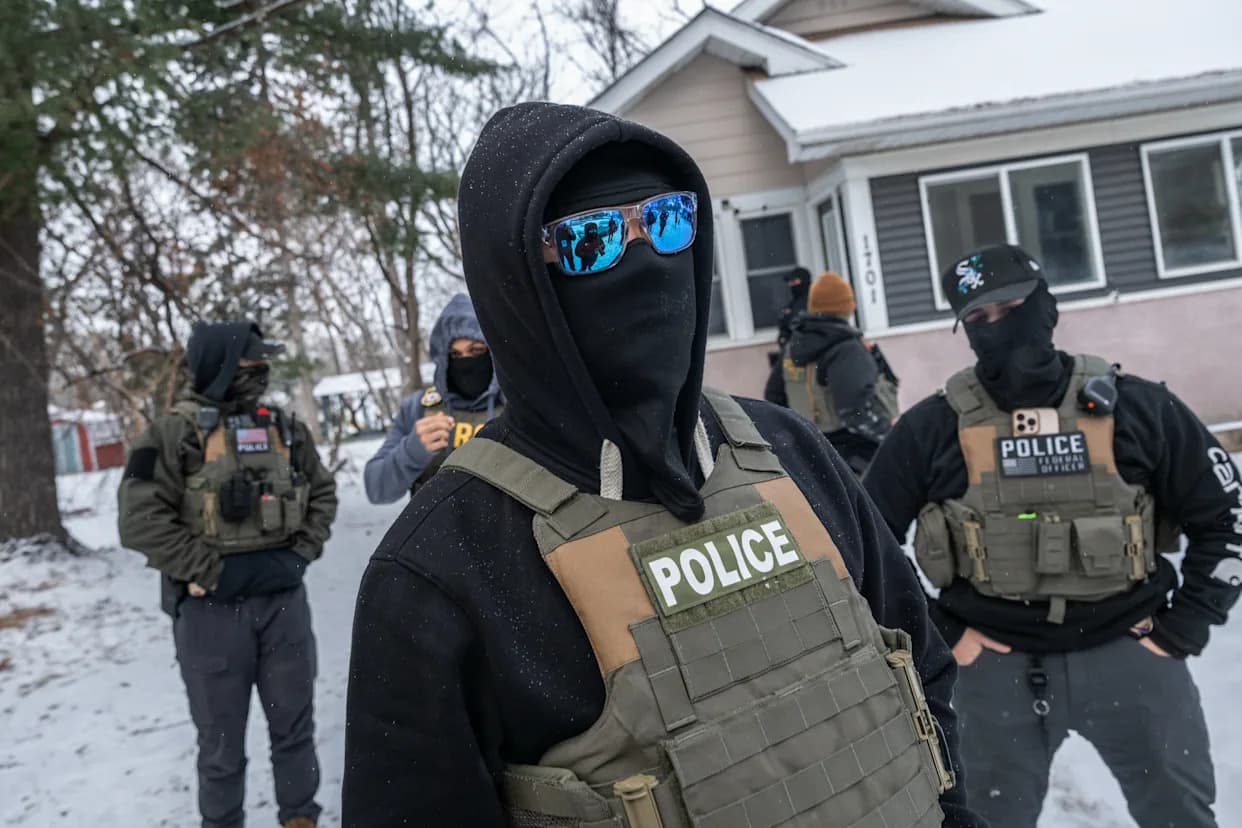
Deputy Homeland Security Secretary Tricia McLaughlin told reporters that agents have encountered agitators at several fuel stations. Other media reports have recounted separate denials of service involving federal officials; when possible, those incidents have been described as reported events rather than proven facts.
Legal And Ethical Questions: Legal experts say the law on refusing service hinges on anti-discrimination statutes and the contractual or franchise obligations companies maintain. Private businesses in many jurisdictions generally have discretion to refuse service so long as they are not discriminating against a protected class (race, religion, national origin, etc.). Federal law-enforcement status is not itself a protected characteristic in most anti-discrimination statutes, though local rules and franchise agreements can impose limits.
"It’s shameful conduct to try to penalize men and women who are going out, day in and day out, seeking to enforce federal... law," said Zack Smith, a former assistant U.S. attorney and now a senior legal fellow at the Heritage Foundation’s Institute for Constitutional Government. Smith added that businesses may have a legal right to refuse service but doing so can be morally wrong and commercially damaging.
Public Reaction And Consequences: The viral Speedway clip produced swift online outrage among conservative audiences and calls for consumers to punish the chain and its parent company economically. Experts say consumer pressure and public relations consequences are often the most immediate remedies when businesses take controversial public positions or actions.
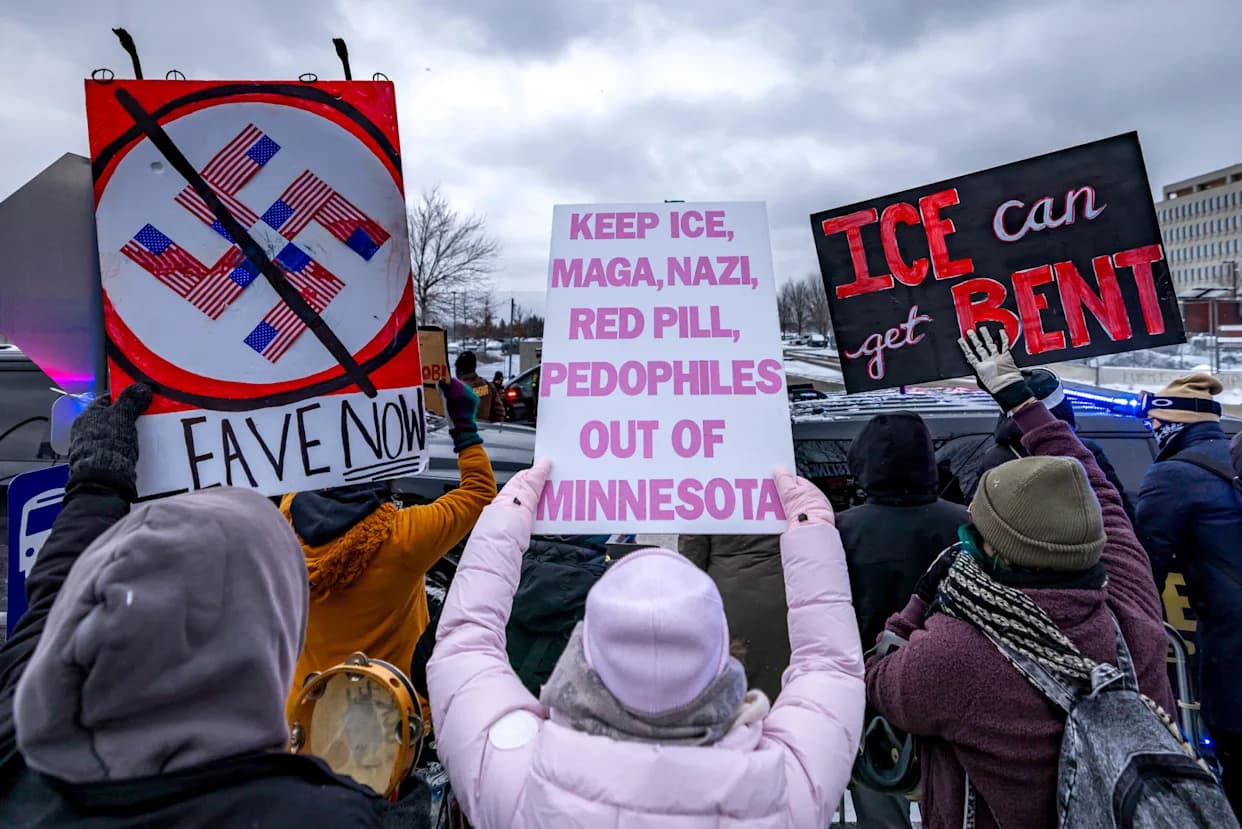
Broader Debate: These episodes have intensified a broader national conversation about the boundaries of private business discretion, civil protest, and protections for people performing official duties. Advocates for law-enforcement personnel argue that refusing service undermines public safety and penalizes employees for their lawful duties; critics maintain that citizens and private businesses have rights to express opposition to government policies through protests and business decisions.
As the debate continues, the issue raises practical and legal questions for corporations, franchise owners and local policymakers about how to balance customer choice, employee conduct, public safety and non-discrimination obligations.
Help us improve.