Egypt’s deployment of Bayraktar Akinci drones at the East Oweinat airstrip signals a sharper Egyptian role in the Sudan conflict. Satellite imagery and defence analysts identify Akinci UAVs at the base and show runway upgrades consistent with sustained operations. Flight-tracking data points to Turkish flights to the strip, while the deployment heightens risks of regional spillover amid competing foreign backers.
Egypt Places Advanced Bayraktar Akinci Drones at Border Airstrip, Raising Stakes in Sudan War
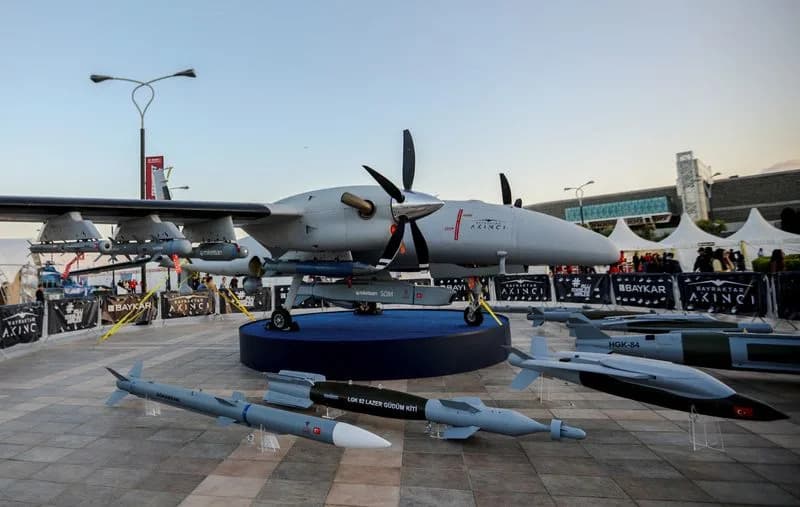
FILE PHOTO: A Bayraktar Akinci unmanned combat aerial vehicle is exhibited at Teknofest aerospace and technology festival in Baku, Azerbaijan, May 27, 2022. REUTERS/Aziz Karimov/File Photo
The appearance of Turkey's advanced Bayraktar Akinci combat drone at the remote East Oweinat airstrip in southwestern Egypt marks a significant escalation in the conflict in Sudan and signals a potential deepening of Egyptian involvement, according to more than a dozen officials, analysts and satellite imagery reviewed by Reuters.
What The Imagery Shows
Satellite images from Vantor and Planet Labs taken between September and January show one or more large unmanned aircraft on the apron and outside hangars at East Oweinat. Military specialists who reviewed the images identified the aircraft as Bayraktar Akinci drones by their distinctive fuselage and wing shape. Imagery also documents renovations at the airstrip since July, including runway repaving, new access roads and small new structures—consistent with preparations for sustained operations.
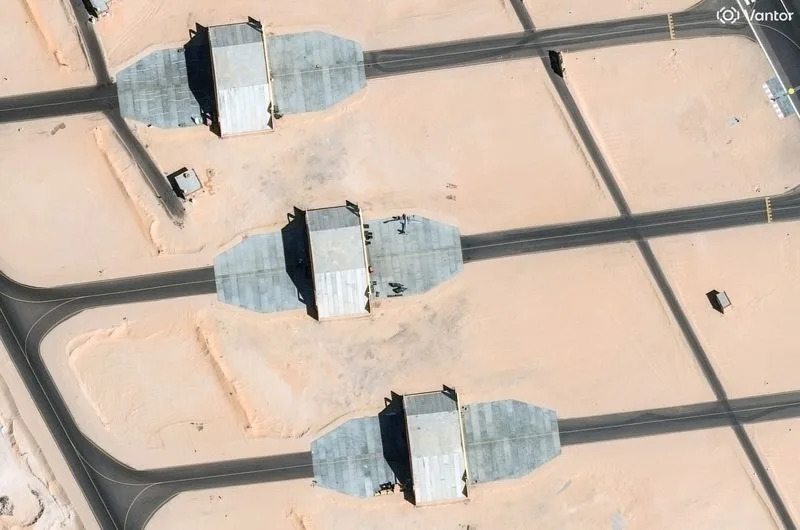
A satellite image shows a Bayraktar Akinci, an unmanned combat aerial vehicle, at an airport in East Oweinat, Egypt, December 28, 2025. ©2026 Vantor/Handout via REUTERS THIS IMAGE HAS BEEN SUPPLIED BY A THIRD PARTY. NO RESALES. NO ARCHIVES. MANDATORY CREDIT. MUST NOT OBSCURE LOGO. THE WATERMARK MAY NOT BE REMOVED/CROPPED. VERIFICATION: Three military experts confirmed to Reuters that the drone in the images is an Akinci UCAV. The drone in the imagery matched file imagery of the Akinci UCAV.
Why It Matters
East Oweinat sits roughly 60 km (about 37 miles) from the Sudanese border and less than 400 km from the strategically sensitive border triangle with Libya and Sudan. Analysts say the deployment increases Cairo's ability to monitor and, if ordered, strike RSF positions in Darfur and along smuggling corridors that have helped the Rapid Support Forces (RSF) sustain recent advances.
“The presence of Akinci drones at East Oweinat is an indication of Egypt’s recent policy to be more involved in Sudan,” said Justin Lynch, managing director of Conflict Insights Group.
Regional Context and Foreign Involvement
Egypt has long backed Sudan’s military politically and, according to sources, provided discreet logistical and technical assistance. The country’s posture hardened after RSF gains in Darfur—most notably the capture of a northwestern border triangle in June and the fall of al-Fashir in October—which Cairo has described as threats to its national security and “red lines.”
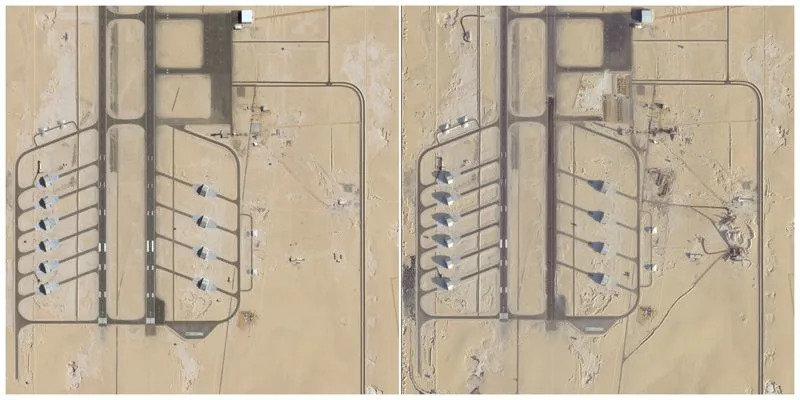
A combination picture of satellite imagery showing the East Oweinat airfield, April 11, 2025 (left), and the airfield after the start of renovations to a runway and other construction work, in East Oweinat, Egypt, January 21, 2026 (right). 2026 Planet Labs PBC/Handout via REUTERS
The conflict has attracted numerous external actors: Turkey and Iran have supplied drones to Sudan’s military, the UAE has been accused by U.N. experts of arming the RSF (a claim Abu Dhabi denies), and Qatar, Saudi Arabia and the United States have all played political roles. Flight-tracking data from FlightRadar24 shows multiple cargo flights to East Oweinat originating from Turkey since September, including Turkish Air Force-operated flights from Tekirdag—the Turkish test site for Akinci systems—though the flights’ cargo has not been independently verified.
Claims, Counterclaims and Uncertainties
The RSF has accused Egypt of conducting airstrikes against its forces and claims it has shot down several Akinci drones; Reuters could not independently verify those claims. Two social-media videos purportedly showing an Akinci wreck near Nyala were judged by military experts to be consistent with Akinci debris, but timing, location and operator remain unconfirmed.
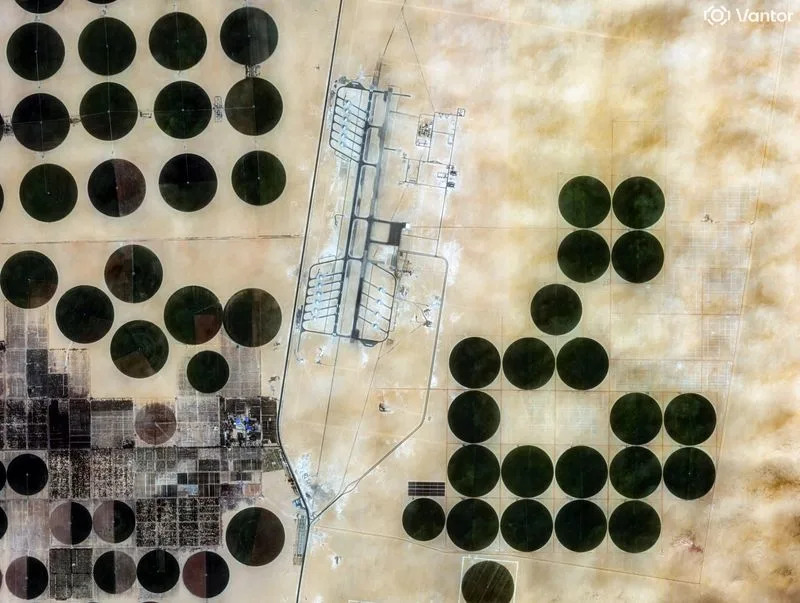
A satellite image shows a Bayraktar Akinci, an unmanned combat aerial vehicle, at an airport in East Oweinat, Egypt, January 9, 2026. ©2026 Vantor/Handout via REUTERS THIS IMAGE HAS BEEN SUPPLIED BY A THIRD PARTY. NO RESALES. NO ARCHIVES. MANDATORY CREDIT. MUST NOT OBSCURE LOGO. THE WATERMARK MAY NOT BE REMOVED/CROPPED. VERIFICATION: Three military experts confirmed to Reuters that the drone in the image is an Akinci UCAV. The drone in the image matched file imagery of the Akinci UCAV.
Turkish officials previously said Ankara intended to sell drones to Egypt after diplomatic normalization in 2024, and a Turkish Defence Ministry source indicated an agreement to sell Akinci drones was reached that year. Baykar, Turkey’s SSB (Turkish Defence Industries Presidency) and Egyptian authorities did not answer requests for comment for this report.
Implications
Analysts warn the deployment raises the risk of broader regional spillover and complicates efforts by the so-called Quad (Egypt, Saudi Arabia, the UAE and the United States) to mediate a ceasefire. Cairo’s move reflects both immediate security concerns and shifting regional alignments—particularly tensions among Gulf states—that could reshape intervention dynamics in Sudan.
Sources: Reuters reporting; satellite imagery from Vantor and Planet Labs; expert commentary from Janes (Jeremy Binnie) and PAX (Wim Zwijnenburg); FlightRadar24 tracking data.
Help us improve.