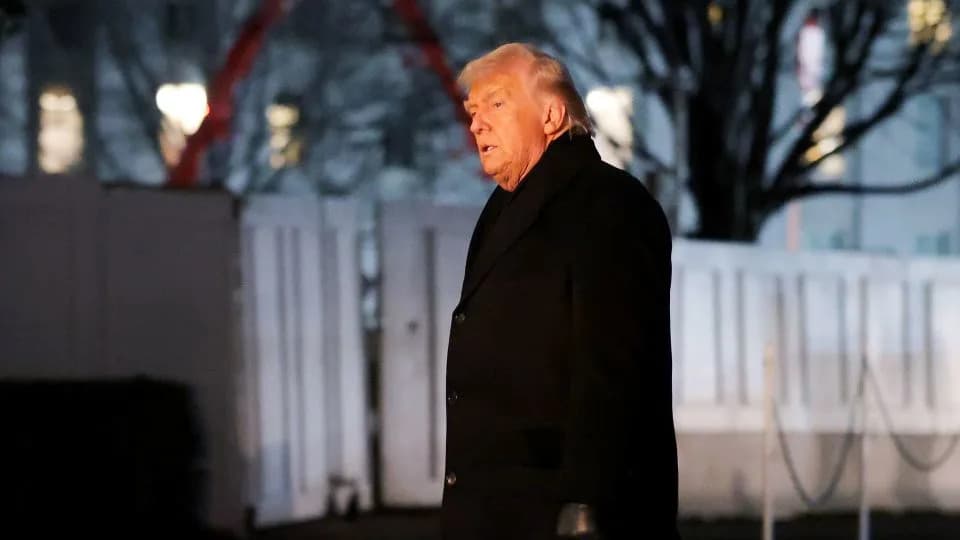
The Department of Justice's Deputy Attorney General Todd Blanche sparked criticism after saying on ABC that unlawful presence in the U.S. is a crime, a claim legal experts dispute. Observers cited the Supreme Court's Arizona v. United States (2012) decision, which found mere presence as a removable alien is not a criminal offense. Blanche also argued detainees should often be held pending proceedings and defended federal agents' actions in recent Minnesota operations.
Deputy AG Todd Blanche Misstates Immigration Law on National TV, Sparking Backlash
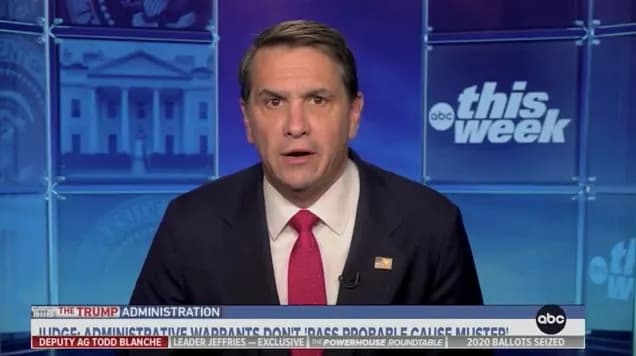
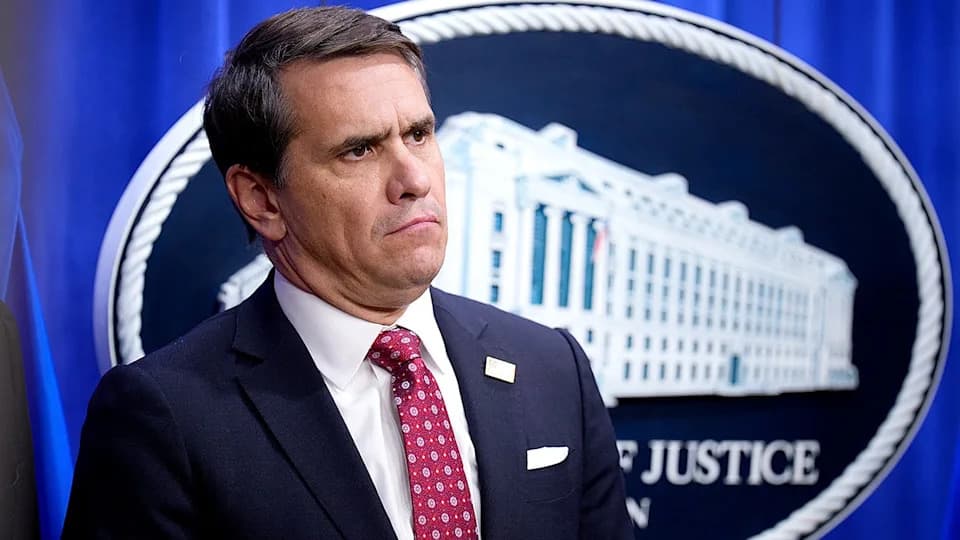
Todd Blanche claimed that all illegal immigrants are criminals, having committed a crime just by being in the U.S. / ABC News
Todd Blanche, 51, the Department of Justice's Deputy Attorney General and a former criminal defense lawyer for the president, drew sharp criticism after saying on ABC's This Week that being in the United States without authorization is itself a crime. Legal experts and observers quickly disputed his claim and pointed to Supreme Court precedent finding otherwise.
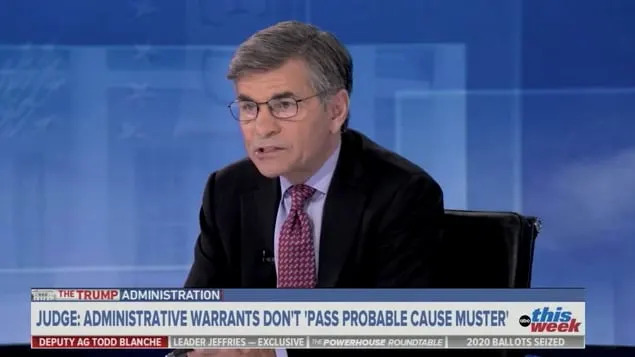
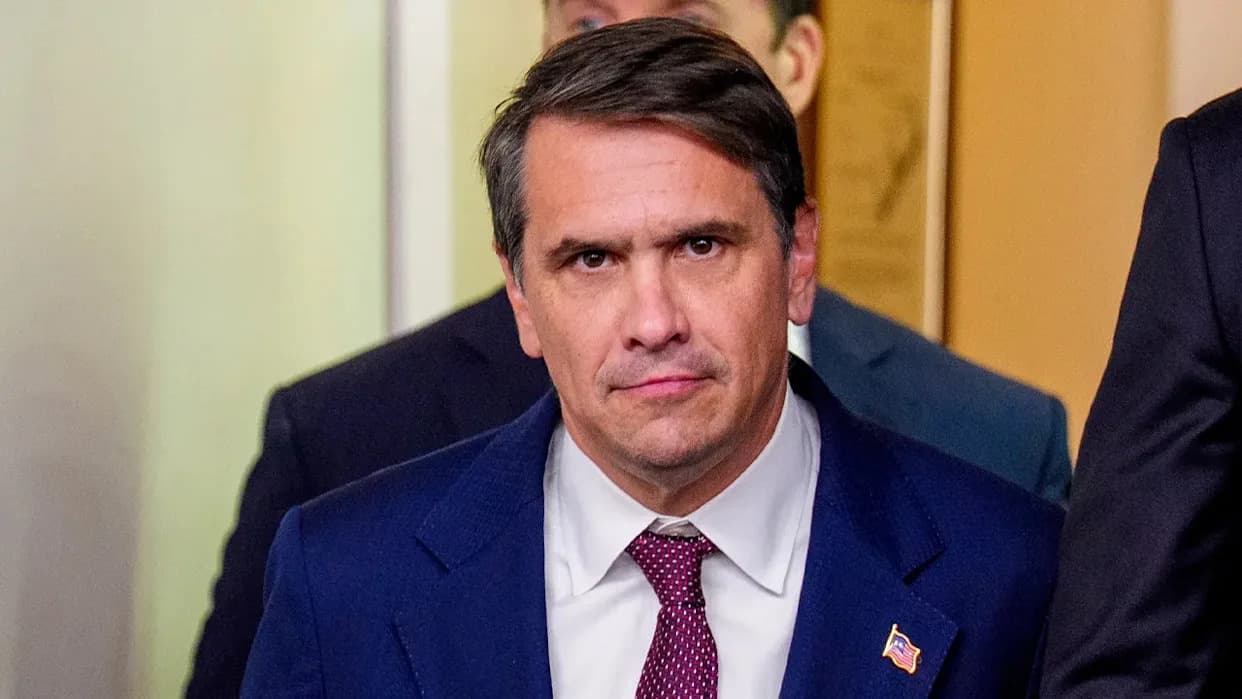
Blanche also told host George Stephanopoulos that tthere's a 'schism' in the legality of holding detainees without bail. / ABC News
What Was Said On Air
During the interview, host George Stephanopoulos noted that "about 70% at least of those who have been detained don't have criminal records." Blanche responded by equating unlawful presence with criminality, arguing that entering or remaining in the country without authorization is a crime and therefore counts as a criminal record.
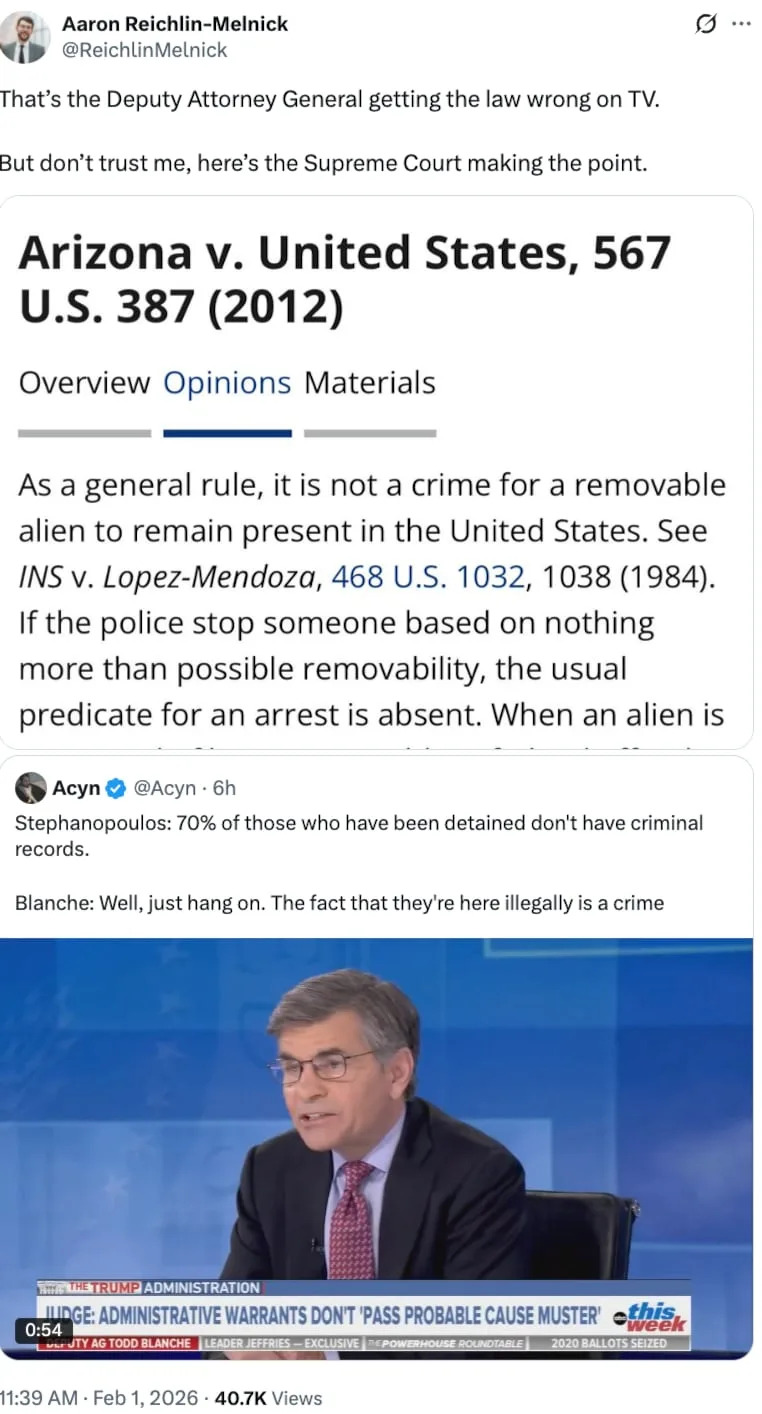
A screenshot of an X post from Aaron Reichlin-Melnick, a senior fellow at the American Immigration Council. / Screenshot/Aaron Reichlin-Melnick/X
Blanche: 'The fact that they’re here illegally is a crime. And so when you say they don’t have criminal records, by their presence, being here without status, having come into this country illegally or overstayed illegally, that is a crime.'
Legal Context
Immigration law distinguishes between criminal offenses and civil immigration violations. Critics pointed to the Supreme Court's ruling in Arizona v. United States (2012), which clarified that merely remaining in the United States as a removable alien is a civil violation and not a federal crime. Aaron Reichlin-Melnick of the American Immigration Council publicly cited that decision in rebuttal to Blanche's comments.
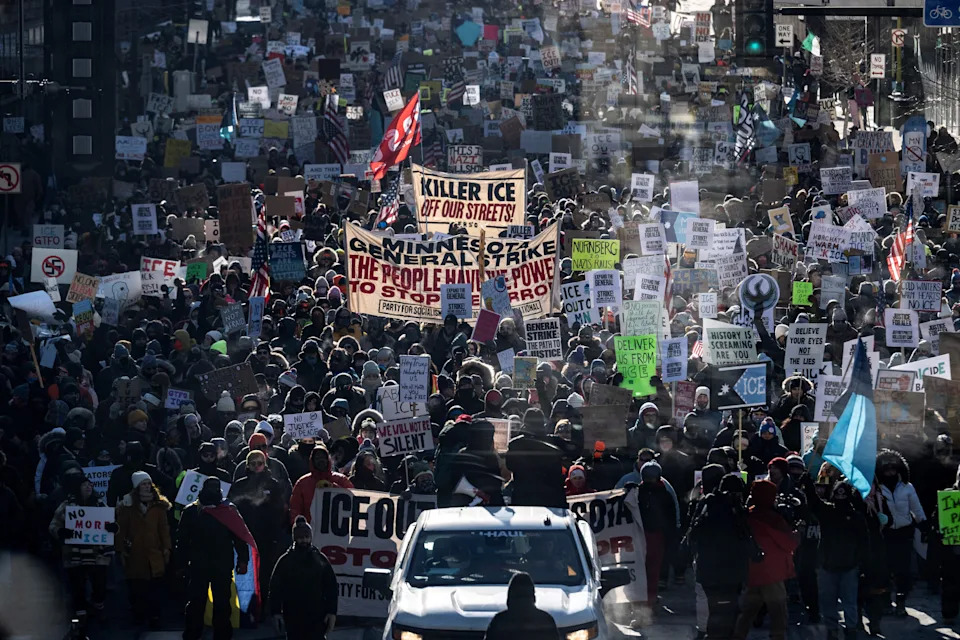
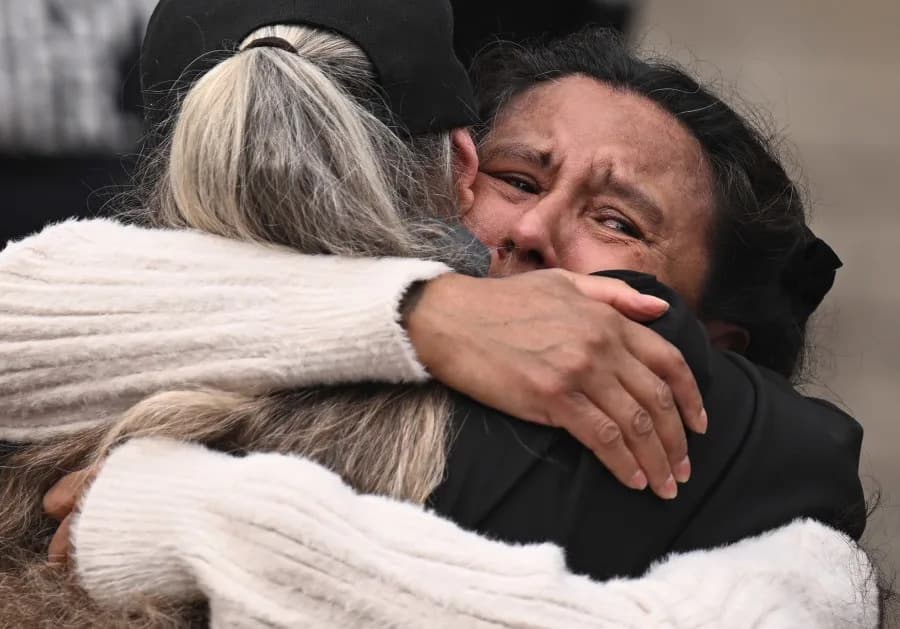
Blanche argued that 'we have to be careful' with illegal immigrants, having recently praised ICE in their work against 'violent felons' in Minnesota. / ROBERTO SCHMIDT / AFP via Getty Images
On Detention And Bail
Blanche also addressed whether noncitizens may be detained pending removal proceedings, describing a "schism" in the law and saying the Justice Department 'very strongly believes that they should be held.' The question of detention pending proceedings involves statutory provisions, judicial interpretation, and factual determinations in individual cases.
Public Reaction And Broader Implications
The televised exchange drew widespread attention on social media. Commenters accused Blanche either of misunderstanding the law or of intentionally framing it to support tougher enforcement. Even AI accounts and independent analysts weighed in, amplifying the dispute over DOJ messaging and enforcement priorities.
Related Remarks About Enforcement
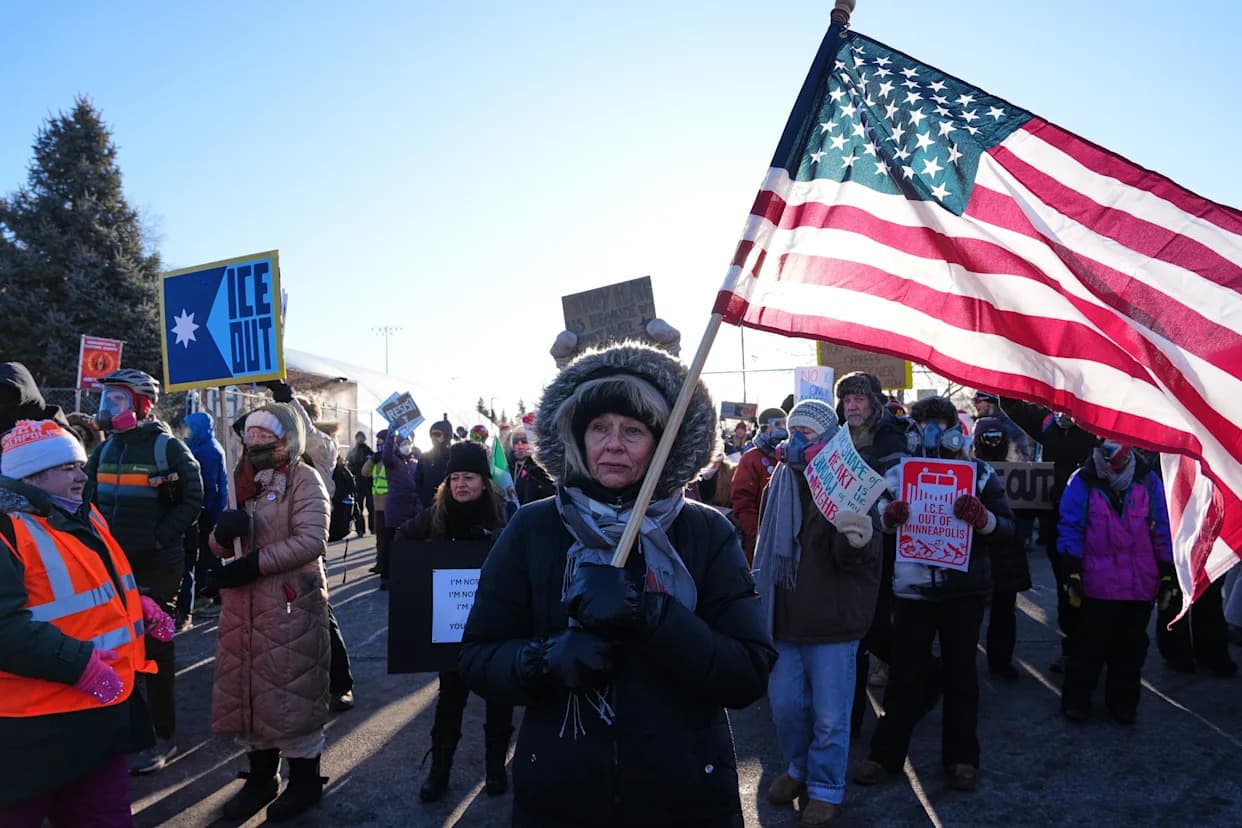
The episode followed Blanche's recent appearance on Meet the Press, where he defended federal agents involved in enforcement actions in Minnesota. When host Kristen Welker showed images of forceful encounters and asked whether agents were acting humanely, Blanche replied that agents were 'acting humanely' and described their work as difficult while seeking to apprehend 'violent felons' without local or gubernatorial support.
This incident raises questions about public legal messaging from senior DOJ officials, the distinction between civil and criminal immigration violations, and how those distinctions inform detention and enforcement policies.
Help us improve.