Japan’s Fu-Go program launched roughly 9,300 hydrogen-filled paper balloons toward North America in late 1944–1945, each carrying incendiary and explosive charges intended to start fires and create panic. One famous incident involved the crew of the USS New York, which fired about 300 rounds at what they thought was a Japanese balloon, only to learn it was the planet Venus. Most Fu-Go balloons caused little damage, but a single explosion on May 5, 1945 killed six people in Oregon. Remnants appeared for decades, and the episode regained relevance after a 2023 surveillance balloon crossed U.S. airspace.
When the U.S. Navy Fired at Venus: The Strange Story of WWII Fu-Go Balloon Bombs
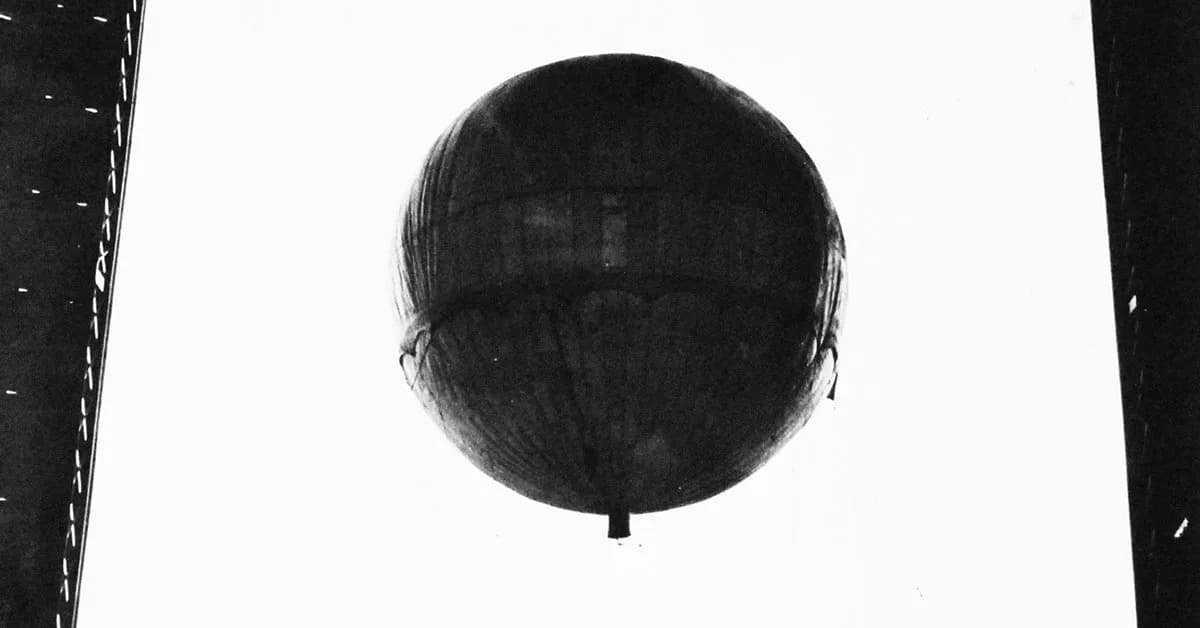
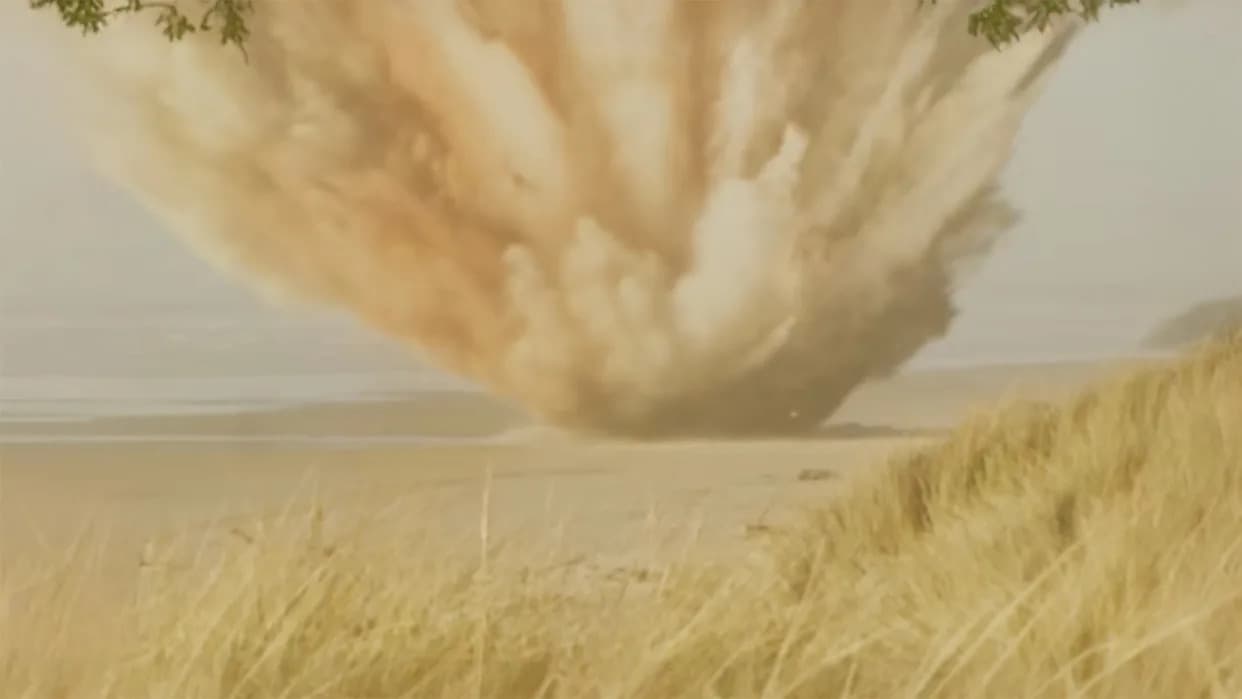
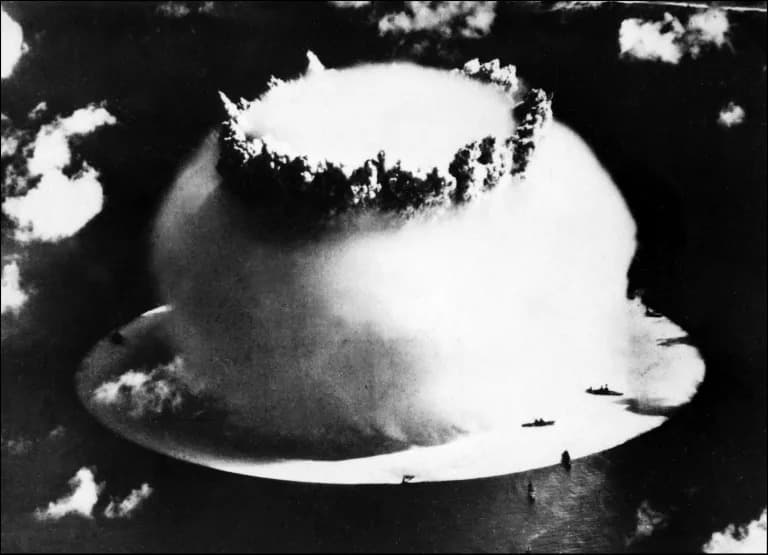
The Japanese let loose roughly 9,300 balloon bombs during World War II. (U.S. Navy)
During World War II, seemingly harmless balloons became a source of real fear. Japan’s Fu-Go program launched hydrogen-filled paper balloons designed to ride the jet stream to North America, carrying incendiary and explosive payloads meant to start fires and sow panic.
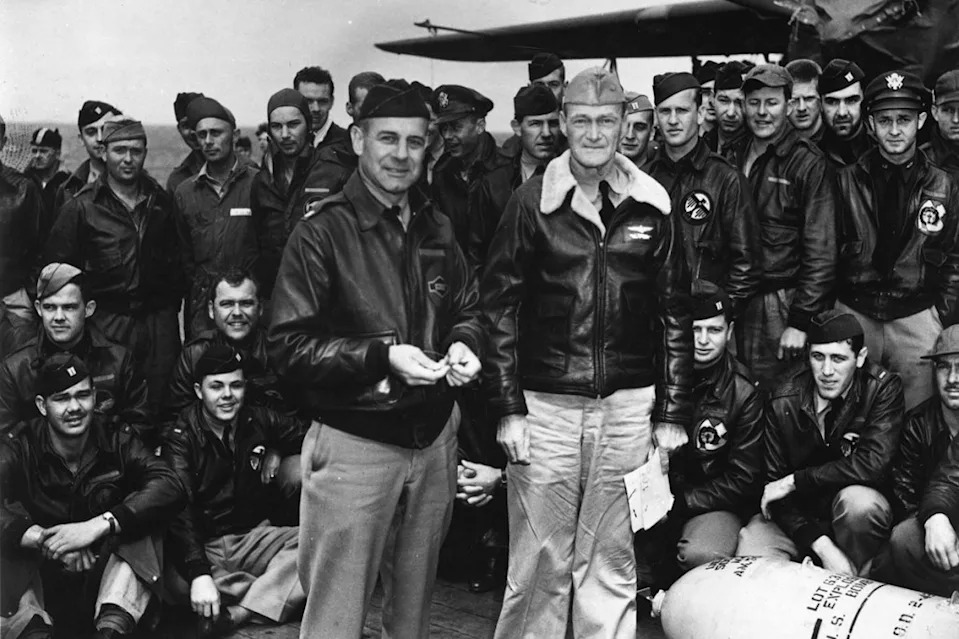
Army Air Forces Lt. Col. James Doolittle (left) aboard the USS Hornet. (U.S. Air Force)
What Were the Fu-Go Balloons?
The Fu-Go balloons were large paper envelopes roughly 33 feet in diameter, each carrying four incendiary charges (~11 pounds each) and a single high-explosive bomb (~33 pounds). Developed in the 1930s and deployed in retaliation for the Doolittle Raid, the balloons depended entirely on upper-atmosphere winds for transport and had no steering—making their landings unpredictable but potentially dangerous.
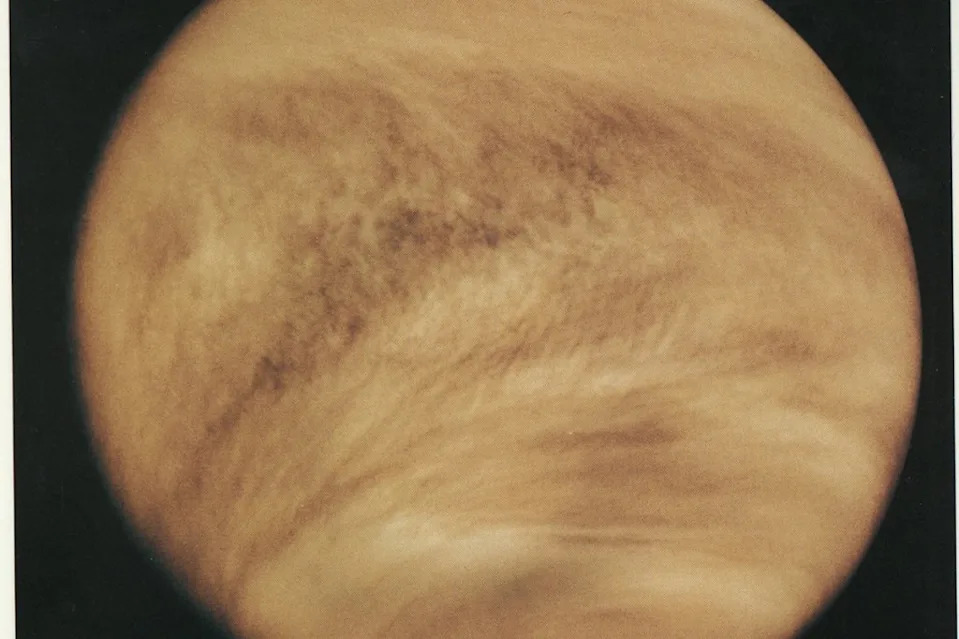
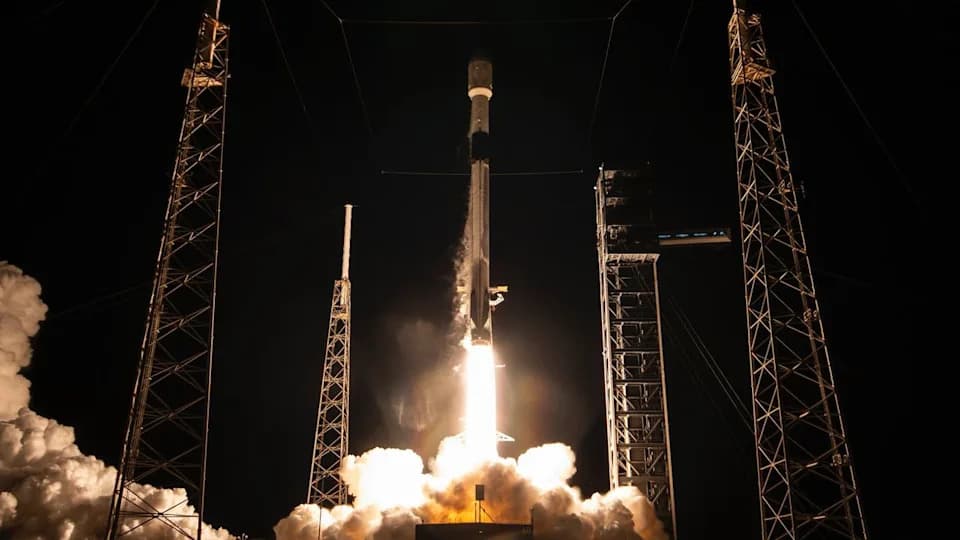
Does this look like a Japanese balloon bomb to you? (NASA)
The USS New York and the Case of Mistaken Identity
One well-known wartime anecdote illustrates the panic and difficulty of target identification at sea. The crew of the USS New York reported a suspected Japanese balloon weapon and opened fire. They elevated their guns from 5,000 to 7,500 and finally to the ship’s maximum firing elevation, 10,000 feet, as shells continued to fall short. After expending about 300 rounds, the ship’s navigator confirmed the “target” was in fact the planet Venus, not an enemy device. The episode lived on as a cautionary tale about observation under stress.
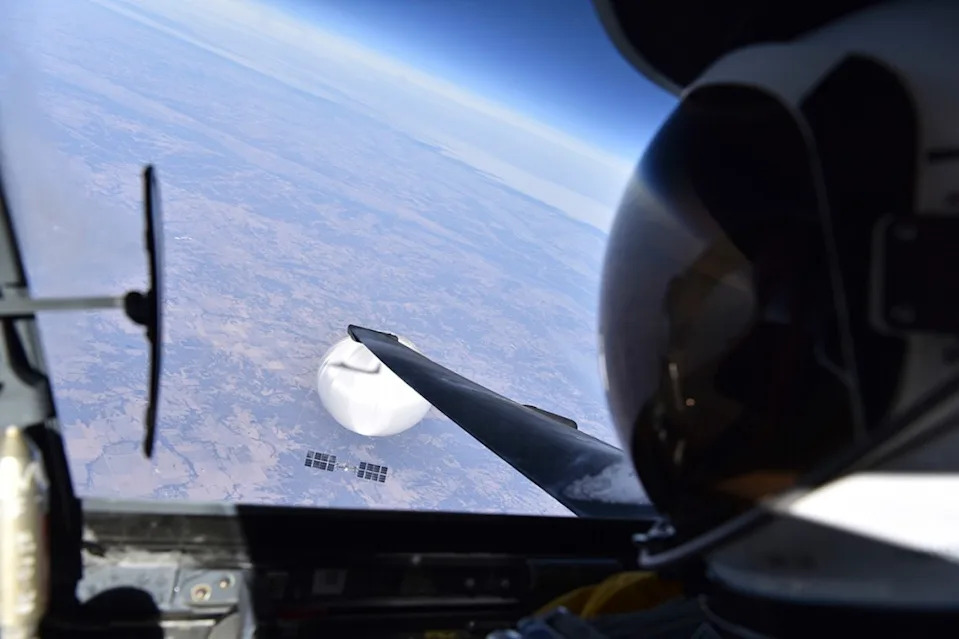
A U.S. Air Force pilot looks down at a suspected Chinese surveillance balloon as it hovered over the central United States on February 3, 2023. (U.S. Air Force)
Damage, Casualties, and Legacy
Between late 1944 and the spring of 1945, Japan launched roughly 9,300 Fu-Go balloons. About 300 were found or observed in the United States, Canada, and Mexico. Most caused only small fires or harmless debris, but the campaign produced one tragic outcome: on May 5, 1945, a Fu-Go device exploded near a picnic in Oregon, killing a reverend’s wife and five children.
“I… hurriedly called a warning to them, but it was too late,”
The reverend’s later account—reported by Smithsonian Magazine and other sources—captures the shock and sorrow of the incident.
Balloon finds clustered mainly in the Pacific Northwest, though reports came from states including Texas, Nebraska, South Dakota, Kansas, and Nevada. Remnants continued to appear for decades; for example, a balloon device detonated in British Columbia in 2014. During the war the U.S. military discouraged media reporting of sightings to limit public alarm and deny feedback to the enemy.
Decades later, the idea of airborne balloons as national-security threats resurfaced in 2023, when a Chinese surveillance balloon traversed U.S. airspace and was shot down after seven days—an episode that briefly echoed the Fu-Go story, though without the wartime confusion over celestial bodies.
Help us improve.