In the week since Alex Pretti was shot by federal agents, Nicollet Avenue in Minneapolis’s Whittier neighborhood has become a somber, active memorial. Residents and local businesses have turned restaurants and shops into makeshift aid stations, providing food, medical assistance and warm spaces as neighbors gather nightly for vigils. Reports of tear gas, projectiles and arrests have intensified community fear, especially among immigrant families. Political fallout included the demotion of a Border Patrol commander and public pledges to reduce the federal presence.
Pho, Handwarmers and Candlelight: Nicollet Avenue a Week After Alex Pretti’s Death
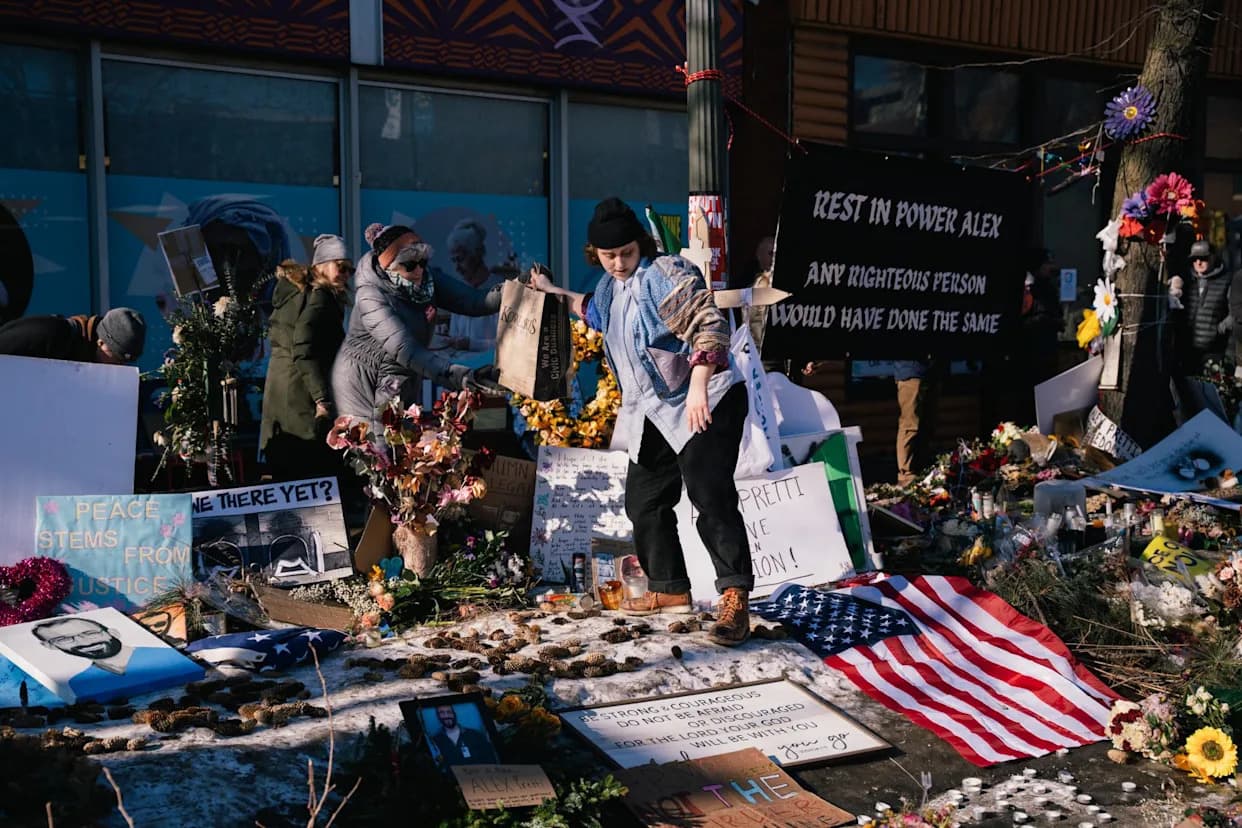
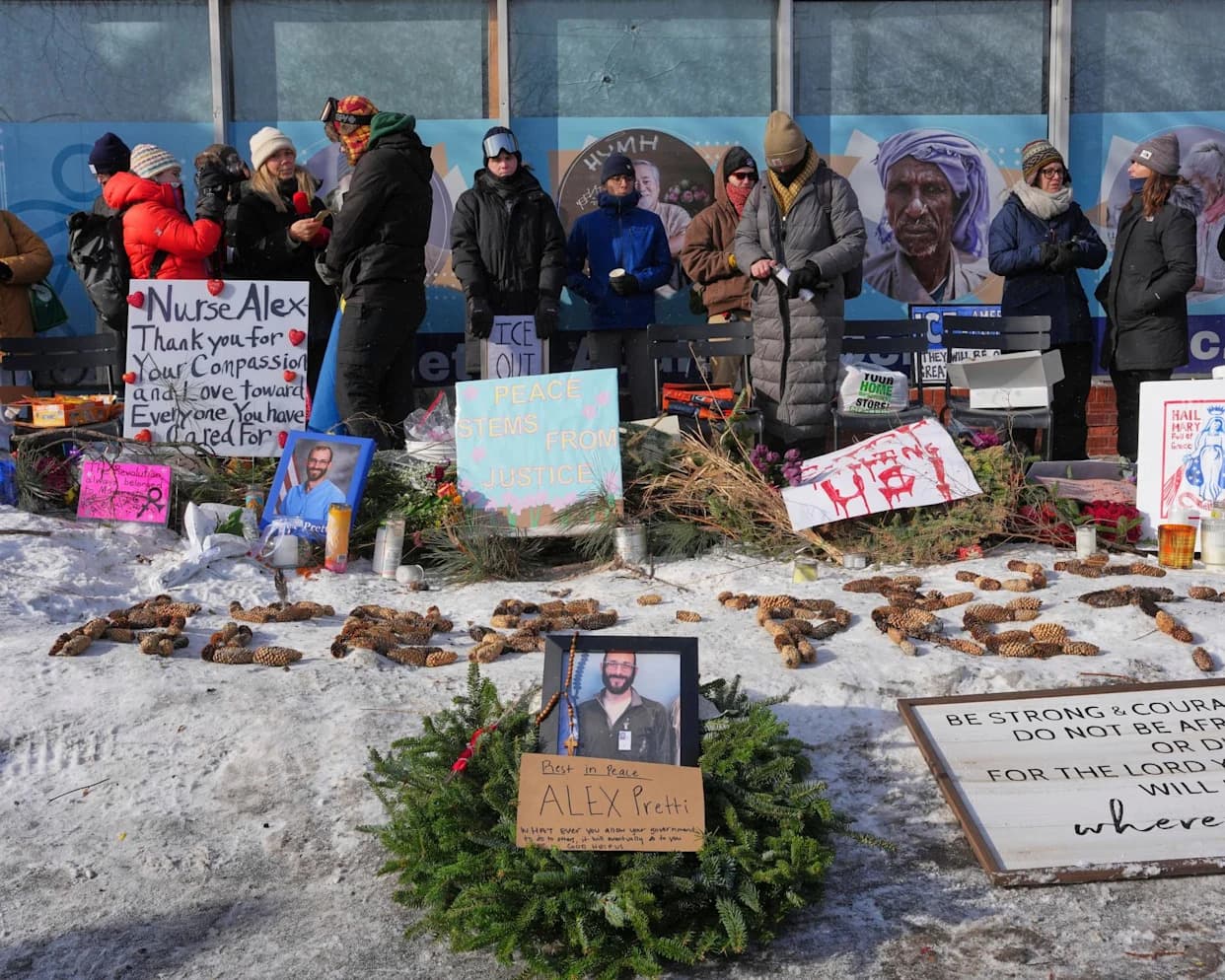
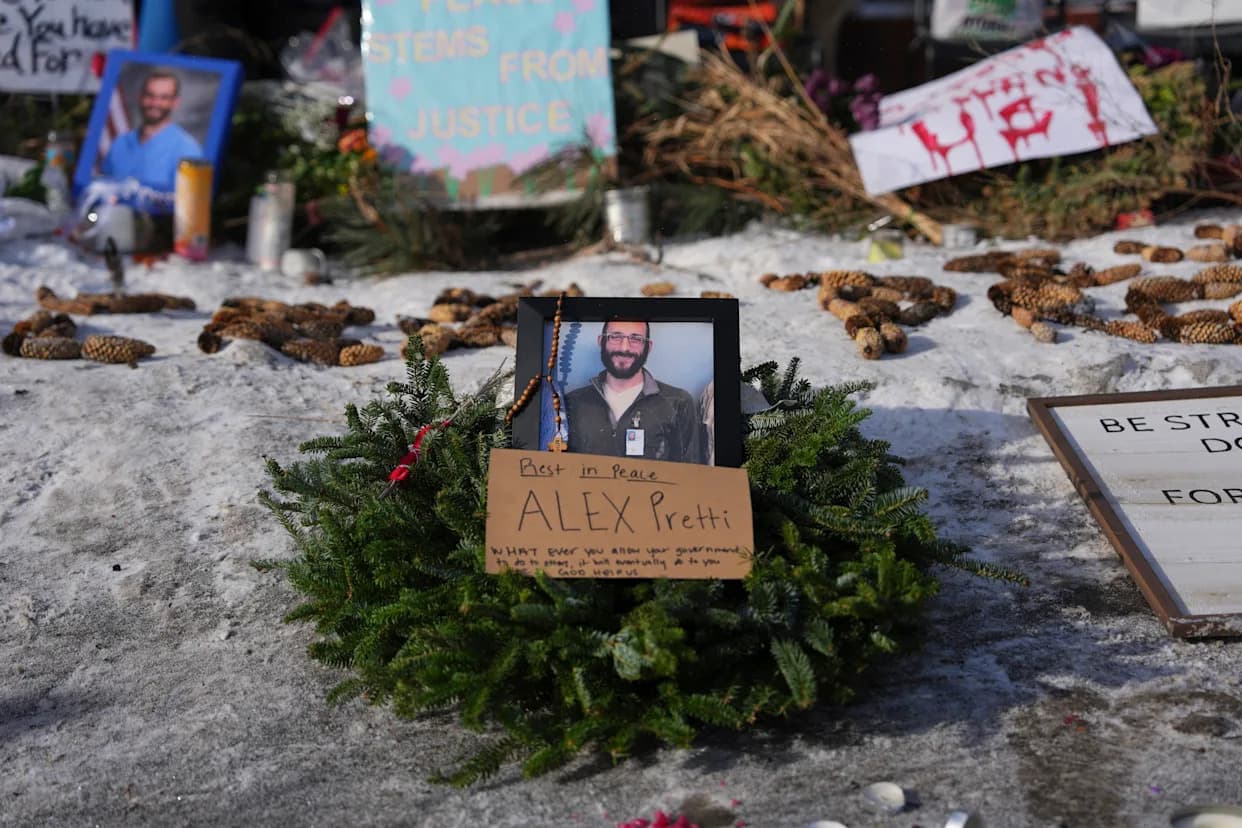
A memorial for Alex Pretti, in Minneapolis, Minnesota, on 24 January.Photograph: Paola Chapdelaine/The Guardian(Photograph: Paola Chapdelaine/The Guardian)
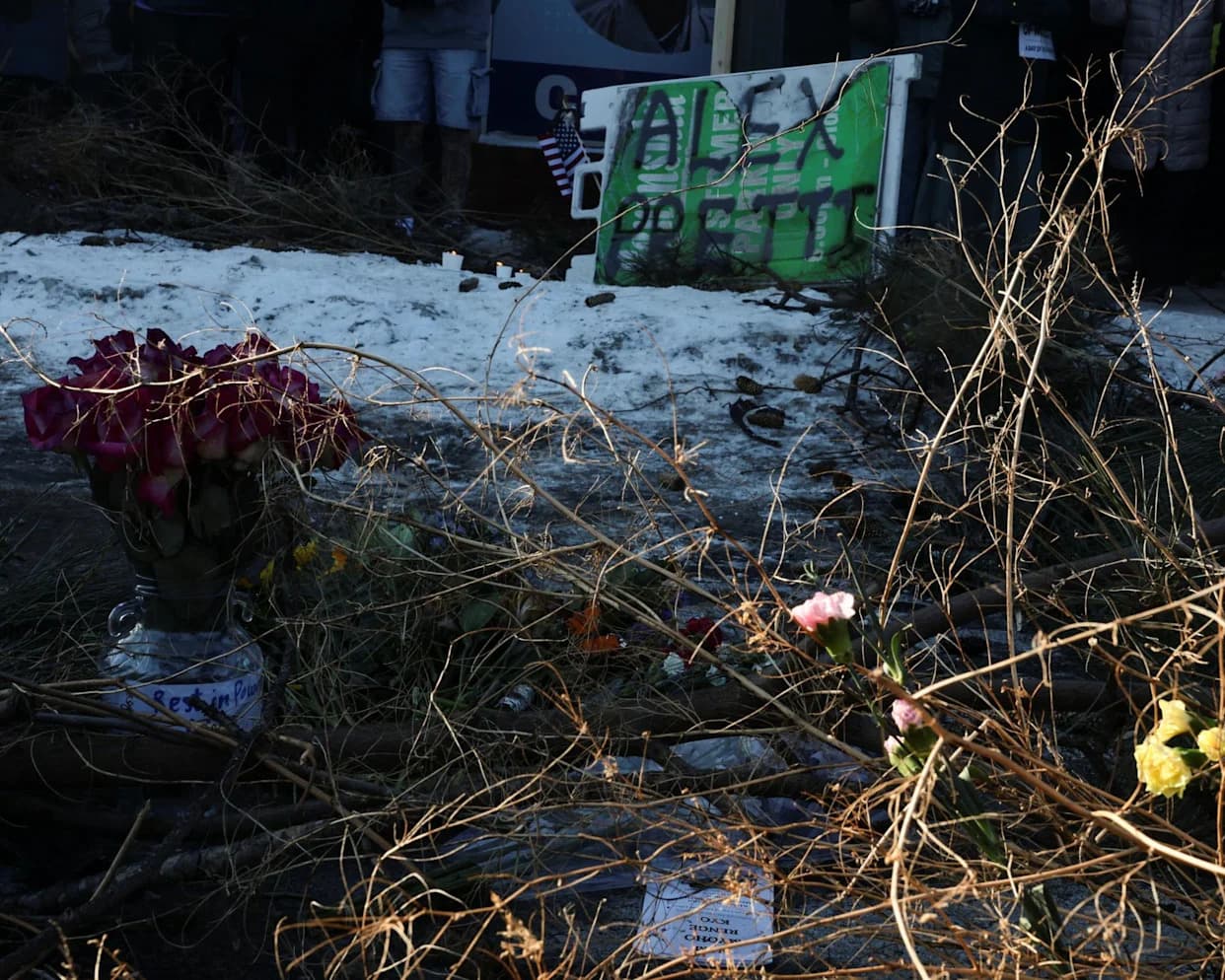
Nothing about Nicollet Avenue feels the same. The stretch between 26th and 27th streets where Alex Pretti was shot by federal agents is now marked by orange stakes and caution tape — a visible wound cutting across the block.
Memorials, Music and Vigil
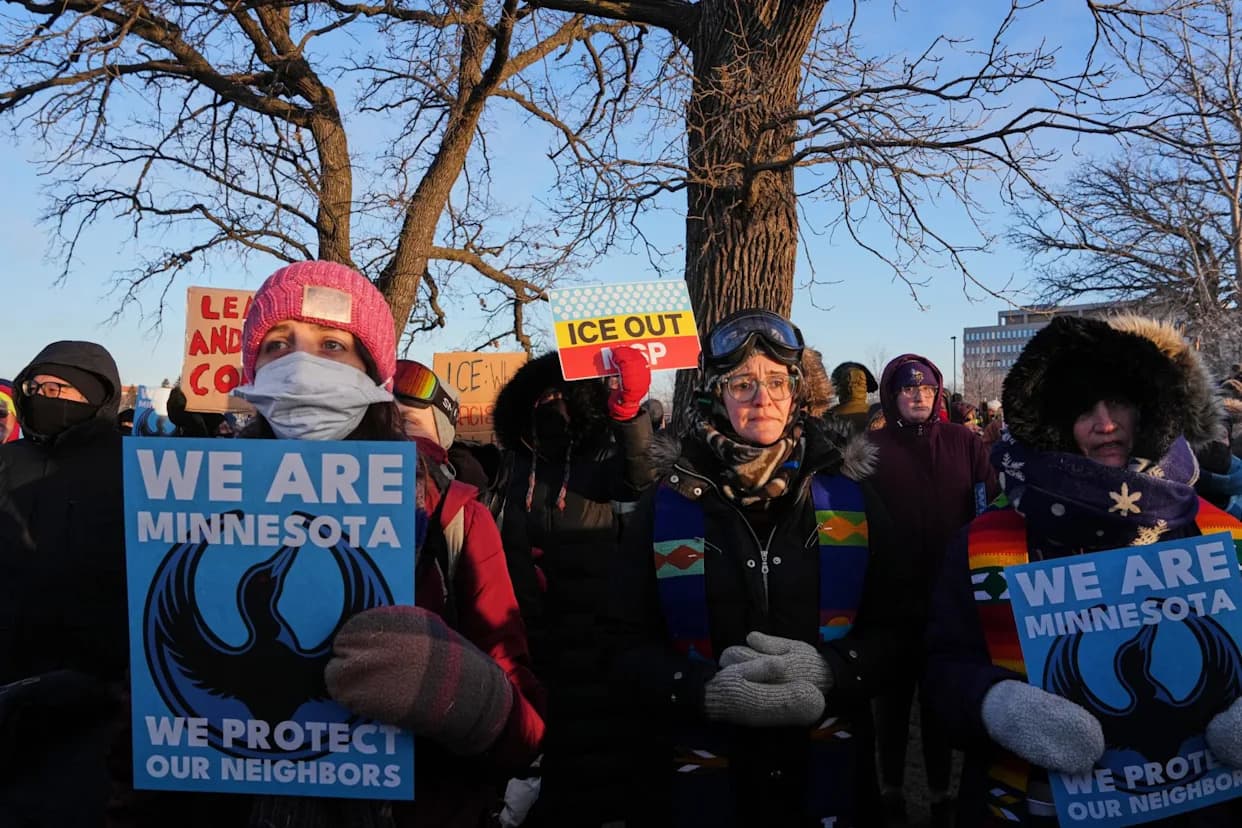
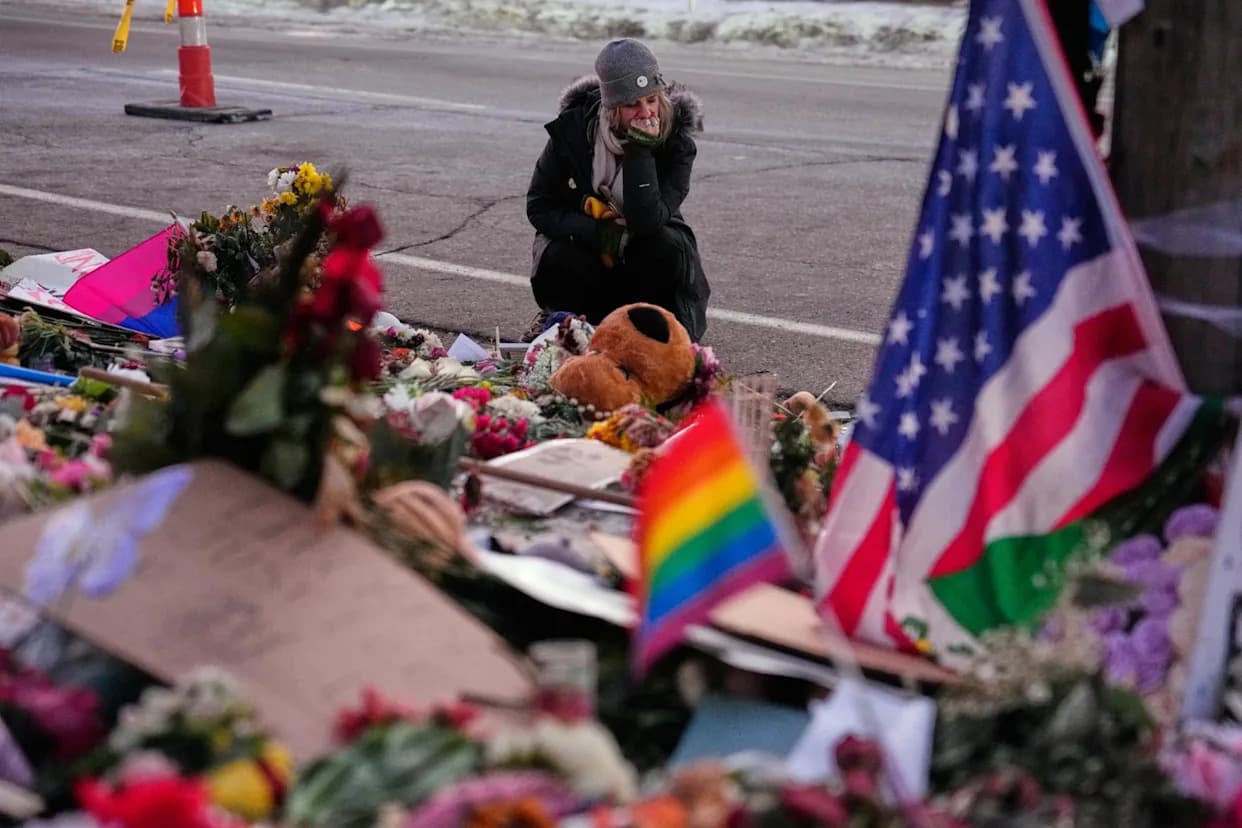
Neighbors have turned the site into a living memorial. Each day people refresh flowers, rearrange handwritten notes and sprinkle salt along the pavement to prevent ice. Each evening the block glows with candlelight and the mixed scents of dozens of votives, from prayer lamps to well‑worn scented candles pulled from closets.
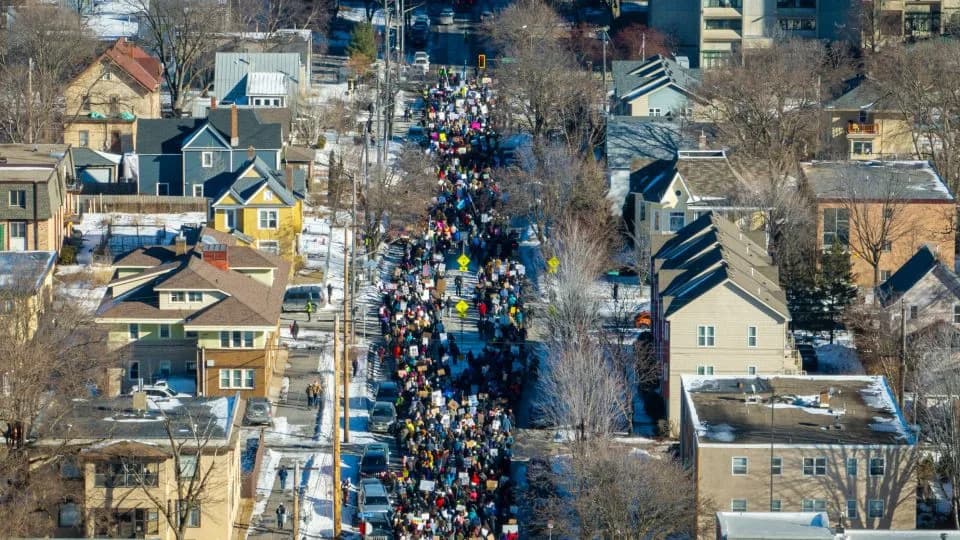
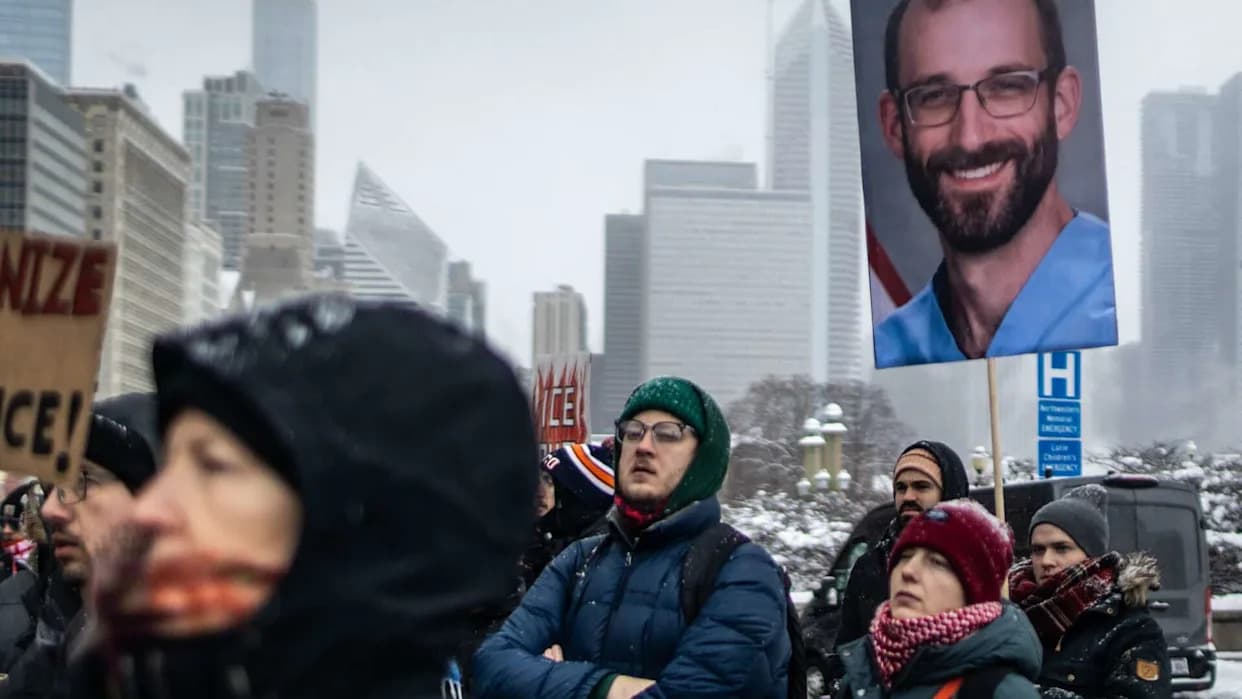
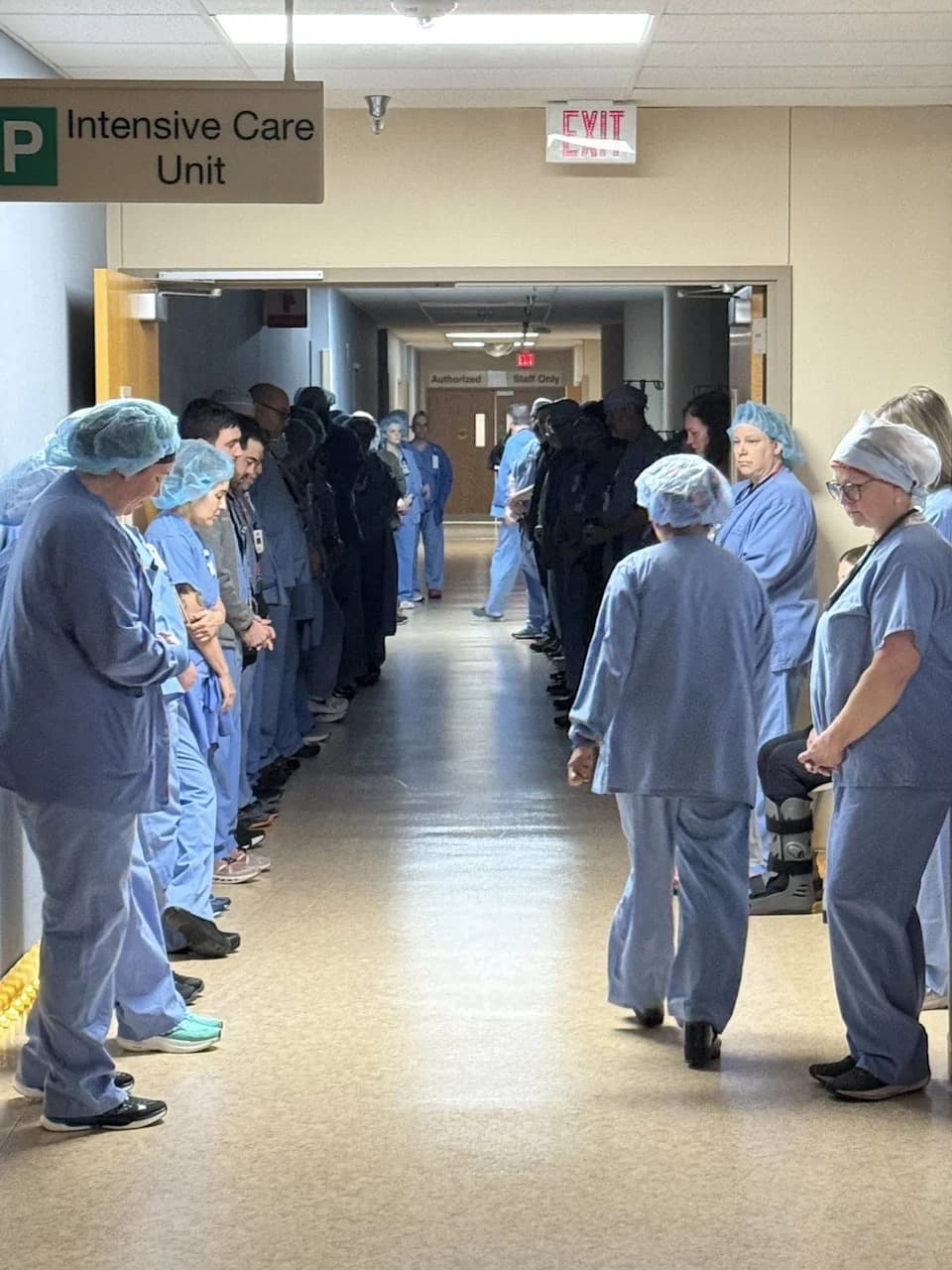
Performances and remembrances have become nightly rituals: Brass Solidarity played a stirring rendition of "Stand By Me," a Mexica‑Nahua cultural group performed traditional dances, and hundreds of nurses and colleagues gathered for a vigil in honor of Pretti.
Community Response And Outreach
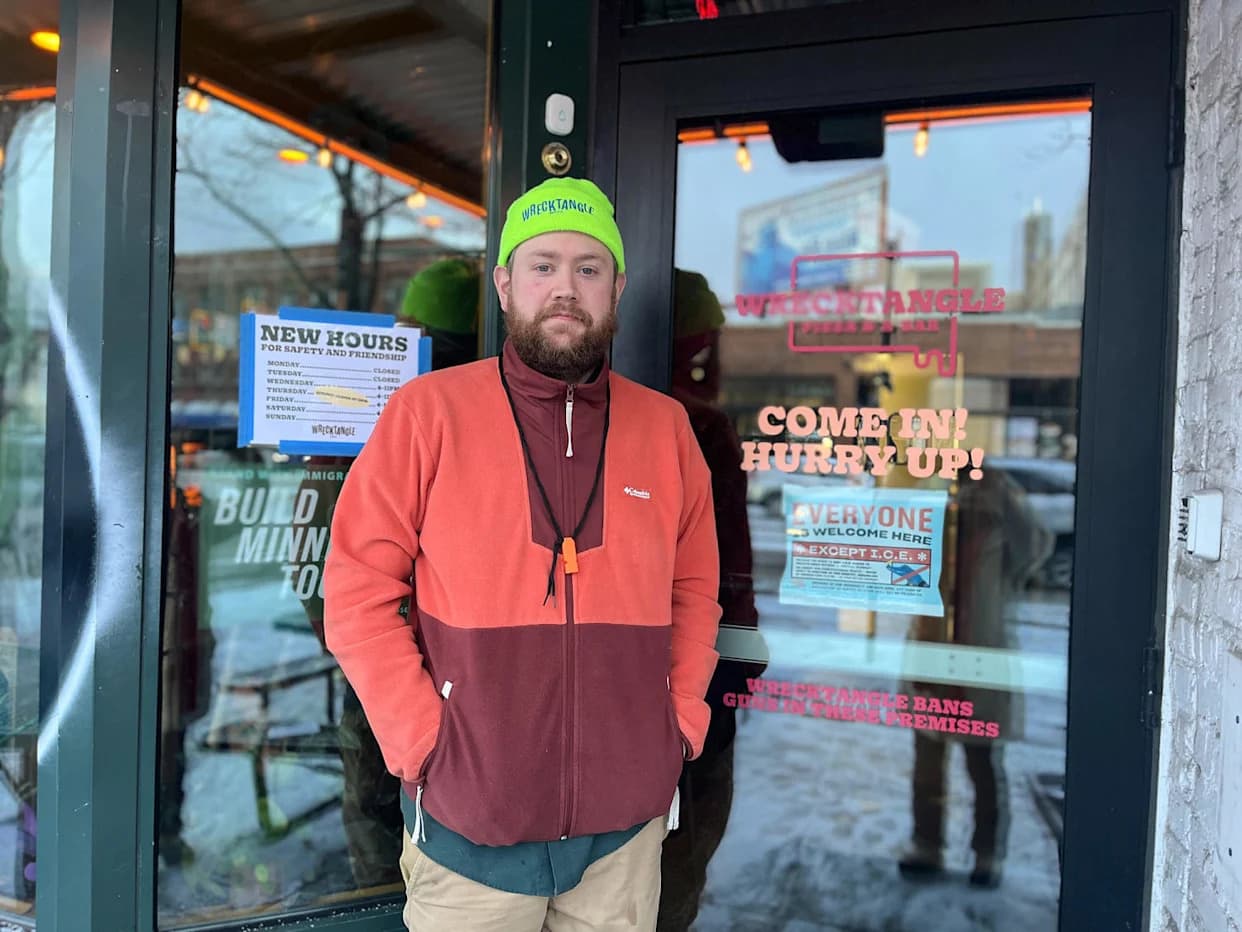
Local businesses and residents have transformed restaurants and shops into makeshift aid stations. A Jamaican restaurant and a thrift store near the site have become gathering places for mourners. Several eateries are handing out free food and distributing handwarmers. Pubs and cafes that opened their doors tended to people suffering from chemical irritants, offering places to rinse eyes, rest and recover.
Street medics and volunteers — including healthcare workers who asked to be identified only by first name for safety — made rounds with medical kits, helping those exposed to irritants and treating minor injuries. Residents patrolled corners with whistles to warn neighbors when federal agents appeared, while others delivered groceries and checked on vulnerable families.
Federal Response And Local Fallout
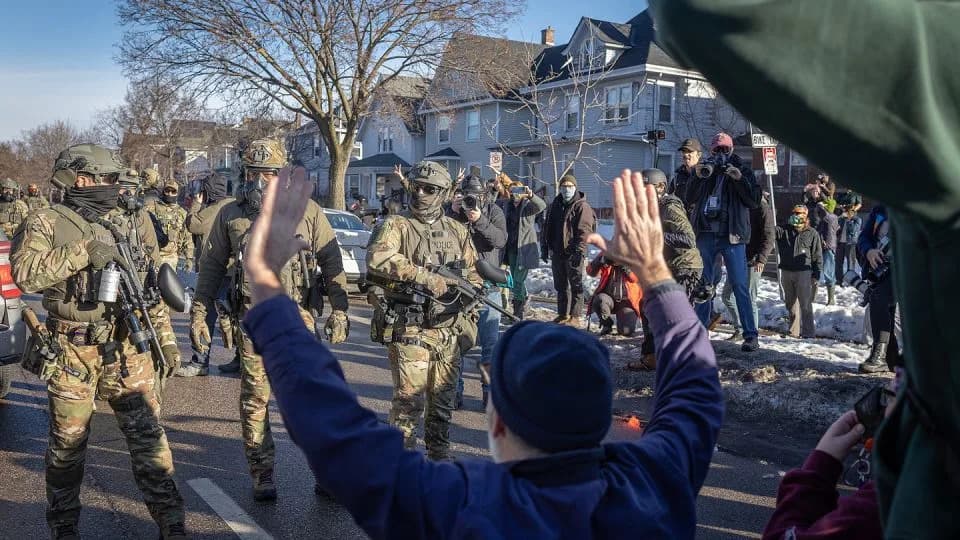
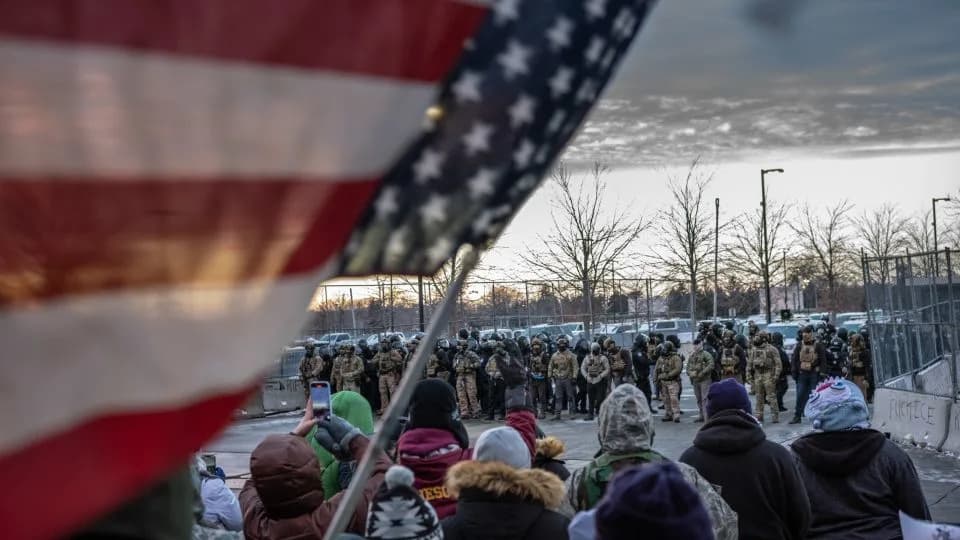
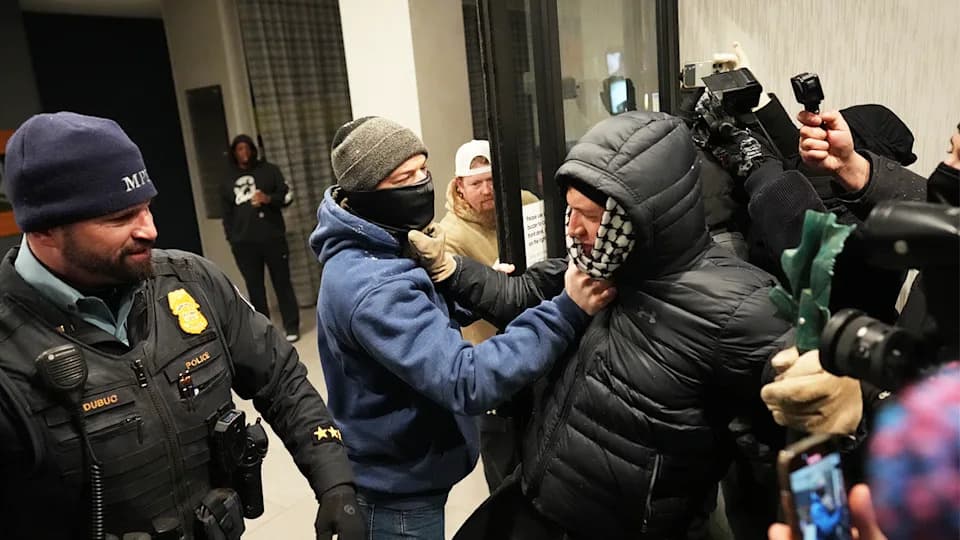
As word of the shooting spread, dozens of federal agents arrived on the scene. Residents and city officials reported the use of tear gas and other chemical irritants, the firing of projectiles, and several arrests. Minneapolis City Council member Aisha Chughtai described waves of grief and anger among constituents and said many immigrants have been living in fear of profiling, detention or arrest.
In the political aftermath, Border Patrol commander Gregory Bovino — a visible leader of the operation in Minneapolis — was demoted by the Trump administration. Border czar Tom Homan later visited the city and pledged to reduce the federal presence, but residents reported additional arrests and confrontations after his visit.
Businesses, Belonging And Resilience
Many restaurants along "Eat Street" — a corridor known for its diverse cuisines — had struggled to operate amid the heavy federal presence, and several immigrant‑owned businesses were unable to open for weeks. In the days after the killing, these same businesses helped turn the neighborhood into a support network: restaurants cooked and handed out food, bars opened to treat injured neighbors, and some venues briefly became field hospitals.
Local owners like Tracy Wong of My Huong Kitchen distributed food and allowed medics to use the restroom facilities to rinse eyes, while other establishments welcomed demonstrators, volunteers and press. Neighbors say these acts of care have reinforced a sense of community even as grief, fear and calls for accountability persist.
“It feels like an innocence was taken from a part of the neighborhood that used to be pure joy,”
— Aldona Martinka, longtime resident.
The killing of Alex Pretti has left a community searching for answers and safety while honoring a life through nightly vigils, mutual aid and collective action.
Help us improve.