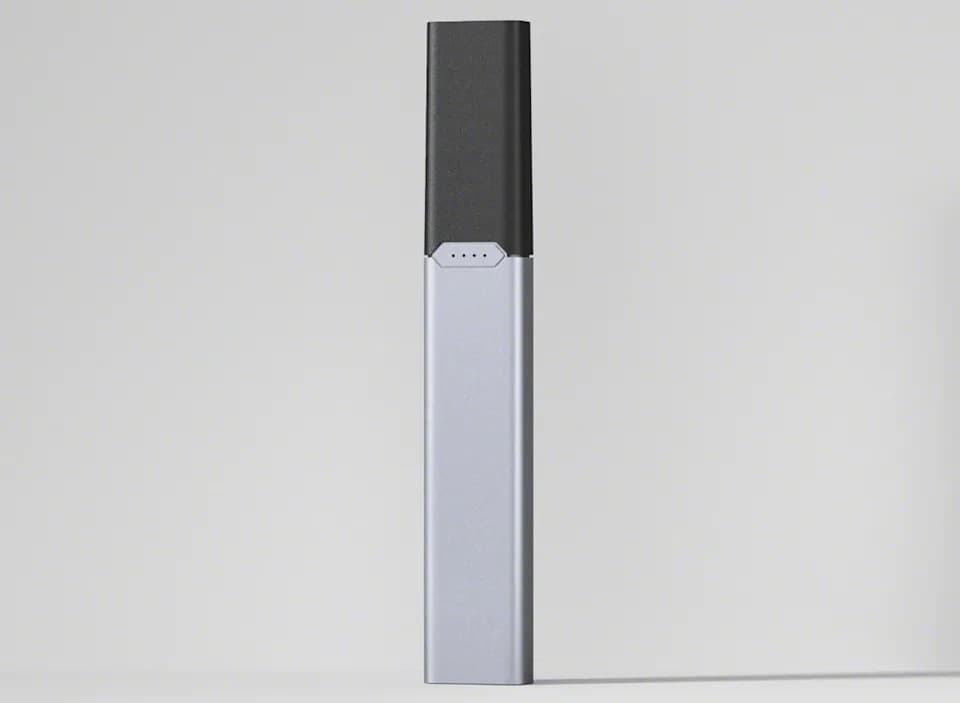
Mexico’s ban on the sale and import of e-cigarettes, effective Jan. 16, 2025, seeks to curb youth use but has raised alarm that cartels will absorb a market once worth about $1.5 billion. Enforcement has included large seizures—including 130,000 devices at a major port—and penalties of fines and up to eight years in prison for commercial activity. Experts warn unclear possession rules and weak regulation may empower criminal groups to repackage, brand and distribute disposable vapes, creating public-health and safety risks.
Mexico’s Vape Ban Fuels Cartel Control of a $1.5B Market
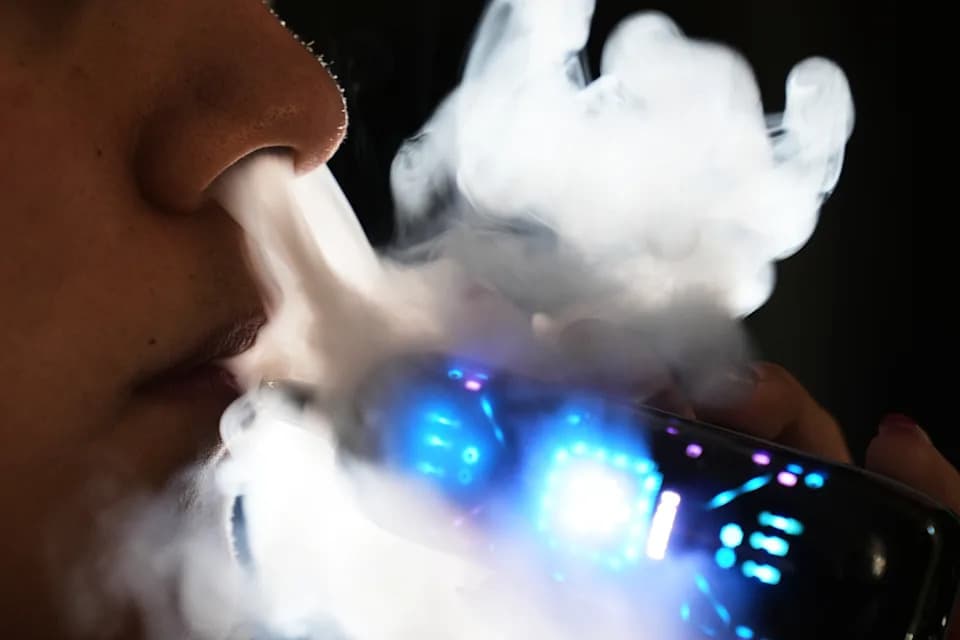
Ximena Fernandez vapes while working remotely from home in Mexico City, Friday, Jan. 30, 2026. (AP Photo/Marco Ugarte)(ASSOCIATED PRESS)
When a drug cartel visited a vape shop in northern Mexico in early 2022, two employees were abducted, blindfolded and forced to call the owners. The cartel announced it was taking control of the store and that any sales would be restricted to online orders outside the state. That episode foreshadowed a larger trend now amplified by a nationwide ban on the sale and import of e-cigarettes.
Background: Ban and Legal Changes
Until recently, Mexico had a legal vape market estimated at roughly $1.5 billion. Former President Andrés Manuel López Obrador long campaigned against vaping and restricted imports. After the Supreme Court initially found a total ban unconstitutional, a constitutional amendment was approved in January 2025 under President Claudia Sheinbaum that placed electronic cigarettes alongside powerful synthetic opioids like fentanyl in law. A December law closed earlier loopholes and, effective Jan. 16, 2025, made most commercial activity around e-cigarettes illegal while still permitting personal use.
Enforcement, Seizures and Penalties
Authorities have stepped up enforcement amid continued cross-border flows from China and the U.S. Port officials seized 130,000 e-cigarettes at Lázaro Cárdenas earlier in the year, and more than 50,000 devices were displayed publicly in Mexico City after the ban took effect. The new statute imposes fines and prison sentences of up to eight years for commercial activity involving vapes, prompting many shop owners to stop sales overnight.

Aldo Martínez, the owner of a tobacco shop that previously sold vapes, poses for a photo in Mexico City, Thursday, Dec. 18, 2025. (AP Photo/Marco Ugarte)(ASSOCIATED PRESS)
Cartels Move In
Experts and lawyers warn the prohibition risks handing a lucrative market to criminal groups. Across northern states and major cities such as Guadalajara and Mexico City, organized crime has expanded its presence in vape distribution. Some cartels reportedly repackage Asian-made disposable devices, stamp or sticker products to mark territory, and sell directly or supply coerced retailers. A report by Mexican NGO Defensorxs names the Jalisco New Generation Cartel as operating repackaging businesses; the Sinaloa Cartel and smaller groups are also implicated.
“By banning it, you’re handing the market to non-state groups,” said Zara Snapp, director of the Ría Institute, which studies drug policy in Latin America.
Legal Ambiguity and Risk of Extortion
Although the law permits personal possession, it is vague about quantity thresholds and enforcement standards. Retailers and consumers fear ambiguous language will enable corrupt officials or criminal groups to extort vendors by arbitrarily declaring commercial possession. Lawyer Juan José Cirión Lee, president of the collective Mexico and the World Vaping, has announced plans to challenge the new regulations in court, calling them contradictory and unclear.
Public Health Debate
Public health authorities are divided. The World Health Organization has advocated tighter regulation in response to rising youth use. Many countries in Latin America now restrict or ban e-cigarettes. At the same time, the U.S. Food and Drug Administration and many tobacco scientists conclude that, on available evidence, e-cigarettes are substantially less harmful than combustible cigarettes and can serve as a smoking cessation aid for adults. Critics of the ban say prohibition removes a potentially safer alternative to smoking and pushes consumers toward unregulated, possibly adulterated products sold by criminal actors.
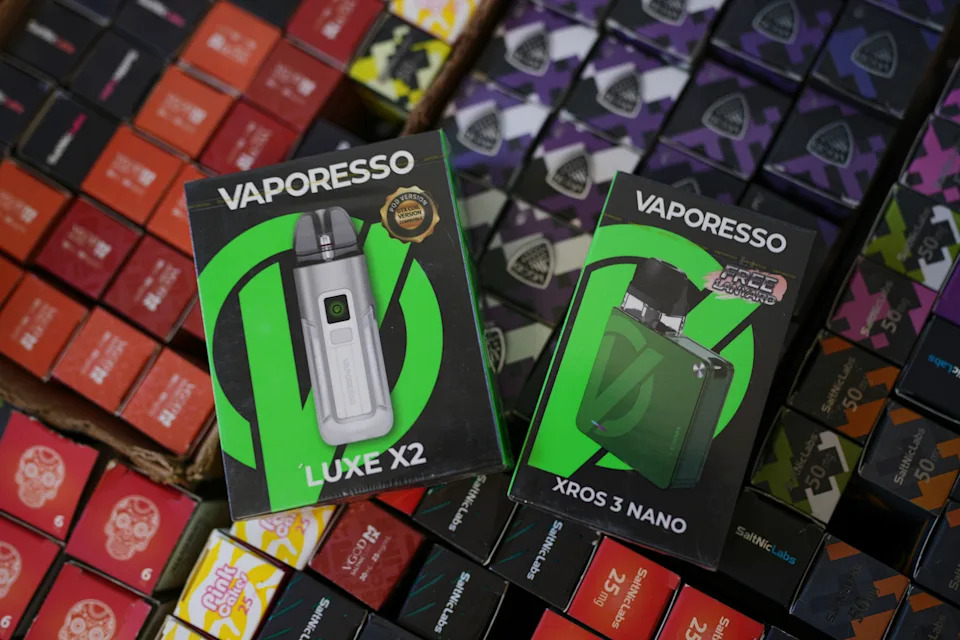
Vapes sit in a tobacco shop in Mexico City, Thursday, Dec. 18, 2025. (AP Photo/Marco Ugarte)(ASSOCIATED PRESS)
Why Disposables Matter
Disposable vapes—the cheapest, most popular format—are especially attractive to criminal groups because they are inexpensive, easy to rebrand and simple to distribute. Environmental concerns (plastic and chemical waste) and product-safety risks (unknown liquids, contamination or adulteration) add to the urgency of the debate, since criminal actors involved in other drug markets could introduce dangerous substances.
Impact on Sellers and Consumers
Small retailers face stark choices: comply with the ban, sell to criminal groups, or close. Some shop owners have stopped sales entirely; others report panic buying from consumers stocking up. A few vendors are attempting to operate discreetly through phone and messaging services, but many expect cartels will eventually dominate the market.
Bottom line: Mexico’s prohibition on the sale and import of e-cigarettes aims to protect youth and public health but, amid weak regulation and pervasive corruption, it risks consolidating a profitable, unregulated market in the hands of organized crime—introducing new safety, environmental and enforcement challenges.
Help us improve.