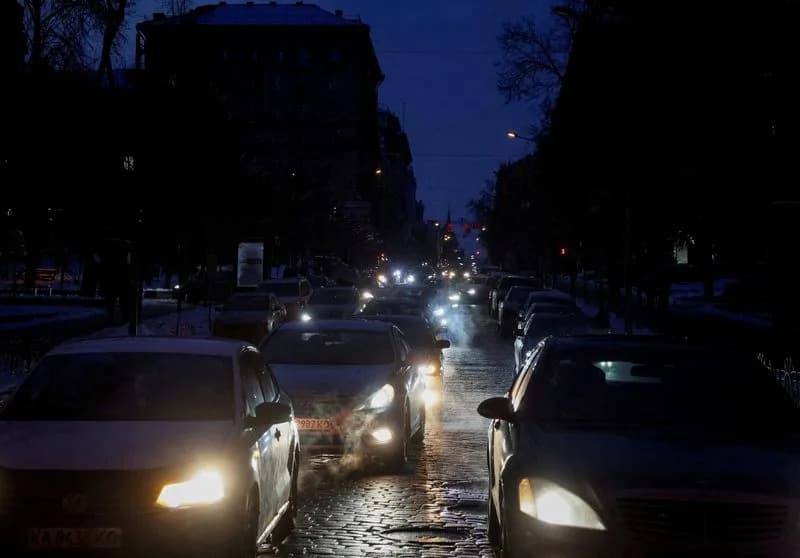
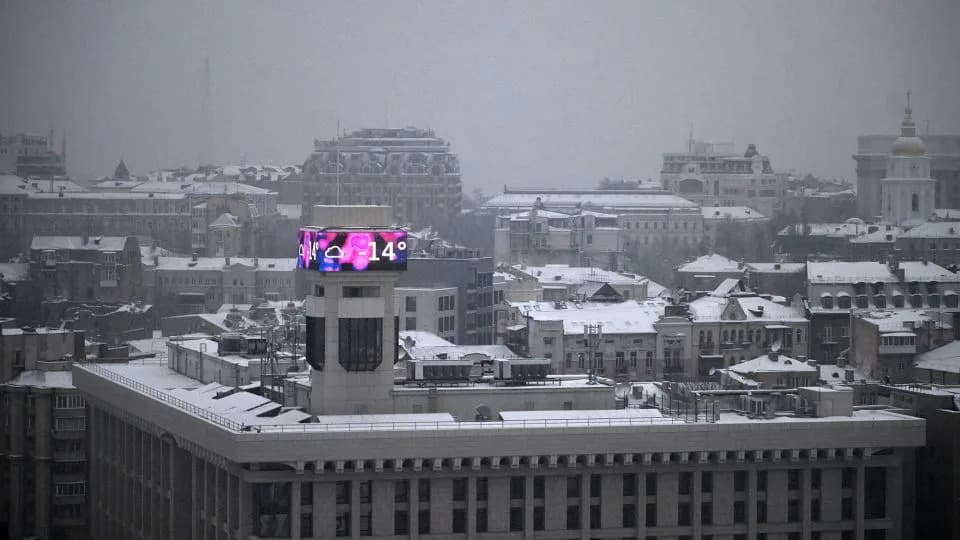
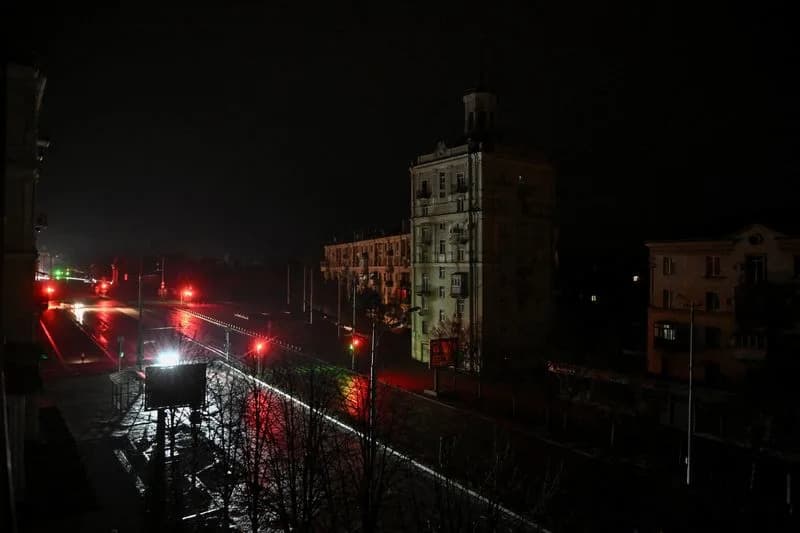
Russian strikes on Ukraine’s power grid have left millions without electricity, heating or water during an unusually cold winter. Elderly residents in Kyiv, such as 75-year-old Liudmyla Oleshko, are improvising with heated bricks, indoor tents and, at times, vodka to keep warm. Kyiv has opened roughly 1,300 heated "invincibility points," yet many high-rise residents remain unable to reach shelter. Officials warn of a looming humanitarian catastrophe as repair crews race to restore the grid.
Putin’s 'Ice War' on Kyiv: Elderly Residents Endure Freezing Flats, Makeshift Heating and Vodka to Keep Warm
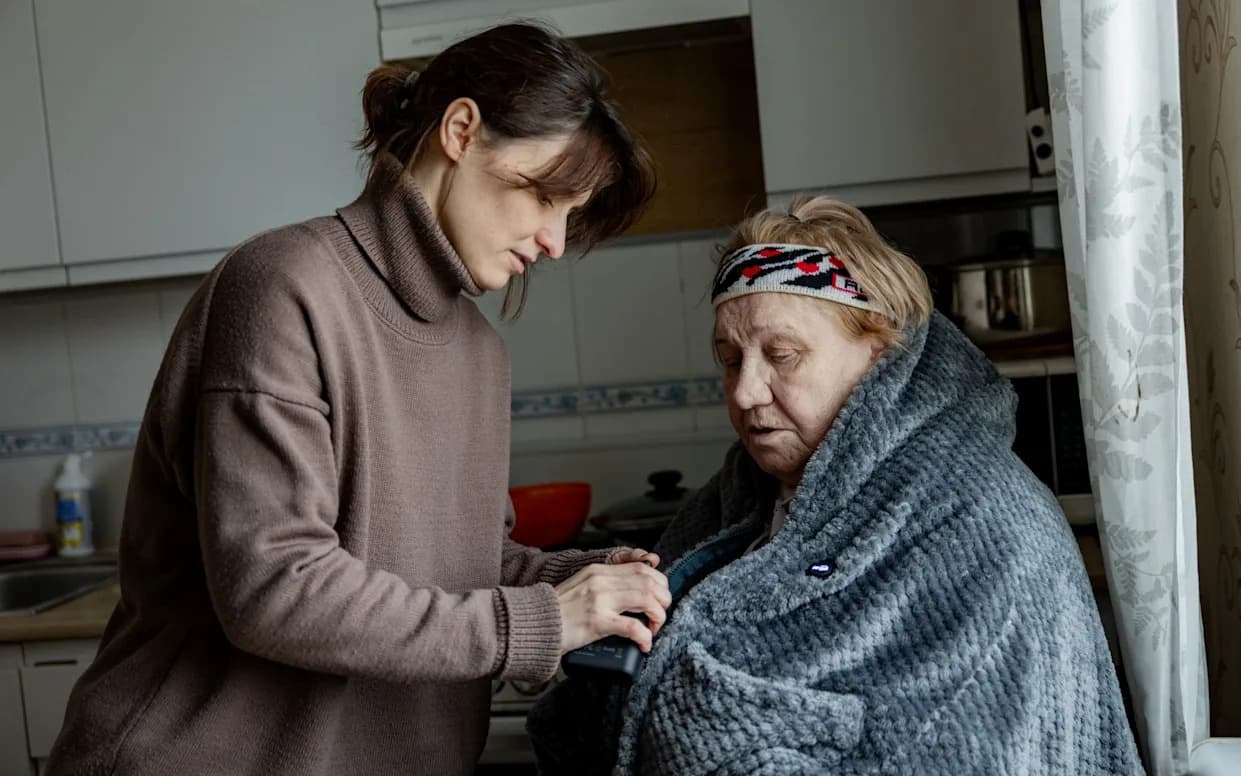
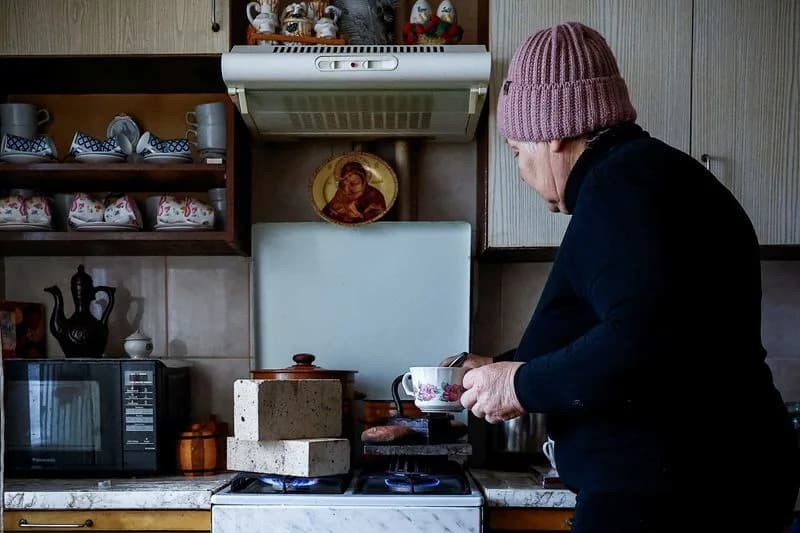
Liudmyla’s granddaughter Khrystyna, 36, wraps her in a warm blanket she has brought on one of her regular visits to the pensioner stranded high in a tower block - Iva Sidash for The Telegraph
Russian strikes on Ukraine’s energy grid have left millions facing sub-zero conditions this winter. In Kyiv, 75-year-old Liudmyla Oleshko has not left her 12th-floor flat for two months, wrapping herself in layers and at times drinking vodka to stave off the cold after repeated power and water outages.
Life Trapped in a High-Rise During a Harsh Winter
Liudmyla spends her days swaddled in five jumpers and three pairs of socks as temperatures fall to around -20C and forecasts warn of lows near -22C. The lifts in her building are often out of service after attacks left stairwells in darkness, making it impossible for her to leave. She fled Mariupol in February 2022 after months of bombardment and now faces fresh privation in the capital.
Improvising Warmth and Preserving Dignity
Residents have improvised in numerous ways: using heated bricks on gas stoves as improvised radiators, pitching small tents inside flats to trap body heat, storing food on balcony ledges or on batteries to keep it warm, and relying on brief windows of electricity to cook, charge devices and do laundry.
"We are Ukrainians. We are strong people. That’s all," Liudmyla told The Telegraph.
After a recent outage she said she made 120 varenyky dumplings to keep busy and to have food ready when power returned. When she becomes extremely cold she sometimes dances to raise her temperature, or has a glass of vodka or cognac. On one occasion, after icy floodwater entered her flat, she rubbed vodka on her hands and feet to try to prevent illness.
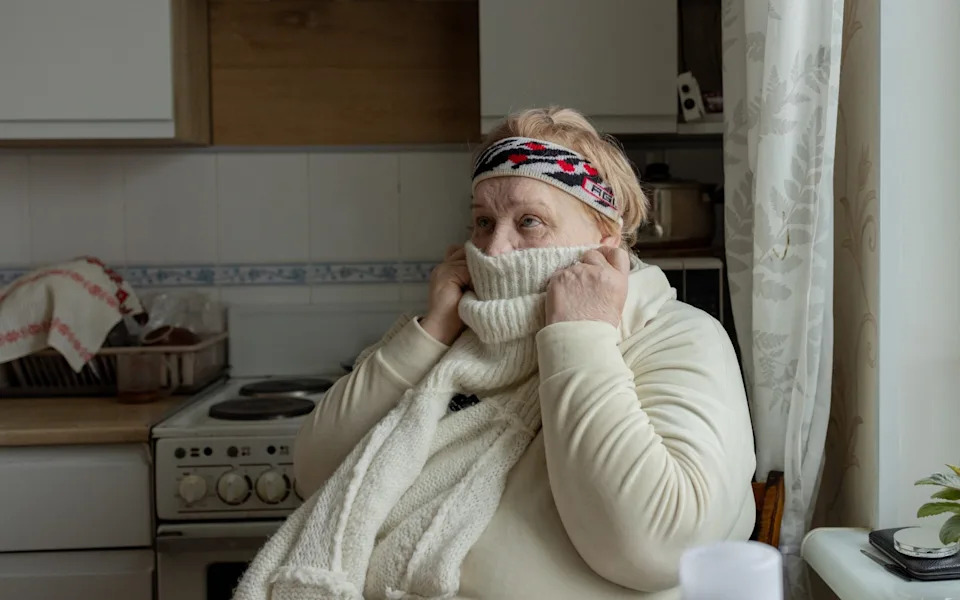
Liudmyla spends her days swaddled in several layers of clothes to keep out the biting cold - Iva Sidash for The Telegraph
Families and Children: Acute Hardship
Parents are under particular strain. Iryna Makarchuk, 33, who lives in Vyshneve with her 13-month-old son Marko, bathes the child with bottled drinking water and bought a generator on credit to keep food and lights functioning. With lifts out, she must carry Marko up nine flights of stairs in the dark, sometimes wearing a headlamp. During a week in mid-January she had only one hour of electricity per day to cook, bathe, charge devices and do other essential tasks.
Community Response and Limited Shelter
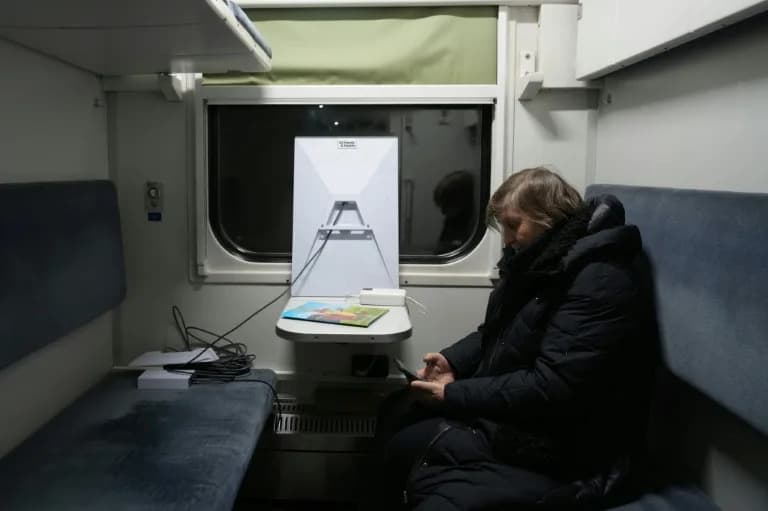
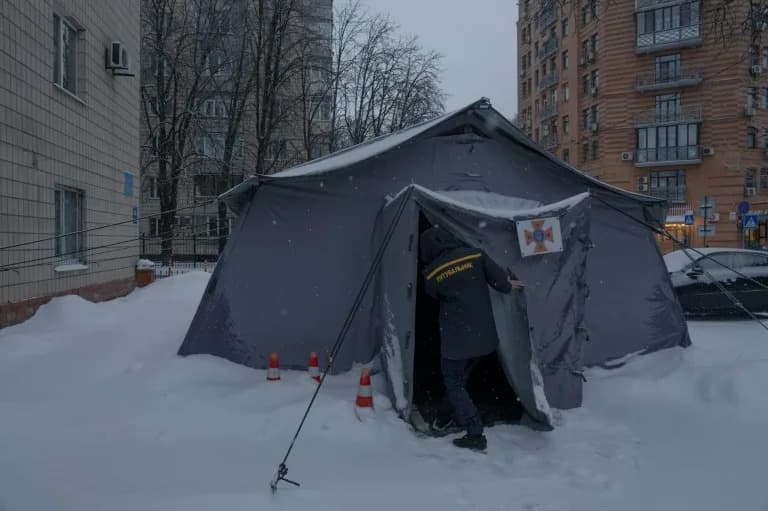
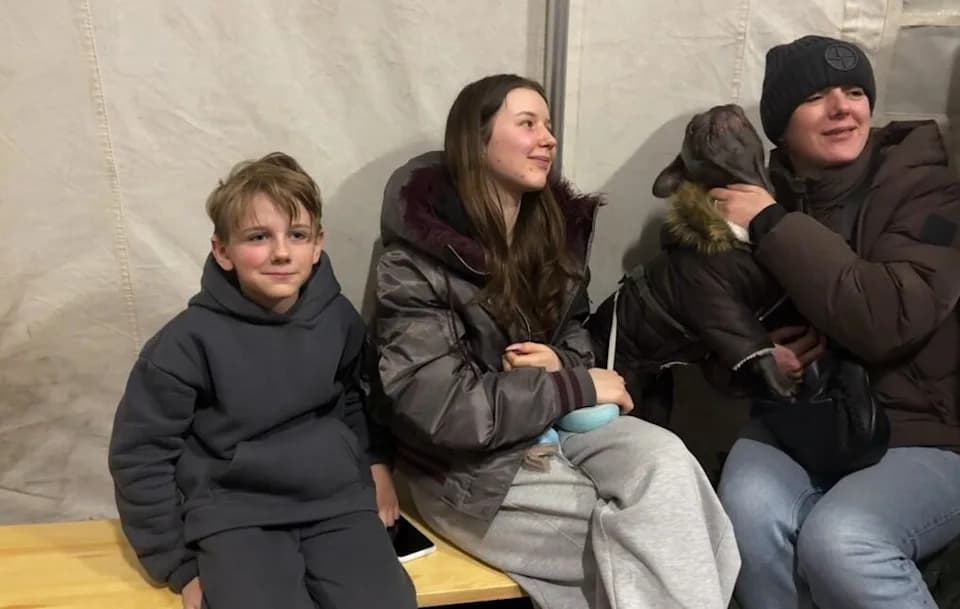
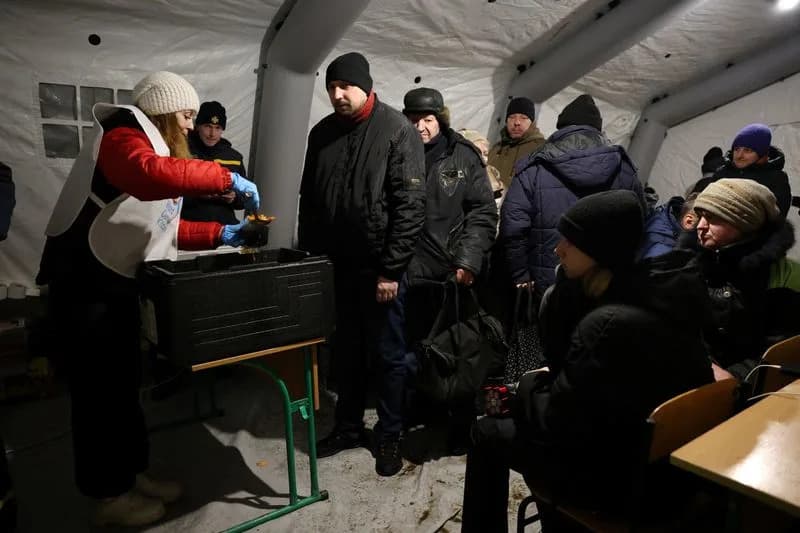
Kyiv authorities have opened roughly 1,300 so-called "invincibility points"—heated tents, rail carriages and public buildings where residents can charge devices and receive hot food. Volunteers serve hot drinks and stews such as bohrach, and curfew rules have been relaxed to allow travel to these shelters at night. Still, many elderly and infirm residents remain effectively marooned in high-rise blocks without working lifts or safe access to refuge.
Government Response and Damage to the Grid
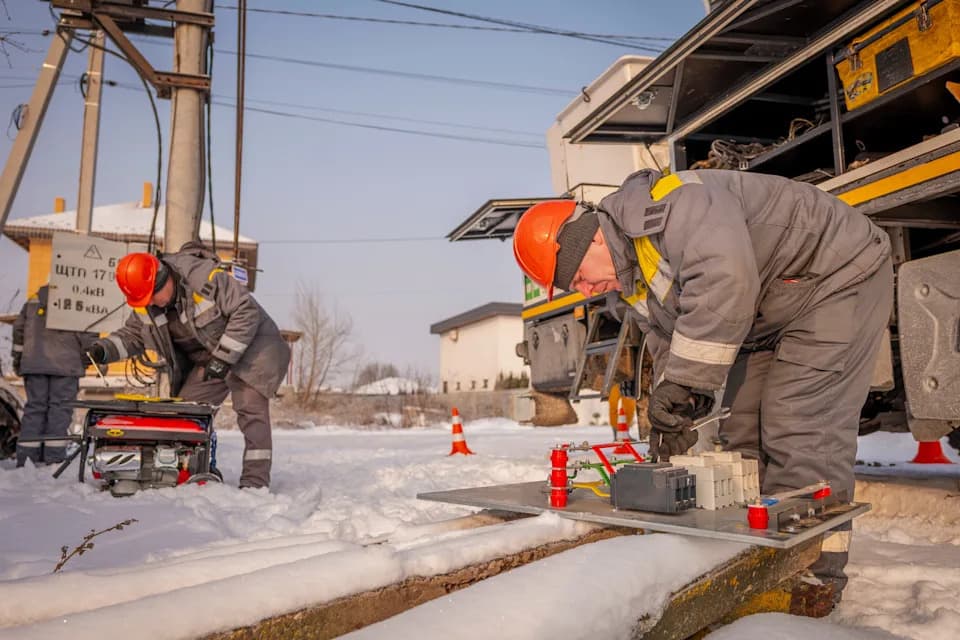
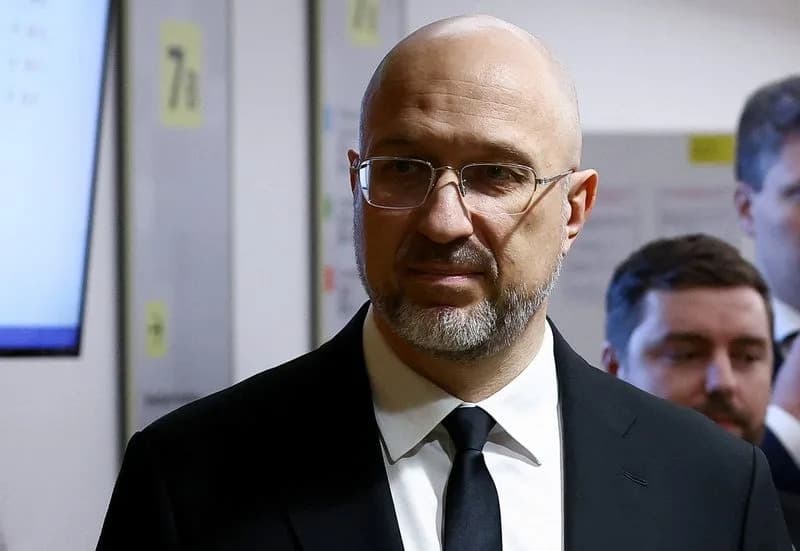
President Volodymyr Zelensky publicly criticised European governments for not providing adequate air-defence systems to protect critical energy infrastructure after major strikes on January 9, 20 and 24. Energy Minister Denys Shmyhal said on January 27 that about 710,000 people remained without electricity. DTEK, Ukraine's largest private energy company, reported that in 2025 its teams restored 277 substations, transformer and distribution points and repaired 2,426 power lines covering more than 8,000 kilometres after missile and drone attacks; several repair workers have died in the course of restoring the grid.
Pause in Strikes and Continuing Fear
Former US president Donald Trump announced that Vladimir Putin had agreed to a one-week cessation of long-range strikes on the energy grid, calling it "very nice"—but Kremlin spokesman Dmitry Peskov said the halt would end on Sunday, and Kyiv residents remain sceptical. EU foreign policy chief Kaja Kallas warned of a "humanitarian catastrophe" as crews race to repair the damaged network and communities brace for further attacks.
Despite the hardship, many residents remain resolute. "I wish I could just go home," Liudmyla said, looking out at the dark clusters of high-rises. "I want to see the sea."
Help us improve.