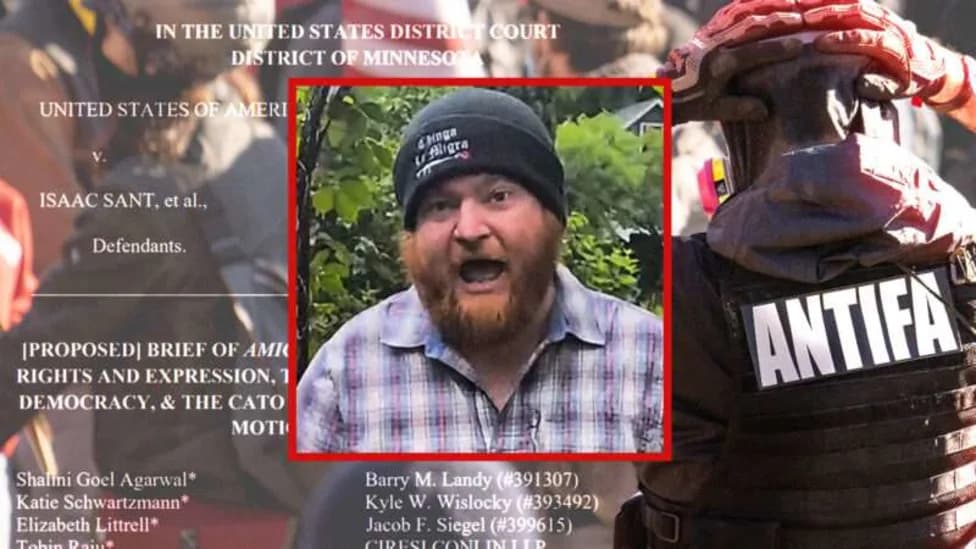
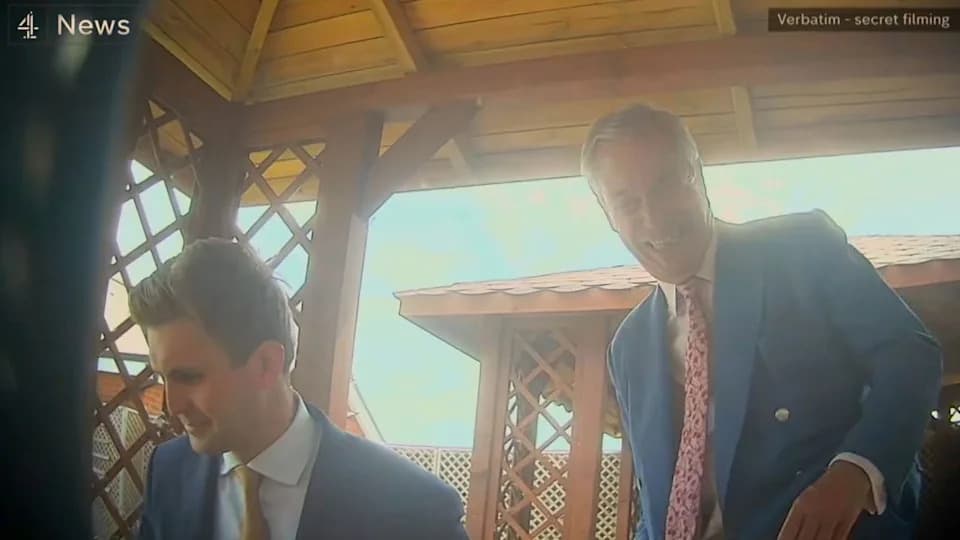
Federal and congressional investigators are probing donations routed through opaque U.S. nonprofits that media reports and lawmakers tie to Neville Roy Singham, a U.S. millionaire now living in Shanghai. Committees say groups such as the Party for Socialism and Liberation and The People’s Forum have received funding from networks associated with Singham and have organized or encouraged anti-ICE protests. Investigators are focused on potential FARA exposure and the challenges of enforcing subpoenas for individuals residing overseas.
Allegations Tie Shanghai-Based Millionaire Neville Roy Singham To Dark-Money Network Funding Anti-ICE Agitators
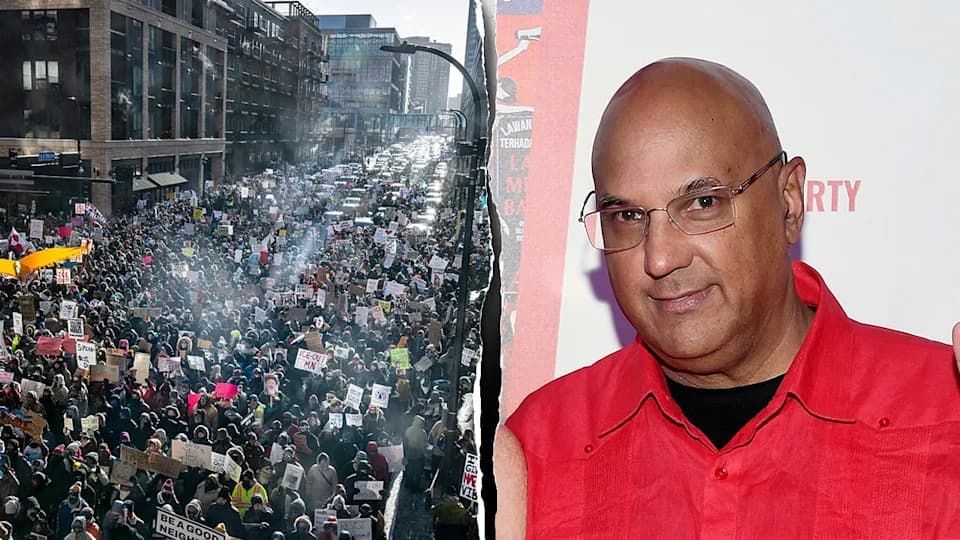
As unrest escalates in Minneapolis, investigators are uncovering a network of far-left activist groups allegedly bankrolled by a wealthy U.S. expat in China with reported ties to Chinese Communist Party–aligned propaganda efforts.(Getty Images)
Federal and congressional investigators are tracing a network of opaque donations that they say helped mobilize anti-ICE demonstrations in Minneapolis and other cities. Authorities and reporters have identified a pattern of funding routed through little-known nonprofits and advocacy groups that critics say mix progressive organizing with messaging some lawmakers characterize as aligned with the Chinese government.
Background
Reporting and congressional filings name Neville Roy Singham — a U.S. technology entrepreneur who sold his IT consulting company in 2017 and now lives in Shanghai — as a major financier behind several nonprofits and advocacy organizations. News investigations have reported that Singham has moved substantial sums into U.S.-based nonprofit vehicles with limited public footprints, and that some associated entities use shared-office or mailbox-style addresses.
Groups Named In Reporting
Fox News Digital and related congressional inquiries have highlighted organizations such as the Party for Socialism and Liberation and The People’s Forum as central actors in organizing street demonstrations. According to public reporting and committee letters, those groups — among others — have received funding from nonprofit networks tied to Singham.
Congressional Probes And Media Reporting
Multiple congressional committees have opened inquiries into these funding networks. In 2024 and 2025, House committees including Oversight and Ways and Means sought information from federal agencies about donations to organizations they say promote narratives aligned with foreign influence operations and asked whether those activities fall under federal disclosure statutes.
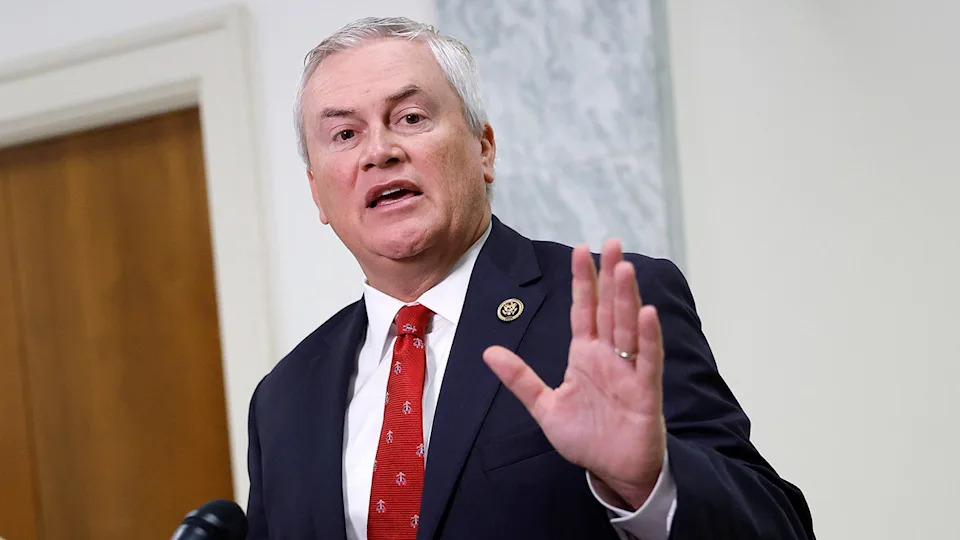
House Oversight Committee Chairman Rep. James Comer, R-Ky., has been pushing for further investigation into Neville Roy Singham's finances.
Legal Issues And Enforcement Challenges
Lawmakers and investigators have raised two key legal concerns: whether the donor and related organizations should be registered under the Foreign Agents Registration Act (FARA), and how donations routed through 501(c)(3) charities can avoid the disclosure standards that apply to political organizations. Committee letters cited the difficulty of tracing money that moves into charities with minimal reporting obligations.
"A subpoena can't be enforced essentially outside of our borders," said former federal prosecutor Andrew Cherkasky, noting the practical limits of compelling testimony from individuals living abroad. Cherkasky added that extradition or criminal charges could change the legal calculus if authorities pursue that route.
History And Context
Public records and earlier reporting show Singham has come under federal scrutiny for decades. A 2023 investigation by The New York Times reported that he has directed hundreds of millions of dollars into U.S. nonprofit organizations with limited public records. Some congressional correspondence has described links between Singham-funded entities and China-based media operations that aim to promote favorable coverage of Beijing.
On-the-Ground Organizing
Investigators say the groups named in reporting have played organizing roles in repeated demonstrations, and some participants on the ground have told reporters they received payments for attending. Organizers and the named organizations have not always responded to requests for comment, and tracing direct lines from specific donors to individual actions remains legally and practically complicated.
Outlook
Federal and congressional scrutiny of dark-money lanes tied to potential foreign influence is ongoing. Key obstacles for investigators include the opacity of some nonprofit fundraising, the limits of extraterritorial subpoenas, and the legal threshold for applying FARA to political or public-relations activities. As committees press for documents and agency responses, further disclosures or legal actions could clarify the extent of these funding networks.
Help us improve.