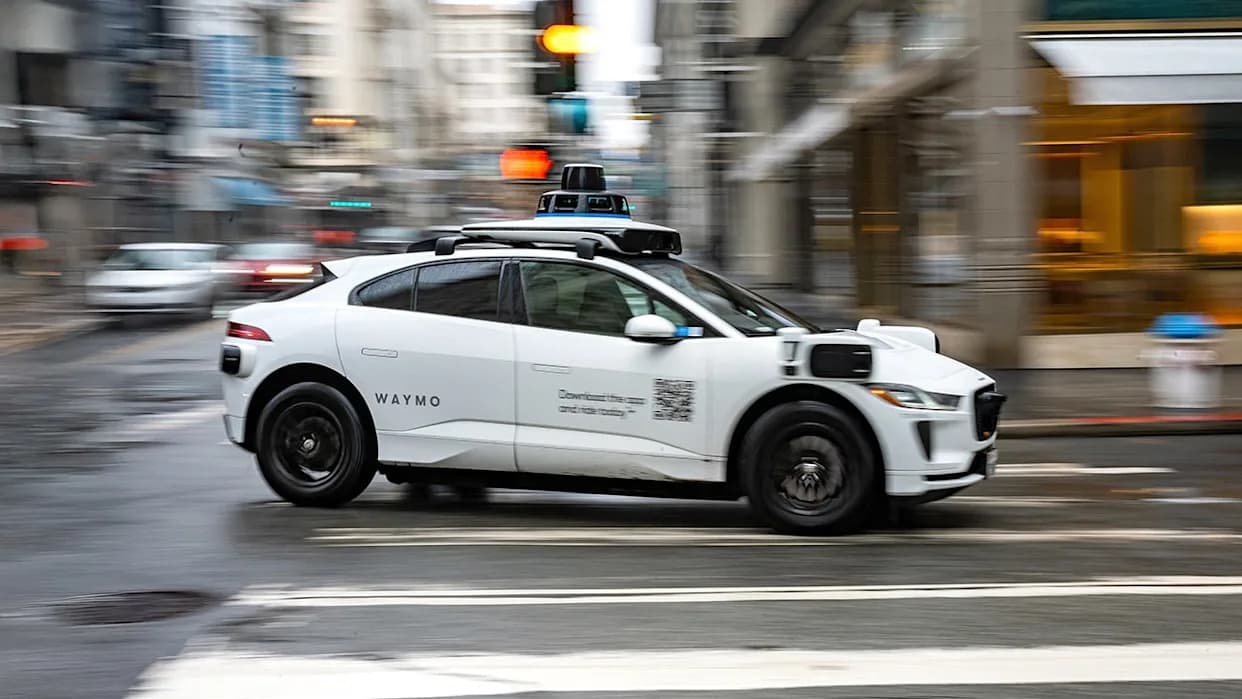
Waymo announced plans to deploy driverless robotaxis in London later this year, subject to approval under the UK's upcoming Automated Vehicles (AV) Act. The rollout would be Waymo's first European operation and follows extensive testing with safety drivers. The government says vehicles must pass "rigorous" safety checks and expects the sector to create thousands of jobs and add billions to the economy by 2035. Competing firms and taxi unions have highlighted both opportunity and concerns.
Waymo to Launch Driverless Robotaxis in London This Year — First European Rollout Pending AV Act
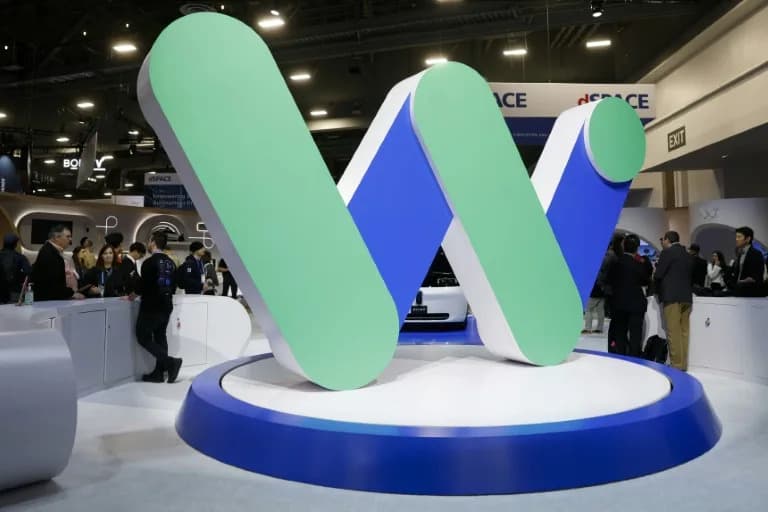
The Waymo booth at the annual Consumer Electronics Show in Las Vegas this month (Caroline Brehman)(Caroline Brehman/AFP/AFP)
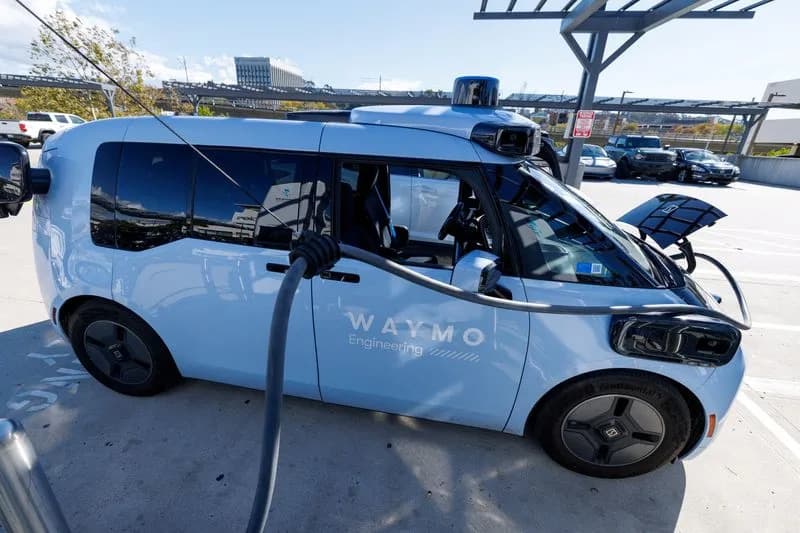
US self-driving car company Waymo — owned by Alphabet, Google's parent company — said Thursday it is working with UK partners to launch driverless robotaxis in London, with operations expected to begin later this year if the new Automated Vehicles (AV) Act is implemented.
What Waymo Plans
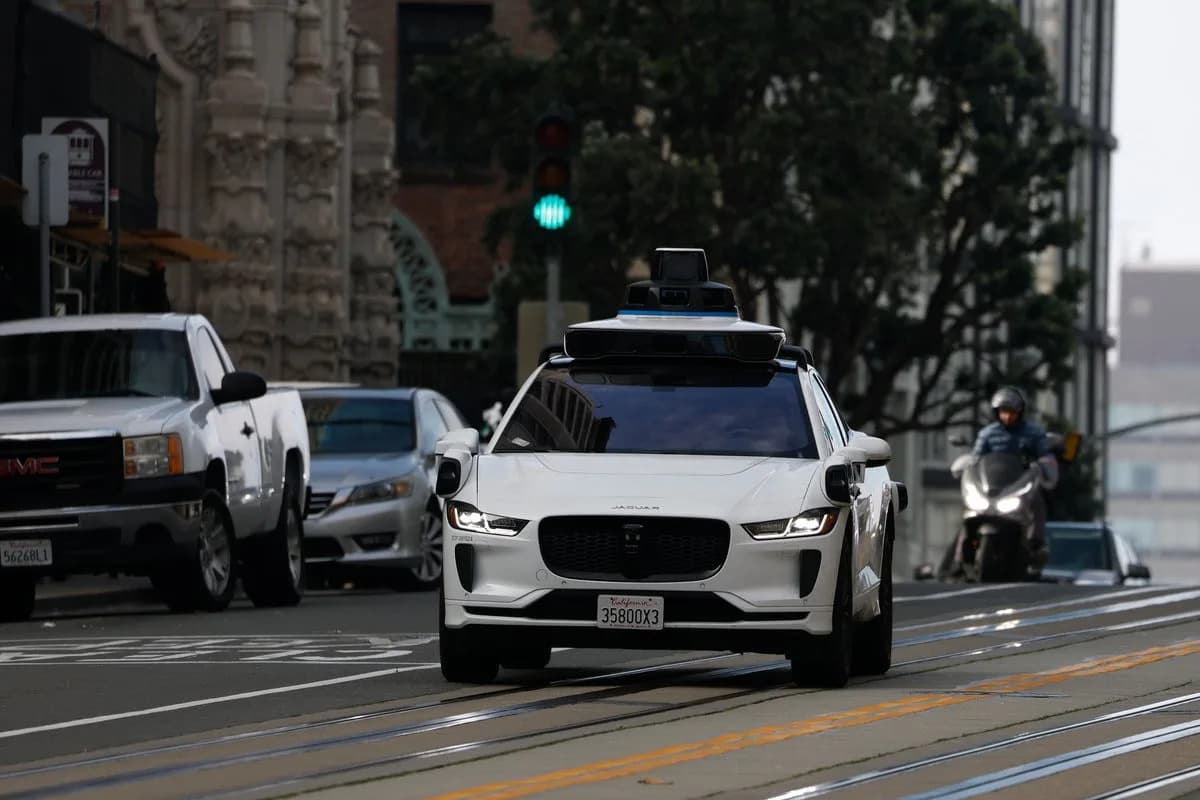
The planned London service would be Waymo's first entry into Europe. The company already operates in several US cities and has been testing dozens of vehicles in London with safety drivers on board for mapping and data collection ahead of the pilot launch.
Safety, Regulation and Testing
The UK government says self-driving vehicles will undergo "rigorous" testing to demonstrate they are at least as safe, competent and careful as human drivers before they are permitted on UK roads. Approvals for fully driverless operations are dependent on the timing of the AV Act being brought into force and on successful completion of required pilot and safety assessments.
Economic Impact
Officials estimate the self-driving vehicle sector could create thousands of jobs and contribute billions of pounds to the UK economy by 2035, as infrastructure, operations and new services scale up.
Partnerships and Operations
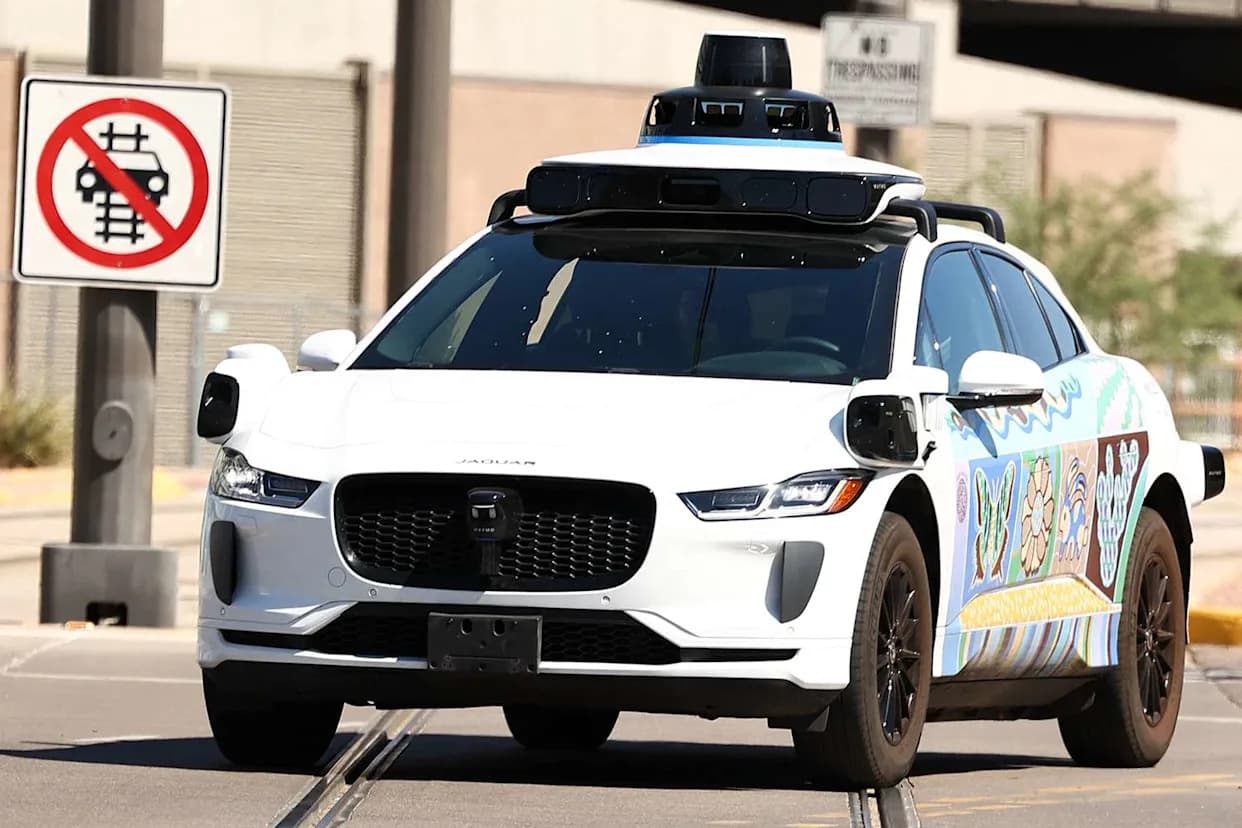
Waymo has partnered with UK carmaker Jaguar Land Rover since 2018 to develop a self-driving electric vehicle. Nicole Gavel, Waymo's head of global business development and strategic partnerships, said the company will spend the coming months investing in operations, infrastructure and staff and engaging with local communities.
"We're committed to transparent, safety-first operations, and we can't wait for Londoners to ride," Nicole Gavel said.
Industry Reaction
Rival firms are also preparing to enter the London market: Uber plans to introduce driverless taxis in partnership with UK autonomous driving company Wayve, while Chinese internet giant Baidu intends to launch a UK robotaxi service via rideshare app Lyft.
However, some industry representatives remain cautious. Steve McNamara, general secretary of the Licensed Taxi Drivers Association, which represents more than 10,000 London black cab drivers, said robotaxis are not as autonomous "as sold" because human operators can still intervene remotely. He raised practical concerns about handling lost property, sick passengers and route changes and questioned the business model's viability.
Local Transport Minister Lillian Greenwood welcomed Waymo's plans on social media, saying the proposed piloting scheme would be a "vote of confidence" in the AV Act and could improve road safety and accessibility.
Next Steps
Waymo and its UK partners will continue tests, community engagement and operational preparations while awaiting legislative approval. If the AV Act is enacted and pilots pass safety benchmarks, London could see the first driverless robotaxis from Waymo later this year.
Help us improve.