One year after M23 seized Goma on January 27, 2025, banks and ATMs in the city remain closed, pushing residents to cross into Rwanda to withdraw cash and pay high fees. The shutdown has tightened access to dollars, driven up prices at local markets and weakened a largely cash-based economy. While some residents credit M23 with improved security and restored services, many remain uncertain about livelihoods, access to savings and the long-term economic outlook.
A Year After M23 Took Goma: Banks Remain Closed, Residents Cross Borders to Withdraw Cash
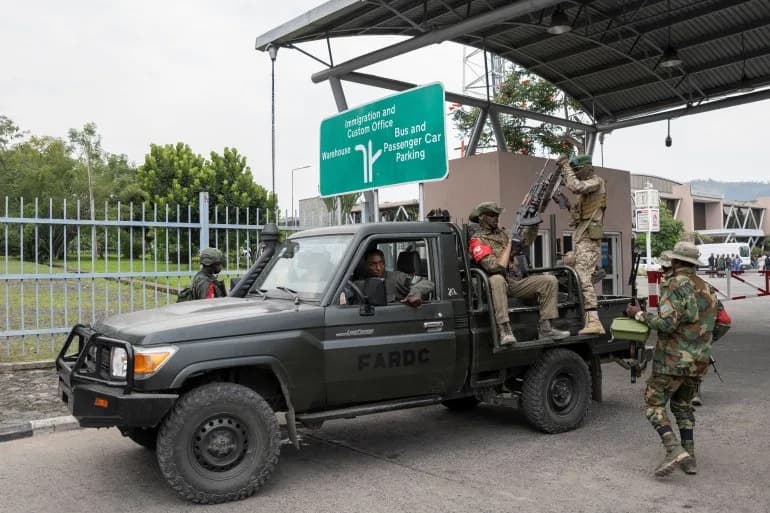
M23 rebels gather around a truck at the Goma-Gisenyi Grande Barrier border crossing, between the DRC and Rwanda, March 1, 2025 [Arlette Bashizi/Reuters]
Goma, Democratic Republic of the Congo — One year after the M23 rebel movement seized Goma on January 27, 2025, the city’s streets and markets show signs of life, but many essential institutions remain shuttered. Banks and ATMs across the city have stayed closed, forcing residents into costly cross-border workarounds and leaving a cash-dependent economy strained and uncertain.
How Residents Cope
Small-business owners and ordinary citizens have adapted with makeshift solutions. Sheilla Zawadi, a 37-year-old pharmacy owner, lost her bank card just before the takeover and does not use mobile banking. She relies on a Visa card and must travel to neighbouring Rwanda to find working ATMs.
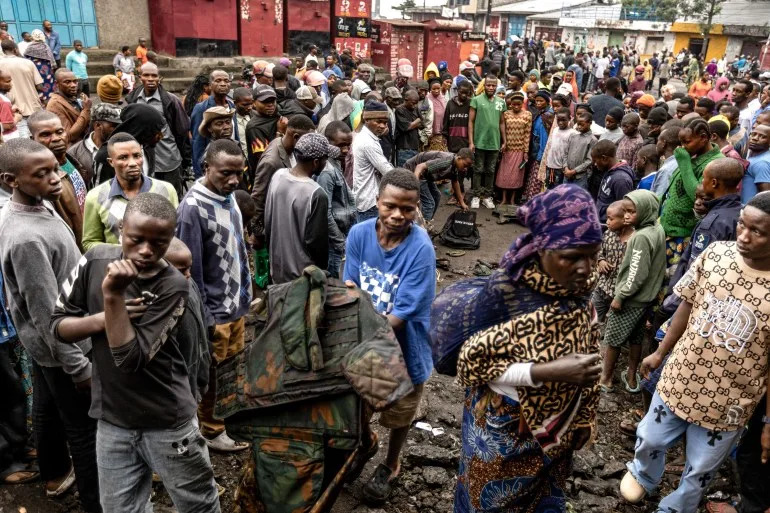
Residents recover items left in the street following an attack by M23 rebels in Goma on January 28, 2025 [EPA]
“I had to cross the border to get to the ATMs in Rwanda,” Zawadi said. “To withdraw $100 I sometimes pay up to $15 in ATM fees, then I pay more to convert currencies. I lose money at every stage.”
Economic Impact
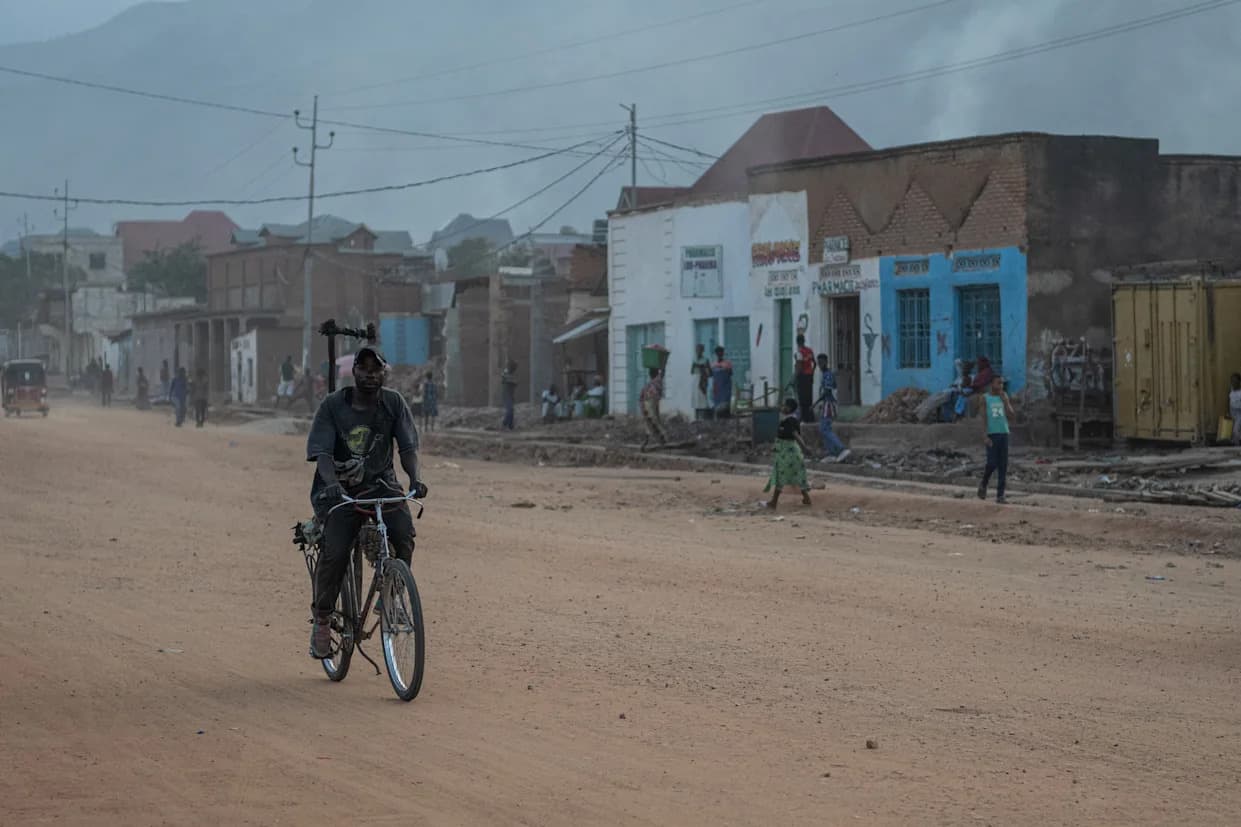
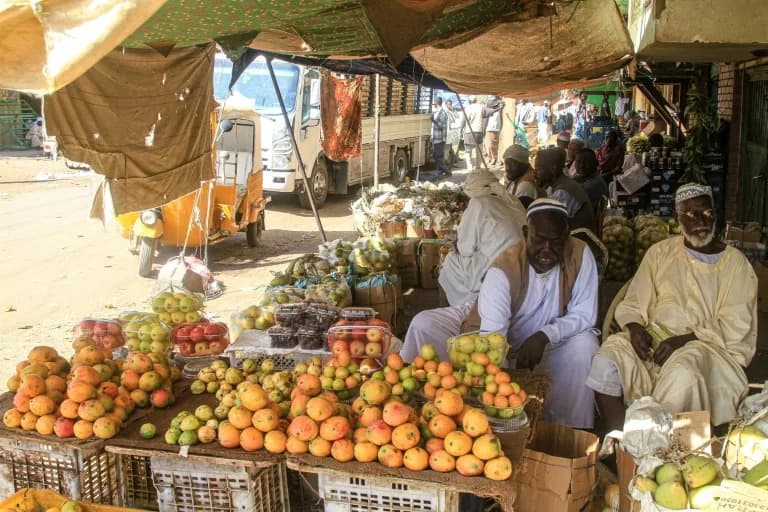
With banks closed, much of Goma’s economy has reverted to cash or informal digital transfers. Traders at the city’s main market report sharp price increases and falling demand. Vendors who once bought stock in bulk now struggle to maintain margins.
Economists warn the shutdown has worsened an already dollarised economy by restricting cash circulation and making US dollars scarce. Local university professor Deo Bengeya noted that the absence of banks and microfinance institutions hampers capital flow and delays economic normalisation.
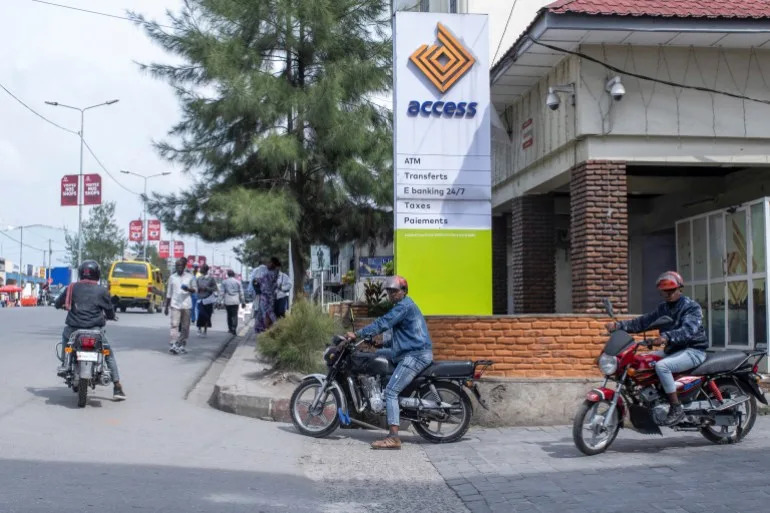
Motorcycle taxi operators wait for customers in front of an Access Bank branch that was closed when M23 rebels took control of Goma [File: Arlette Bashizi/Reuters]
Banking, Fees and Currency Exchange
Daily queues at the Gisenyi (Rwanda) border drive traffic to Rwandan ATMs and informal money changers. Withdrawals outside the DRC can cost up to $15 per $100 at ATMs, and residents report losing roughly 3% when withdrawing dollars in Goma via intermediaries. Each cross-border conversion—Rwandan francs to dollars to Congolese francs—erodes value further.
Security, Governance And Blame
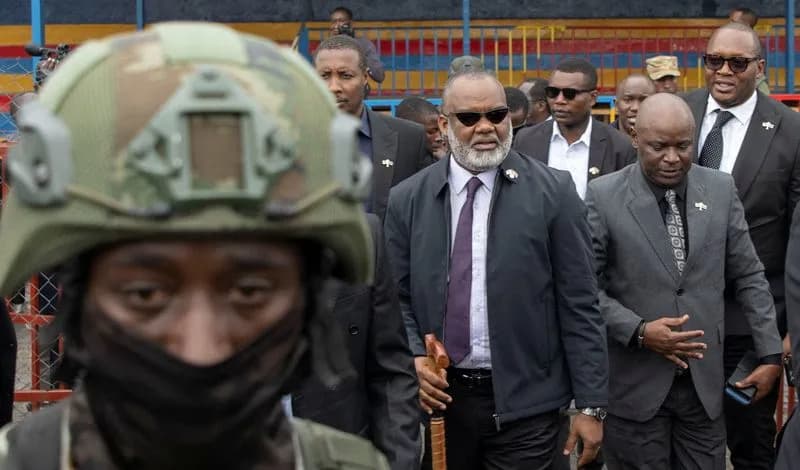
The takeover was preceded by days of fighting, including the reported killing of North Kivu’s military governor, General Peter Cirimwami. M23 has since claimed it restored security and essential services, saying its presence reduced criminal violence and improved water and electricity supply in some areas. Some residents confirm improvements; others dispute the scale of any gains.
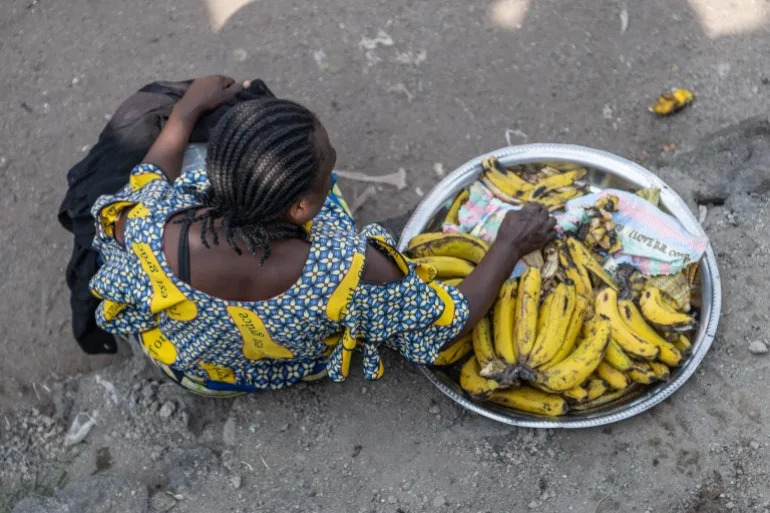
A woman sells bananas on the shores of Lake Kivu in Goma, a year after M23 took control of the city [Moses Sawasawa/AP]
“Since the AFC has been here, we can sleep peacefully. There are no more targeted killings,” said Gentil Mulume, a resident. But architect Dieudonne Muweza countered: “M23 leaders should show the difference between their governance and Kinshasa’s.”
Authorities in Kinshasa and M23 officials have exchanged accusations over who is responsible for the prolonged closure of banks. The government says banks cannot legally operate under certain sanctions and cites security concerns; M23 accuses Kinshasa of blocking access to savings. Banks themselves have generally cited the security situation and described closures as temporary.
Diplomacy, Peace Deals And Outlook
International mediation—led by the United States and Qatar, among others—has produced signed agreements between the rebels and the DRC government, and the rebels have made some tactical withdrawals, such as from Uvira. Yet many residents remain uncertain about the long-term restoration of services, access to savings and food security.
For business owners like Zawadi, the extra costs of cross-border withdrawals and currency conversions are an ongoing burden. Until banks reopen and formal financial services resume, many in eastern DRC will continue to rely on costly, informal channels to access their money.
Key Voices
Sheilla Zawadi: Pharmacy owner forced to use Rwandan ATMs and informal changers.
Gustave Katsuva: Customer of Equity BCDC who manages accounts via mobile banking but still pays withdrawal fees.
Deo Bengeya: Academic warning of long-term economic damage from bank closures.
Help us improve.