Summary: Home‑surveillance audio recorded Melissa Rocuba’s final moments and, once enhanced and combined with bloodstain and ballistic analysis, undermined her husband Bruno Rocuba’s claim that her death was accidental. Investigators reopened the 2013 case after discovering the DVR footage; Bruno was arrested in June 2022, pleaded to third‑degree murder in May 2024, and was sentenced in January 2025 to 12–40 years in prison. The family continues to grieve and wrestle with conflicted feelings about justice and loss.
Home Surveillance Audio Helps Reopen Case: How Melissa Rocuba’s Final Moments Led to Her Husband’s Conviction
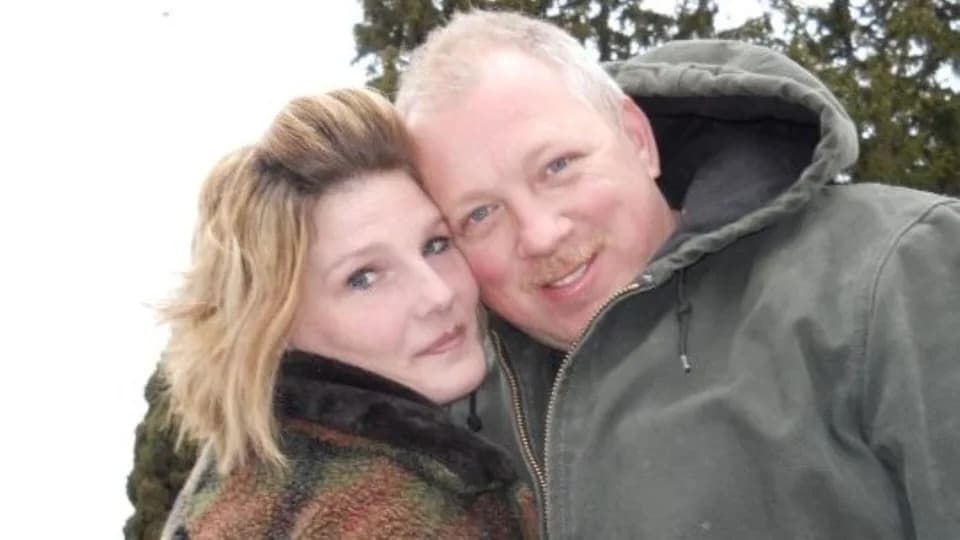
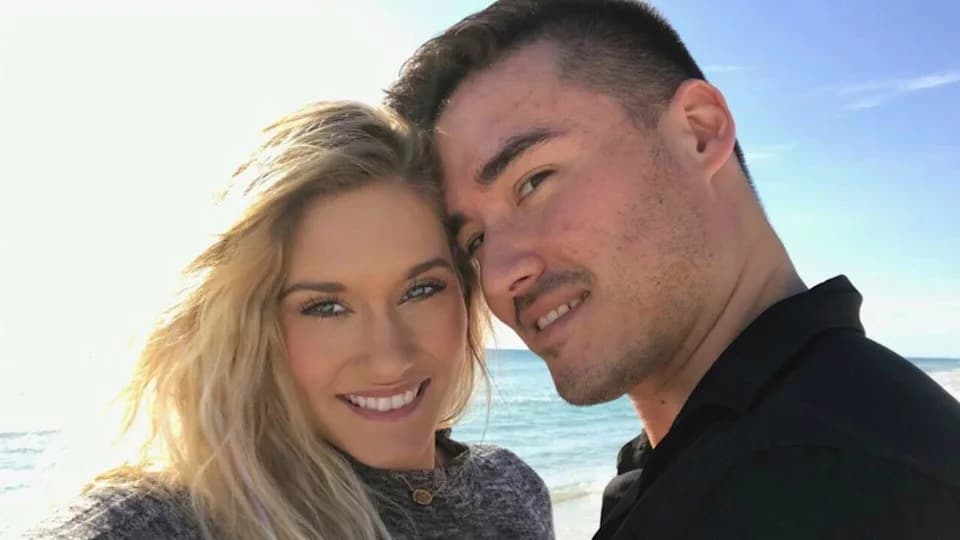
Melissa and Bruno Rocuba / Credit: Chelsea Cicio/Facebook
On a humid August night in 2013, Melissa Rocuba was airlifted to a hospital with a gunshot wound to the head. She died days later after being taken off life support. Her husband, Bruno Rocuba, initially told investigators the shooting was accidental — a claim that went uncharged at the time. Years later, recovered home‑surveillance audio, forensic analysis and inconsistencies in Bruno’s accounts prompted authorities to reopen the case and led to a guilty plea.
What happened that night
On Aug. 10, 2013, Bruno and Melissa returned home from an evening out. Bruno sustained a gunshot wound to his hand and Melissa was critically wounded by a bullet to the head. Less than 15 hours later, with Melissa on life support and Bruno’s hand freshly bandaged, detectives recorded a walkthrough in which Bruno used a toy gun to demonstrate his version: he said the pistol discharged accidentally while he checked the chamber.
Initial investigation and family concerns
Investigators initially found no signs of a struggle inside the house and hospital staff reported no other injuries on Melissa, so prosecutors declined to charge Bruno at the time, citing insufficient evidence. But Melissa’s daughters and sister recalled troubling behavior and inconsistencies: earlier episodes of domestic violence, a confession from Melissa that Bruno had once pulled a gun on her, and suspicious post‑shooting actions — including requests to dispose of the blood‑stained mattress and to delete texts.
Key evidence discovered years later
In 2020, reorganized investigators reexamined the case. Corporal Greg Allen and Crime Unit Supervisor Dan Nilon identified red flags in Bruno’s walkthrough (such as failure to remove the magazine and the pistol’s safeties that make accidental discharge unlikely). Crucially, they located previously unanalyzed DVR footage and audio from a home security camera that recorded the couple’s arrival and captured an escalating argument and Melissa’s last words.
From the recording: Melissa can be heard saying, "What is wrong with you?" followed by swearing, sounds of objects being thrown and then a gunshot. Chelsea’s discovery scream is also audible.
Enhanced audio from an FBI crime lab clarified the exchange and corroborated witnesses’ memories of an argument. Forensic pathologist and bloodstain expert Dr. Wayne Ross concluded the blood‑pattern and ballistic evidence were consistent with Bruno being positioned over Melissa at the head of the bed and holding her during a struggle — evidence that undercut the accidental‑discharge narrative.
From reopened case to plea and sentence
With the new evidence, then‑Lackawanna County District Attorney Mark Powell reopened the investigation. A warrant was issued on June 2, 2022, and Bruno was arrested the next day. As trial neared in May 2024, Bruno pleaded guilty to third‑degree murder under a plea agreement; prosecutors dropped the theft charge related to the estate. On Jan. 8, 2025, he was sentenced to 12 to 40 years in prison, with parole eligibility beginning in 2035.
Aftermath and family impact
The conviction brought relief and a measure of accountability for Melissa’s family, but emotions remain conflicted. Her daughters described loving and resentful feelings toward their father — anger and grief for their mother, but complex ties to the man who also parented them. The family’s sorrow deepened when Chelsea’s 13‑year‑old son, Greg, died in an ATV collision on March 10, 2025.
Why the case mattered
This case illustrates how modern investigative work — enhanced audio analysis, bloodstain pattern interpretation and careful reexamination of statements — can transform a cold or inconclusive investigation into a prosecutable case. The recovered home audio of Melissa’s final moments was pivotal in shifting the narrative from accident to homicide in the eyes of prosecutors and ultimately helped secure a conviction.
Note: All details in this article are drawn from court records, investigator statements and interviews with family members reported in the original coverage.
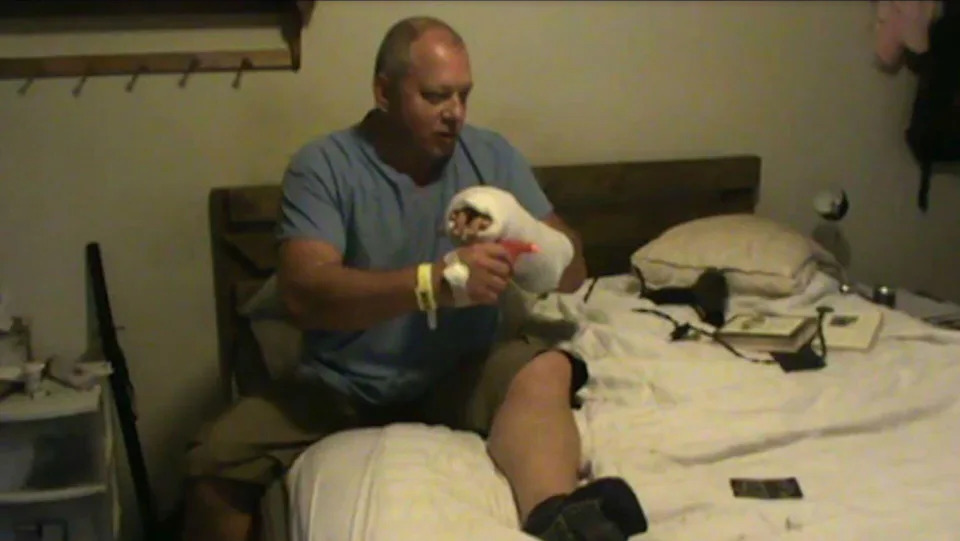
Bruno Rocuba holds a toy gun to demonstrate for investigators what he says happened the night of the shooting. / Credit: Lackawanna County District Attorney's Office
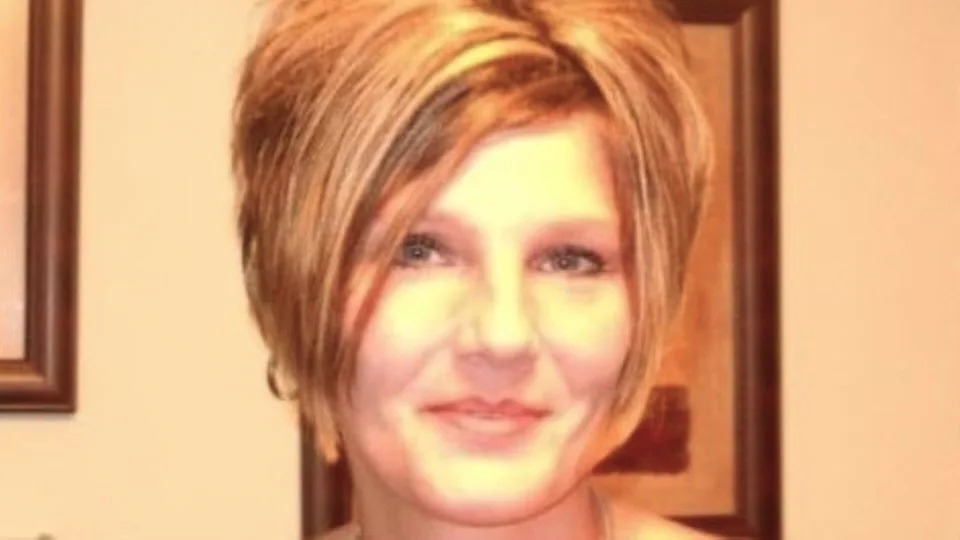
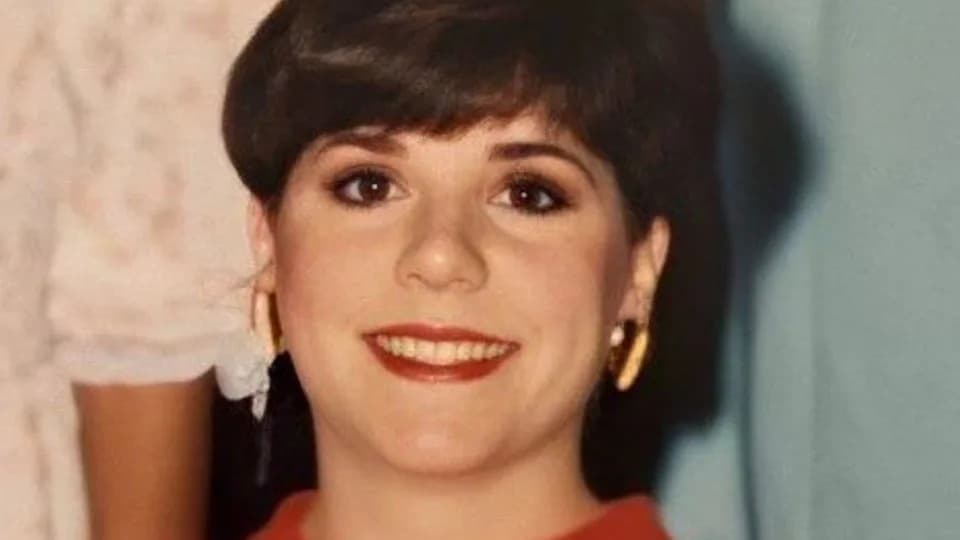
Melissa Rocuba was in intensive care for three days when her family made the decision to take her off life support. / Credit: Sabrina Rocuba(Sabrina Rocuba)
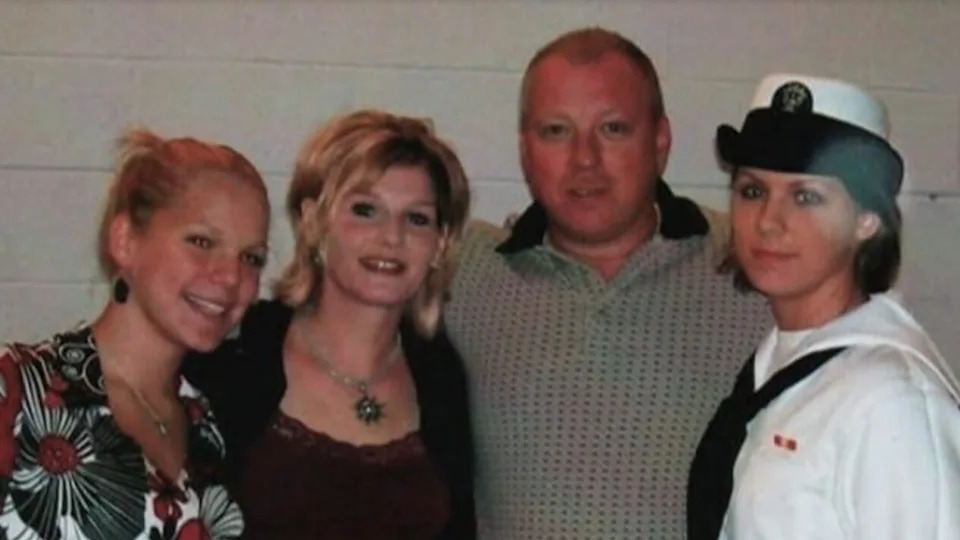
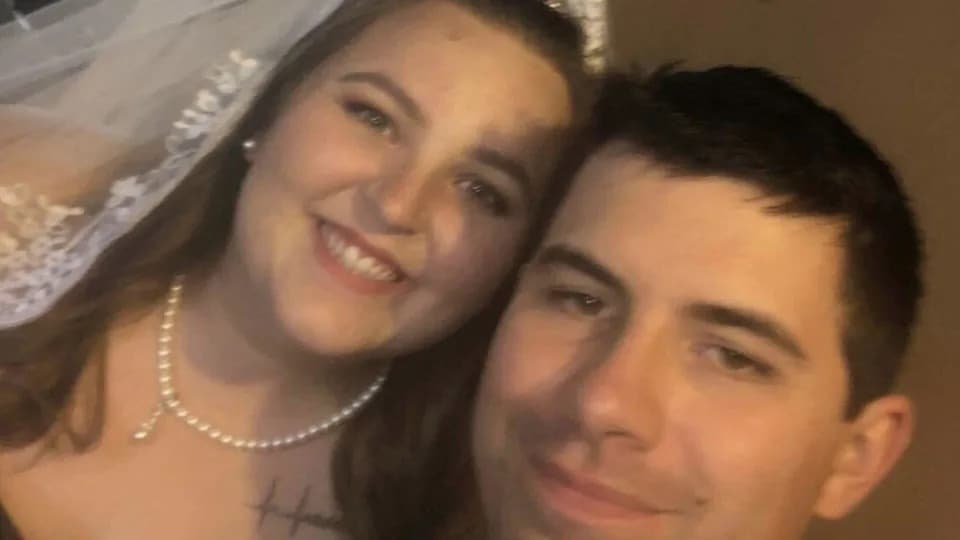
The Rocuba family, from left, Chelsea, Melissa, Bruno and Sabrina. / Credit: Sabrina Rocuba

Melissa Rocuba's daughters said that even before their mother was buried, their father asked for help getting rid of her belongings – including Melissa's beloved 10-year-old Rottweiler, Zeus. / Credit: Melissa Rocuba/Facebook
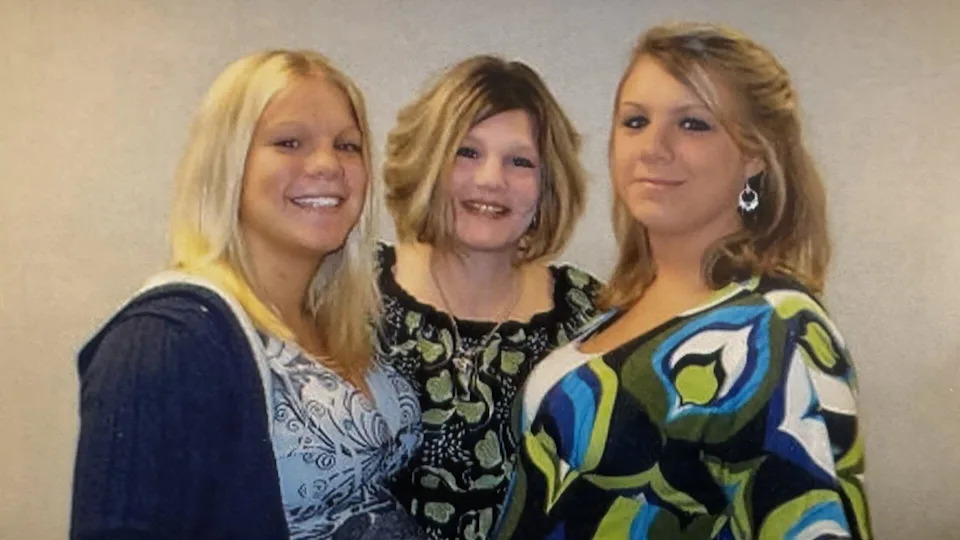
Melissa Rocuba, center, with her daughters Chelsea, left and Sabrina. / Credit: Chelsea Cicio
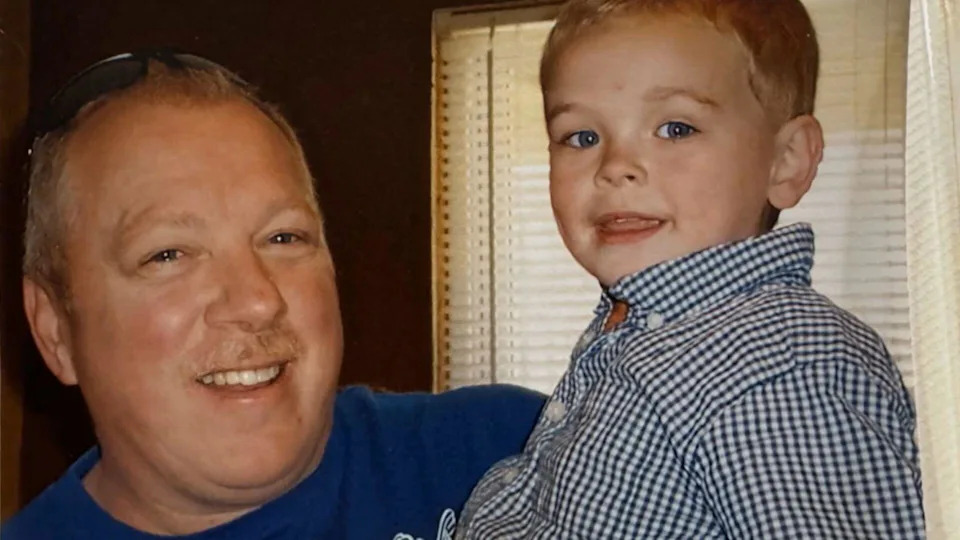
Bruno Rocuba with his grandson Greg. / Credit: Chelsea Cicio
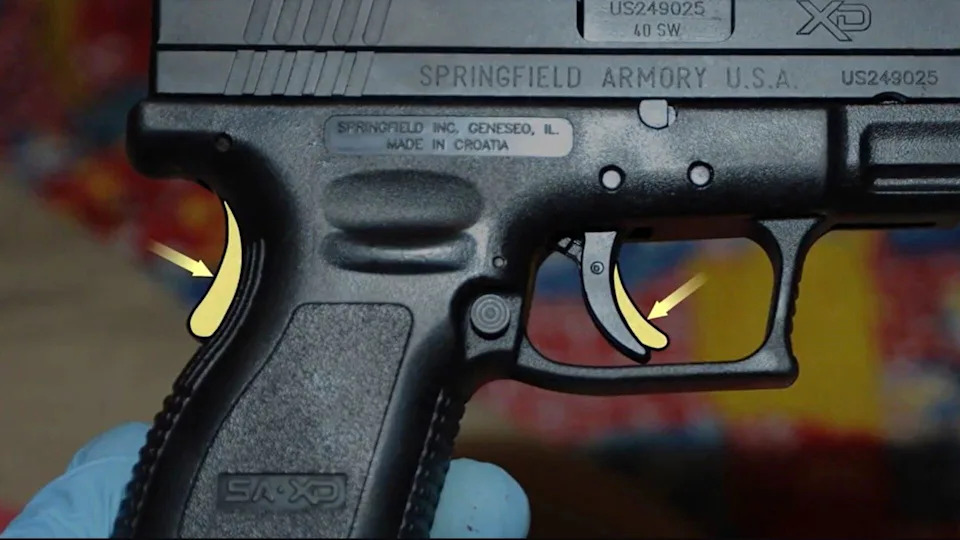
The gun used in the shooting has two safeties, making an accidental shooting difficult according to investigators. / Credit: Pennsylvania State Police
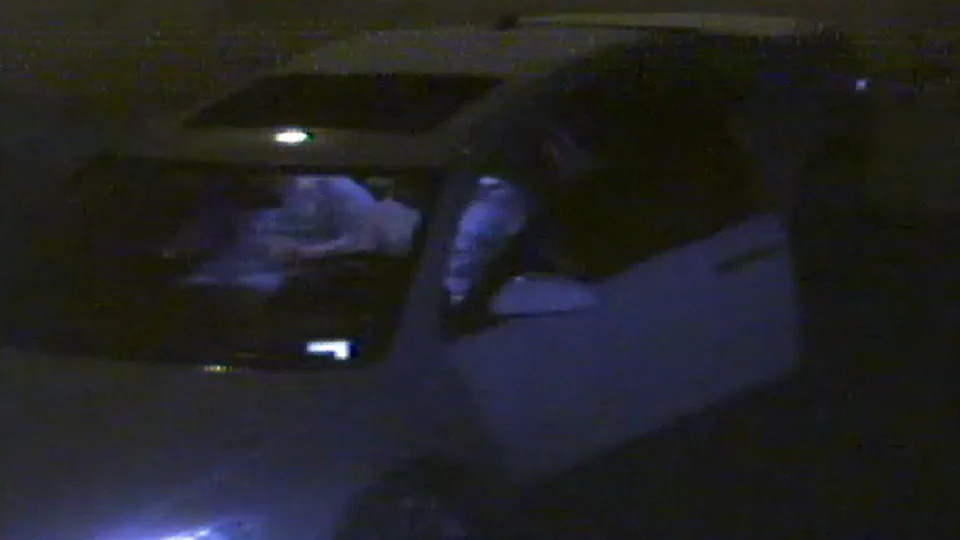
The Rocuba's home security system captured audio and video of Melissa, in the passenger seat, and Bruno, in the driver's seat, arguing after a night out. / Credit: Lackawanna County District Attorney's Office
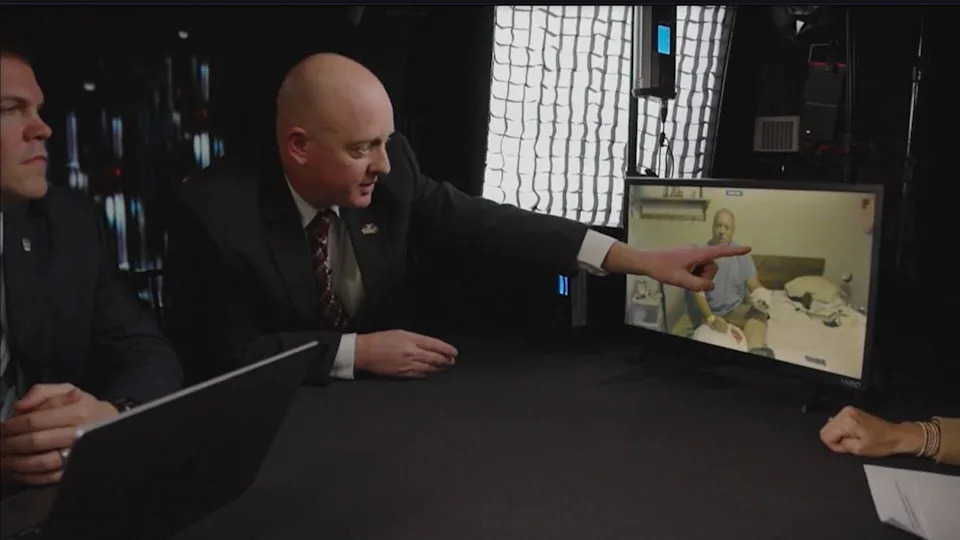
Cpl. Greg Allen, with Cpl. Dan Nilon, points out the blood spatter on the wall behind Bruno Rocuba that challenged Rocuba's story of what happened. / Credit: CBS News
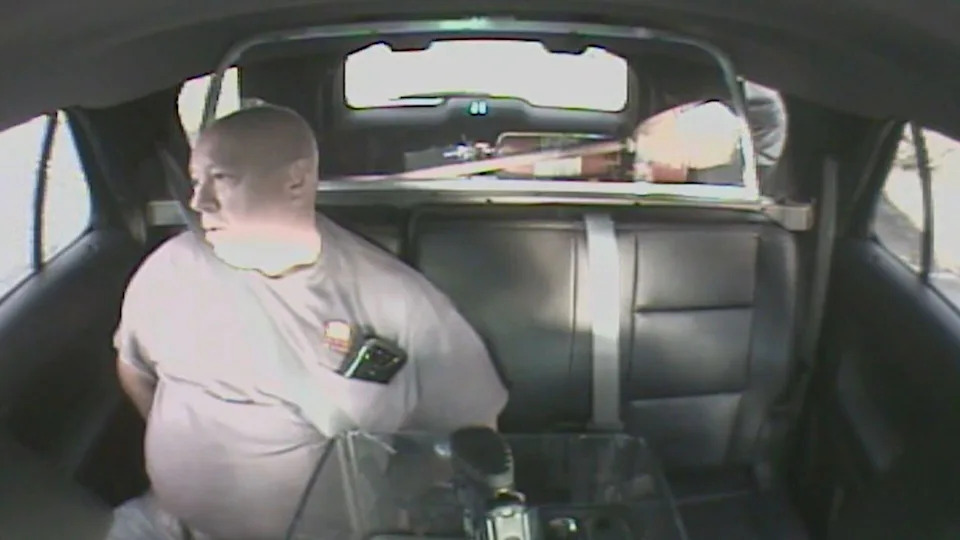
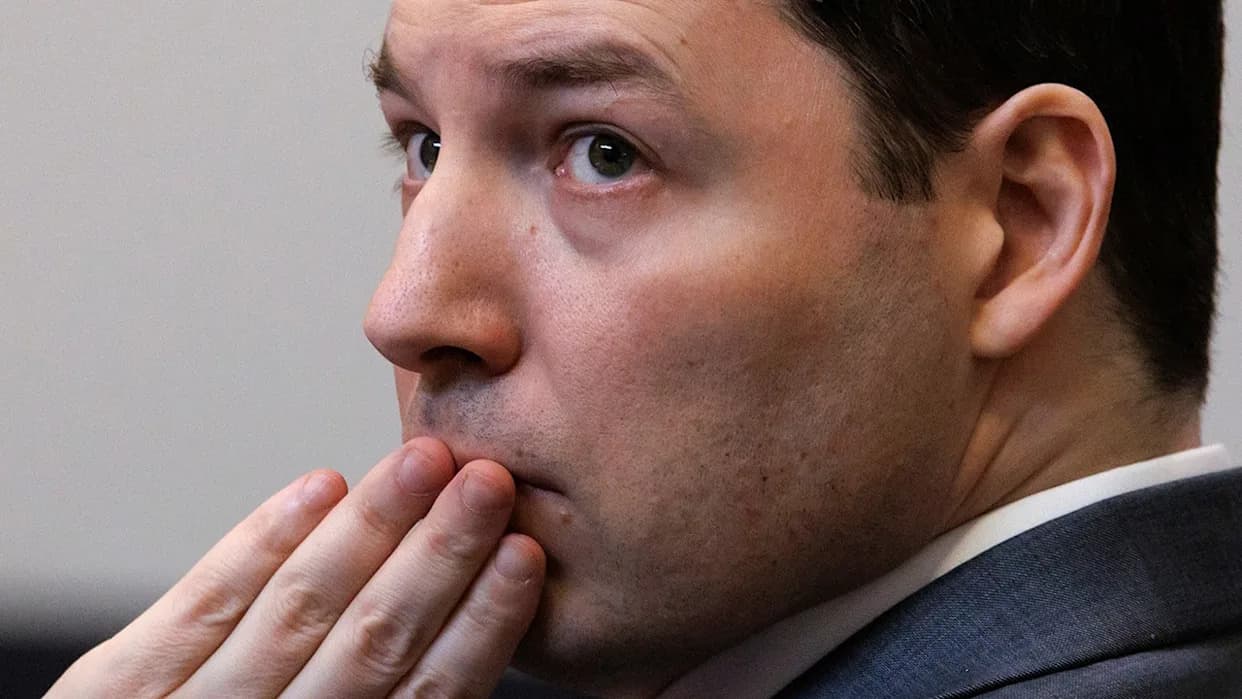
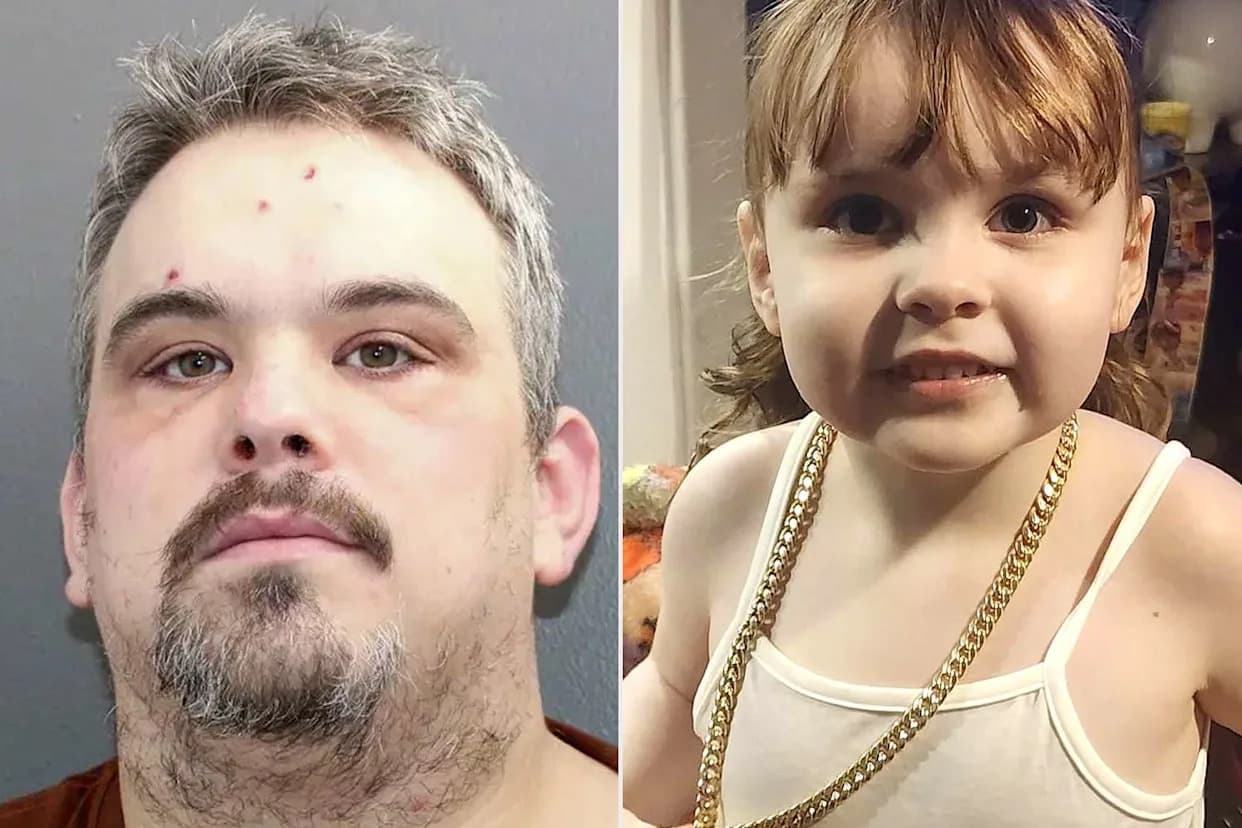
Bruno Rocuba following his arrest for theft and murder. / Credit: Lackawanna County District Attorney's Office
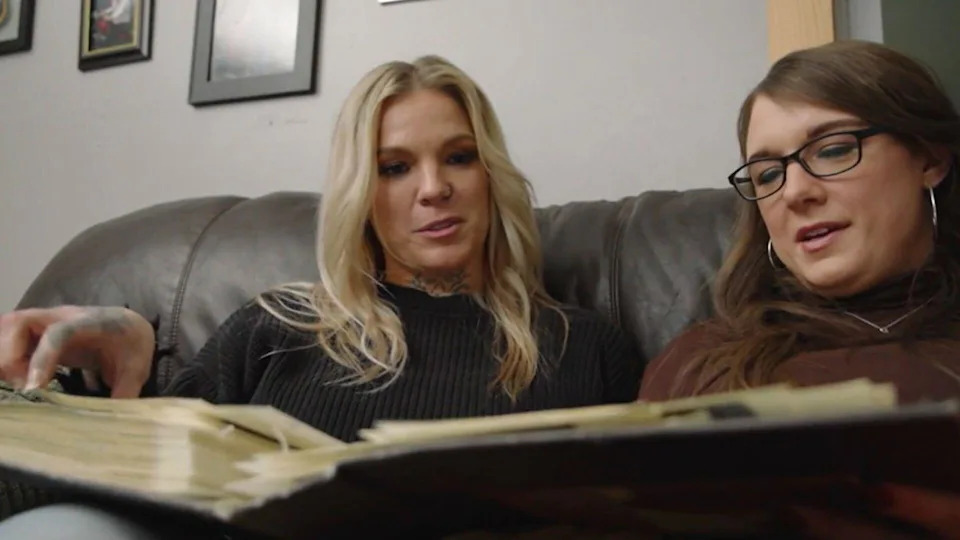
Chelsea Cicio and Sabrina Rocuba / Credit: CBS News
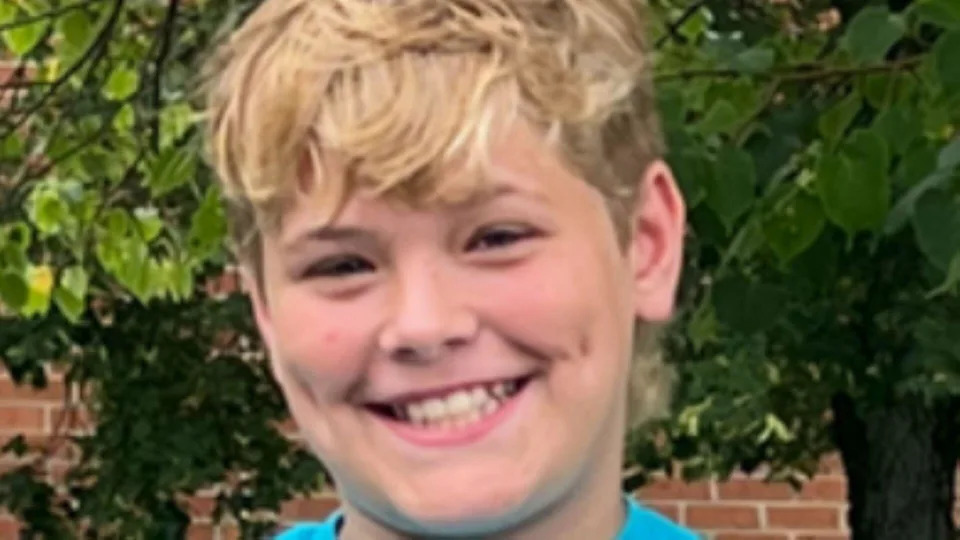
Chelsea Cicio's son Greg died after an accident in March 2025. He was 13 years old. / Credit: Chelsea Cicio
Help us improve.