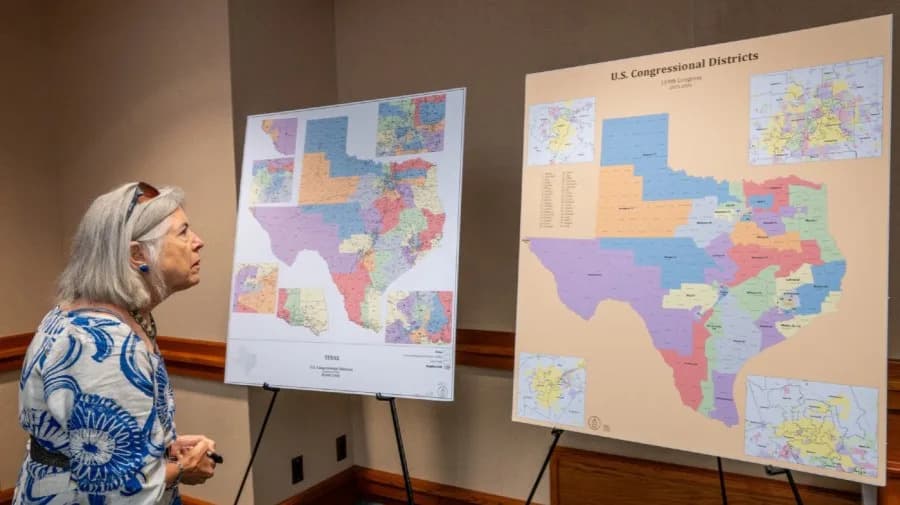
A state judge voided the boundaries of New York City’s only Republican-held congressional district, ruling the map diluted Black and Hispanic votes and ordering new lines by Feb. 6. The Independent Redistricting Commission has about 16 days to redraw the map before candidate petitioning begins, but Republicans plan to appeal and higher courts could pause the order. If Democrats succeed in reconnecting parts of Staten Island or South Brooklyn to liberal Manhattan neighborhoods, the seat could become much easier for a Democrat to win.
Judge Voids NYC GOP Congressional Map — Democrats See Path To Flip Seat
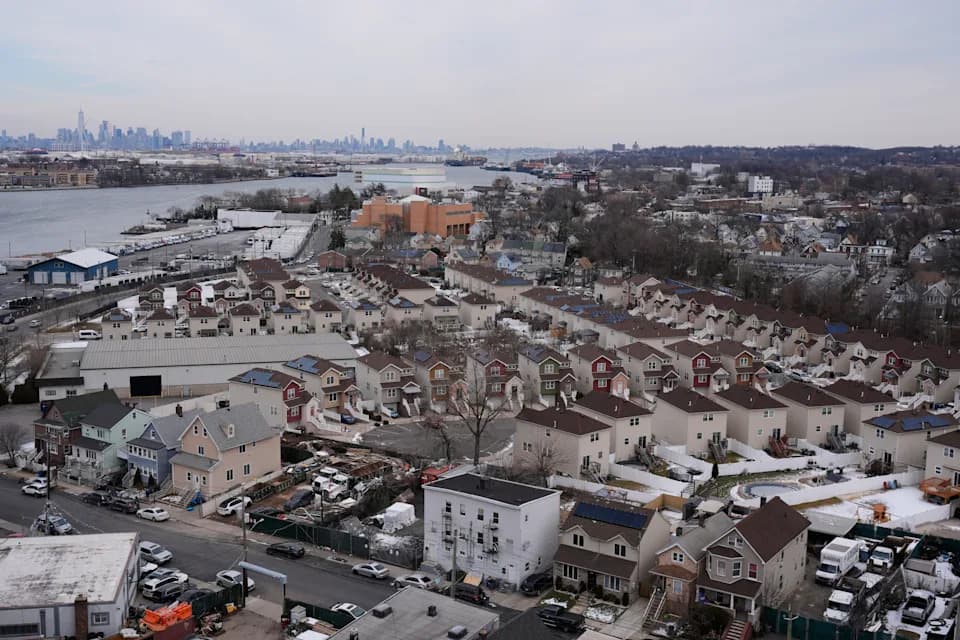
The skyline of lower Manhattan, top left, is seen behind the Staten Island borough of New York, Friday, Jan. 23, 2026. (AP Photo/Seth Wenig)(ASSOCIATED PRESS)
A state judge has invalidated the boundaries of the only Republican-held U.S. House district in New York City, creating a narrow but consequential opportunity for Democrats to try to flip the seat this fall. Justice Jeffrey Pearlman ordered the state’s Independent Redistricting Commission to draw new lines by Feb. 6, citing concerns that the current map dilutes Black and Hispanic voting power.

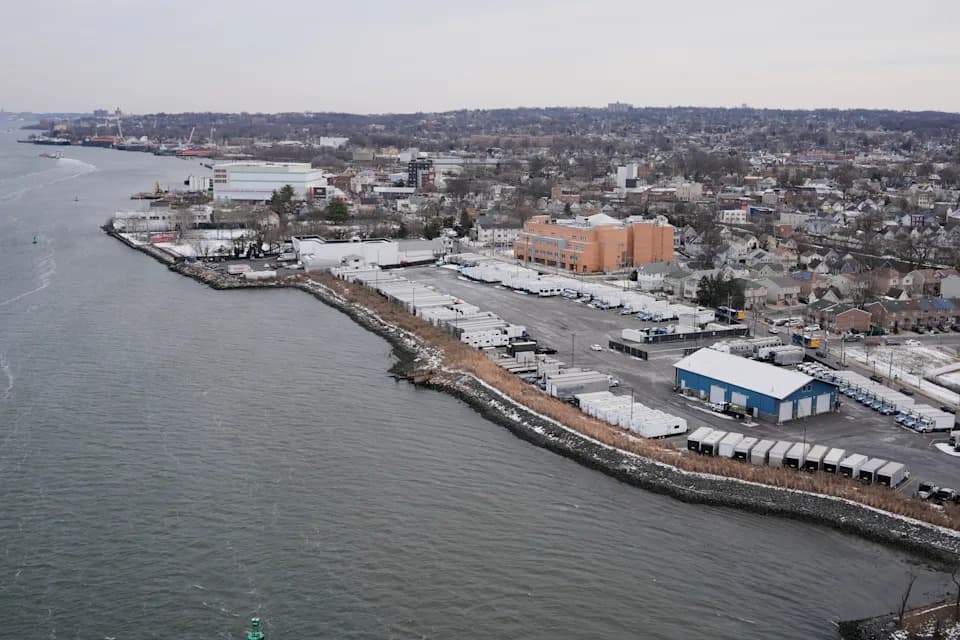
The coast of the Staten Island borough is seen in New York, Friday, Jan. 23, 2026. (AP Photo/Seth Wenig)(ASSOCIATED PRESS)
Judge Says District Dilutes Black And Hispanic Vote
Pearlman ruled that the district’s existing configuration — which covers all of Staten Island and a sliver of Brooklyn — "is a contributing factor in the lack of representation for minority voters." He directed the commission to produce a replacement map on an accelerated schedule after state election officials requested a tight deadline; candidate petitioning begins at the end of February.
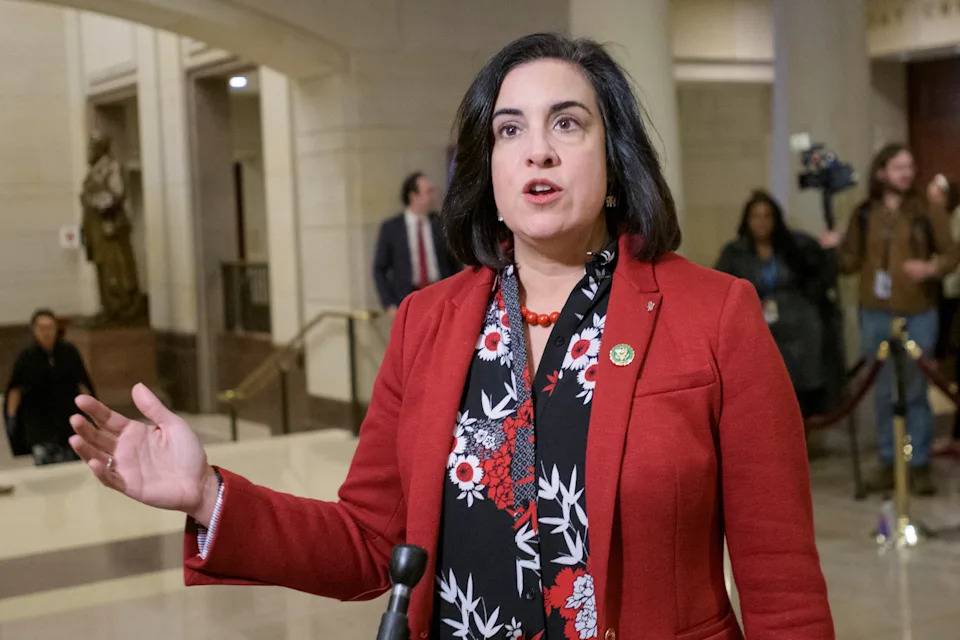
FILE - Rep. Nicole Malliotakis, R-N.Y., talks to reporters following a meeting for President-elect Donald Trump's picks for the planned Department of Government Efficiency at the Capitol, Dec. 5, 2024, in Washington. (AP Photo/Rod Lamkey, Jr., File)(ASSOCIATED PRESS)
"In one word: chaos," said Blair Horner of the New York Public Interest Research Group, describing the compressed timetable and political pressure surrounding the redraw.
What Happens Next
The order gives the Independent Redistricting Commission roughly 16 days to complete a politically sensitive redraw. The commission includes appointees from both major parties and has failed to reach consensus in the past. Republicans have already vowed to appeal Pearlman’s ruling; an appeal could pause the judge’s order while higher courts review the case, potentially pushing the dispute to the New York Court of Appeals.
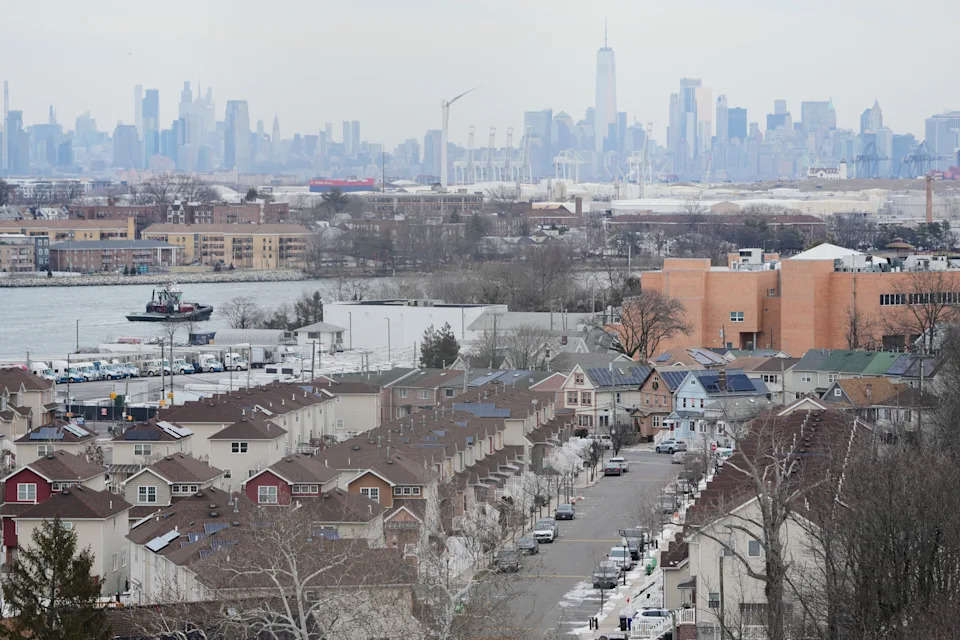
The skyline of lower Manhattan is seen behind the Staten Island borough of New York, Friday, Jan. 23, 2026. (AP Photo/Seth Wenig)(ASSOCIATED PRESS)
"This is a political gerrymander masquerading as a voting rights case," said John Faso, a former Republican congressman involved in his party’s redistricting efforts. If higher courts intervene, the timeline and any commission actions could be delayed or altered.
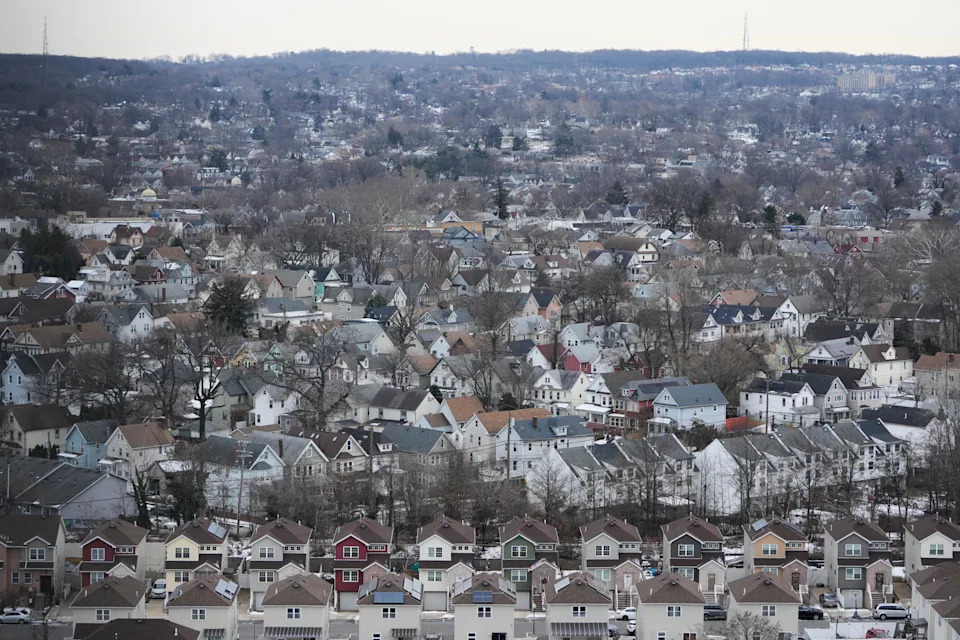
Staten Island is seen in New York, Friday, Jan. 23, 2026. (AP Photo/Seth Wenig)(ASSOCIATED PRESS)
How New Lines Could Shift The Politics
The lawsuit that prompted the ruling was filed by an election law firm aligned with Democrats. Its proposed plan — which the judge declined to adopt, saying the commission should draw replacement maps — would have connected Staten Island or southern Brooklyn to liberal Manhattan neighborhoods such as Tribeca, the West Village and SoHo. That kind of reconfiguration would produce a much more Democratic-leaning district and make it significantly easier for a Democrat to win the seat now held by Rep. Nicole Malliotakis.
Rep. Malliotakis has criticized the effort as partisan, saying Democrats are trying to "tilt the scale to give their party an advantage." Some Democrats, including Rep. Dan Goldman, signaled willingness to accept changes if they help the party win control of the House. "Our top priority must be to retake the majority and make Hakeem Jeffries Speaker of the House, and I will always place that goal first," Goldman said.
Historical And Practical Context
Staten Island has generally leaned Republican in congressional elections since the 1980s, though Democrats have won the seat occasionally; Max Rose held it for one term before losing to Malliotakis in 2020. Malliotakis won reelection in 2024 by a large margin. The compressed schedule, the commission's bipartisan makeup, and potential appeals make the district's final shape—and the political consequences—uncertain.
Bottom line: The ruling creates a plausible pathway for Democrats to flip a historically Republican-leaning seat, but legal challenges and a fraught, fast-moving redistricting process mean the outcome remains unsettled.
Help us improve.