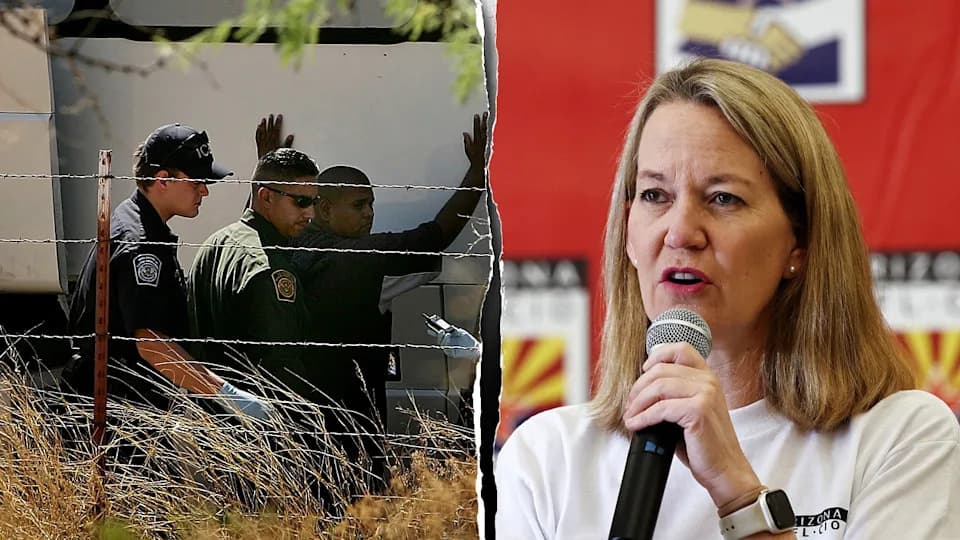
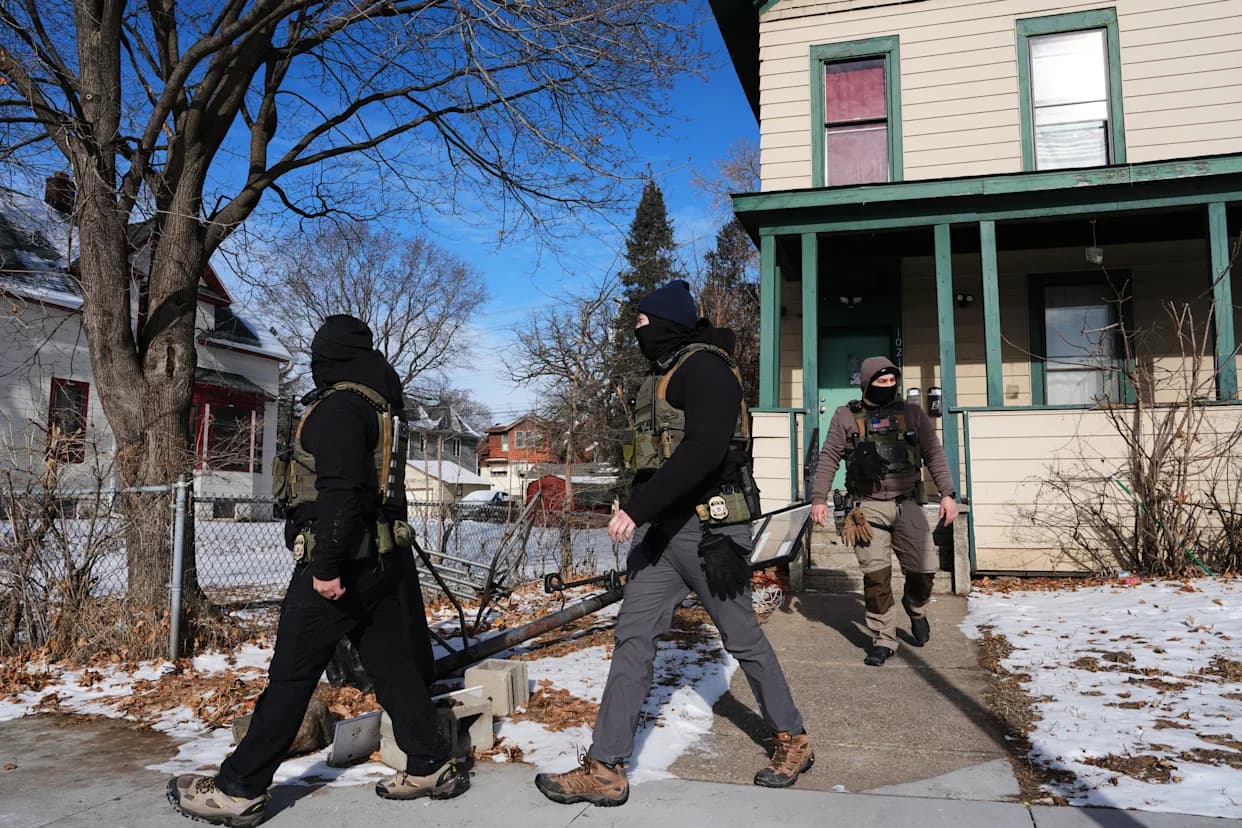
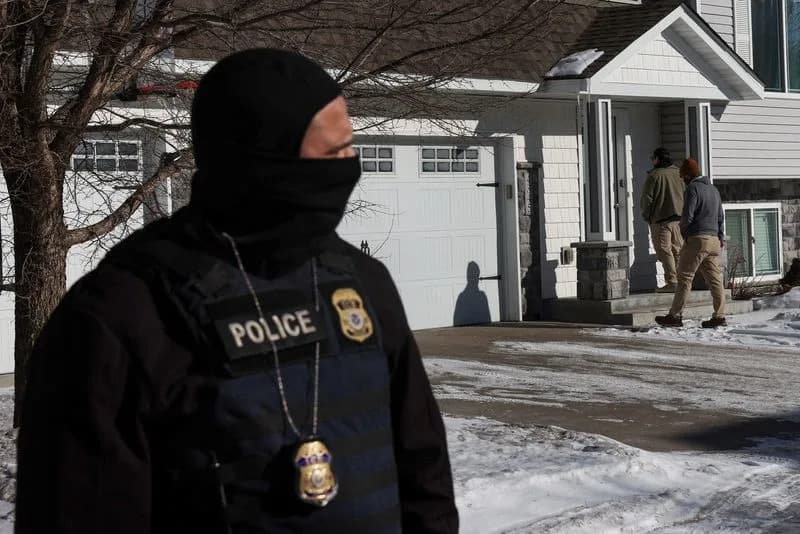
Kris Mayes, Arizona’s attorney general, warned that the state's "Stand Your Ground" law could produce deadly confusion if masked or unidentifiable ICE agents act violently. She explicitly said she was not encouraging attacks on immigration officers, answering "Absolutely not" when asked. MAGA influencers and some lawmakers portrayed her warning as a threat, highlighting a partisan contrast with conservative praise for armed resistance to federal overreach. The exchange raises questions about agent identification, enforcement protocols, and public safety.
Arizona AG Warns 'Stand Your Ground' Could Spark Shootouts If ICE Agents Aren't Identified — MAGA Backlash Ensues
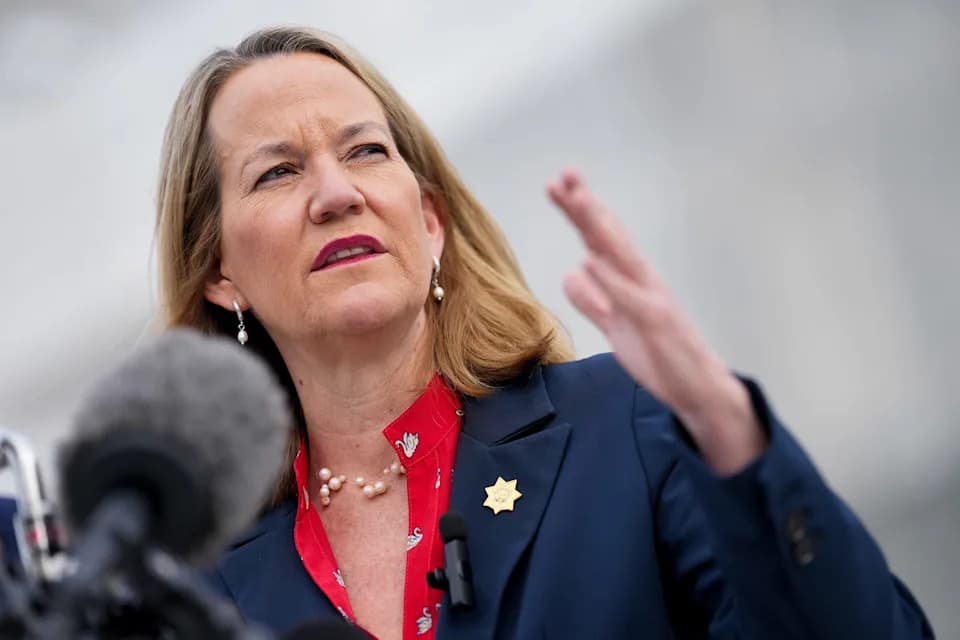
Arizona Attorney General Kris Mayes warned this week that the intersection of aggressive federal immigration enforcement and Arizona's permissive self‑defense law could create dangerous, even deadly, confusion in the field. Her comments, made in an interview with Phoenix’s NBC affiliate, prompted an immediate backlash from some supporters of former President Donald Trump, who portrayed the warning as a political threat.
What Mayes Said
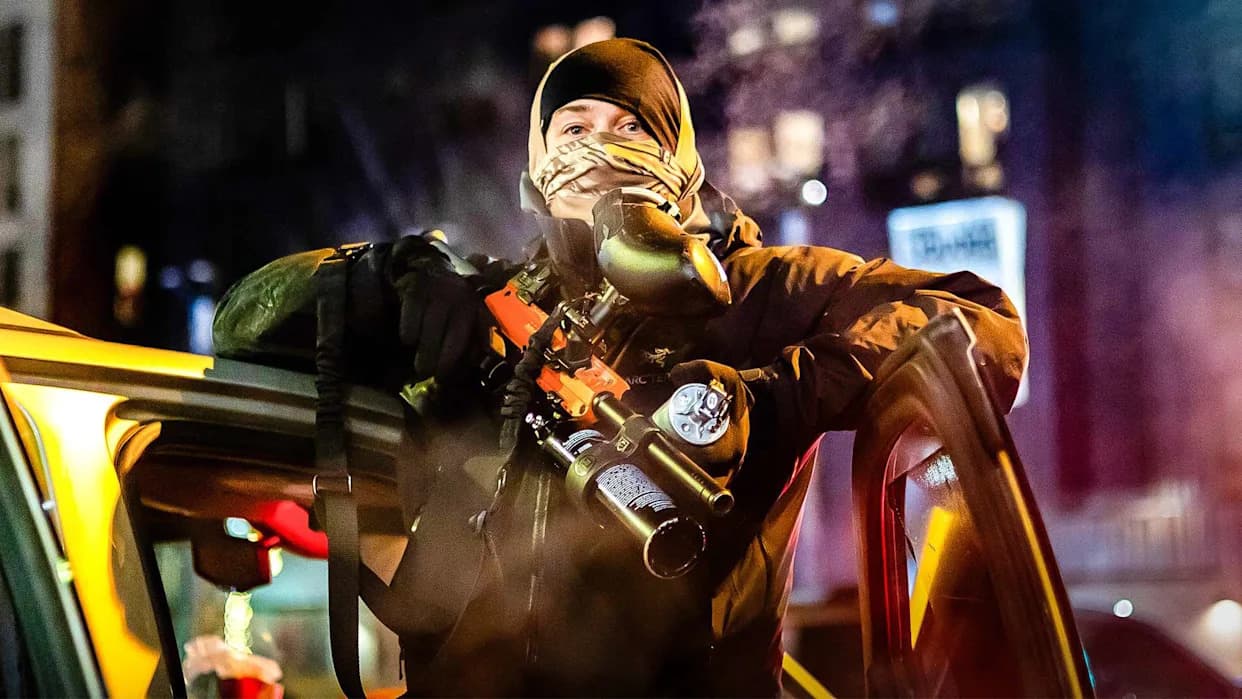
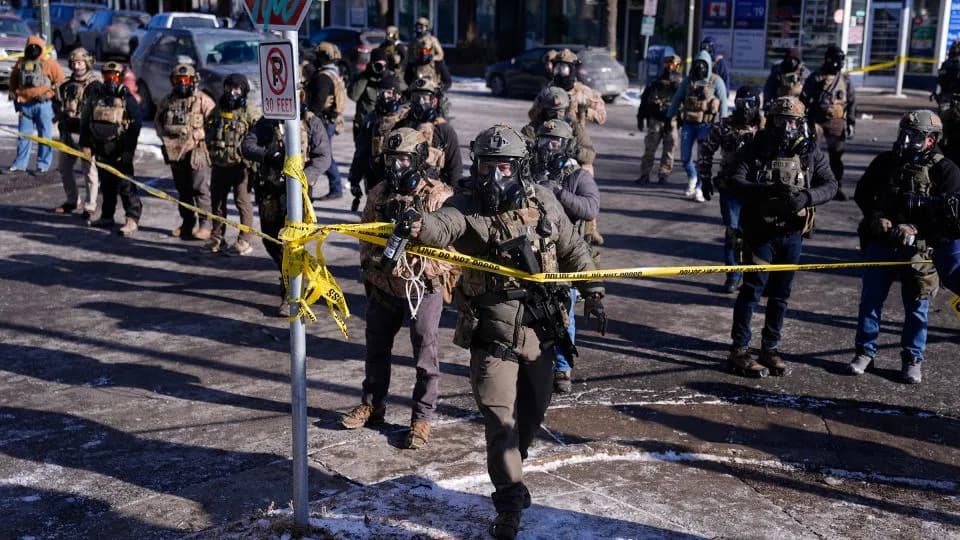
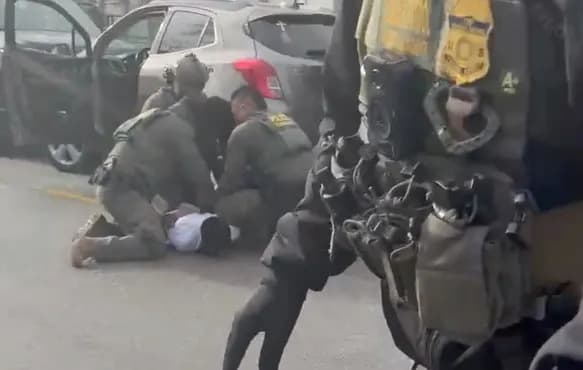
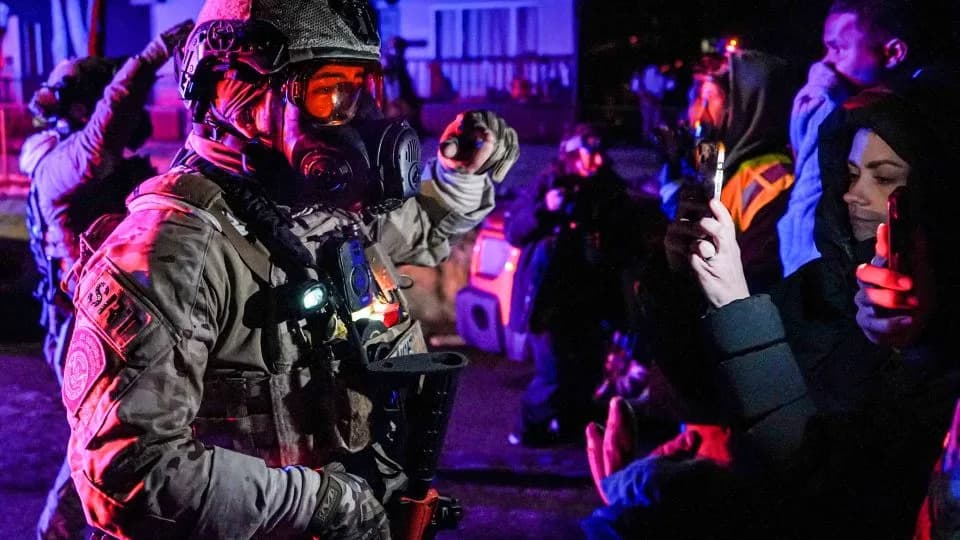
Mayes singled out Arizona’s "Stand Your Ground" statute, which allows people to use lethal force rather than retreat if they reasonably believe they face an imminent threat. She cautioned that if federal immigration officers operate while masked or are otherwise unidentifiable, civilians could misjudge whether those encountering them are lawful officers or assailants — potentially triggering shootouts.
"If you’re being attacked by someone who is not identified as a peace officer, how do you know? … By the way, I’m a gun owner. If somebody comes at me wearing a mask and I can’t tell whether they’re a police officer, what am I supposed to do?"
When asked directly whether she was suggesting people should shoot Immigration and Customs Enforcement (ICE) officers, Mayes answered, "Absolutely not," and said she was not advocating violence or obstruction of federal agents.
Kris Mayes, Arizona's attorney general, speaks to members of the media outside the US Supreme Court in Washington, DC, US, on Wednesday, Nov. 5, 2025. The US Supreme Court appeared skeptical of President Donald Trump's sweeping global tariffs, as key justices suggested he had overstepped his authority with his signature economic policy. Photographer: Eric Lee/Bloomberg via Getty Images(Eric Lee / Bloomberg via Getty Images)
Reaction And Irony
Despite Mayes’s clarification, several MAGA influencers and some lawmakers framed her remarks as menacing. Critics noted the irony: many conservatives — including Rep. Paul Gosar of Arizona — often defend private gun ownership as a check on federal power and have celebrated armed resistance to perceived federal overreach. Those same voices, however, pushed back when a Democratic official raised a pragmatic public‑safety concern about how those dynamics might play out in real encounters.
Policy Implications
The episode highlights practical policy questions: how should federal agents operating in communities identify themselves, what protocols govern masked or tactical deployments, and how do state self‑defense laws interact with federal enforcement actions? Public‑safety experts and policymakers may need to address identification standards, training, and communication between federal and local authorities to reduce the risk of tragic misunderstandings.
Mayes’ comments were framed as a warning about foreseeable risks rather than a call to violence. The debate that followed underscores how deeply polarized interpretations of armed self‑defense and federal authority have become — and how those divisions can complicate efforts to protect both civilians and law enforcement.
Help us improve.