
Federal officials have suspended about $185 million in child-care payments to Minnesota while probing alleged fraud tied to some centers, a move that could disrupt care for roughly 19,000 children. The pause followed a viral video alleging fraud at Somali-run centers and a buildup of federal activity in the Twin Cities. State leaders and providers warn the freeze risks shuttering programs that rely on CCAP subsidies and are seeking legal and legislative responses while investigations continue.
Federal Freeze On $185M In Child-Care Payments Threatens Minnesota Centers Amid Fraud Probe

Nick Shirley, a 23-year-old YouTube creator. - Nick Shirley/Youtube
Federal officials have paused roughly $185 million in child-care payments to Minnesota as part of a broader investigation into alleged fraud, a move providers warn could force closures and disrupt care for about 19,000 children.
What happened: The U.S. Department of Health and Human Services (HHS) announced the funding suspension on X, saying payments to centers under review will be withheld until additional verification shows funds are being spent legitimately. HHS Deputy Secretary Jim O’Neill said states must provide complaints, records of discrepancies, attendance and inspection logs and other administrative data before funds are released.
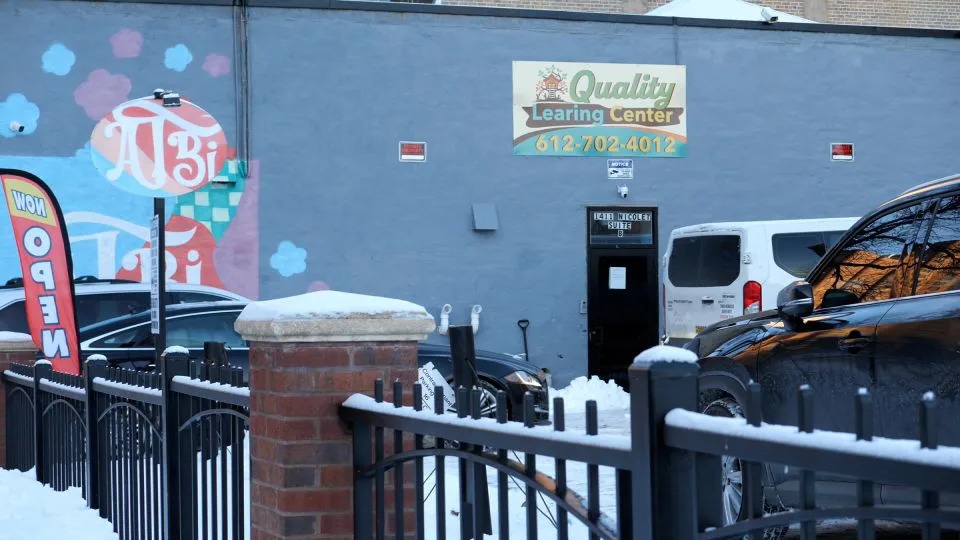
Quality Learning Center is seen in Minneapolis, Minnesota, on December 29. - KARE
Viral Video And Federal Response
The announcement followed increased federal activity in the Minneapolis–St. Paul area and the circulation of a viral YouTube video produced by independent creator Nick Shirley alleging widespread fraud at several child-care centers, many run by Somali Americans. Shirley’s video — which presents limited direct evidence and is under review by news organizations and investigators — has been widely shared on social media and drew further attention from conservative influencers.
Law-enforcement officials have said Shirley’s footage helped prompt visits by Homeland Security Investigations agents to roughly 30 businesses in the Twin Cities. HHS and DHS have said they will examine sites suspected of improperly receiving Child Care Assistance Program (CCAP) payments, which subsidize care for low-income families and are based on enrolled eligible children rather than a facility’s capacity.
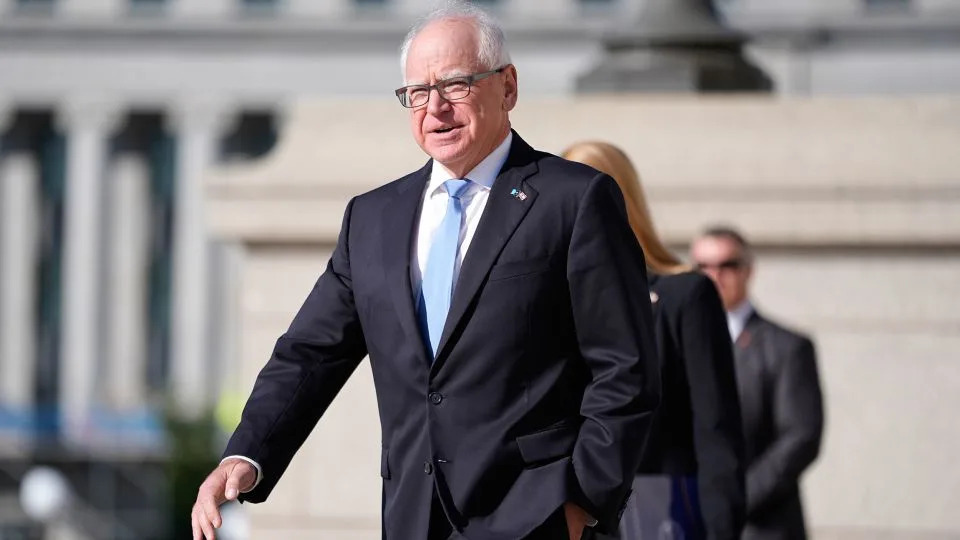
Minnesota Gov. Tim Walz is seen outside of the Capitol in St. Paul, Minnesota, on October 7. - Abbie Parr/AP
State And Provider Concerns
Minnesota leaders and child-care providers warned the freeze could immediately harm families and programs. Providers at a news conference said many centers depend on CCAP revenue — one director said 75% of children at her center rely on state assistance — and that some programs could close within weeks without payments. State Representative Carlie Kotyza-Witthuhn urged officials to strengthen supports for Somali-run centers rather than dismantle them.
“Funds will be released only when states prove they are being spent legitimately,” HHS Deputy Secretary Jim O’Neill said.
The Minnesota attorney general’s office signaled it will challenge what it called a rushed federal action. A senior adviser to Attorney General Keith Ellison described the measure as potentially unlawful and said the state will use legal avenues to protect residents.
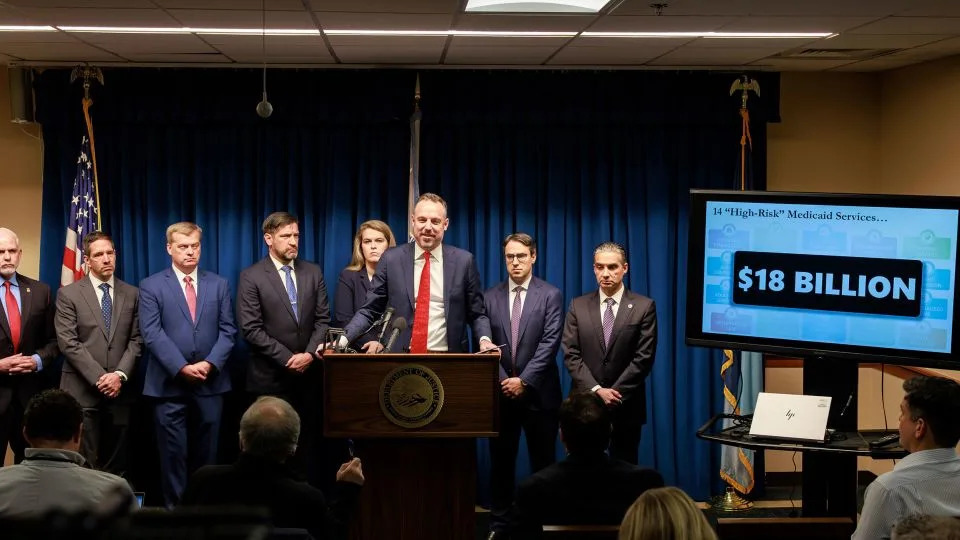
First Assistant US Attorney Joseph H. Thompson delivers a statement during a news conference at the US Attorney's Office inside the United States Courthouse on December 18 in Minneapolis. - Kerem Yücel /AP
Allegations, Harassment, And Oversight
Some centers identified in the video reported harassment, threats and vandalism after the footage spread online. One South Minneapolis center said enrollment and employment records were stolen and that staff received threatening voicemails. At least one facility cited in the video, Quality Learning Center, said the clip was recorded during posted business hours when it was closed for the morning; state records show licensing violations of a nonabandonment nature and inspectors observed families attending the center on a subsequent day.
State officials note that CCAP payments may be withheld for fraud but not for licensing violations alone. Minnesota’s licensing system includes unannounced inspections and detailed audits; advocates say many programs already undergo strict oversight.
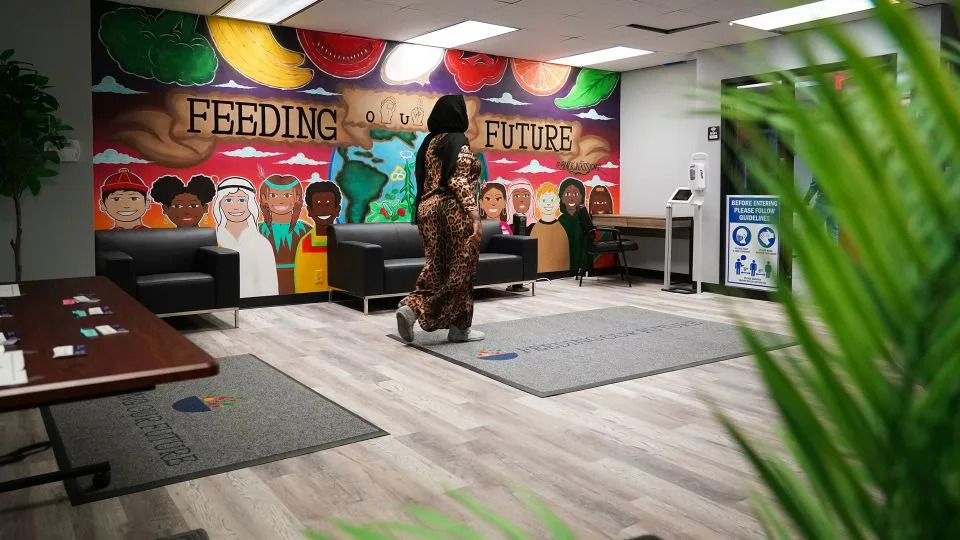
The office of Minnesota nonprofit Feeding Our Future is seen on January 27, 2022, in St. Anthony, Minnesota. - Shari L. Gross/Star Tribune/Getty Images
Broader Context And Ongoing Probes
The funding pause comes amid multiple federal investigations into alleged fraud in Minnesota, including probes of Paycheck Protection Program (PPP) misuse and large-scale Medicaid-related schemes. One high-profile case, Feeding Our Future, produced dozens of federal charges after prosecutors concluded the nonprofit falsified meal-delivery claims during the COVID-19 pandemic.
Federal and state leaders have public disagreements over the scale of reported fraud and the appropriate response. Political rhetoric has intensified, particularly toward Minnesota’s large Somali community, which community leaders and advocates say is being unfairly stigmatized by the actions of a relatively small number of people.
Next Steps
HHS said it will release funds only after verification. Congressional oversight hearings and state-level inquiries are scheduled. Federal and state agencies are continuing their investigations; arrests or additional enforcement actions have not been widely reported at the time of this writing.
Note: Reporting and investigations are ongoing. News outlets and officials continue to review the centers cited in the viral video and the scope of any alleged misuse of funds.


