U.S. and partner forces killed or captured nearly 25 ISIS operatives after a Dec. 19 strike, CENTCOM said, following 11 follow-up missions that killed at least seven militants and destroyed four weapons caches. Operation Hawkeye Strike targeted more than 70 ISIS sites with over 100 precision munitions, but analysts warn ISIS has shifted from holding territory to operating as covert cells. Fragile governance, understaffed detention facilities in northeastern Syria and lingering extremist networks create openings ISIS can exploit. Experts say military strikes are necessary but insufficient without improved detention security and regional cooperation.
ISIS Exploits Syria’s Fragmentation After U.S. Strikes, CENTCOM Warns
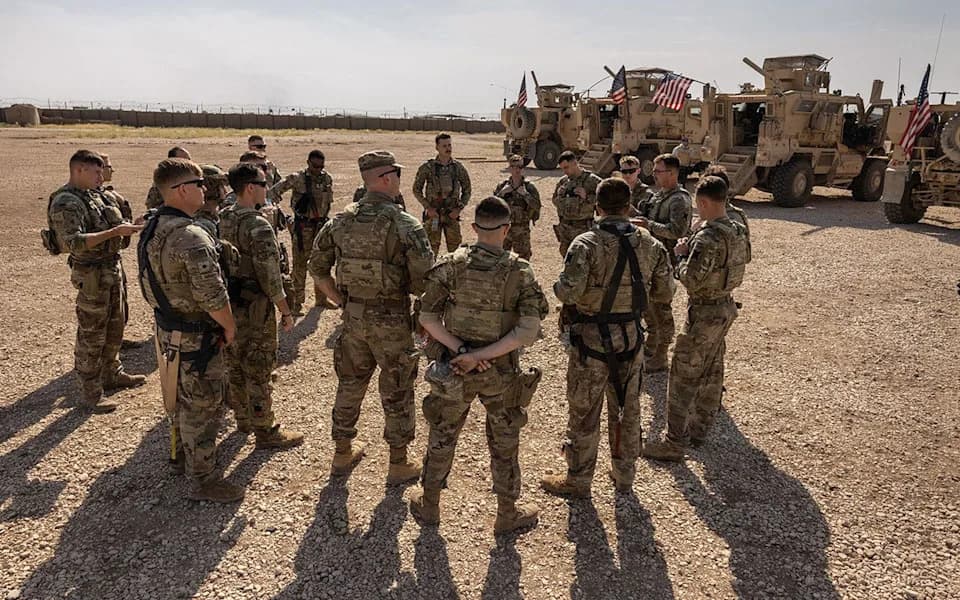
U.S. Army soldiers prepare to go out on patrol from a remote combat outpost on May 25, 2021, in northeastern Syria. U.S. forces, part of Task Force WARCLUB operate from combat outposts in the area, coordinating with the Kurdish-led Syrian Democratic Forces (SDF) in combatting residual ISIS extremists and deterring pro-Iranian militia.
U.S. and partner forces killed or captured nearly 25 Islamic State operatives in Syria in the days following a major U.S.-led strike on Dec. 19, CENTCOM said in a new statement, underscoring that ISIS remains an active threat across the country.
U.S. Strikes And Follow-Up Operations
CENTCOM reported that coalition forces carried out 11 follow-up missions between Dec. 20 and Dec. 29, killing at least seven ISIS members, detaining the remainder and destroying four weapons caches. These operations followed "Operation Hawkeye Strike," when U.S. and Jordanian forces struck more than 70 ISIS targets across central Syria using over 100 precision munitions, degrading infrastructure and weapons sites linked to the group.
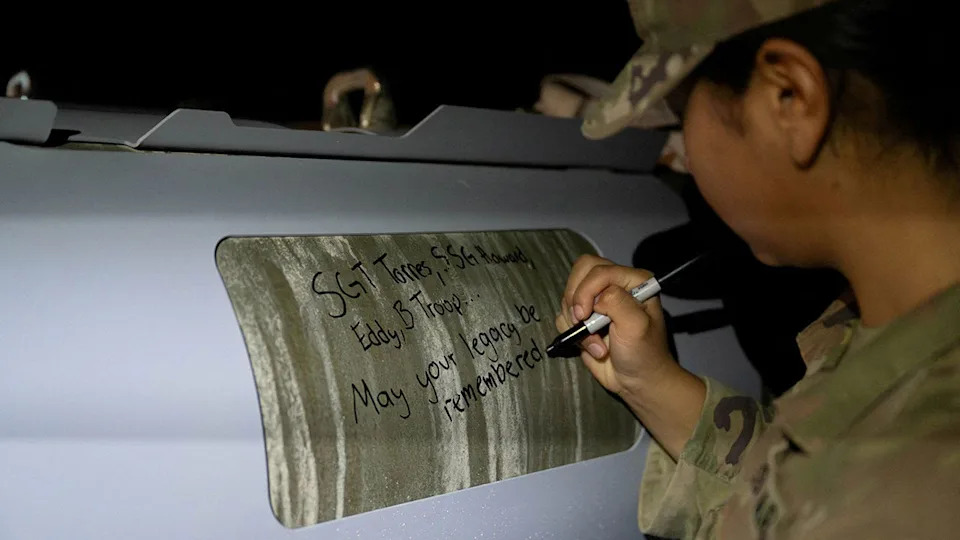
U.S. soldiers attached to the Iowa National Guard sign GBU-31 munitions systems in the U.S. Central Command area of responsibility Dec. 18, 2025 as the U.S. military launched large-scale strikes against dozens of Islamic State targets in Syria in retaliation for an attack on U.S. personnel, U.S. officials said.
"We will not relent," a CENTCOM commander said, adding that U.S. forces remain steadfast in working with regional partners to dismantle networks that threaten U.S. and regional security.
Why ISIS Still Poses A Threat
Although ISIS no longer controls large, contiguous territories in Syria, the group has adapted to operate in smaller, covert cells capable of carrying out lethal attacks, recruiting, and regenerating. Analysts and commanders warn that Syria’s fragmented security environment — with competing militias, foreign-backed groups and overstretched local forces — provides the space ISIS needs to operate quietly and rebuild.
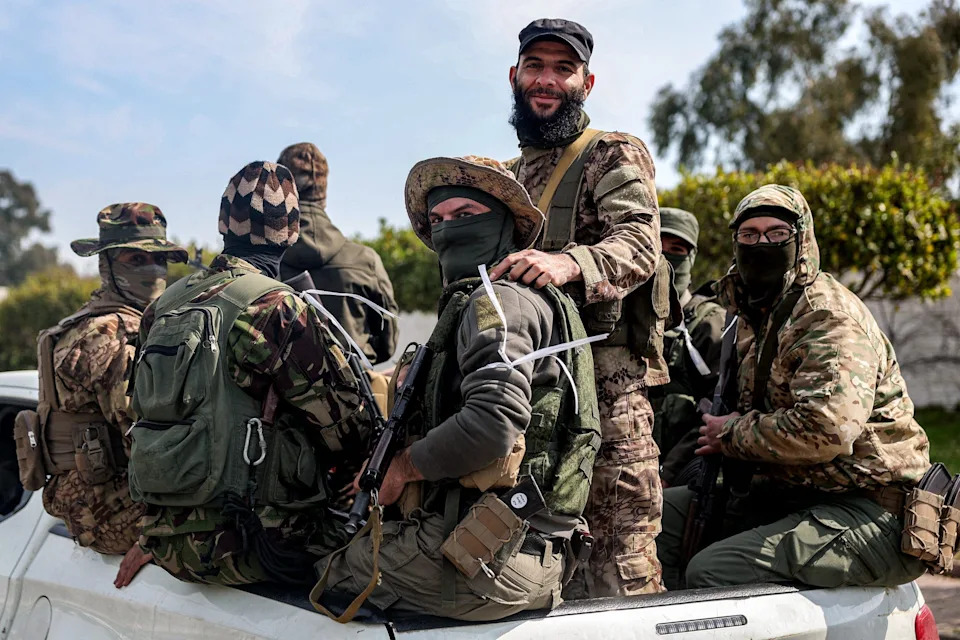
Security forces loyal to the interim Syrian government ride in the back of a vehicle moving along a road in Syria's western city of Latakia on March 9, 2025. Syria's interim President Ahmed al-Sharaa called for national unity and peace on March 9, amid growing international backlash following the killing of civilians along the country's coast in the worst violence since the overthrow of former president Bashar al-Assad.
Regional security assessments note that remnants of former jihadist networks were never fully demobilized after the war. While these groups are not synonymous with ISIS, the incomplete dismantling of extremist structures has left vulnerabilities that ISIS cells can exploit.
Detention Facilities And The Risk Of Prison Breaks
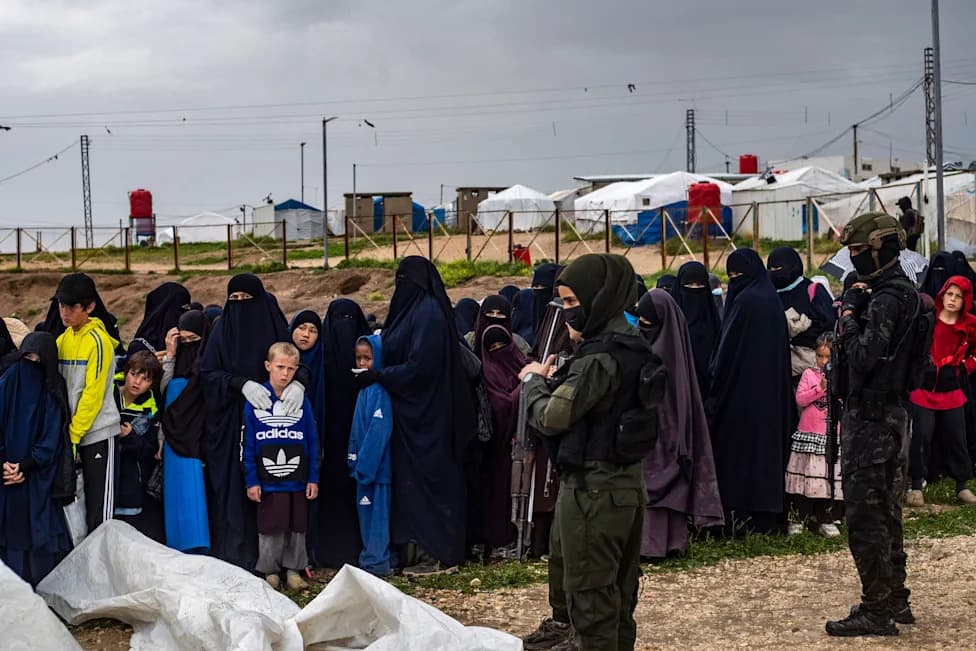
One of the most sensitive vulnerabilities is the network of detention facilities in northeastern Syria that hold thousands of suspected ISIS members and supporters. Those prisons are primarily guarded by Kurdish-led forces with a modest U.S. military presence estimated at roughly 1,000 troops. Officials have repeatedly warned that any major disruption to prison security — from coordinated attacks to staffing or funding shortfalls — could enable hardened operatives to escape and reconstitute networks across the region.
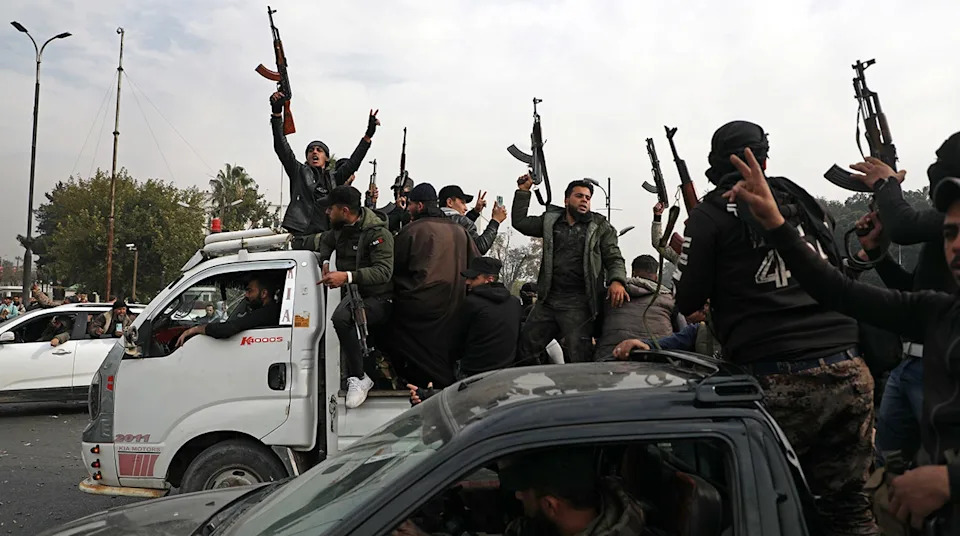
People wave guns in the air as they gather to celebrate the fall of the Syrian regime in Umayyad Square on Dec. 8 in Damascus, Syria.
The threat is tangible: ISIS has previously staged large prison-break operations in Syria and Iraq, including a 2022 assault on the al-Sinaa prison in Hasakah that required days of fighting to contain.
Regional Pattern And Intelligence Indicators
U.S. officials and analysts stress that the increase in ISIS activity in Syria reflects a broader regional pattern rather than an isolated spike. Intelligence sources have reported ongoing ISIS-linked recruitment and small-scale attacks across multiple theaters designed to test security responses and maintain operational relevance.
In recent weeks, Turkish security forces clashed with suspected Islamic State militants during counterterrorism operations, wounding several officers, illustrating that the threat extends beyond Syria’s borders.
Policy Implications
While coalition strikes such as the Dec. 19 operation can significantly degrade ISIS infrastructure, military action alone cannot eliminate the underlying conditions that enable the group to persist. Experts emphasize that sustained pressure, stronger detention security, better-funded local partners, and regional cooperation are all necessary to reduce the long-term threat.
"ISIS today doesn’t need a caliphate to be dangerous," analyst Bill Roggio told reporters, adding that the group has adapted to operate covertly and continues to recruit and inspire attacks.
As U.S. and partner forces continue counterterrorism missions, officials acknowledge the challenge of maintaining containment over the long term while also addressing the governance and security gaps that allow extremist groups to survive and adapt.
Help us improve.