The NTSB's preliminary report details a Nov. 8, 2025 helicopter accident near Lebanon, Tennessee, in which flight paramedic Andrew Sikes took control after the pilot experienced a medical emergency. The Air Methods-operated LifeFlight helicopter struck tree tops while attempting to reach an open field and impacted the ground about 10–20 feet above terrain. All major airframe components remained intact and investigators found no evidence of preimpact mechanical failure. The crash killed 55-year-old flight nurse Allan Williams and seriously injured the pilot and Sikes; the NTSB investigation is ongoing.
NTSB: Flight Paramedic Took Controls After Pilot Medical Emergency in Fatal Tennessee Helicopter Crash
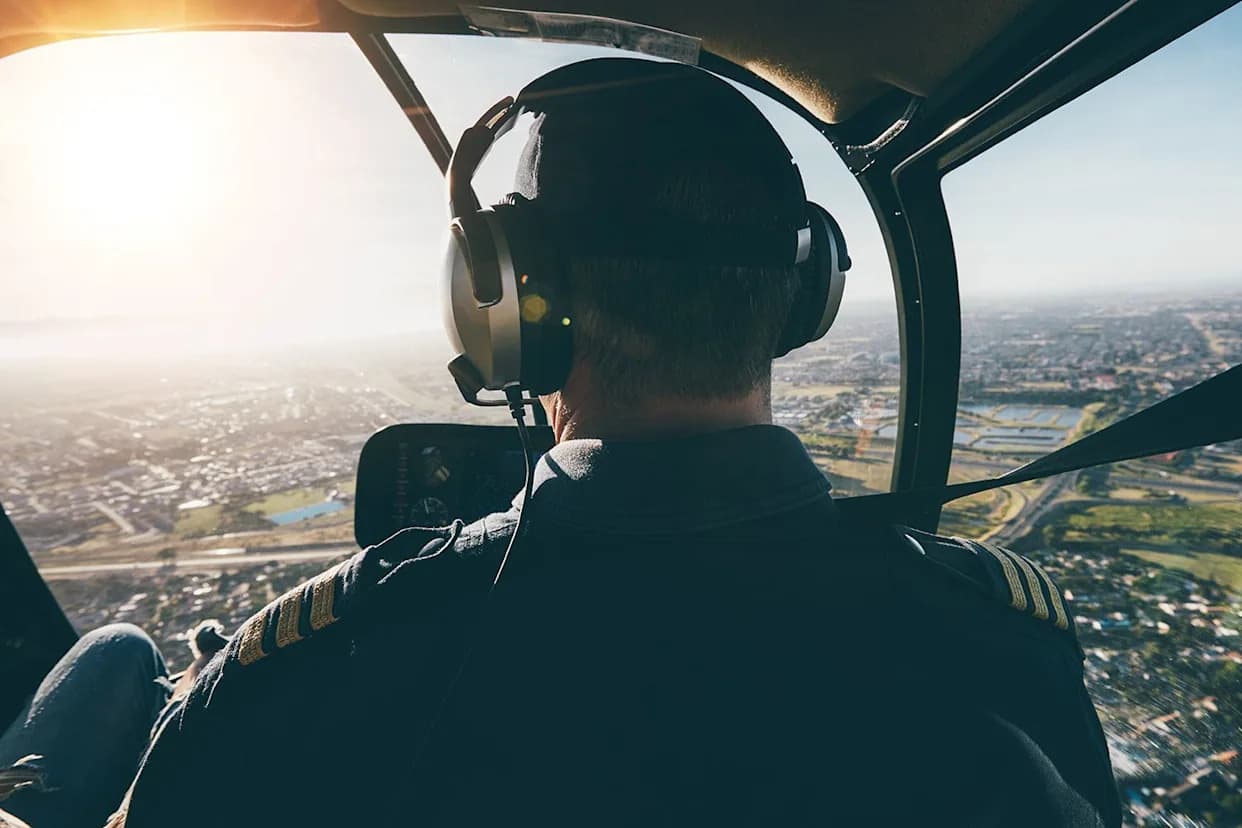
GettyA man operates a helicopter
A preliminary report from the National Transportation Safety Board (NTSB) sheds new light on a Nov. 8, 2025 helicopter accident near Lebanon, Tennessee, in which a flight paramedic assumed control after the pilot suffered a medical emergency. The crash, involving an Air Methods LLC LifeFlight helicopter serving Vanderbilt University Medical Center (VUMC), killed one crewmember and seriously injured two others.
Timeline and Immediate Response
LifeFlight1 departed its Gallatin, Tennessee base about 1:34 p.m. local time with a single pilot, a flight nurse and flight paramedic Andrew Sikes on board. Roughly three minutes after dispatch, the communications center (AIRCOM) notified the crew that the mission had been canceled and the pilot turned the helicopter back toward Gallatin.
At 1:39 p.m., AIRCOM received a radio call from the flight paramedic: 'Aircom…LF1…we have a medical emergency onboard with our pilot…uh we're gonna…we will advise.' No further transmissions from the flight were received.
Onboard Actions
In a post-accident interview reported by the NTSB, Sikes said he found the pilot unresponsive with a 'complete blank stare' after the aircraft turned back. He discovered the autopilot was not engaged, released his restraints and moved forward to try to slow and stabilize the helicopter.
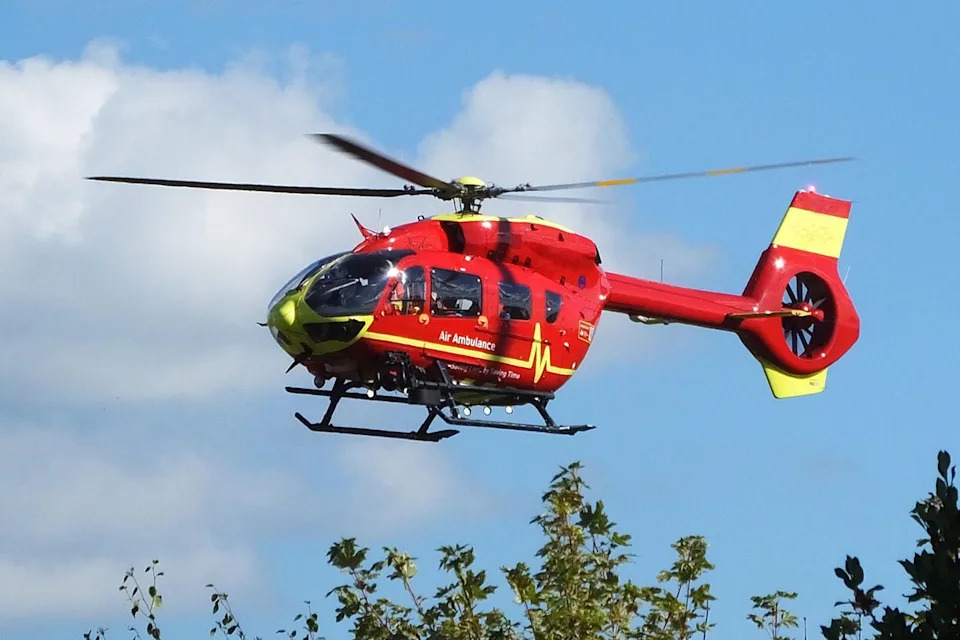
GettyAn air ambulance in flight
'The flight paramedic had never touched a cyclic control stick in flight before, as they were not allowed to, but from watching pilots' hands in flight, he knew that small inputs would result in small reactions, and he needed a large reaction,' the NTSB report states.
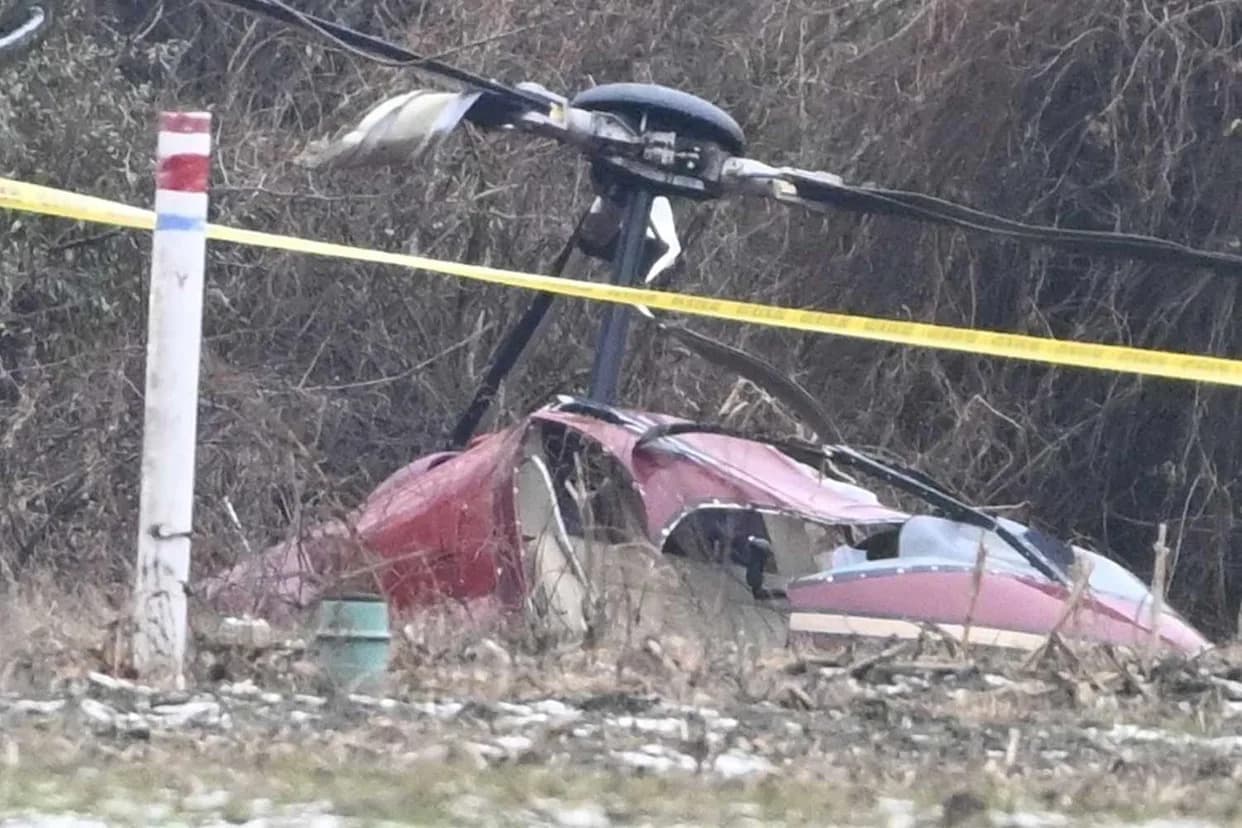
Sikes managed to gain a measure of control and steered the aircraft toward a bright yellow field he could see below. While approaching the open area, the helicopter struck the tops of trees. At an altitude of roughly 10 to 20 feet above ground, Sikes executed a hard flare and the helicopter impacted the terrain and came to rest on its left side.
Crash Examination and Casualties
Post-impact examination found that all major airframe components, including the crew and passenger compartment, remained intact, although the tailboom was bent downward. Investigators reported no evidence of pre-impact mechanical malfunction or failure that would have prevented normal operation prior to the crash.
The crash seriously injured both Sikes and the pilot. Vanderbilt University Medical Center confirmed the death of 55-year-old flight nurse Allan Williams, who had recently marked 15 years of service with VUMC. VUMC described Williams as a devoted husband, father and colleague.
The NTSB continues its investigation into the cause of the pilot's medical event and the sequence of actions that followed onboard the helicopter.
Help us improve.