The World Economic Forum regained momentum in 2026 after BlackRock CEO Larry Fink helped lure hesitant leaders back to the Congress Center and pushed programming into more public spaces. Fink said he personally invited former US President Donald Trump, whose attendance helped reassert Davos’s relevance. Attendees called the meeting unusually substantive, highlighted by the signing of the Board of Peace charter and high-level diplomatic gatherings. Organizers say the Forum will remain based in Switzerland while expanding dialogue globally through spinoff events.
How Larry Fink — And Donald Trump — Helped Revive Davos
When the World Economic Forum arrived in 2026, it did so at a moment of uncertainty. Founder and longtime chair Klaus Schwab had stepped down amid scrutiny, populist politics had undercut parts of the Forum's globalist consensus, and some corporate leaders had kept a low profile rather than appear alongside the WEF's progressive programming. The result: questions about whether Davos could still command influence.
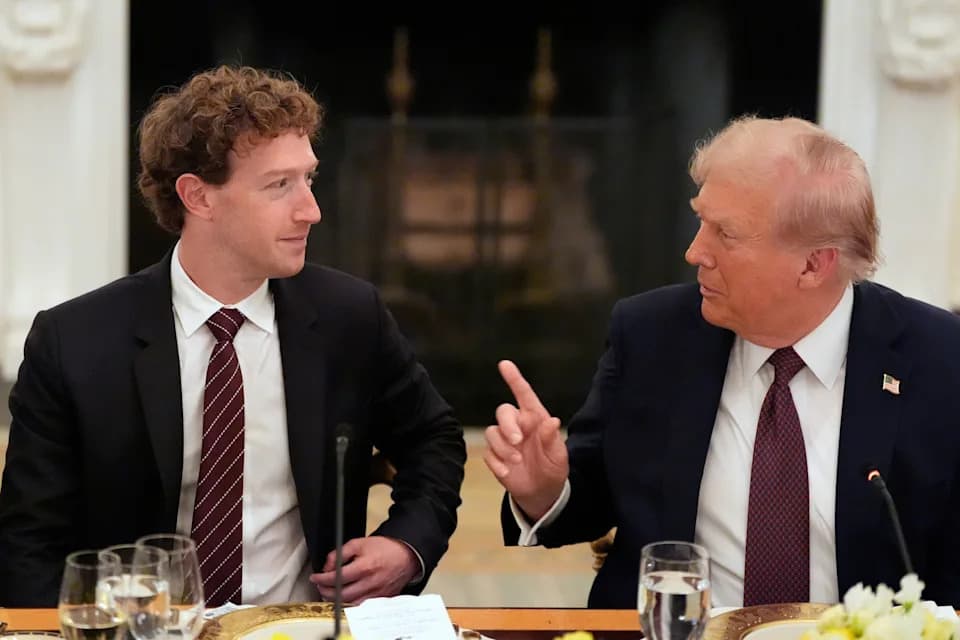
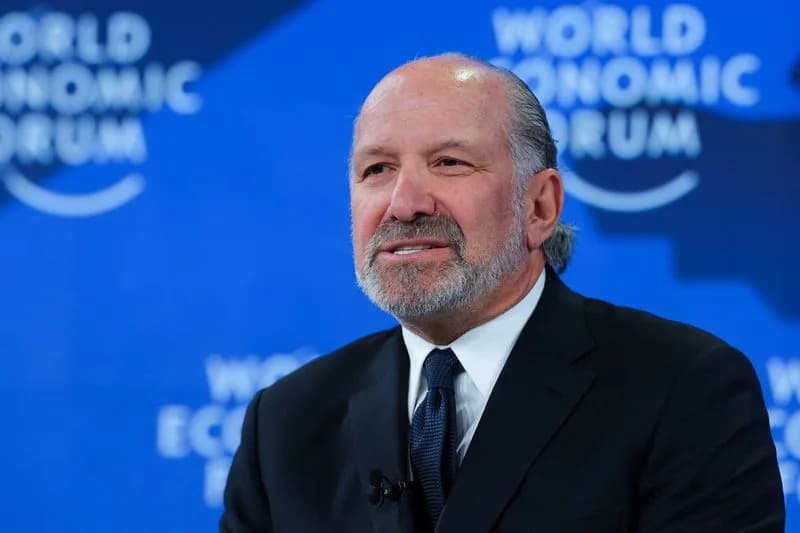
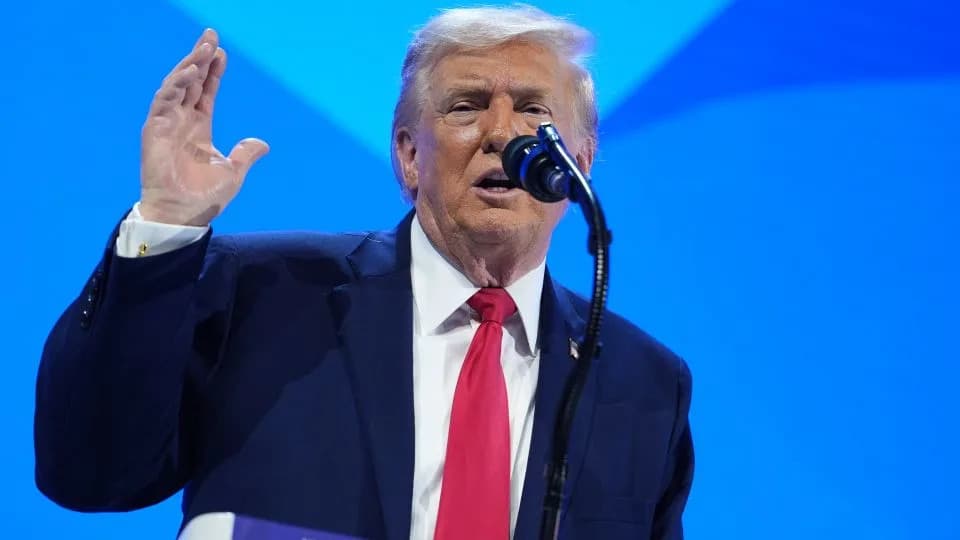
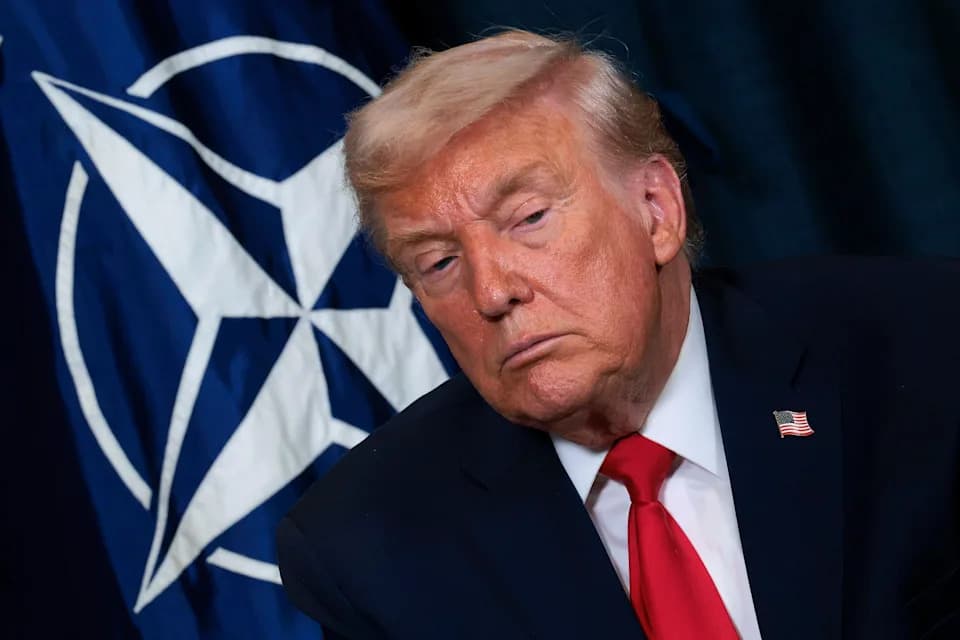
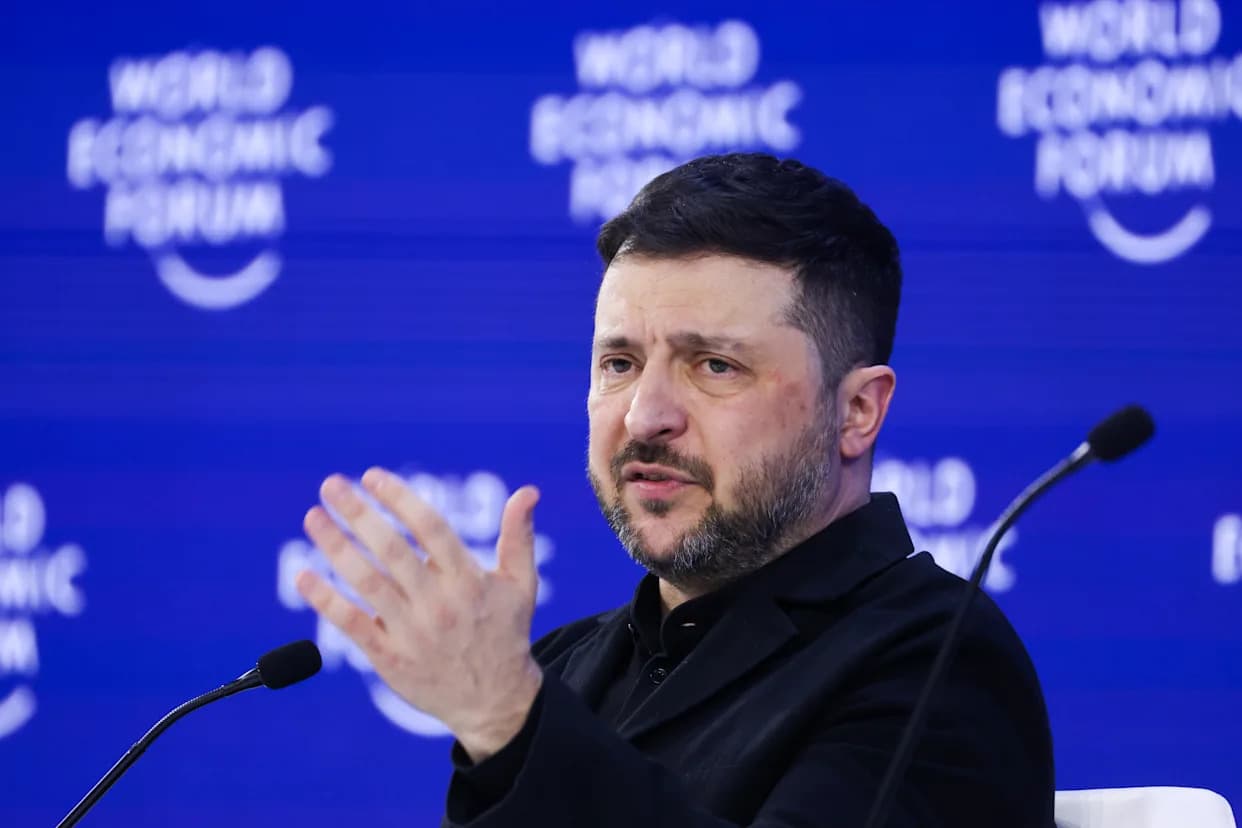
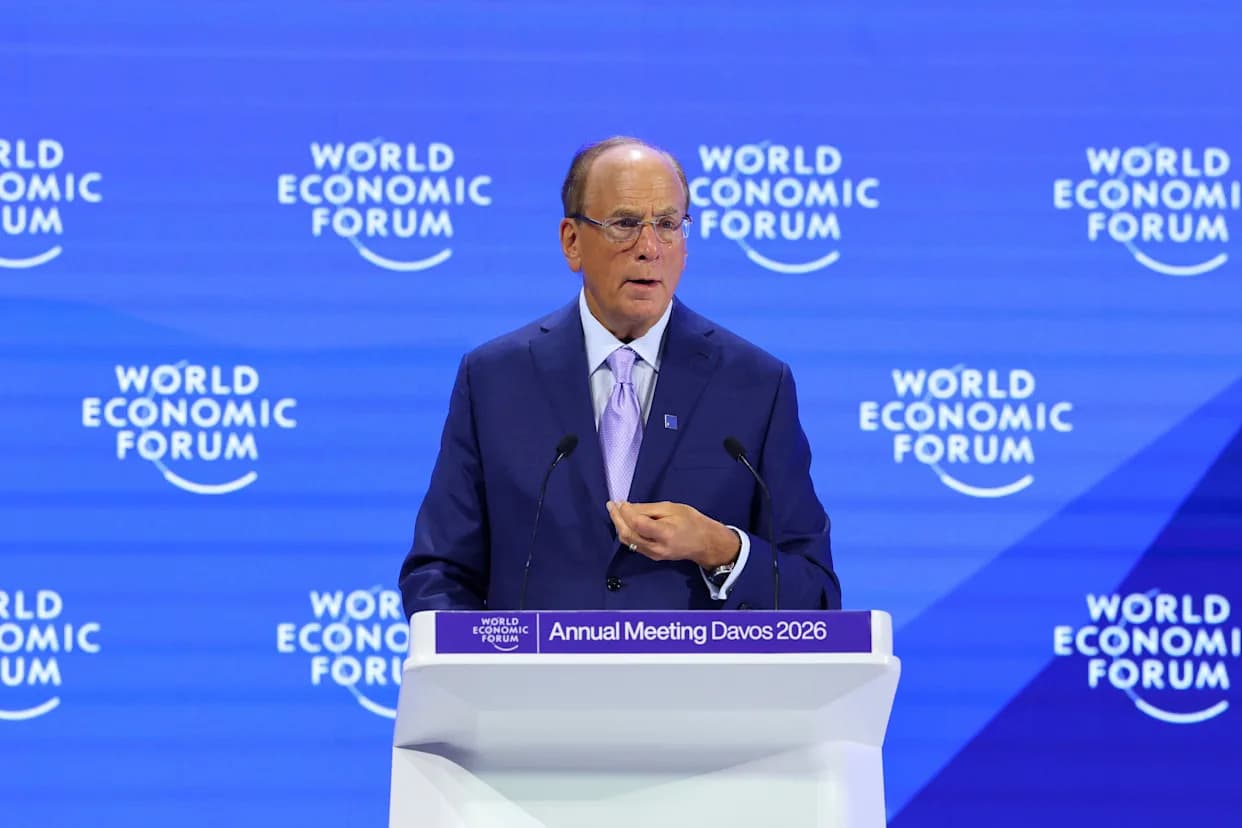
BlackRock CEO Larry Fink moved into that fragile moment and helped change the tone. In an interview with Semafor, Fink said he encouraged chief executives to return to the Congress Center stage, pushed some programming out into more public settings, and personally invited former US President Donald Trump to attend — an appearance that many attendees said reasserted Davos's relevance.
From Spectacle Back to Substance
Attendees described the 2026 meeting as unusually substantive. Rather than the lighter, spontaneous atmosphere some remember, this Davos was work-focused: frank conversations on geopolitics, trade, and security — reflecting a world that has grown more restrained and fraught. "I played some role in bringing people here, but it was not a hard lift," Fink told Semafor. "All the uncertainty that everybody writes about, everybody wanted to come here and talk about it."
Action Over Rhetoric
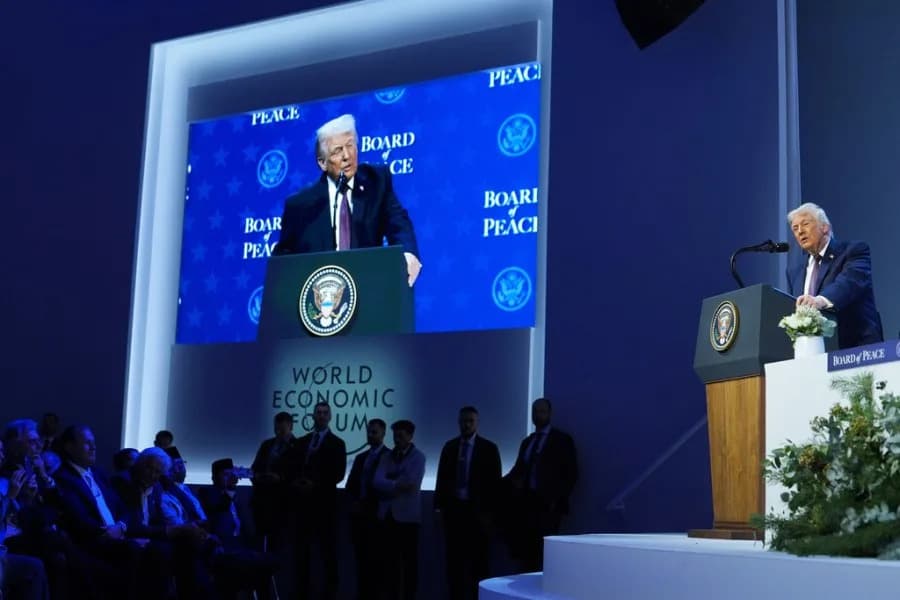
One of the most visible outcomes was the signing of the Board of Peace charter. Whatever one thinks of Mr. Trump's motives or the design of the logo, the event marked a return to Davos's old role as a forum for concrete initiatives. Historically, the WEF has helped broker quiet diplomatic breakthroughs — from easing tensions between Greece and Turkey in the late 1980s to staging a public encounter between Nelson Mandela and FW de Klerk in 1992 — and this year featured meetings aimed at translating talk into action.
"I may not agree with everything everyone said, but I believe we created a forum where people were speaking louder and more boldly," Fink said. "I was encouraged by the openness of conversation."
High-Level Encounters
Several notable gatherings underscored Davos's diplomatic value. A memorial lunch organized by Dina Powell McCormick brought together Israeli President Isaac Herzog, HRH Princess Reema of Saudi Arabia, and Sheikh Salman of Bahrain — a grouping that highlighted the Forum's continuing role as a unique space for high-stakes, behind-the-scenes dialogue.
The Forum's Future
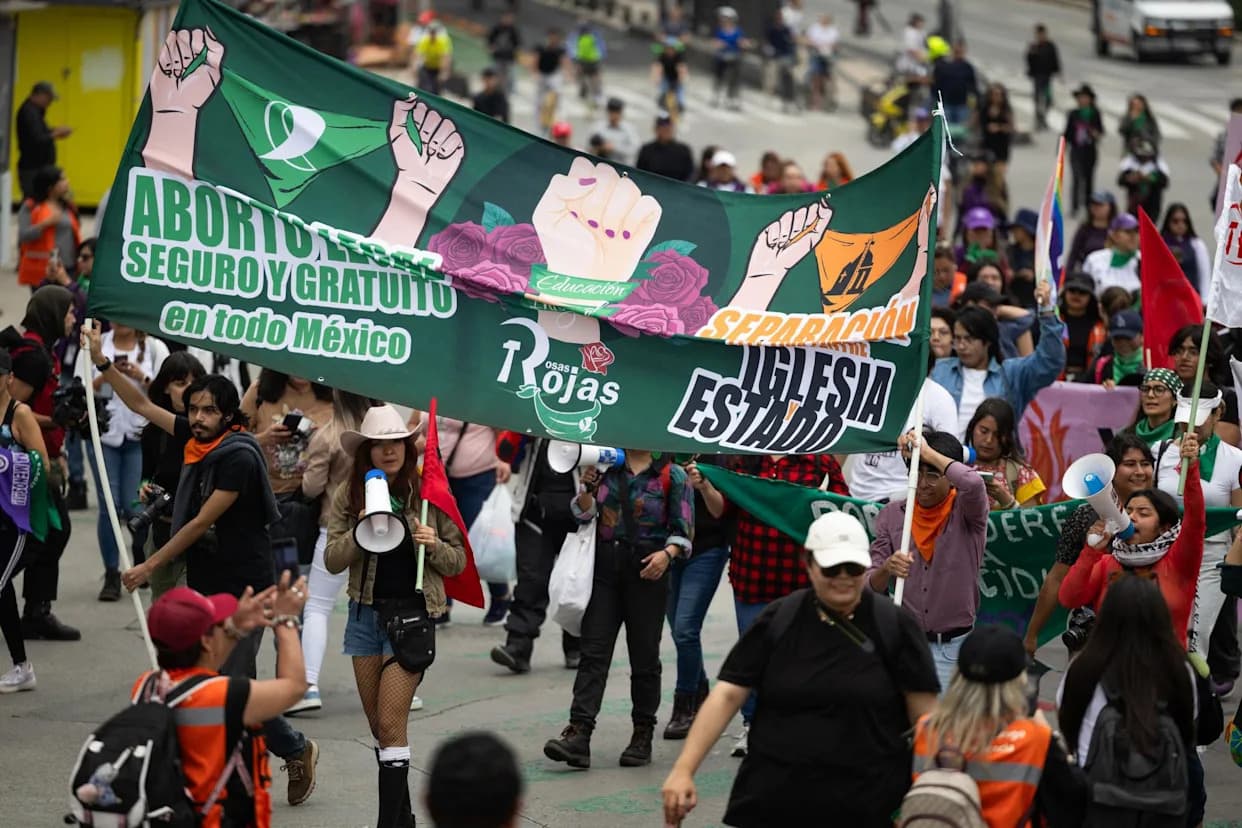
Questions about Davos's location surfaced amid talk of alternative venues such as Detroit or Jakarta. Fink told Semafor there had been no formal discussion of relocation at the WEF governance or board level and reiterated that the Forum remains anchored in Switzerland. He also noted that the WEF can and should create more dialogue outside Davos, pointing to spinoff events in Istanbul and Mexico City.
After a year that many described as a crossroads for the organization, the 2026 meeting suggested Davos had regained momentum by aligning its format with a more restrained, action-oriented global environment.
Help us improve.