Arthur Levine, president of Brandeis University, told the American Enterprise Institute that 20–25% of U.S. colleges could close in coming years amid a shift to a global, digital knowledge economy. He cited demographic, economic, technological and political pressures and warned smaller, tuition-dependent community and regional colleges are most at risk. Levine compared the change to transformations during the Industrial Revolution and urged institutions to adapt or face decline.
Brandeis President Warns: Up To 25% Of U.S. Colleges Could Close As Higher Education Undergoes Major Shift

A university president is warning that up to a quarter of colleges and universities in the United States could close in the coming years.(iStock)
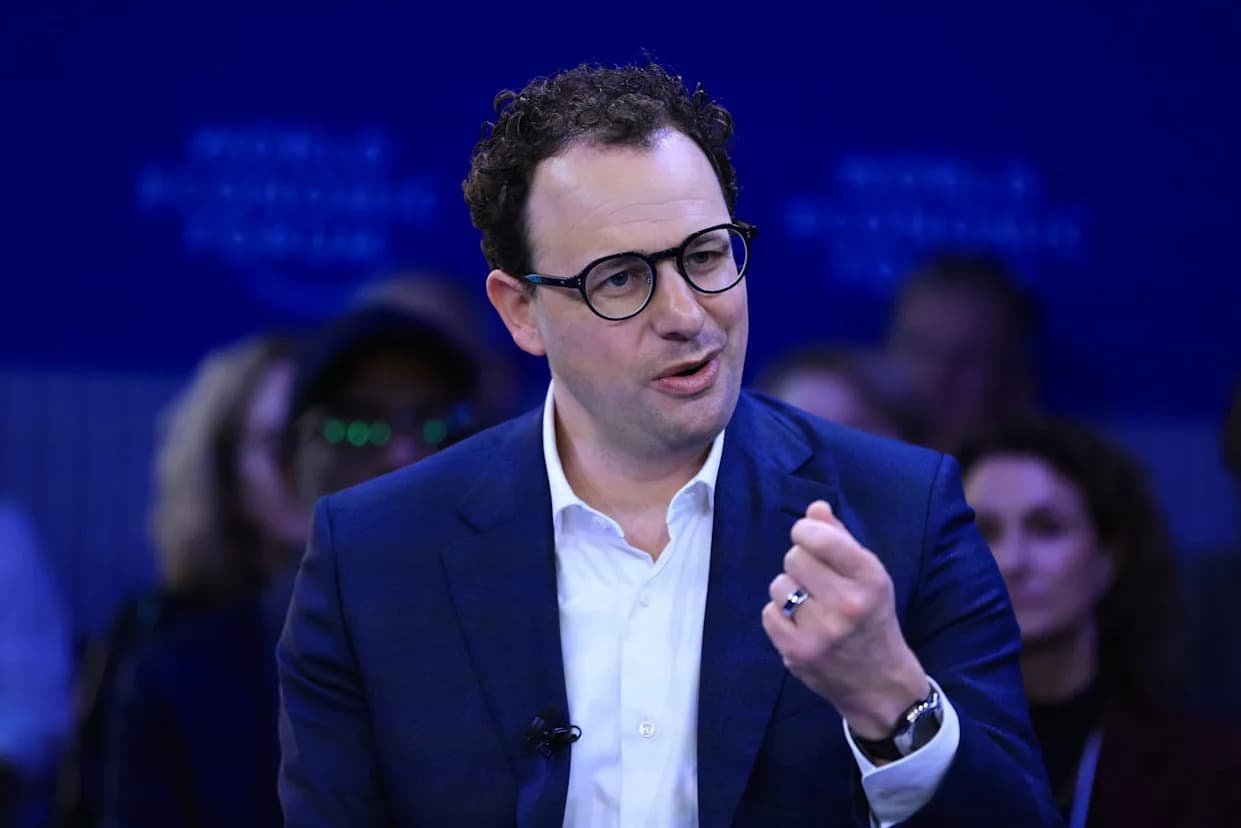
Arthur Levine, president of Brandeis University, warned at a recent American Enterprise Institute discussion that as many as 20–25% of colleges and universities in the United States may close their doors in the coming years.
Levine framed the forecast as part of a broader societal transformation: the shift from a national, analog industrial economy to a global, digital knowledge economy. He said that demographic, economic, technological and political pressures are combining to reshape higher education.
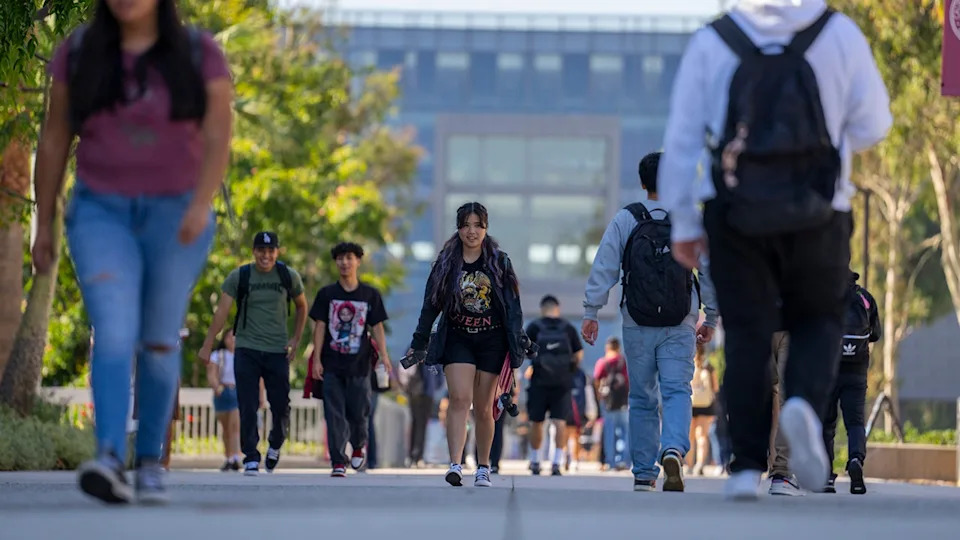
Arthur Levine, president of Brandeis University in Massachusetts, said during a recent conversation at the American Enterprise Institute that he expects between 20–25% of American colleges and universities to shut down.
“Basically, what’s happening is that higher education is undergoing a transformation,” Levine said. “We’re watching what was a national analog industrial economy become a global digital knowledge economy.”
Levine predicted that many community colleges and regional institutions—especially smaller, tuition-dependent schools—will either close or pivot heavily to online instruction. He suggested that well-resourced, wealthier universities may be able to postpone some upheaval, but that no sector is exempt from change.
“Traditional higher education as we know it — research universities, residential colleges — are where the transformation is going to occur,” he said, comparing the current moment to the structural changes of the Industrial Revolution.
He identified several core problems driving the risk of closures: the rising cost of college, sluggish institutional adaptation, and a mismatch between price and measurable outcomes. Levine noted that when institutions fail to evolve with broader social and economic shifts, some recover and survive, while others never catch up.

Some of the factors contributing to colleges facing problems include higher education being too expensive, a reluctance to change and changing too slowly.
This warning has implications for students, faculty, policymakers and communities: potential changes in access, workforce training, tuition models and the role of online education are likely to accelerate as institutions respond to financial and demographic pressures.
What to watch next: how institutions respond with program redesign, hybrid and online offerings, consolidation or partnerships, and efforts to demonstrate clearer outcomes tied to cost.
Help us improve.