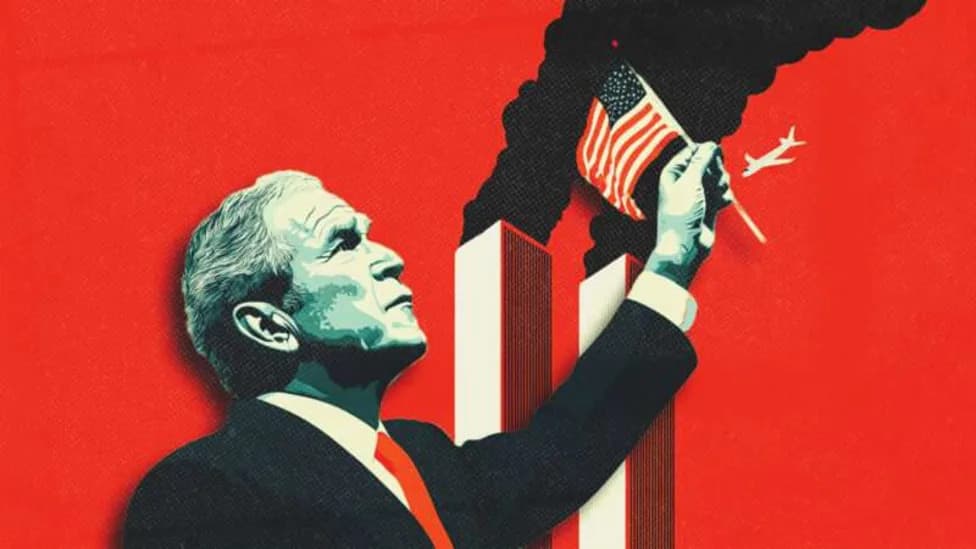
Attempts to force regime change routinely fail because military action cannot build the institutional and social capacity required to govern. Historical examples — especially the 2003 Iraq invasion and the post-Gaddafi collapse in Libya — show that destroying an existing state often eliminates the structures a successor would need. U.S. interventions also create moral hazard, encouraging premature uprisings that lack the organizational backbone to succeed. While Venezuela may be an exception because of its more recent democratic institutions, the broader lesson is that external force cannot reliably remake another country's social contract.
Why Regime Change So Often Fails: Lessons From Iraq, Libya, Venezuela and Beyond
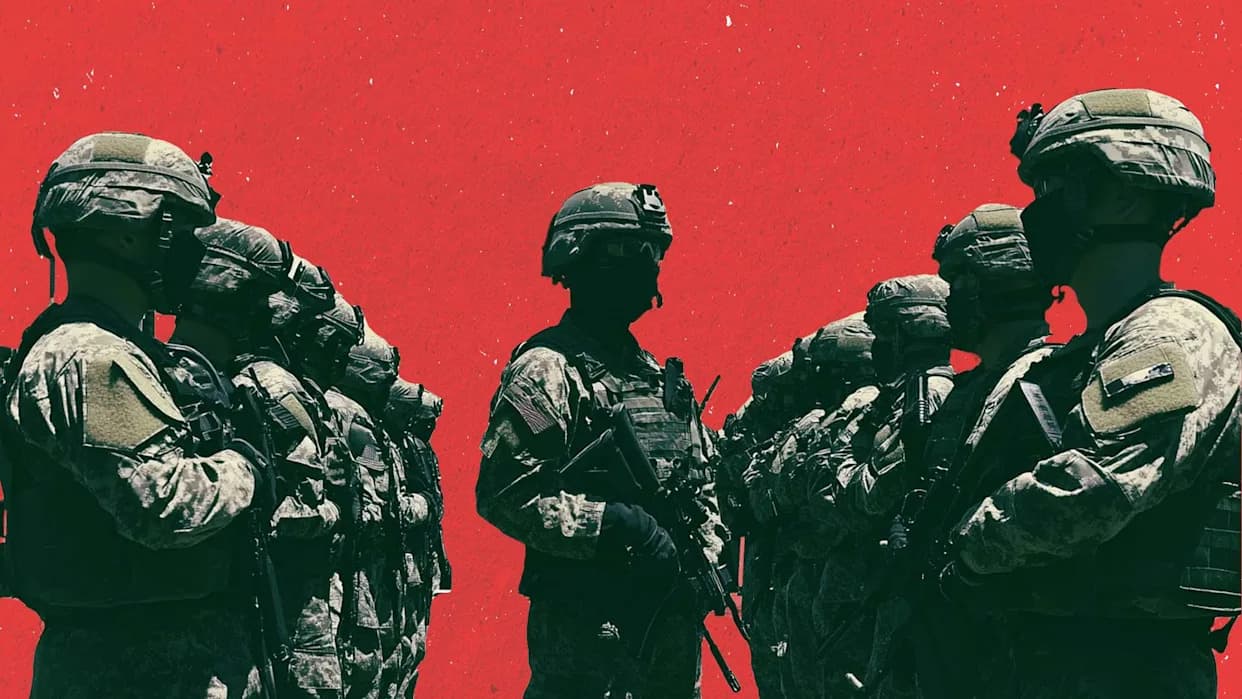
Why Doesn't Regime Change Ever Seem To Work?
Regime change has become a politically toxic phrase in the United States. High-profile interventions — most notably the 2003 invasion of Iraq and the 2011 intervention in Libya — ended in state collapse, violent blowback, and long-term instability, leaving policymakers and the public to ask: why do these campaigns so often go wrong?
What Goes Wrong
At root, the problem is simple but often overlooked: social and political order is built, not transplanted. Removing a regime is not the same as building a functioning state. Successful statecraft requires institutions, networks, and routines that develop over years. External military force can topple leaders or decapitate an administration, but it rarely creates the long-term organizational capacity needed to govern millions of people.
The Institutional Gap
As the Iranian writer Ali Terrenoire has argued, revolutionary movements that succeed tend to become a "state-in-waiting": organizations capable of contesting and then exercising sovereignty. They learn to manage day-to-day coordination problems, resolve countless small conflicts, and run institutions at small scale before scaling up. Simply removing an autocrat or imposing new leaders does not create that essential capacity.
"Destroying a state often eliminates the very structures a successor would need."
How Intervention Creates Moral Hazard
U.S. policy is also skewed toward supporting uprisings that are least likely to succeed on their own. Dramatic, desperate rebellions make compelling images on television and can prompt outside actors to react. But promises of foreign support encourage insurgents to act prematurely, thinking international intervention will substitute for homegrown organization. When help is too small or too late, uprisings are crushed. When help is overwhelming, the incumbent regime can be wiped out before a viable replacement is ready.
Illustrative Cases
Iraq (2003): After Saddam Hussein's removal, the Coalition Provisional Authority under Paul Bremer disbanded Iraq’s government and military in broad strokes and attempted to build a new democracy on an unrealistic timetable. The result was a vacuum that armed factions filled, contributing to years of insurgency and the growth of groups like ISIS.
Libya (2011): NATO-backed intervention helped topple Muammar Gaddafi, but the lack of a robust plan to manage the transition left competing militias and political factions vying for power, producing civil war and instability that persists. The attack on the U.S. consulate in Benghazi highlighted the security dangers of a poorly managed aftermath.
Venezuela (2019–): By contrast, efforts to replace Nicolás Maduro focused on reshuffling top leadership rather than wholesale institutional destruction. Because Venezuela’s slide into authoritarianism is relatively recent, some democratic skeletons and opposition structures remain — making it a possible outlier where outside pressure could align with an existing capacity to rebuild governance.
Policy Implications
The recurring pattern suggests clearer rules for when and how outsiders should act. Military force can remove leaders and destroy coercive capacity, but it cannot, by itself, create the social contracts and administrative institutions societies need. Effective support for change requires long-term investment in political organization, governance capacity, and local reconciliation — not just bombs or regime-decapitation strategies.
Understanding these limits does not mean rejecting all interventions or denying support to popular movements. Rather, it means recognizing that state-building is a long-term, institution-driven process; expecting a few strikes or a short occupation to remake a society is a recipe for disappointment.
Originally published at Reason.com.
Help us improve.