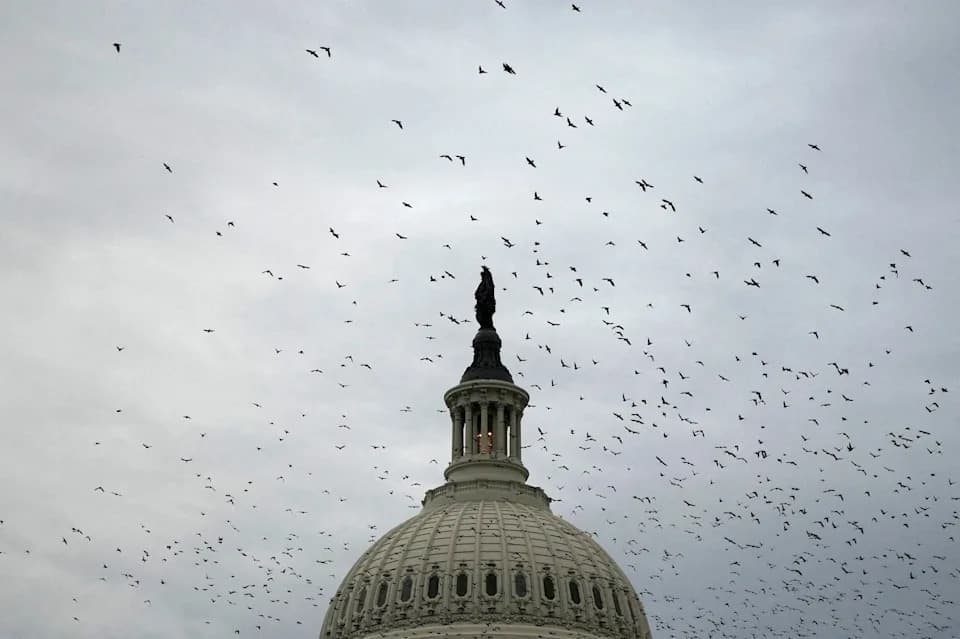
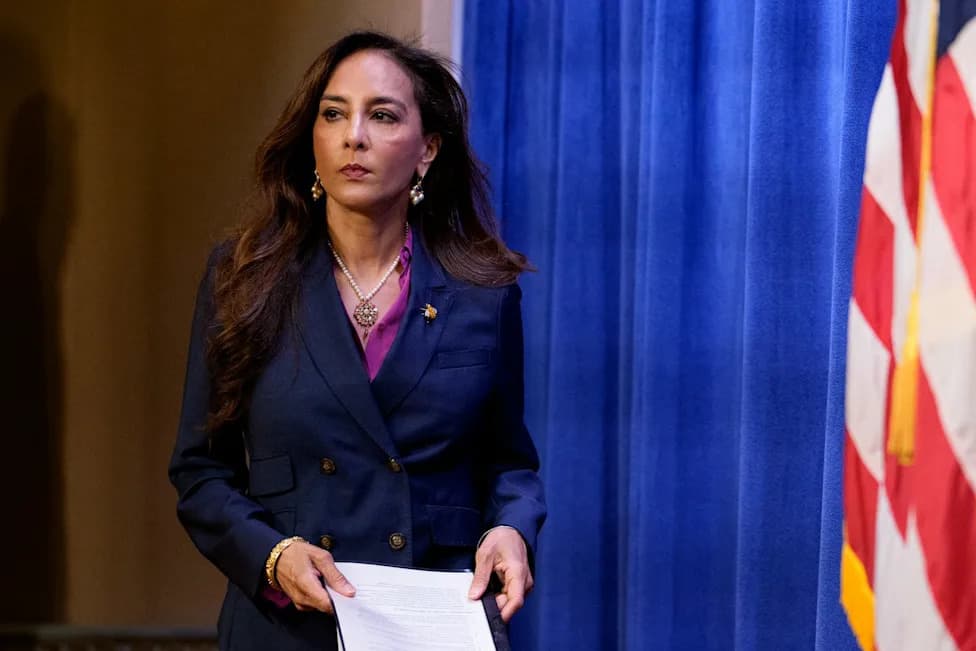
The Select Subcommittee on the Weaponization of the Federal Government was created after the 2022 midterms and is chaired by Rep. Jim Jordan. Critics say its 2023 work produced little concrete evidence, with The Washington Post calling the effort "lackluster." The panel has been largely inactive for roughly 16 months, but new allegations about politicization of agencies — including claims involving the FBI, Pentagon and Justice Department — give it material to investigate. The key question is whether the committee will pursue those leads impartially or only when it suits partisan aims.
Congress Still Has a 'Weaponization' Panel — But Will It Do Its Job?

Shortly after Republicans won control of the House in the 2022 midterm elections, GOP leaders created the Select Subcommittee on the Weaponization of the Federal Government and tapped Rep. Jim Jordan (R-Ohio) to chair it. The panel was billed as a mechanism to investigate whether federal agencies had been politicized and used against political opponents.
Background
The subcommittee's stated purpose was to gather evidence supporting a narrative common among many on the right: that a "deep state" within federal agencies covertly wielded power to target Republican figures and causes. Supporters expected the panel's work to produce clear examples of partisan abuse.
What Happened
That expectation did not materialize. Critics — including some conservatives — said the panel's inquiries produced little concrete evidence. The Washington Post described the subcommittee's 2023 work as "lackluster" and "lacking in substance." According to the committee's website, the panel has been largely inactive for roughly 16 months, and its public schedule shows minimal recent activity.
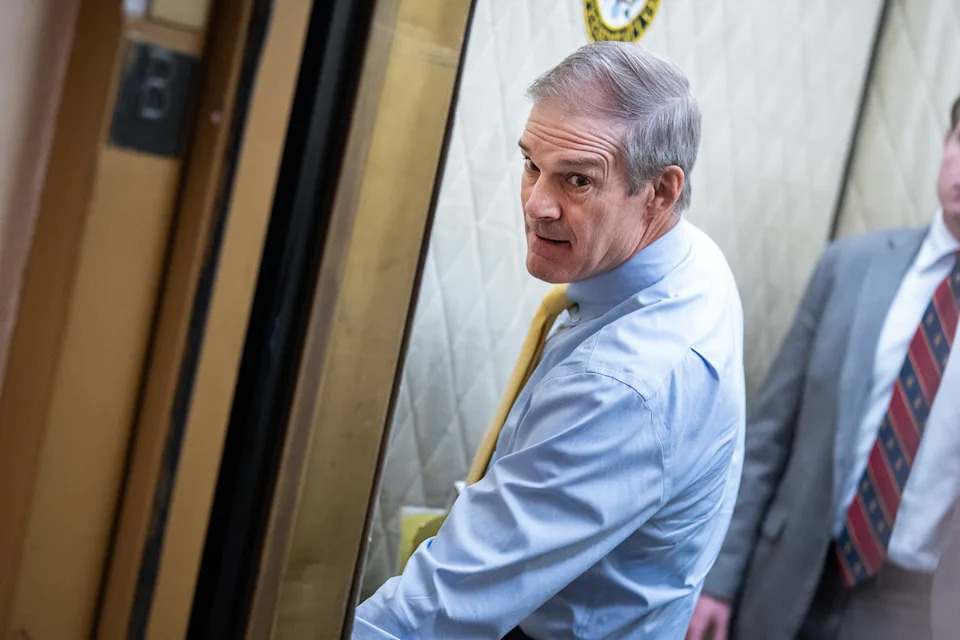
Rep. Jim Jordan, R-Ohio, leaves a meeting of the House Republican Conference Sept. 3, 2025 in the U.S. Capitol.(Tom Williams / CQ-Roll Call, Inc via Getty Images)
Why It Matters Now
Beyond individual performance, the episode exposed a deeper problem: investigators may have been pursuing a widescale conspiracy that, based on available public evidence, was difficult to substantiate. That history raises two practical questions today. First, whether the subcommittee will return to active oversight; and second, whether it will apply the same scrutiny to current allegations regardless of which party is implicated.
New Allegations and Opportunities
There are fresh claims from critics that federal institutions — including the FBI, the Department of Defense and the Justice Department — have been used for political ends, particularly in actions tied to former President Trump and his allies. A functioning congressional subcommittee could issue subpoenas, compel testimony and hold public hearings to assemble documents and testimony that would either substantiate or refute those allegations.
Bottom line: The Select Subcommittee on the Weaponization of the Federal Government still exists and could investigate current claims, but whether it will resume active, impartial oversight remains an open question.
Whatever the next steps, the subcommittee's future activity will shape how effectively Congress can test competing claims about politicization inside the federal government and hold agencies accountable.
Help us improve.