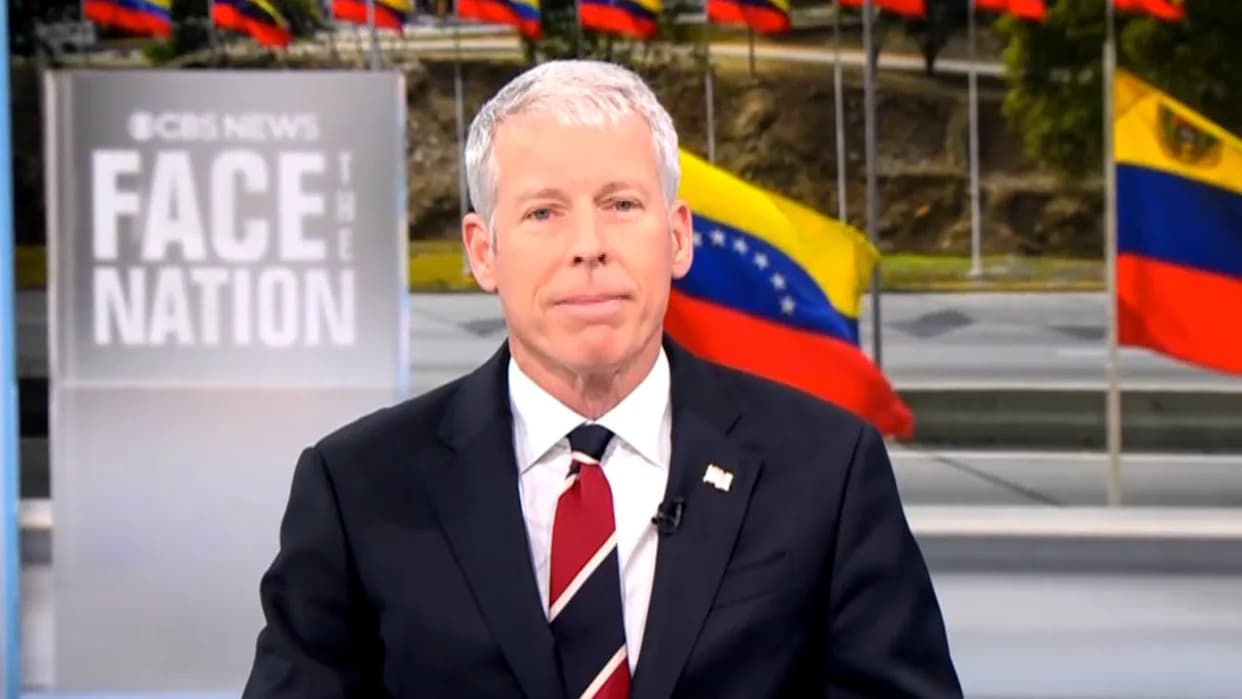
Rep. María Elvira Salazar told Face the Nation that Venezuelan opposition leader Maria Corina Machado has "earned" a White House meeting after presenting tallies she says showed a decisive opposition victory. Salazar defended the administration’s three‑phase plan to “stabilize, recover and transition” Venezuela and said Machado could help rebuild electoral infrastructure. She called Diosdado Cabello a central figure in repression, noted U.S. efforts to cut regime resources, and warned that Cuba has been weakened by the loss of Venezuelan oil.
Rep. María Elvira Salazar: Why Maria Corina Machado ‘Earned’ a White House Meeting and What’s Next for Venezuela
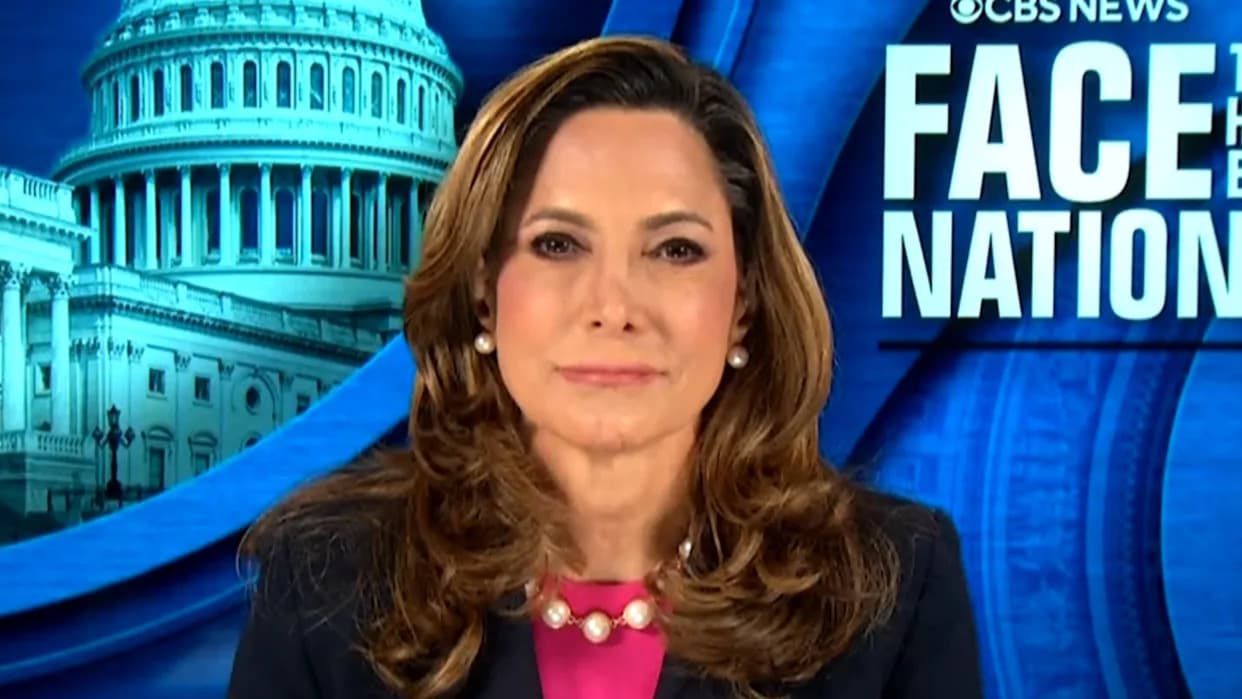
The following is an edited transcript of Rep. María Elvira Salazar (R‑Fla.) during her interview on Face the Nation with Margaret Brennan, which aired Jan. 11, 2026. The exchange below has been cleaned for clarity while preserving the substance of the discussion.
Margaret Brennan: We turn now to Florida Republican congresswoman María Elvira Salazar, joining us from Miami. Congresswoman, welcome to Face the Nation.
Rep. María Elvira Salazar: Thank you for the opportunity.
Margaret Brennan: You are one of Maria Corina Machado’s leading allies in Congress. You've said Machado is coming to Washington this week; President Trump indicated it could be Tuesday or Wednesday. Why is it important for her to meet the President, given the administration’s posture toward Venezuela and reports about alternatives to Nicolás Maduro?
Rep. Salazar: I don’t believe the President is supporting anyone tied to the Maduro regime. Regarding Maria Corina Machado: she earned this meeting. She presented evidence — including tallies she has said showed a decisive opposition win — and has demonstrated to the international community and to U.S. officials that she has a strong claim. Maduro prevented her from being the official opposition nominee because he feared losing to her. She risked her life for the cause; I was in touch with her during the 16 months she spent in hiding while Maduro’s forces looked for her. Given her record, she deserves this reception and a substantive conversation with the President.
Margaret Brennan: Secretary Rubio recently said a transition could take years. The President has said he hopes for democracy in Venezuela. Does that imply Machado should return? Should the U.S. guarantee her safety if she goes back? Can the opposition realistically participate in elections now?
Rep. Salazar: Machado has said publicly she planned to return — she even told supporters in Oslo she was ready. The administration’s approach, as Secretary Rubio has outlined, follows a three‑phase framework: stabilize, recover and transition. In my view, that blueprint represents a new, regionally focused foreign‑policy model that the administration is pursuing. Machado and other opposition leaders fit into that plan and can play a role in reorganizing the opposition and rebuilding electoral infrastructure; she has substantial popular support in Caracas and across Venezuela to help in that effort.
Margaret Brennan: You’ve been outspoken about Interior Minister Diosdado Cabello. Secretary Rubio bristled when I asked why U.S. authorities haven’t sought his arrest, and reporting has tied him to violent acts. Why should Floridians and other Americans be concerned about Cabello’s continued control over security forces?
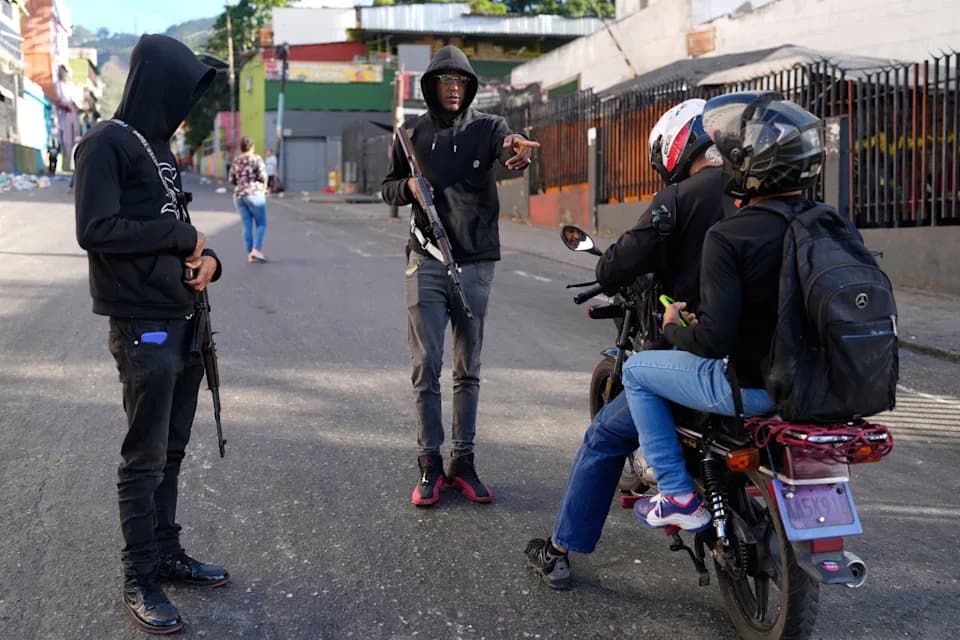
Rep. Salazar: I view Diosdado Cabello as a central, dangerous figure in the regime’s corruption and repression — as bad as or worse than Maduro and Delcy Rodríguez. They belong to a corrupt network. I am reassured that international and U.S. measures have targeted the regime’s revenue streams — notably oil — which changes incentives for key actors. Cabello has been indicted, and cutting off resources increases pressure on regime figures to cooperate or lose power. I have sources indicating he has been difficult to locate, but I believe the broader plan is starting to produce shifts on the ground.
Margaret Brennan: Cabello controls prisons where at least five Americans are reportedly being held.
Rep. Salazar: Delcy Rodríguez oversees the secret police and repressive apparatus, while Cabello has been influential in military circles and alleged illicit networks. Those dynamics are why targeted pressure and careful diplomatic steps are necessary.
Margaret Brennan: Why isn’t the administration publicly demanding the release of the Americans being held?
Rep. Salazar: There may be private efforts and intelligence‑led operations that the public does not see. Secretary Rubio knows the region well and the key players. I believe the administration is taking deliberate steps to avoid mistakes and maximize the chance of success. I expect political prisoners to be released as the transition and stabilization measures progress; we should allow a little more time to see results.
Margaret Brennan: The President tweeted today that Cuba will receive no more money or oil. The CIA has assessed Havana is not necessarily on the brink. What are you hearing?
Rep. Salazar: I represent Miami and the Cuban‑exile community — those words carry weight here. Cuba has long been a regional hub of influence for actors hostile to U.S. interests. The island faces severe shortages of water, electricity and food, and losing Venezuelan oil has weakened Havana’s leverage. In my view, the cutoff of Venezuelan resources is a significant strategic blow to Cuba’s regional influence.
Margaret Brennan: Mexico has stepped in to provide some assistance — we’ll be watching what happens next.
Rep. Salazar: I believe that is a serious mistake by Mexico’s leadership.
Margaret Brennan: Thank you very much, Congresswoman.
Note: This transcript has been edited for length and clarity.
Help us improve.