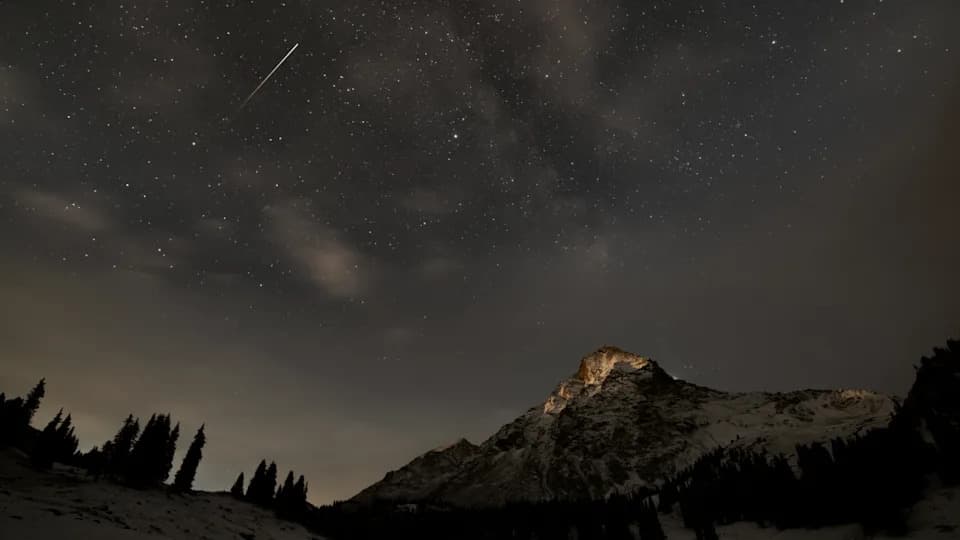
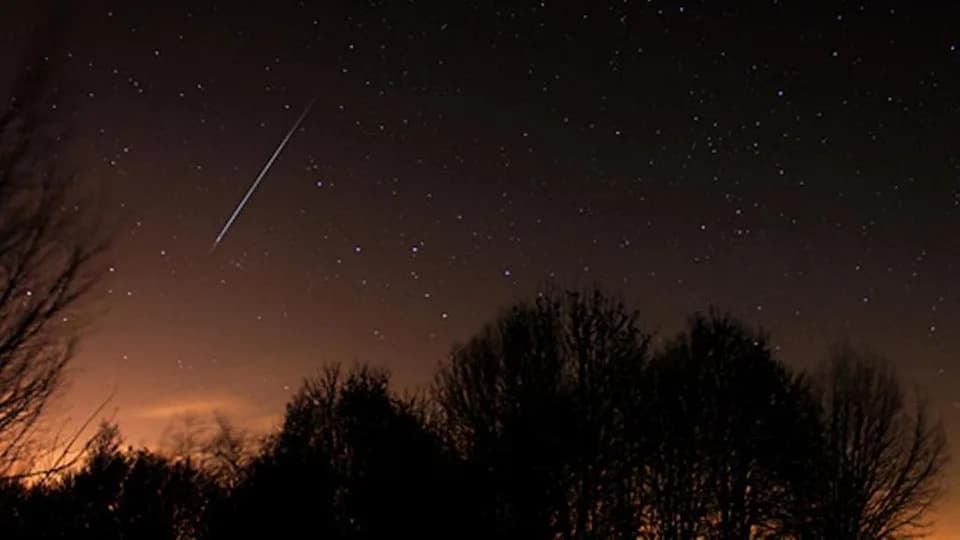
A bright fireball was recorded on a livestream beneath the International Space Station during the Quadrantid meteor shower peak on Jan. 3, 2026. A full moon and winter weather limited ground visibility, leaving only very bright meteors visible. The American Meteor Society notes the Quadrantids can produce brilliant fireballs but often underperform because their peak lasts about six hours. The brief flash captured by the ISS feed lasted only a few seconds but was notably bright.
Rare Fireball Caught on ISS Livestream During Quadrantid Peak
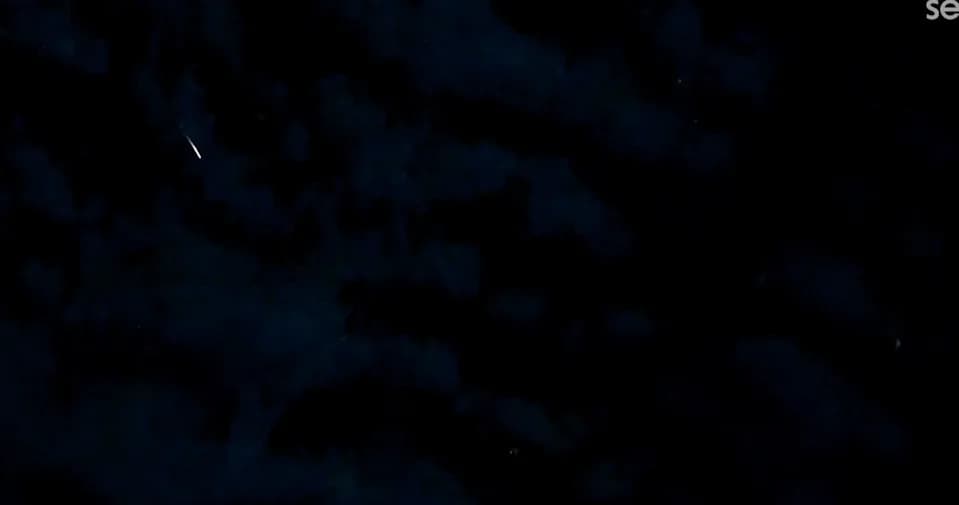
Fireball flashes through space during peak of Quadrantid meteor shower on Jan. 3, 2026.
A brilliant fireball was captured on a livestream beneath the International Space Station during the peak of the Quadrantid meteor shower on Jan. 3, 2026. Although a bright full moon severely limited ground-based views, the ISS feed — labeled "Sen" — recorded a seconds-long flash as the meteor passed through the station's field of view.
What the footage shows: In the clip a bright white flash appears at the top-left of the frame, streaks diagonally across the image and disappears below the camera angle. The visible event lasted only a few seconds, but the clarity and brightness made the sighting notable.
Why this sighting is unusual
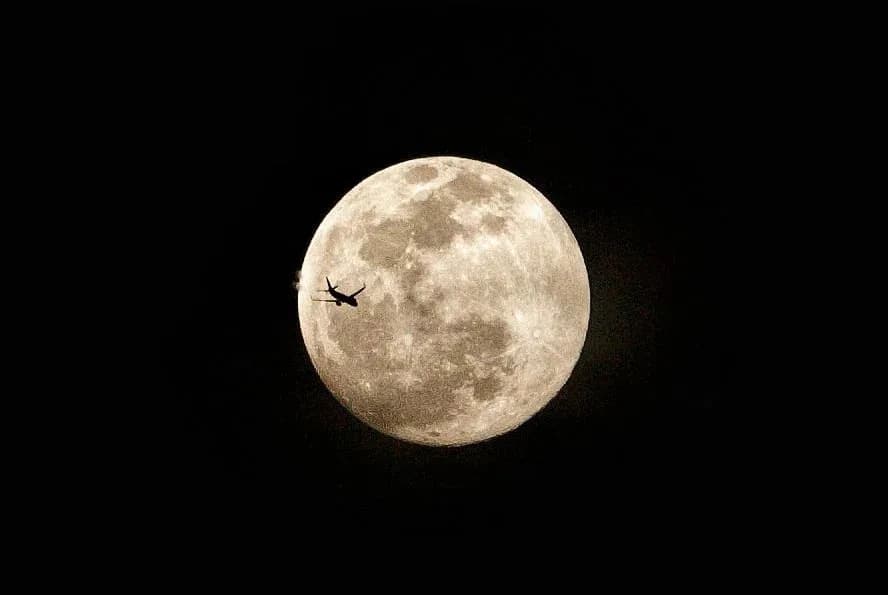
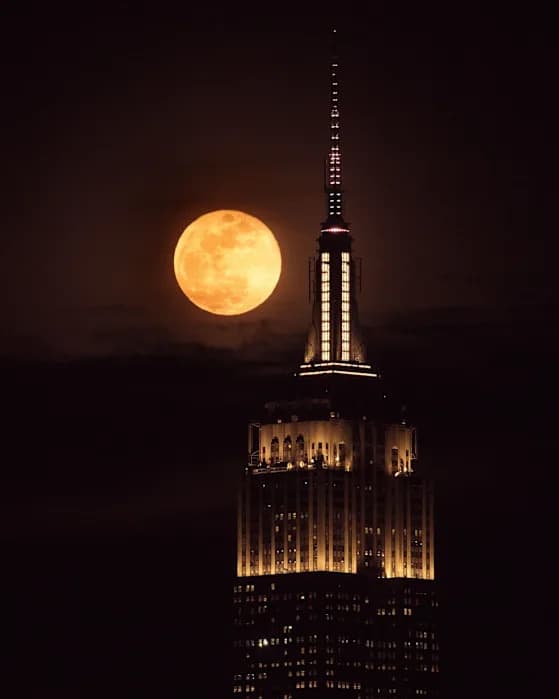
The American Meteor Society (AMS) notes that the Quadrantids have the potential to be one of the strongest annual meteor showers, but they often underperform because their peak activity window is very short — roughly six hours — and winter weather in early January frequently reduces ground-based observations. The full moon on Jan. 3 also washed out fainter meteors, leaving only the brightest fireballs visible to observers and cameras.
Quadrantid events commonly produce bright fireballs rather than long, persistent trains. Commentators on the "Sen" livestream noted that the brightest Quadrantid fireballs can outshine even the most luminous planets visible in the night sky.
Context and viewing notes
The Quadrantids occur every year and typically peak in early January. Their parent body is believed to be the near-Earth object 2003 EH1, which is likely an extinct comet or asteroid-comet hybrid. Because of the shower's brief peak and winter weather, clear, dark skies away from moonlight offer the best chance of seeing activity.
Original footage and reporting were published with the initial sighting. Broadcasters and space-watch feeds, including Fox Weather, shared clips and updates following the capture.
Takeaway: Even during a bright moon and poor ground visibility, orbital cameras aboard or beneath the ISS can catch rare, vivid meteor-fireball events that would otherwise go unseen from Earth.
Help us improve.