
MacKenzie Scott has given more than $26 billion since 2020 to over 2,500 nonprofits, distributing roughly $7.2 billion in the most recent year, including over $700 million to HBCUs. Her approach — commonly called trust-based philanthropy — emphasizes large, unrestricted gifts, lighter reporting requirements and rapid disbursement while retaining behind-the-scenes vetting. Advocates say this method frees organizations to focus on mission-critical work and yields measurable gains; critics warn some charities may struggle to absorb sudden, massive funding without appropriate oversight. Scott’s giving has reshaped sector expectations and offers lessons for donors of any size.
MacKenzie Scott’s Billion-Dollar Gamble: How Trust-Based Giving Is Rewiring Philanthropy

An illustration of MacKenzie Scott releasing a bird made of money into the wind
Recipients of MacKenzie Scott’s large, often multimillion-dollar grants describe a consistent emotional pattern: bashful delight, sudden reverence and unabashed glee. Faces light up, there are quiet laughs and the sort of stunned gratitude that comes when someone hands you an unexpected, life-changing gift.
Michael Lomax, president of the United Negro College Fund (UNCF), called the first contact from Scott’s team “disarming.” It often begins with a brief note of thanks from Scott herself, proceeds through a few logistical questions, and then culminates in the reveal of a major, seemingly spontaneous gift. Lomax said he initially thought the call might be a mistake — until he found the follow-up email and the $70 million award in his inbox.
Scale, Speed, and a Different Ethos
Since 2020 Scott has given away more than $26 billion to over 2,500 nonprofit organizations supporting racial justice, education, economic mobility, climate work and other causes. In the most recent year she distributed roughly $7.2 billion, including more than $700 million to a dozen-plus historically Black colleges and universities (HBCUs). Those figures have pushed her lifetime giving past many of her peers and made her one of the most generous philanthropists in the United States.
What sets Scott apart is not only the dollar amounts but the method: trust-based philanthropy. Rather than insist on rigid project proposals and endless reporting, Scott’s team typically offers large, unrestricted grants and minimizes bureaucratic burdens — while still conducting due diligence behind the scenes through Yield Giving and outside consultants like Bridgespan.
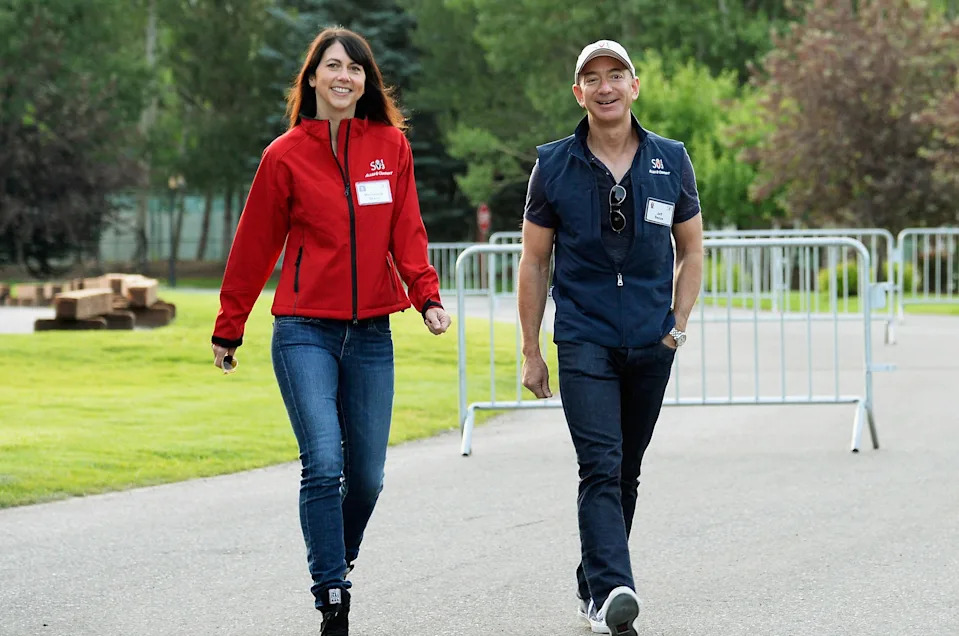
MacKenzie Scott has given over $19 billion to charity since her divorce from Amazon founder Jeff Bezos in 2019. | Kevork Djansezian/Getty Images
“This is a very loving kind of giving,” said Lomax. “It reflects the love we have for other human beings.”
Roots And Rationale
Scott’s approach reflects personal history and literary influence. She grew up with privilege, then experienced financial instability as a teen; acts of generosity helped her through Princeton, where Toni Morrison became a crucial mentor. Morrison later helped Scott secure an early hedge-fund job that financed her writing aspirations. Scott married Jeff Bezos, stepped back from Amazon to write and raise children, and after their 2019 divorce — which left her with roughly a 4 percent stake in Amazon valued near $36 billion at the time — she committed to rapid giving.
A month after the divorce she signed the Giving Pledge and quoted Annie Dillard: “Do not hoard what seems good for a later place in the book.” Scott promised she would not wait to act and vowed to keep giving “until the safe is empty.”
Trust-Based Philanthropy In Practice
Trust-based philanthropy means fewer categorical restrictions, simpler reporting, and respect for grantees’ expertise. For many nonprofits, sudden unrestricted funding frees leaders to invest in staff, infrastructure, community-centered programs and long-term strategy instead of chasing grants or conforming to donor-driven priorities.
Gaby Pacheco of TheDream.us — who got a Scott call while playing viola — described the gift as a moment of “intoxicating joy.” She said the grant arrived when other donors were retreating and allowed the organization to reassure students and alumni who were facing deep uncertainty and anxiety.
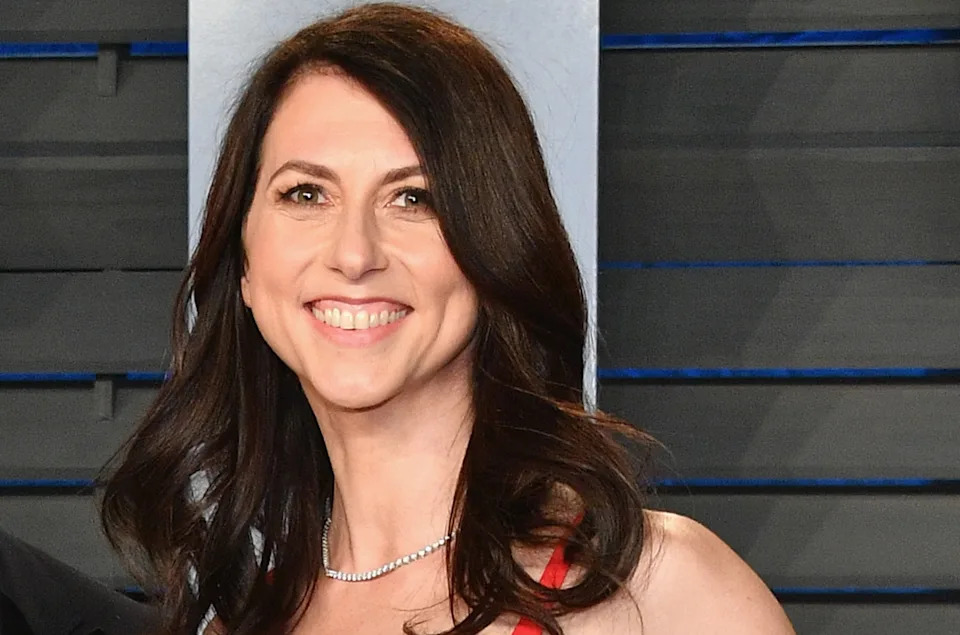
A three-year survey of over 800 of Scott’s grantees found that almost every organization was better off financially a few years after receiving their gift.| Dia Dipasupil/Getty Images
Measured Wins And Real Risks
Scott’s gifts include many evidence-backed recipients: GiveDirectly has received well over $120 million from Scott since 2020; in 2023 she gave $10 million to the Malaria Consortium, $20 million to Evidence Action, and $4 million to Food4Education. A three-year survey of more than 800 grantees found that nearly all were financially stronger after receiving Scott grants and reported significant improvements in impact.
But rapid, massive infusions of capital carry risks. Some organizations lack the systems to absorb explosive growth, and a few have faltered after large gifts. Benefits Data Trust — which received a $20 million grant — closed operations two years later amid questions about strategy, costly technology experiments and mission drift. Critics argue that some degree of oversight and strategic accountability is necessary, and defenders counter that Scott’s process includes research and vetting, even if it intentionally reduces downstream administrative burdens on grantees.
Why It Matters
Scott’s model has shifted expectations across the nonprofit sector: it demonstrates that donors can move large sums quickly, treat partners with trust, and still support evidence-based work. Her giving has arrived at a time when many nonprofits face funding cuts and greater demand for services, amplifying the practical impact of fewer restrictions and faster disbursements.
Her example also offers practical lessons for smaller donors: do reasonable vetting, prioritize organizations whose leadership you trust, consider unrestricted support, and give in proportions that are meaningful to the recipient. For many local groups, even modest, flexible donations can be transformative.
Update, December 12, 11:30 am ET: This article was originally published on December 2 and has been updated to reflect Scott’s full giving for 2025.


