The Naqoura meeting brings Israeli and Lebanese civilian and military representatives together with US, French and UNIFIL mediators to monitor a fragile ceasefire reached on November 27, 2024. More than 4,000 people have died in Lebanon since October 8, 2023, and UN data report over 300 deaths, including at least 127 civilians, since the truce. Lebanon says it has largely met its obligations to reduce Hezbollah’s presence south of the Litani, while Israel is accused of continued strikes and occupying several sites. The talks will cover ceasefire verification, border delimitation and possible economic proposals, but deep mistrust and internal politics make normalization uncertain.
Naqoura Talks Explained: Can a Fragile Ceasefire Hold Between Israel and Lebanon?

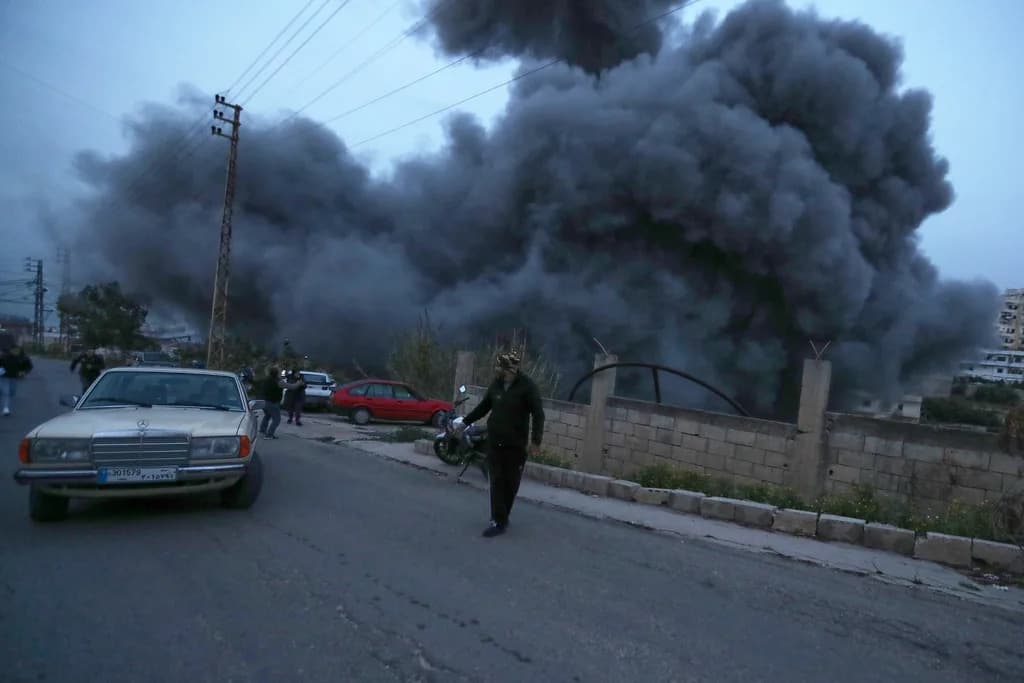
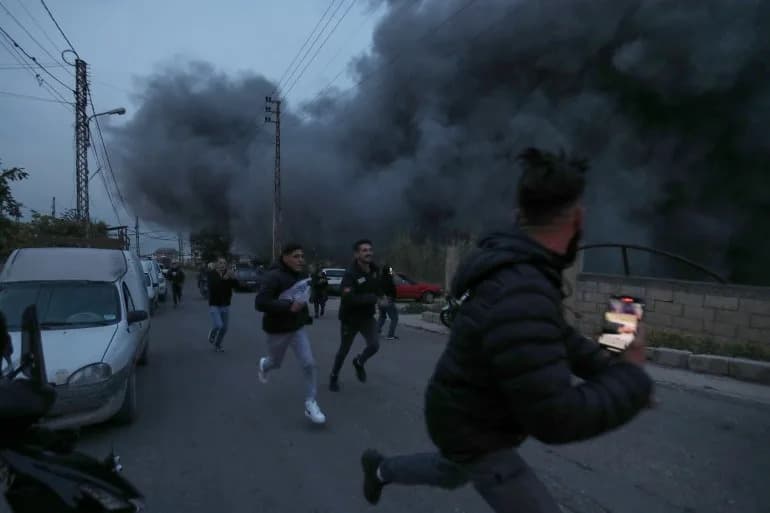
Lebanese soldiers secure the site of an Israeli drone strike that targeted a truck in the village of Sibline, south of Beirut, on December 16, 2025 [AFP]
A high-stakes meeting of Israeli and Lebanese representatives — joined by mediators from the United States, France and the UN peacekeeping force UNIFIL — is due to take place in the southern Lebanese town of Naqoura. The talks aim to monitor and preserve a fragile ceasefire reached last year, even as near-daily strikes and contested ground continue to threaten renewed escalation.
Who Is At The Table?
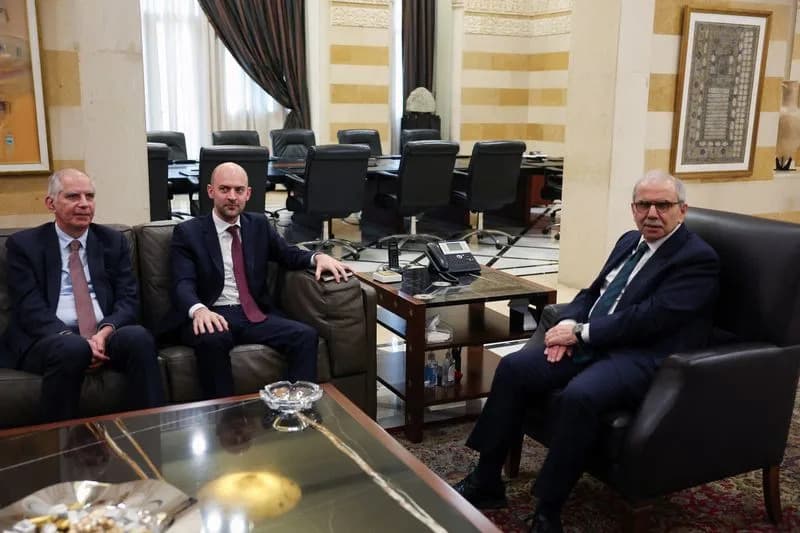
The mechanism includes representatives from the US, France, Israel, Lebanon and UNIFIL and is chaired by a US general. The panel, originally military-led, now includes civilian delegates at Israel’s request: Lebanon named diplomat Simon Karam (appointed by President Michel Aoun) and Israel named Uri Resnick from its National Security Council. The meeting will also include the US Special Representative for Lebanon, Morgan Ortagus.
What Is The Purpose?
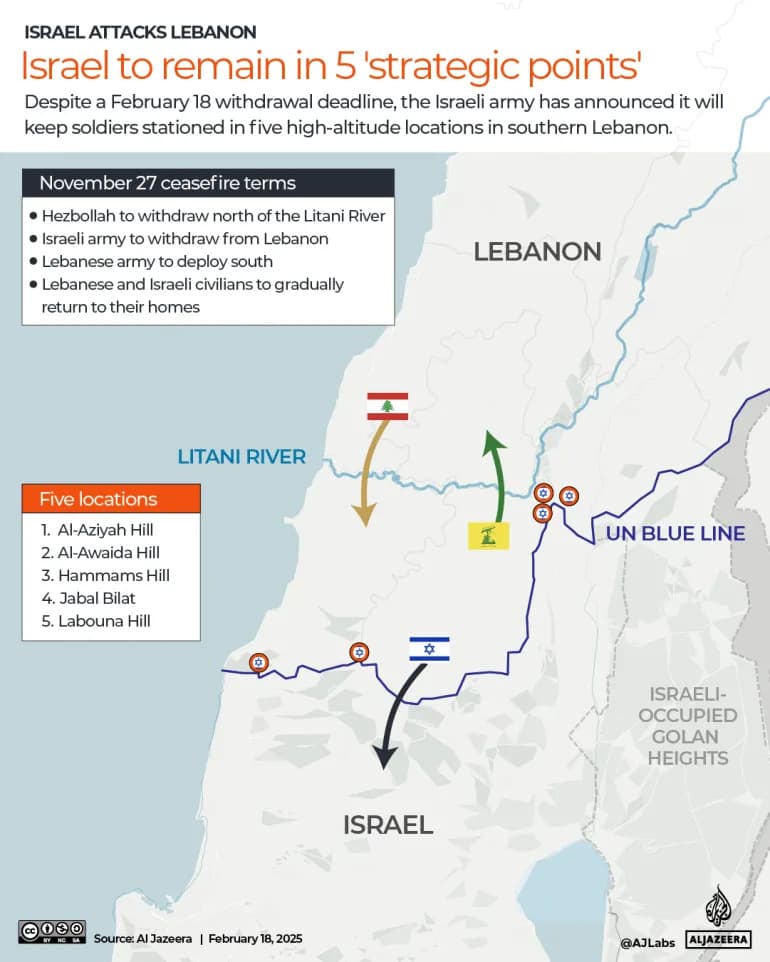
Officials say the committee’s remit is to monitor and verify implementation of the ceasefire agreed on November 27, 2024. Although the ceasefire’s terms were not exhaustively spelled out publicly, the broad expectations have been: a halt to attacks by both sides, withdrawal of Israeli forces from positions inside Lebanon, and steps to reduce Hezbollah’s military footprint in the south — a process meant to be carried out by the Lebanese army.
Recent Context And Casualties
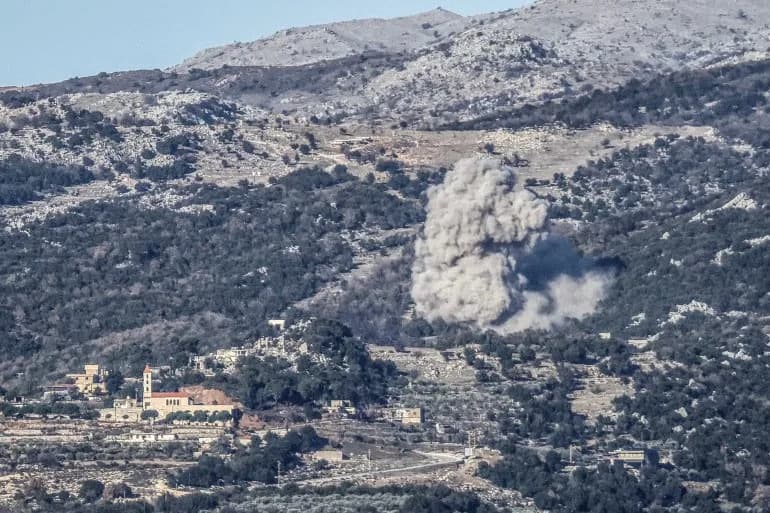
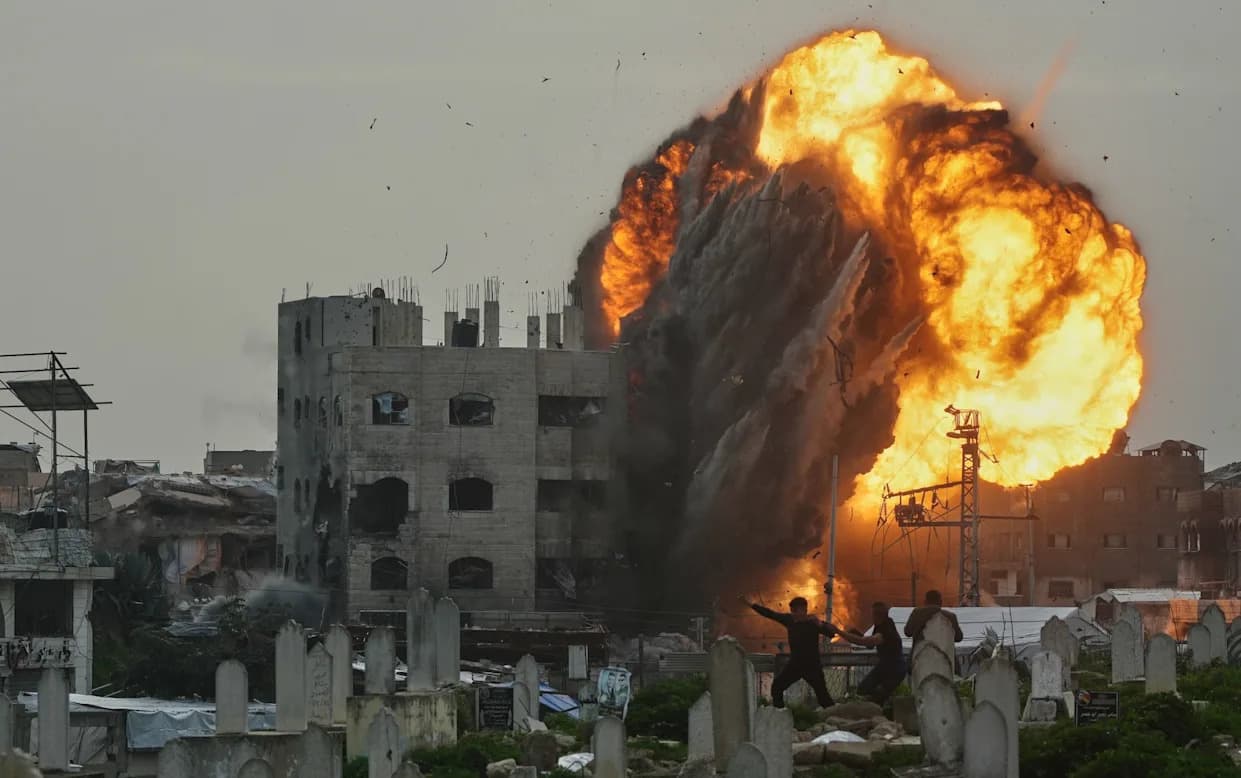
Since the conflict began on October 8, 2023, more than 4,000 people have died in Lebanon amid the fighting between Israel and Hezbollah. United Nations reporting indicates that since the November 27, 2024 truce there have been more than 300 deaths in Lebanon, including at least 127 civilians, attributed to continued strikes.
Key Contentions
Lebanese officials say they have largely complied with their obligations under the ceasefire. Deputy Prime Minister Tarek Mitri said the Lebanese army’s task of removing Hezbollah’s armed structures south of the Litani River is nearly complete, except in areas where Israel continues to occupy Lebanese territory. Israel, for its part, has been accused of repeatedly violating the ceasefire and of maintaining positions at several locations inside southern Lebanon.
"The main task of the mechanism is to oversee and verify and do everything possible to respect the agreement," Mitri said, adding that Lebanon had been "strictly observing" the ceasefire from day one.
Civilian Participation And Wider Aims
Israel says civilian participants are needed to discuss nonmilitary issues such as economic cooperation. Israeli officials have publicly floated ideas about potential future economic arrangements — proposals that analysts consider unlikely while occupation and large-scale displacement persist. More than 88,000 Lebanese remain displaced from southern areas, analysts note, complicating any move toward normalisation.
Hezbollah's Status And The Risks Ahead
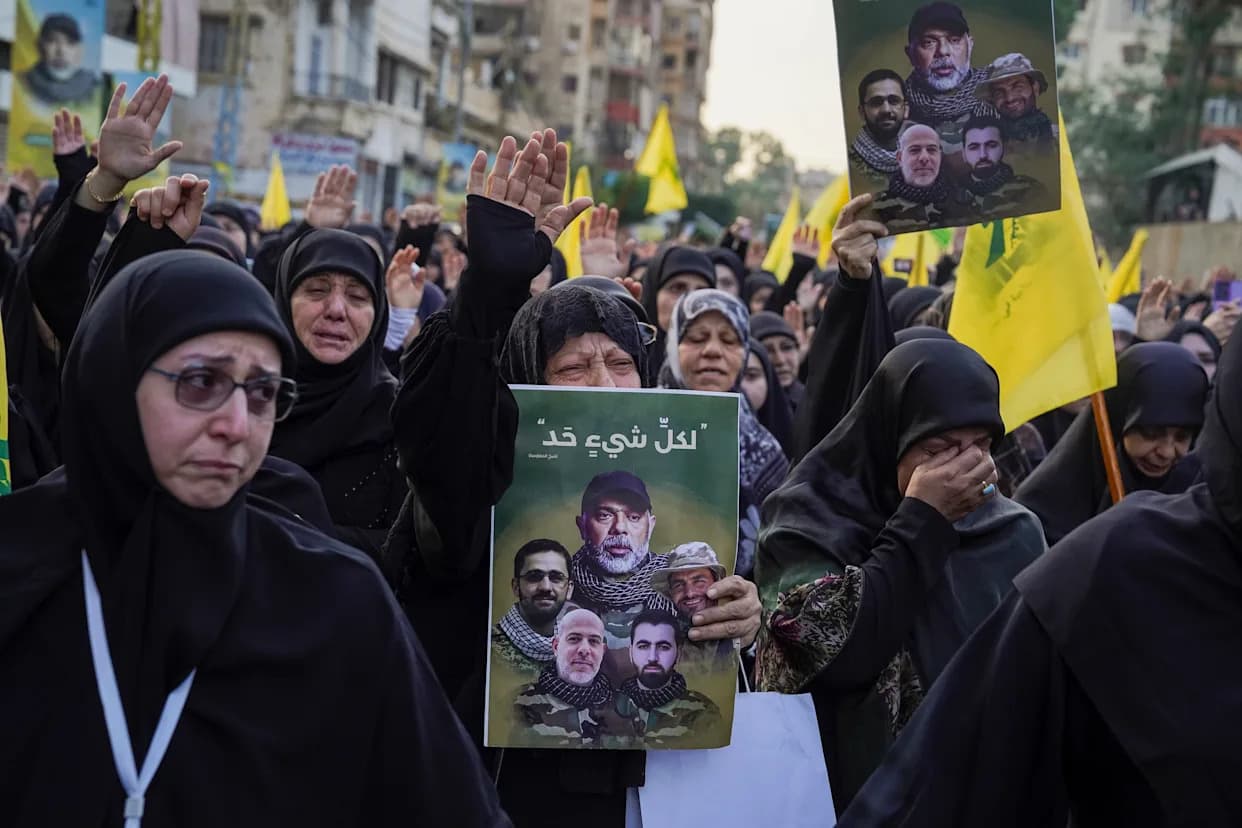
Hezbollah emerged from last year’s conflict weakened in certain military respects, and some senior personnel were targeted. However, the movement remains a potent political and security actor inside Lebanon. Hezbollah has publicly rejected plans for full disarmament, arguing that Israel’s continuing strikes and occupation justify its armed posture. How the group would react if the mechanism shifts into a second phase — in which the Lebanese army would further dismantle Hezbollah infrastructure between the Litani and Awali rivers — remains uncertain.
International Efforts To Prevent Escalation
Diplomats from the United States, Saudi Arabia and France recently met Lebanon’s army chief in Paris to coordinate positions, urge restraint and document the Lebanese military’s efforts to reduce Hezbollah’s military presence. The committee in Naqoura also provides a rare channel for bilateral contact between two neighbours that do not have normal diplomatic relations.
Observers say the outlook for durable peace depends on several factors: verification of compliance, progress on border delimitation, credible guarantees for displaced communities, and international pressure to restrain unilateral military steps. Domestic politics on both sides — especially in Israel and within Lebanon’s fragmented political landscape — will heavily influence whether the ceasefire holds or unravels.
Help us improve.