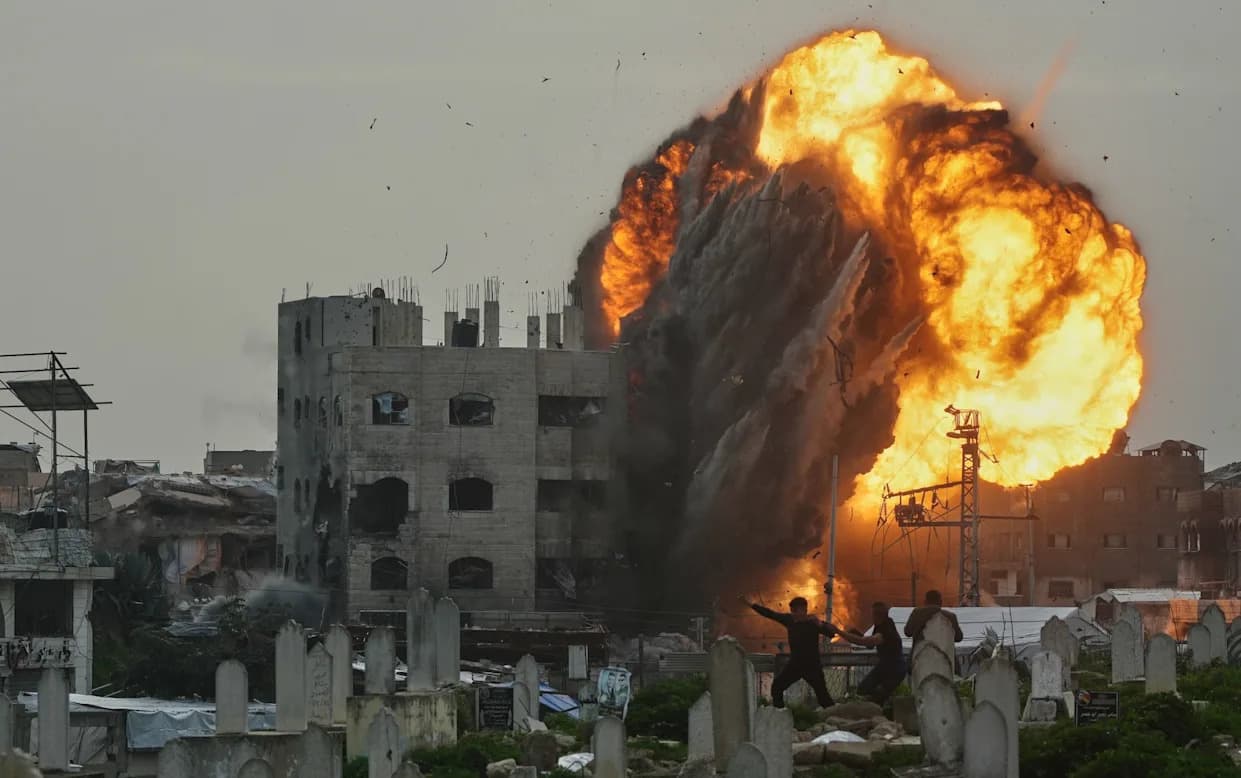
Israeli airstrikes struck multiple sites across southern and eastern Lebanon, breaching a ceasefire that took effect in late 2024. Israel says it targeted Hezbollah operatives and weapons facilities; Hezbollah refuses to disarm while Israeli bombardments and border occupations continue. Data from ACLED records nearly 1,600 strikes between January and late November 2025, and the UN reports at least 127 civilian deaths since the ceasefire. Human Rights Watch documents the destruction of over 360 heavy machines used for reconstruction, worsening displacement and recovery efforts.
Israeli Airstrikes Hit Southern and Eastern Lebanon; UN and Rights Groups Warn of Civilian Toll

(Al Jazeera)
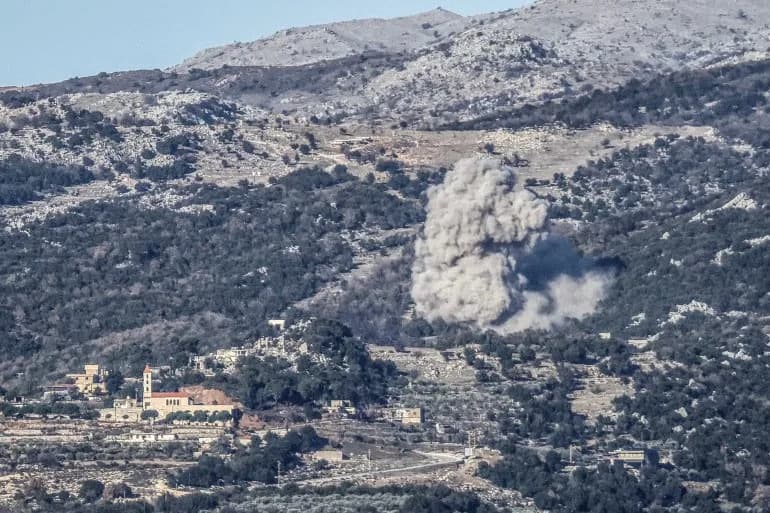
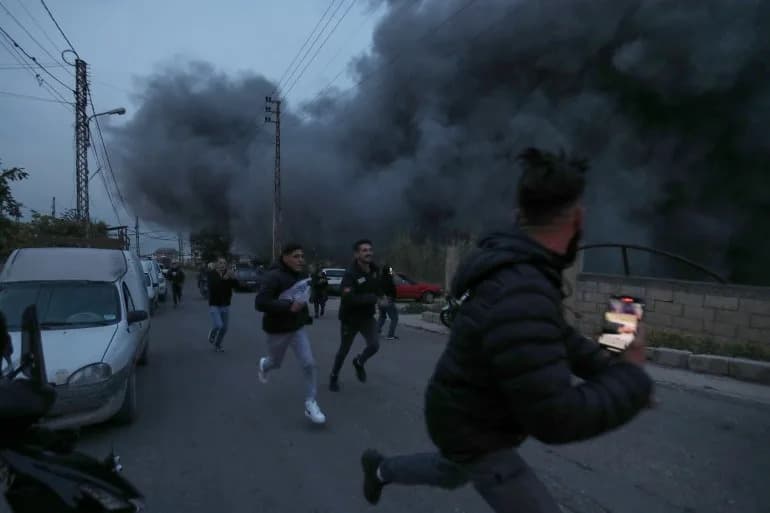
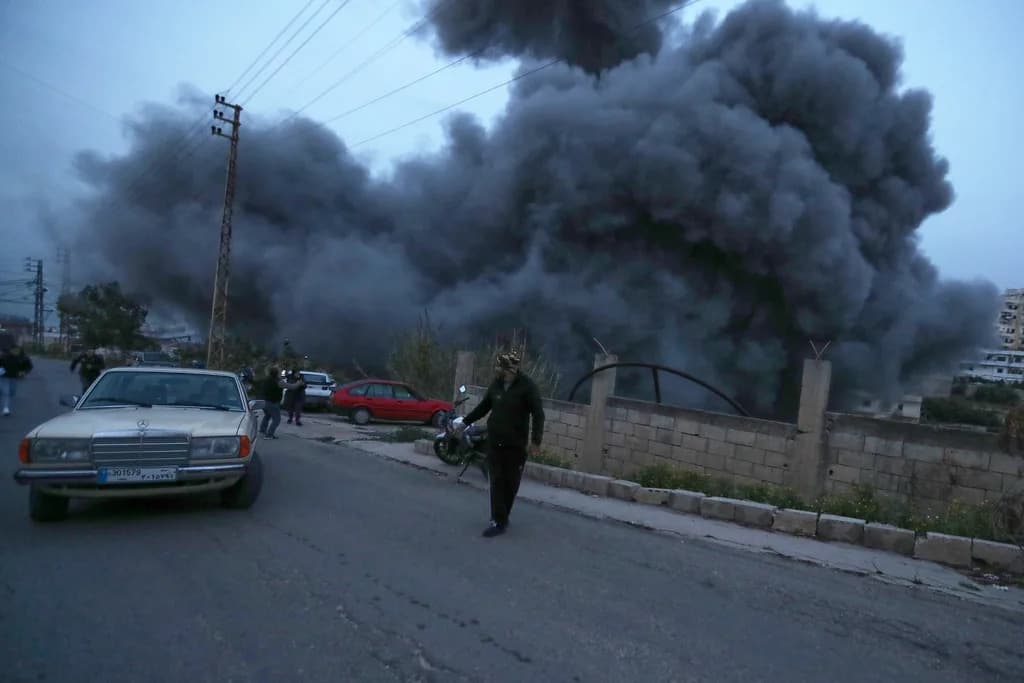
Israeli warplanes struck multiple locations across southern and eastern Lebanon, including Al-Jabour, Al-Qatrani and Al-Rayhan in the south, and Buday and Hermel in the Bekaa Valley, an Al Jazeera correspondent on the ground reported. The raids also hit Wadi Al-Qusayr near Deir Siryan, marking another breach of the ceasefire that came into effect in late 2024.
Claims, Denials and the Ground Reality
Israel said the operations targeted Hezbollah operatives and weapons facilities. Hezbollah officials say the strikes are part of an effort to pressure the group into surrendering its arsenal; the group has repeatedly refused to disarm while Israeli forces continue bombardments and maintain positions along the southern border.
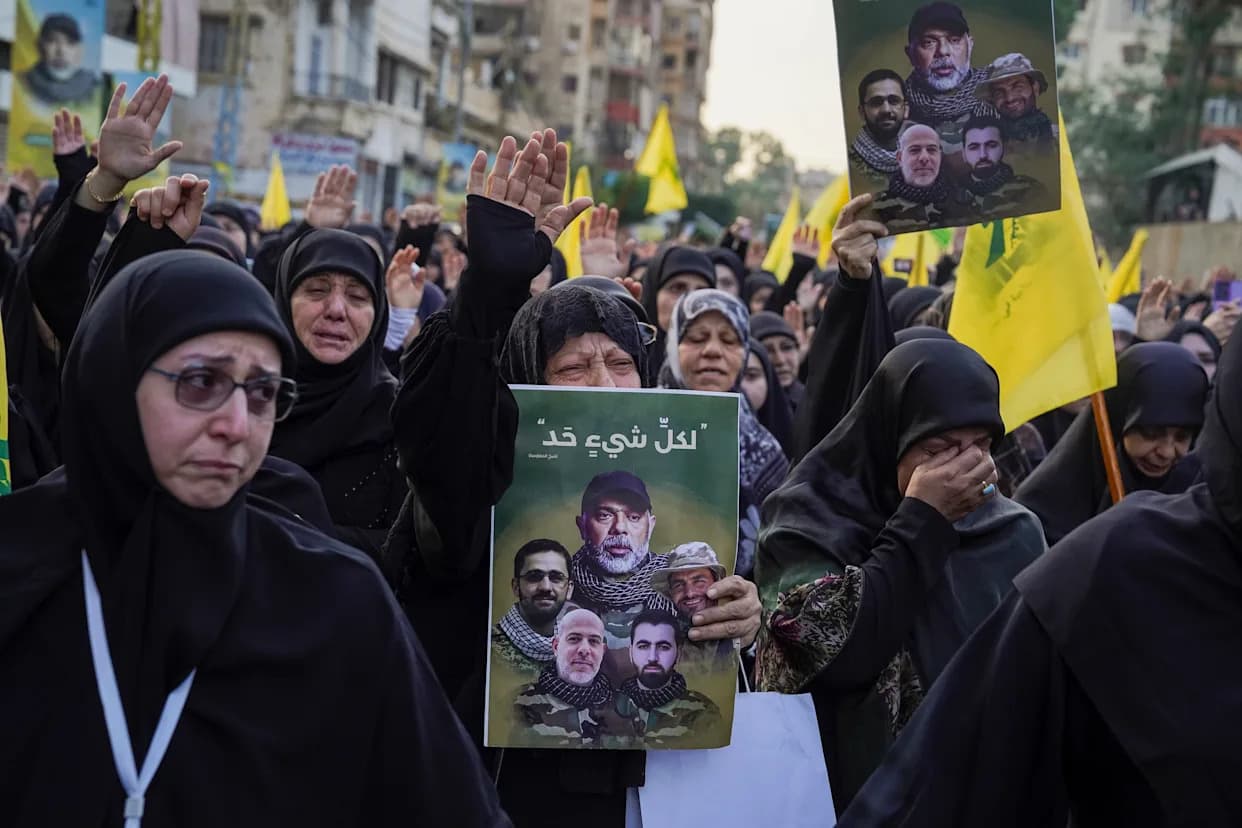
The strikes followed an Israeli announcement that three Hezbollah members had been killed over the weekend and come weeks after an Israeli strike on Beirut’s southern suburbs killed Haytham Ali Tabatabai, whom Hezbollah described as a senior military commander. Hezbollah has pledged to respond but said it will choose the timing.
Human Cost and Reconstruction Setbacks
The campaign through 2025 has had serious humanitarian consequences. Data compiled by the Armed Conflict Location and Event Data Project (ACLED) indicates Israeli forces carried out nearly 1,600 strikes across Lebanon between January and late November 2025.
In November the United Nations reported at least 127 civilian deaths, including children, since the ceasefire began and warned that some attacks may amount to war crimes. Human Rights Watch published a report this week documenting systematic strikes on reconstruction equipment in southern Lebanon: investigators found four attacks between August and October that destroyed more than 360 heavy machines — bulldozers and excavators vital for clearing rubble and rebuilding.
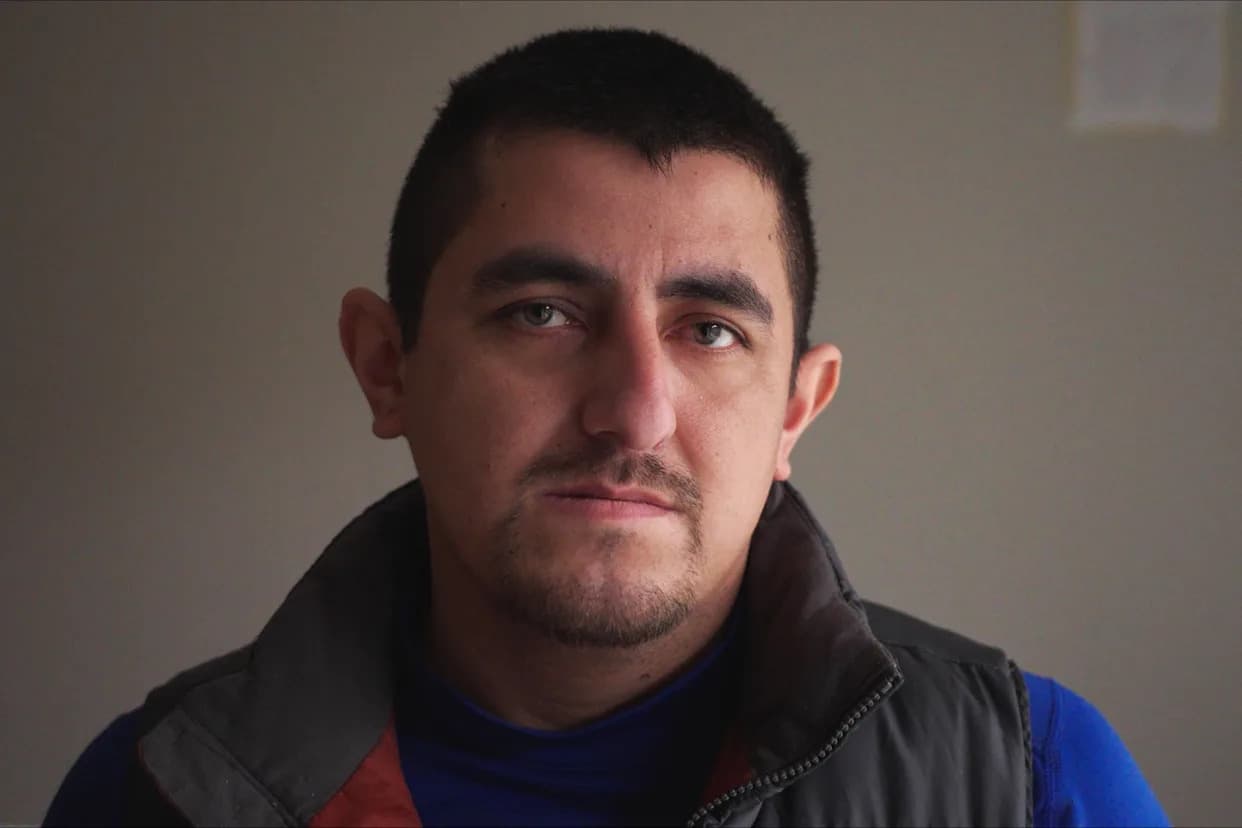
The rights group says those incidents killed three civilians and left more than 64,000 displaced people unable to return home. One site owner told researchers he now clears rubble by hand, fearing any machinery brought in will be struck again.
Diplomacy and Local Security Moves
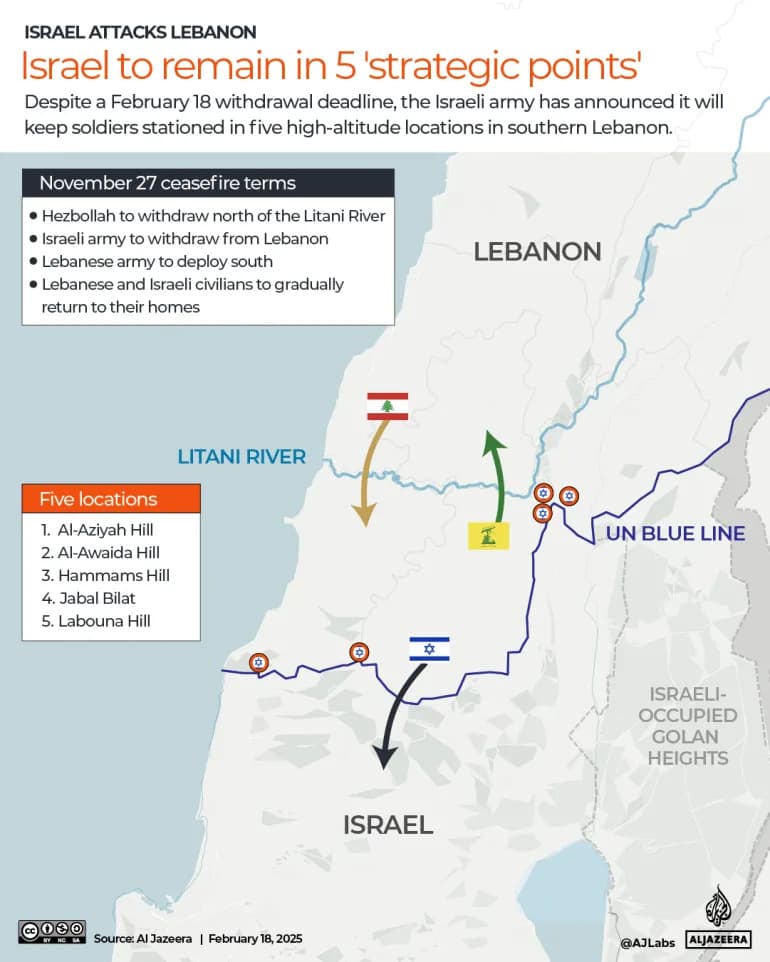
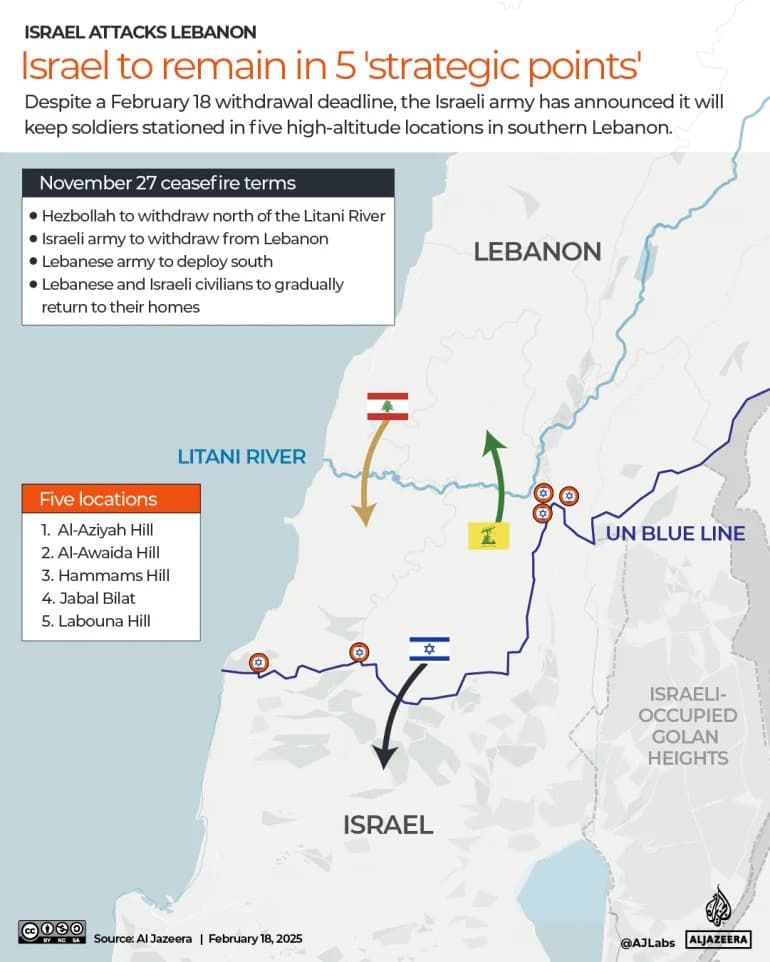
Diplomatic efforts continue alongside the violence. For the first time in decades, Lebanon and Israel sent civilian envoys to a committee monitoring the ceasefire, an initiative aimed at expanding engagement between the sides. Western and Arab envoys, including representatives from the United States and Saudi Arabia, recently toured border areas with General Rodolph Haikal, Commander of the Lebanese Armed Forces, to observe efforts to assert state control south of the Litani River.
The Lebanese government has pledged to clear Hezbollah’s armed presence from the border zone by the end of the year. Hezbollah deputy leader Naim Qassem said the group would end its military presence south of the Litani but insisted it would retain weapons elsewhere in Lebanon. Qassem also criticized Beirut’s decision to send former ambassador Simon Karam, a civilian, to the monitoring talks rather than an army representative, calling it a concession to Israel.
Lebanese President Joseph Aoun said last week that the country had chosen negotiations to try to halt the strikes, while Prime Minister Nawaf Salam urged stronger verification mechanisms to document Israeli violations and Lebanese steps to dismantle Hezbollah infrastructure. U.S. officials have warned that talks do not guarantee an end to Israeli operations.
Context: The situation remains volatile. Continued strikes, diplomatic engagement and competing security claims on the ground mean the humanitarian, political and military dynamics could change rapidly.
Help us improve.