Flu activity remains low in most U.S. states but is high in Colorado, Louisiana, New Jersey and New York; severity indicators have risen but the season is still classified as mild overall. A new H3N2 subclade (K variant) now makes up most H3N2 cases and differs from this season’s vaccine strain, raising concern as flu often peaks in February. RSV started later than usual but shows regional increases while new vaccines and infant antibody injections may be blunting severe cases. COVID-19 activity is relatively low, and updated vaccines reduce severe illness in children, though uptake this season is low.
Winter Virus Update: Flu, RSV and COVID-19 — Mild So Far, But Doctors Warn Risks Remain

FILE - This electron microscope image provided by the National Institutes of Health shows human respiratory syncytial virus (RSV) virions, colorized blue, and anti-RSV F protein/gold antibodies, colorized yellow, shedding from the surface of human lung cells. (National Institute of Allergy and Infectious Diseases, NIH via AP, File)
It may feel like sniffles and coughs are everywhere, but so far this winter the overall burden of respiratory viruses across the United States remains moderate. Federal data show a mix of low activity in most states and localized high flu activity in a few areas, while health officials caution that things could change as the season progresses.
Flu: A Dominant H3N2 Subvariant Raises Concern
Last season was severe: the overall flu hospitalization rate was the highest since the 2009 H1N1 pandemic, and pediatric flu deaths reached 288 after a late-reported case. This season has already recorded its first pediatric flu death.
The A H3N2 strain — historically associated with higher hospitalizations and deaths among older adults — is currently the most commonly reported flu type. Among viruses sequenced this season, about 89% of H3N2 cases identified belong to a new subclade (the K variant) that differs from the H3N2 component included in this year’s vaccine. Flu activity often peaks around February, so the ultimate impact of this mismatch remains uncertain.
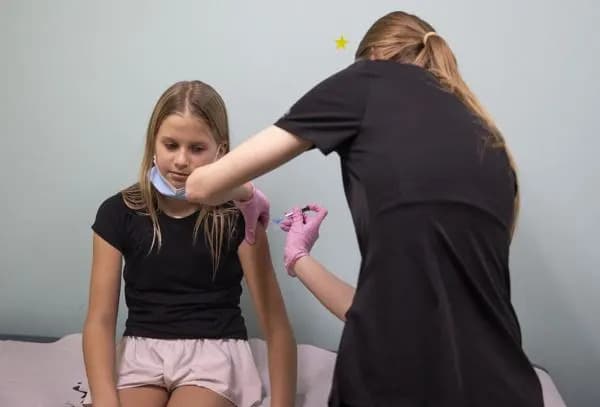
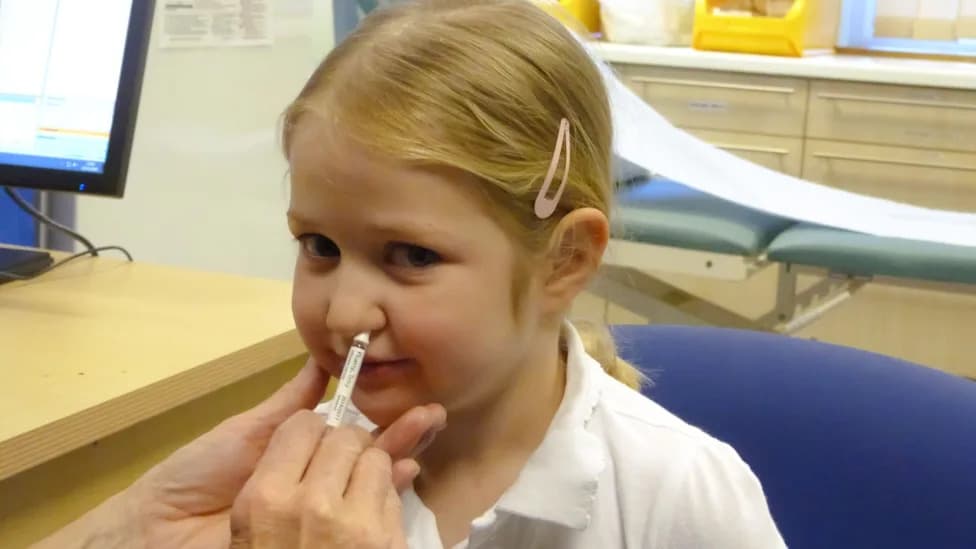
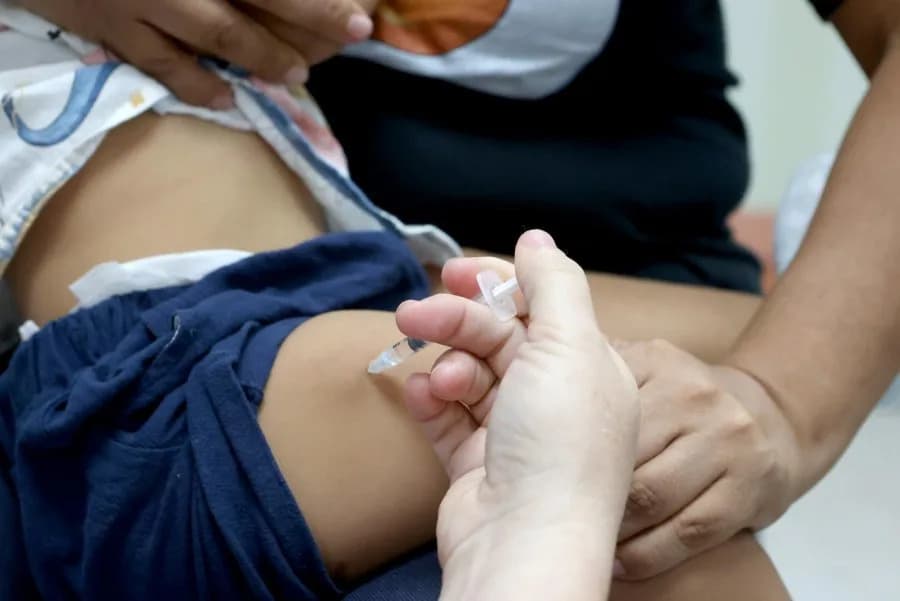
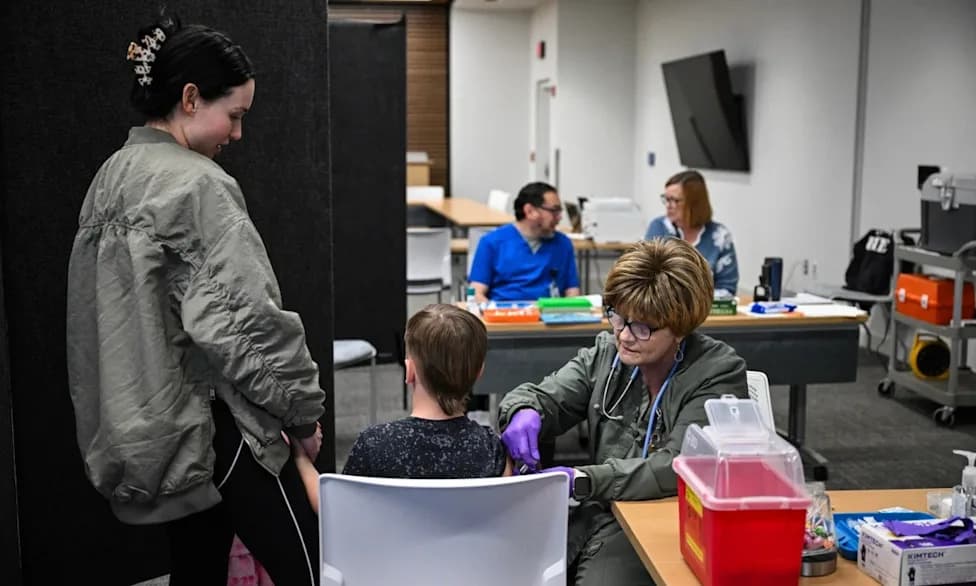
The Centers for Disease Control and Prevention (CDC) continues to recommend annual influenza vaccination for everyone aged 6 months and older. Vaccination rates so far this season are roughly 42% for adults and 41% for children. Even when a vaccine is not a perfect match, it can still reduce the risk of severe illness; a preliminary analysis from the U.K. suggests this season’s vaccine is helping prevent serious disease.
RSV: Later Start, Potential Buildup, New Prevention Tools
Respiratory syncytial virus (RSV) commonly causes cold-like symptoms but can be severe for infants and older adults. RSV seasons usually peak by December or January, but reported cases this year began later and remained relatively low initially. Recent CDC updates, however, indicate upticks in the South and mid-Atlantic regions.
New prevention options introduced in 2023 — vaccines for pregnant people and older adults and monoclonal antibody injections for infants — may be moderating the expected surge. As of October, about 41% of Americans aged 75 and older had received an RSV vaccine, and roughly 40% of infants were reported as protected, according to CDC data.
Federal regulators have opened a review of two injectable products used to protect very young children; officials say this review is precautionary and there have been no public safety signals prompting concern.
COVID-19: Lower Activity, Low Uptake of Updated Shot
COVID-19 indicators are currently lower than the summer peak. Recent CDC analysis found the updated COVID-19 vaccine reduced the risk of severe illness in children: about 76% effectiveness at preventing symptoms severe enough to prompt an ER or urgent care visit for children aged 9 months to 4 years, and about 56% effectiveness for children aged 5 to 17.
Despite evidence of protection and safety, uptake of the updated COVID-19 vaccine this season has been low — roughly 7% of children and 15% of adults, per CDC figures. In October the CDC narrowed its universal recommendation language and left vaccination choices for some groups to individual decision-making, a change that has prompted debate among medical organizations.
What You Can Do
Public health experts recommend common-sense steps to reduce risk: get vaccinated for influenza and COVID-19 if eligible, ensure infants and older adults receive recommended RSV protections, practice good hand hygiene, stay home when sick, and seek medical care for severe symptoms such as difficulty breathing, persistent high fever, or signs of dehydration in children.
Reporting for this update draws on CDC surveillance data and Associated Press health reporting. The landscape can change through the winter; consult local public health guidance for the latest information.
Help us improve.