Ningbo maritime authorities say they penalised an unnamed foreign ship after finding a LEO satellite terminal — shown in photos as a Starlink unit — transmitting inside Chinese territorial waters. The case is described as the first enforcement action against "illegal use of LEO satellite communication" in China’s waters. China bans Starlink, requires all satellite traffic to route through domestic gateways and says unauthorised terminals pose security and interference risks. Ningbo officials pledged to step up enforcement despite challenges in tracking devices at sea.
Ningbo Authorities Penalise Foreign Ship for Using Starlink in Chinese Waters — First Case of Its Kind

Chinese maritime authorities in Ningbo say they have penalised an unnamed foreign vessel after finding it using a low-Earth orbit (LEO) satellite terminal — identifiable in published photos as a Starlink unit — while inside Chinese territorial waters. Local media and the Ningbo Maritime Safety Administration described the action as the first successful enforcement targeting the "illegal use of LEO satellite communication" in China’s waters.
Inspection and Findings
Maritime enforcement officers inspected the ship at Ningbo port in Zhejiang province and discovered a "micro rectangular antenna" mounted on the vessel's upper deck. Officials later determined the device was a LEO satellite communications terminal made by a foreign manufacturer and concluded the ship had continued transmitting data after entering Chinese territorial waters. The report did not identify the vessel nor disclose the precise penalty imposed.
Legal And Security Context
China currently prohibits Starlink operations, viewing the system as a national security concern, and SpaceX has not been licensed to operate in the country. Recent Chinese regulations — including a new direct-to-device satellite-services rule that took effect in June — require satellite communications within China to be routed through domestic gateways. Chinese authorities say Starlink transmits data directly to foreign gateways, which they regard as a communications-security risk.
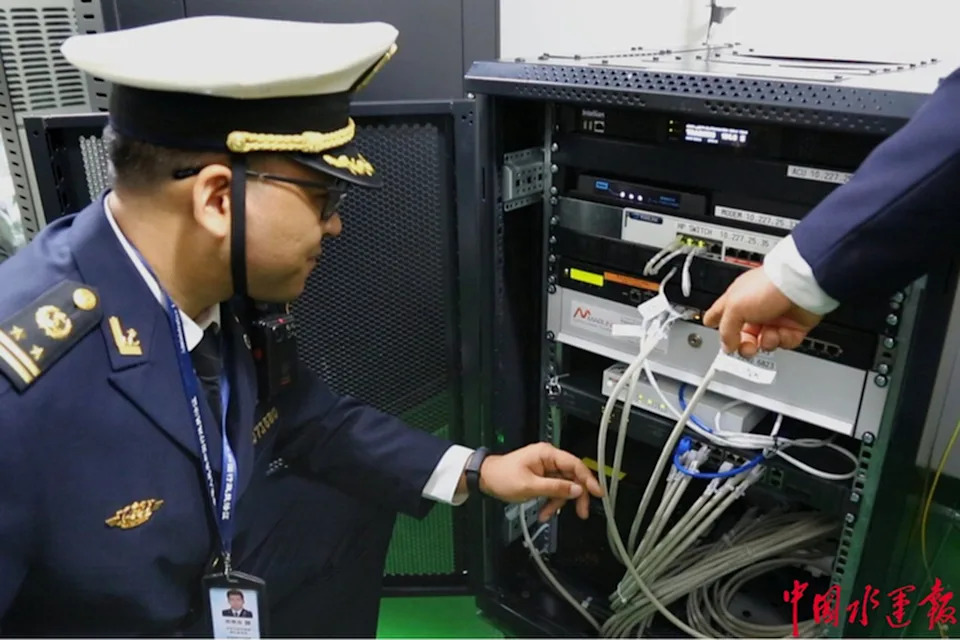
Separately, the use of radio equipment and frequencies in China requires official approval. Starlink terminals function as radio transceivers and have not been authorised for use there. The Ningbo report also warned that operating such terminals inside Chinese waters could potentially interfere with nearby wireless systems and pose safety risks.
Enforcement Challenges And Next Steps
Officials acknowledged that enforcement is difficult because tracking transmissions and identifying specific devices at sea can be challenging. The report suggested many foreign vessels may have continued using Starlink or other LEO satellite equipment while in Chinese waters, and that such activity had long gone largely unchecked. Ningbo maritime authorities said they would intensify enforcement in their jurisdiction.
"We will take this landmark first case as an opportunity to continue to intensify enforcement against illegal radio communication activities in our jurisdiction and rigorously crack down on unauthorised use of satellite communication equipment," said Ma Yanchao, director of the command centre at the Ningbo Maritime Safety Administration.
This account is based on reporting from state-run Ningbo Daily and the South China Morning Post. The brand was not officially named in the enforcement notice, though images circulated with the reports were identified by observers as a Starlink terminal. The authorities did not publish details of the fine or other penalties applied to the vessel or its owner.
Help us improve.