
The study uses drone and suction‑tag footage to show Pacific white‑sided dolphins and Northern Resident orcas coordinating salmon hunts off British Columbia. Researchers recorded 258 encounters (Aug 15–30, 2020) and found orcas following dolphins on dives to ~60 m to locate Chinook salmon. Acoustic analysis suggests orcas may use dolphins as "acoustic scouts," while dolphins gain scraps and possible protection from transient orcas.
Orcas and Dolphins Team Up: New Underwater Footage Shows Cooperative Salmon Hunts Off British Columbia

A pod of Northern Resident killer whales travels together. - University of British Columbia (A.Trites), Dalhousie University (S. Fortune), Hakai Institute (K. Holmes), Leibniz Institute for Zoo and Wildlife Research (X. Cheng)
Researchers have documented an unexpected partnership off the coast of British Columbia: Pacific white‑sided dolphins acting as acoustic allies for Northern Resident orcas during coordinated hunts for Chinook salmon.

Drone footage captured the orcas and dolphins interacting. Pictured here are drone operator Keith Holmes of the Hakai Institute and researcher Taryn Scarff. - University of British Columbia (A.Trites), Dalhousie University (S. Fortune), Hakai Institute (K. Holmes), Leibniz Institute for Zoo and Wildlife Research (X. Cheng)
Clear Underwater Evidence
The study, led by Sarah Fortune (Canadian Wildlife Federation chair in large whale conservation and assistant professor at Dalhousie University), used drone footage and suction‑cup tags fitted with cameras and hydrophones to capture detailed surface and underwater interactions. Published in Scientific Reports, the research recorded 258 encounters between dolphins and Northern Resident orcas between August 15 and 30, 2020.
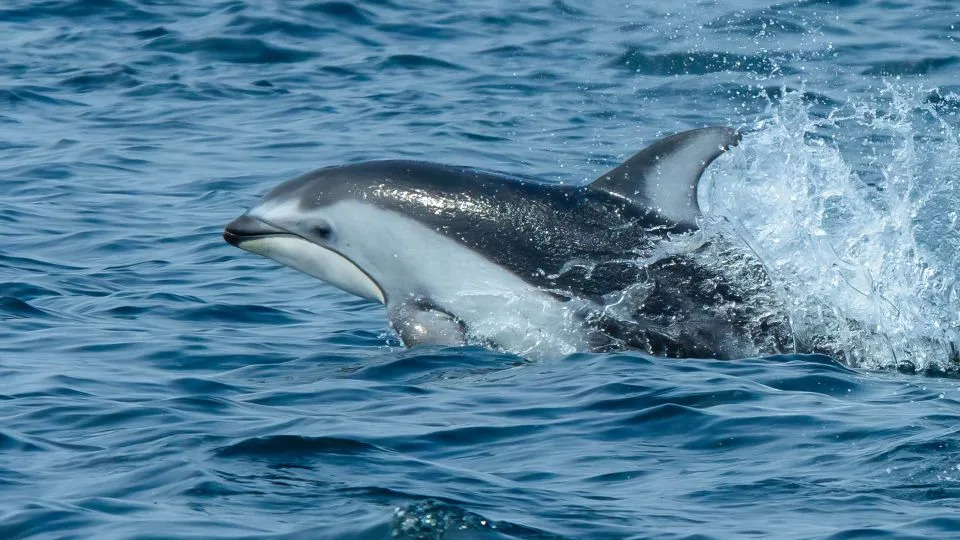
A Pacific white-sided dolphin swims through the water. - University of British Columbia (A.Trites), Dalhousie University (S. Fortune), Hakai Institute (K. Holmes), Leibniz Institute for Zoo and Wildlife Research (X. Cheng)
How The Partnership Works
Surface video showed orcas moving toward and shadowing dolphin groups. Underwater recordings revealed that orcas followed dolphins on dives down to about 60 meters (197 feet), where both species located Chinook salmon. Although light is limited at those depths, the cameras captured orcas seizing salmon and hydrophones recorded sounds associated with prey capture.
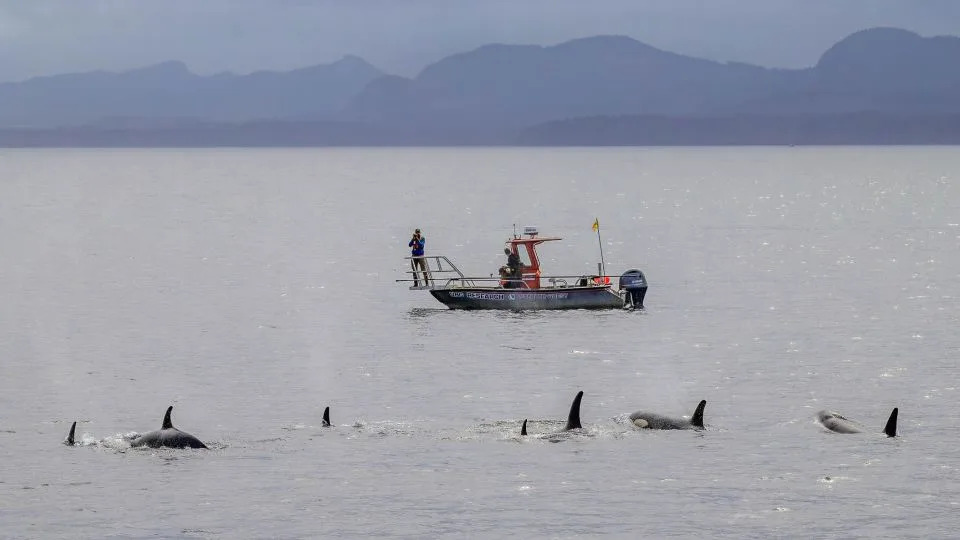
The research vessel Steller Quest was used to tag the killer whales. - University of British Columbia (A.Trites), Dalhousie University (S. Fortune), Hakai Institute (K. Holmes), Leibniz Institute for Zoo and Wildlife Research (X. Cheng)
Researchers analysed echolocation clicks from both species to infer hunting activity. The combined behavioral and acoustic data suggest Northern Resident orcas may be using dolphins as "acoustic scouts"—expanding the orcas' effective acoustic field of view and increasing their chances of finding salmon that hide at depth.
Who Benefits?
Video showed dolphins feeding on fish remnants after orcas shared prey within the pod. Because salmon are not a primary food source for Pacific white‑sided dolphins, the authors propose an additional benefit: protection. By associating with Northern Resident pods—who generally do not prey on dolphins—these dolphins may gain safety from Bigg’s (transient) orcas, a separate ecotype that specializes in hunting marine mammals.
Not all experts agree on mutual benefit. Brittany Visona‑Kelly (Ocean Wise) noted long‑term surface observations suggesting dolphins initiate contact and likely gain more from the encounters, while Fortune's team argues the underwater footage demonstrates active, coordinated hunting rather than passive scavenging by dolphins.
Context And Significance
Interspecies cooperation is known in nature, but it is rarer among mammals and unusual when it involves predators. Judith Bronstein, an expert in interspecies cooperation, highlighted comparable examples (e.g., coyotes hunting with badgers) and said this case is notable because each species contributes different sensory abilities that can make joint hunting efficient.
Study Takeaway: Underwater video and acoustic data provide the first strong evidence that Northern Resident orcas may follow Pacific white‑sided dolphins to locate salmon, suggesting a form of cross‑species foraging coordination with potential benefits for both parties.


