Ben Vos, coordinator of Mortuarium Schiphol, outlines how his on-site team handles deaths that occur on flights or abroad. After an alert from air traffic control, a coroner and the Koninklijke Marechaussee board the aircraft once passengers have disembarked; the deceased are removed discreetly into a special vehicle. The mortuary operates 24/7, coordinating embalming, organ-donation logistics and repatriation under applicable legal and health rules. Vos says winter is busiest and that providing careful, compassionate service to families is the most meaningful part of the job.
What Happens If a Passenger Dies on a Plane? Inside Schiphol’s 24/7 Mortuary Protocol
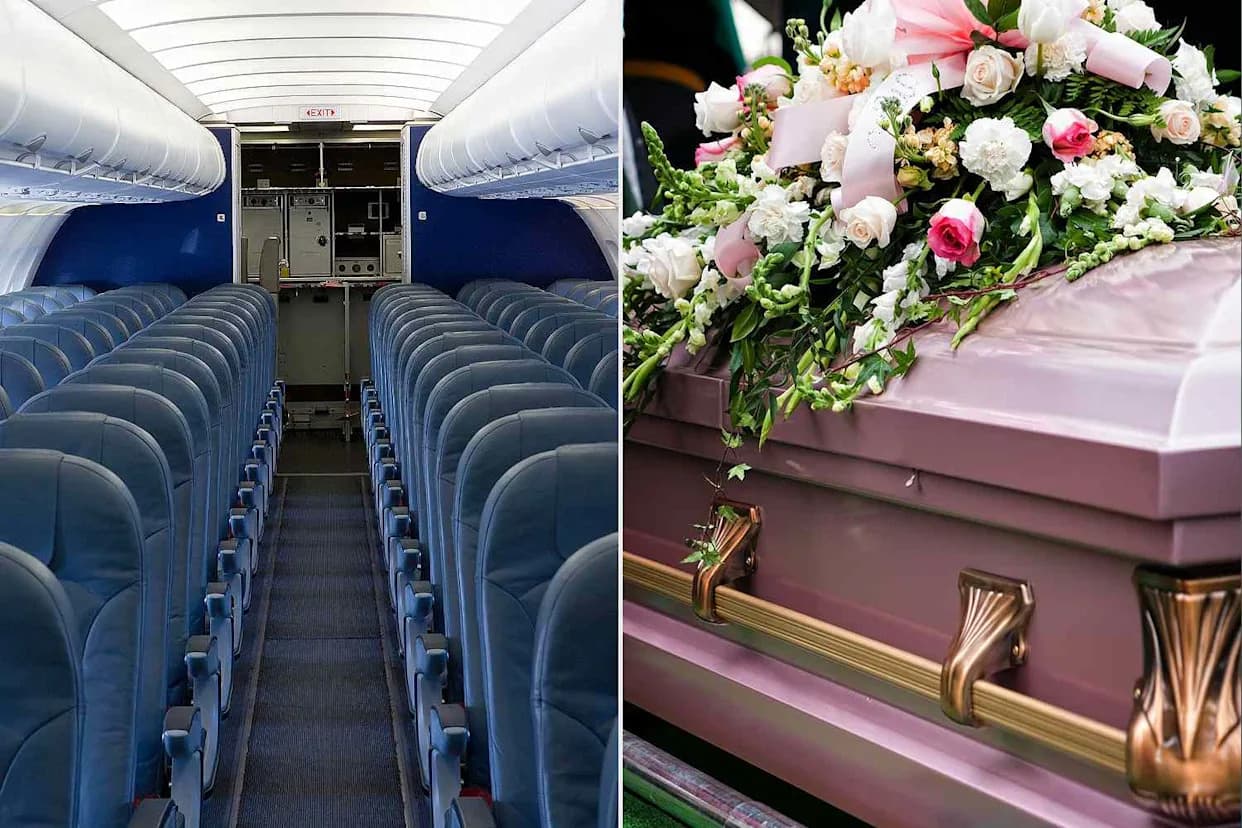
GettyInterior shot of a plane beside a coffin with flowers
Ben Vos is the coordinator at Mortuarium Schiphol, the on-site mortuary at Amsterdam’s Schiphol Airport. In a recent interview with CNN Travel, Vos described the step-by-step protocol his team follows when a traveler dies in-flight or abroad and is returned through Schiphol.

MOUNEB TAIM/Middle East Images/AFP via GettySchiphol Airport Amsterdam
Rapid Notification and Discreet Removal
When an in-flight death occurs, air traffic control typically alerts the mortuary as soon as possible. Vos described a recent September case in which he received a call about 5 a.m.; the flight landed around 6 a.m. Vos met the aircraft alongside a coroner and a member of the Koninklijke Marechaussee (the Netherlands' border police).

PrathanChorruangsak/GettyAirplane cabin interior
They board only after all other passengers have disembarked. The coroner performs an initial evaluation — in the cited case the likely cause was a heart attack — and the deceased is placed in a body bag. To preserve privacy, the removal is handled discreetly: the team uses an emergency exit (often behind the wing) and transfers the remains directly into a special vehicle parked adjacent to the plane.
Getty Stock image of a casket
Postmortem Care and Repatriation (RMR)
Back at Mortuarium Schiphol, Vos and his small team follow strict repatriation-of-mortal-remains (RMR) procedures. The mortuary operates 24/7 and arranges postmortem care “hundreds of times a year,” preparing remains either for flights out of the Netherlands or for transport to nearby funeral homes (typically within about a 1,000-mile driving radius).
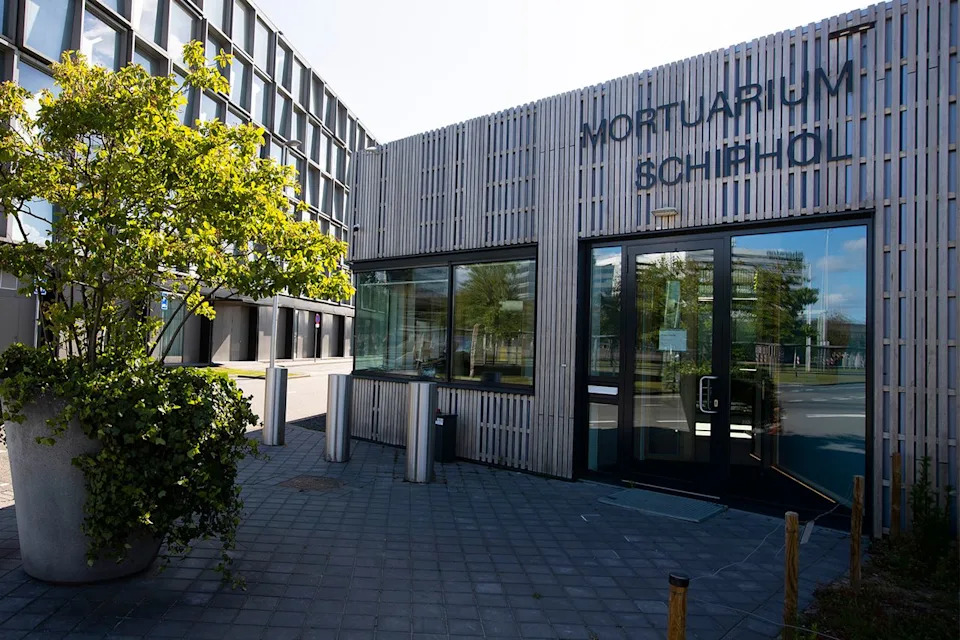
AP Photo/Peter DejongSchiphol Mortuarium Amsterdam
Services coordinated by the team include embalming, liaising with medical facilities when organ donation or medical examinations are required, and connecting families with cremation or burial providers. All steps must comply with national and international rules: for example, U.S. repatriation requires a death certificate (translated into English when necessary) and preparation and shipment in line with Centers for Disease Control and Prevention (CDC) guidance, per U.S. Customs and Border Protection.
Privacy, Compassion and Public Outreach
Vos stresses privacy and respect for grieving families. “There’s a special vehicle that comes right to the plane. We can go out of the plane and directly into the vehicle, so lots of people don’t see what we do at the airport,” he told CNN.
To demystify their work, Schiphol Mortuary maintains a public-facing TikTok account with short tours and explanations of daily tasks, aiming to explain the logistics many travelers never see.
Seasonality and Experience
Vos, who has roughly 35 years of experience, says winter is typically the busiest season — often due to older travelers on ski trips or warm-weather holidays. He says the most rewarding part of the work is helping families through an extremely difficult process: when everything is handled carefully, that brings satisfaction to his team.
Sources: Interview with CNN Travel and reporting in People.
Help us improve.