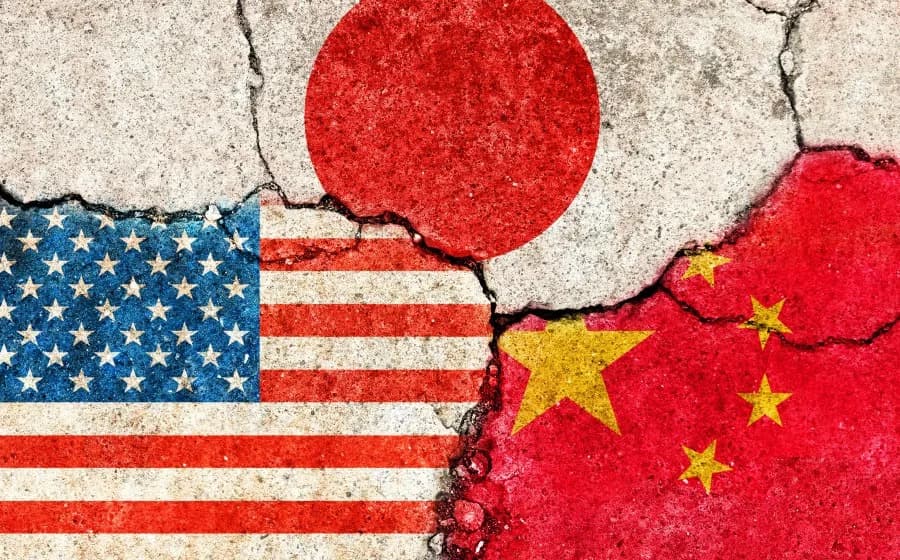
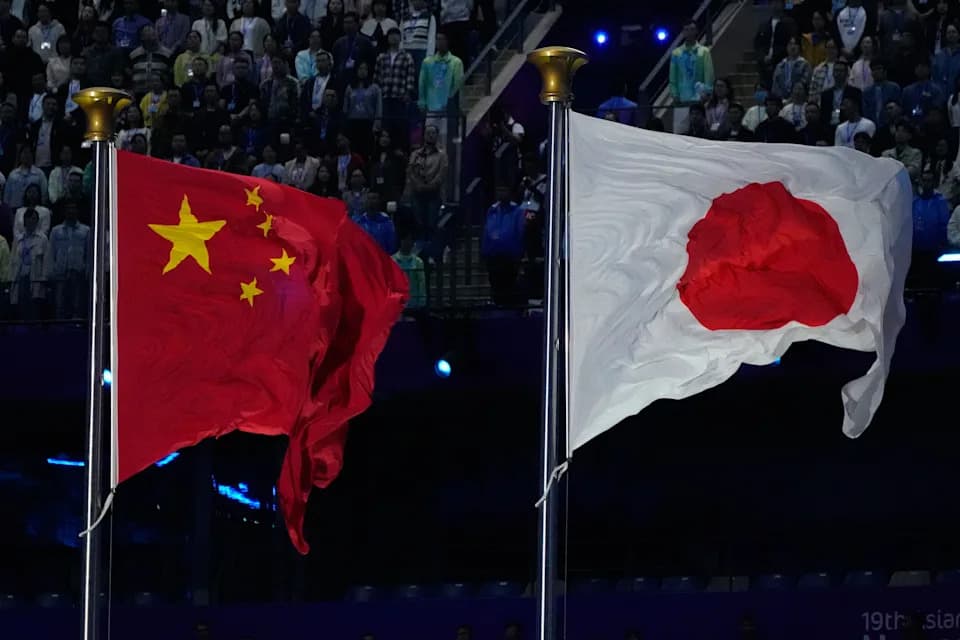
Japan says Chinese J-15 fighters twice illuminated Japanese F-15s with fire-control radar near Okinawa on Dec. 6, an action Tokyo called "dangerous" and formally protested. Beijing responded by accusing Japan and Prime Minister Sanae Takaichi of provocation and criticized her earlier Taiwan-related remarks. Officials and analysts warn the episode risks further escalation amid already strained ties and call for restraint and clearer military communication.
China-Tokyo Showdown After Reported Radar 'Lock' Near Okinawa — Tensions Fueled by Taiwan Remarks

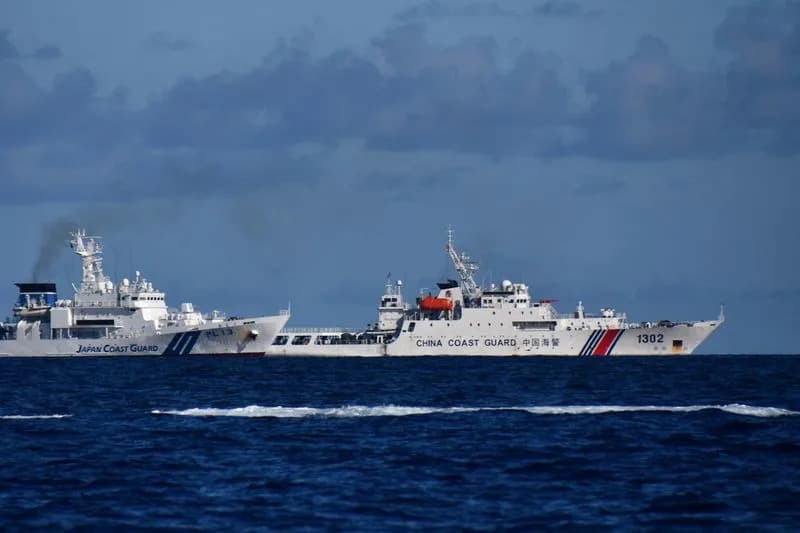
Beijing and Tokyo have exchanged sharp accusations after Japan said Chinese fighter jets twice aimed fire-control radar at Japanese F-15s operating near Okinawa on Dec. 6. Tokyo called the radar illuminations "dangerous" and lodged a formal protest, while Beijing described Japan's response as provocative and warned against escalation.
What Happened
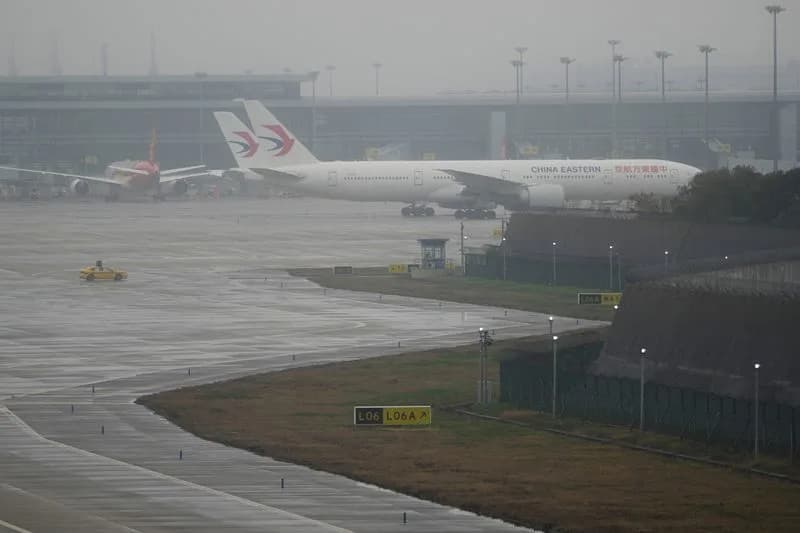
Japanese officials say the incident occurred over international waters near the Okinawa islands when J-15 fighters operating from the Chinese carrier Liaoning illuminated Japanese F-15s with fire-control radar twice. Japan’s new prime minister, Sanae Takaichi, described the action as "extremely regrettable" and said it exceeds what is necessary for safe flight.
Official Reactions
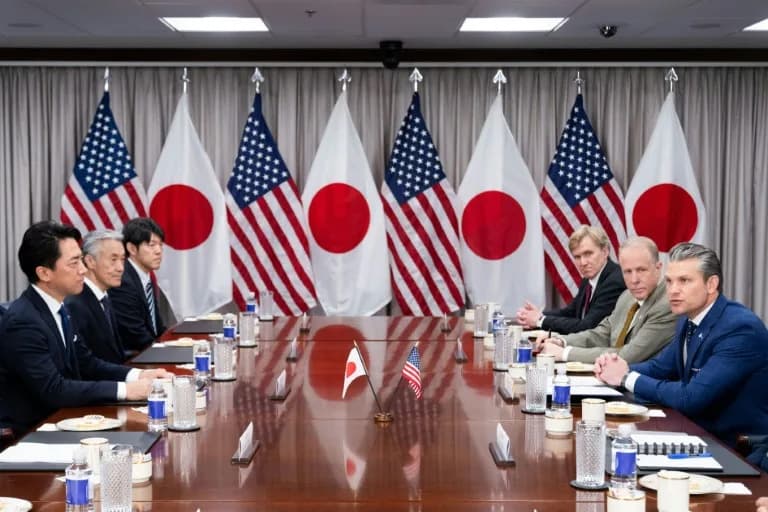
Japan lodged a formal protest with China. The Japanese government said its Self-Defense Force jets "were maintaining a safe distance during their mission" and denied Chinese claims that Japanese aircraft obstructed Chinese operations, Chief Cabinet Secretary Minoru Kihara told reporters.
"These radar illuminations are a dangerous act that goes beyond what is necessary for the safe flight of aircraft," Prime Minister Sanae Takaichi said.
China responded with stern rhetoric. Foreign Minister Wang Yi told his German counterpart that "Japan is threatening China militarily," calling such a posture "completely unacceptable," according to Reuters. Xinhua and other state outlets criticized Takaichi’s earlier remarks about Taiwan and urged Japan to act with greater caution, reminding Tokyo of its wartime history in harsh language.
Background: Taiwan Comments and Rising Tensions
The radar incident followed Takaichi’s early-November comments that a Chinese attack on Taiwan could create a "survival-threatening situation" for Japan and potentially trigger a military response under Japan’s 2015 security legislation. Beijing condemned those comments as interference in China’s internal affairs and warned of "serious consequences" if the remarks were not retracted.
State media and Chinese spokespeople have accused Japan of exaggerating the radar episode and using the incident to justify closer ties with Taiwan and a military buildup. Separately, an inflammatory state media report said a Chinese diplomat issued an extreme threat toward Japan's incoming prime minister, further fueling the row.
Analysts' Concerns
Analysts warn such encounters risk escalation. China watcher Gordon Chang told Fox News Digital that repeated provocations and radar-lock incidents could "easily spiral into war," arguing Beijing appears unwilling to de-escalate. Other experts have urged restraint and clearer communication channels between both militaries to prevent accidents.
Outlook
The incident underscores growing strategic friction in East Asia: disputed military activity at sea and airspace, heightened rhetoric over Taiwan, and a changing security posture in the region. Diplomats and defense officials from both sides face pressure to defuse the situation while domestic politics in Tokyo and Beijing add momentum to tougher postures.
Sources: Reuters, Xinhua, The Associated Press, Fox News Digital.
Help us improve.