
Genebanks preserve seeds and other genetic material to protect crop diversity and enable breeding for nutrition and climate resilience. The network traces back to Nikolai Vavilov’s expeditions and the first seedbank in Leningrad. To guard against loss from conflict or disaster, countries and institutions duplicate collections—often storing backups in the Svalbard Global Seed Vault, which holds more than 1.37 million samples. These systems have already helped recover collections displaced by war and serve as critical insurance for global food security.
Seed Vaults: How Genebanks and Svalbard Protect Humanity’s Food Future

An employee at the Leibniz Institute of Plant Genetics and Crop Plant Research in Germany shows off a specimen of frozen plant seeds from the institute's genebank.
During the 872-day siege of Leningrad in the early 1940s, nine food scientists starved to death while guarding a collection that wasn’t books but seeds gathered from around the globe. That collection—often called the world’s first seedbank—was the seed of a global system of genebanks that today help safeguard crop diversity, support breeding and research, and act as insurance against famine, conflict, and climate change.
From Vavilov’s Vision to Global Genebanks
Russian botanist Nikolai Vavilov dreamed of a central repository holding seeds from every region so researchers and breeders could use them to fight crop failure and famine. He mounted 115 expeditions to 64 countries and assembled roughly 380,000 accessions for the Leningrad collection. Although Vavilov later died in the Gulag and the original collection endured extraordinary hardship, his idea evolved into a worldwide network of genebanks.
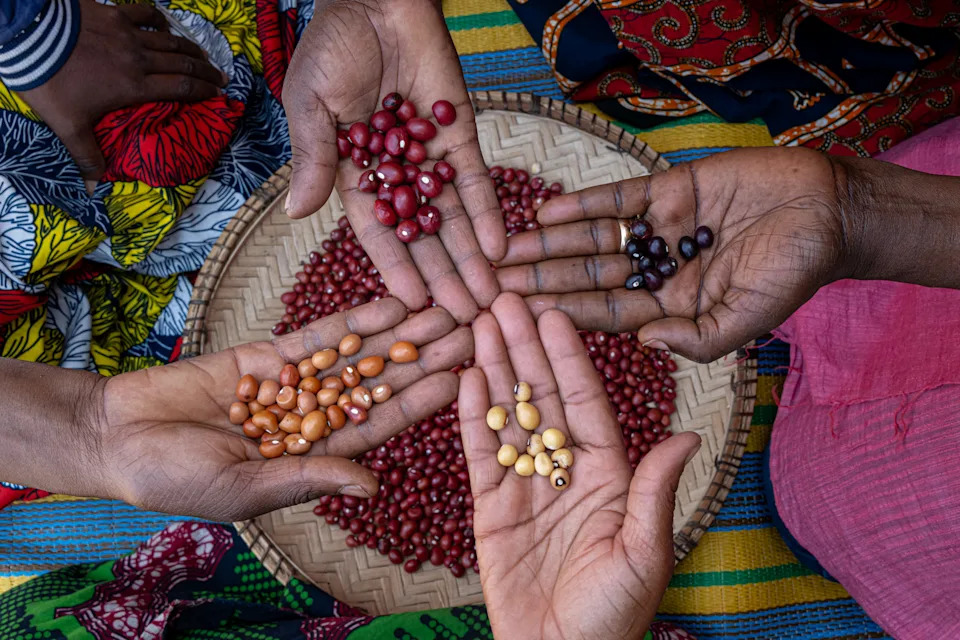
Genebanks help protect important plant varieties, such as the West African Bambara groundnut shown here.Image: Crop Trust/ Michael Major
Why Genebanks Matter
Genebanks are specialized repositories that preserve genetic material—seeds, living plant cells, and other germplasm. They conserve the gene variants that breeders and scientists need to develop crops with better nutrition, disease resistance, and climate resilience. History shows the stakes: when farmers rely on a single variety, pests or pathogens can trigger large-scale crop failures, as in the Irish Potato Famine.
ICARDA: A Case Study in Resilience
The International Center for Agricultural Research in the Dry Areas (ICARDA) manages genebanks in Morocco and Lebanon and maintains collections that include crop wild relatives and some of the earliest domesticated varieties from the Fertile Crescent. "We collect the crop wild relatives from this region, the first domesticated forms, the primitive forms, and we have our locally adapted forms," explains Athanasios Tsivelikas, manager of ICARDA’s Morocco genebank.
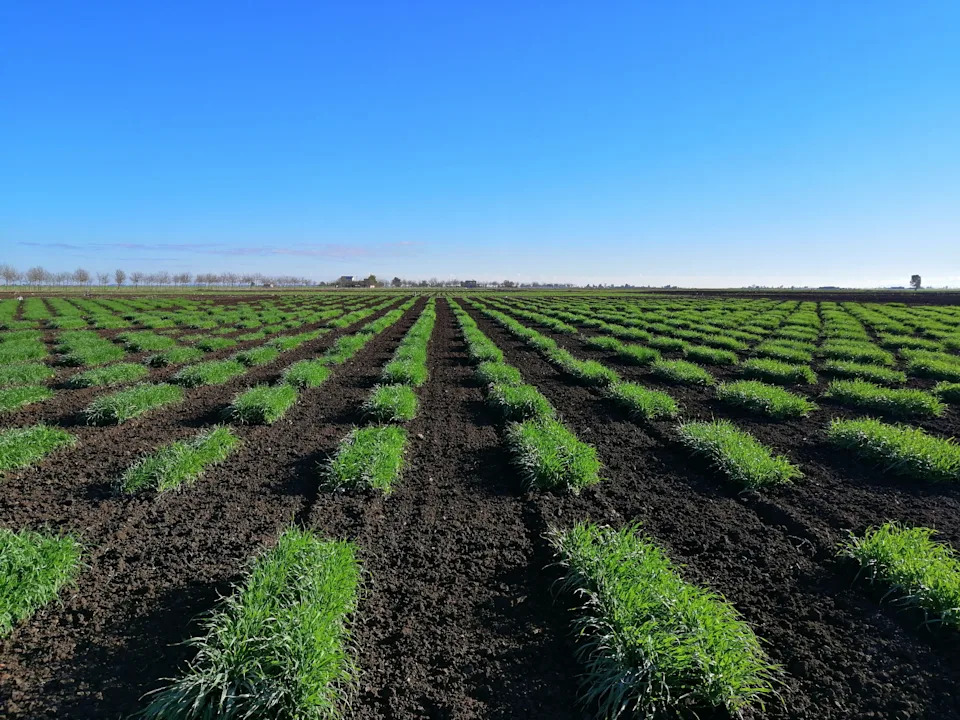
The International Center for Agricultural Research in the Dry Areas (ICARDA) cultivates many unique, traditional plant varieties, like barley (shown here).Image: ICARDA
Many of these accessions evolved to tolerate extreme heat, salinity, and drought—traits increasingly valuable as the climate warms. When Syria’s civil war threatened ICARDA’s collections, their staff had already deposited more than 100,000 duplicates in a remote global backup: the Svalbard Global Seed Vault.
The Black Box System And The Ultimate Backup: Svalbard
Genebanks routinely duplicate collections and send copies to partner institutions to reduce the risk of total loss. One mechanism is the "black box" system: duplicates are stored at a remote facility strictly for safekeeping; ownership remains with the donor and the recipient cannot use the material without permission.
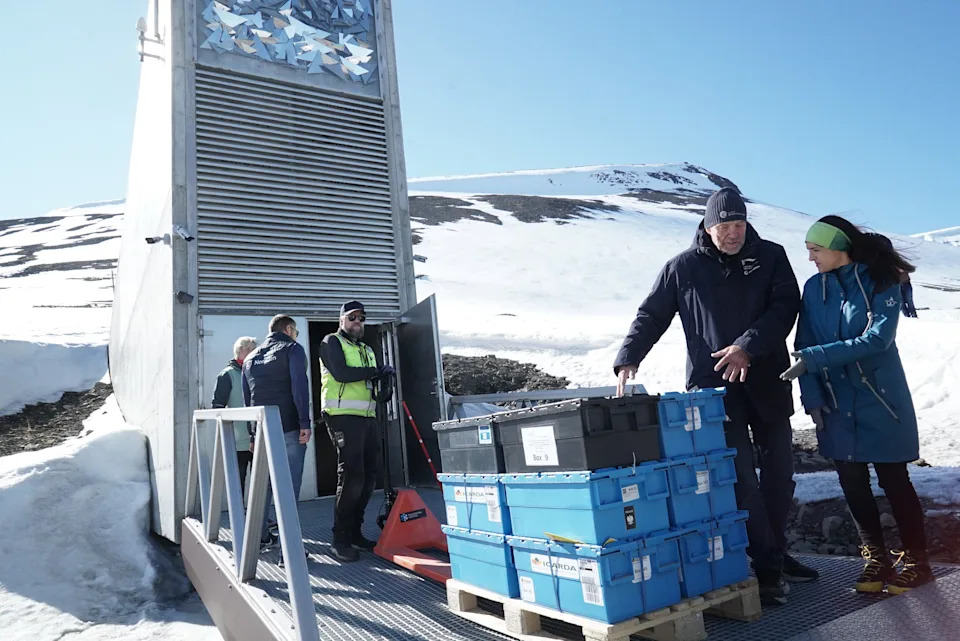
On June 3, 2025, several staff members transported ICARDA seed samples into the Svalbard Global Seed Vault in northern Norway. That week alone, 14 genebanks from around the world deposited more than 11,200 seed samples, underscoring the critical role of crop diversity in future food security.Image: Xinhua News Agency / Contributor / Getty ImagesXinhua News Agency
To provide an additional layer of protection, the Svalbard Global Seed Vault opened in 2008 on a Norwegian Arctic island. Permafrost and remote geography give passive protection, while engineered storage maintains temperatures near −18°C (0°F). The Vault now holds roughly 1,378,238 seed samples from nearly every country and serves as a global insurance policy for more than 800 genebanks worldwide.
"Svalbard is nothing else but a huge backup facility," says Stefan Schmitz, executive director of the Crop Trust. "So that in case one of the 800+ genebanks loses their collection due to a thunderstorm, fire, earthquake, or war, you can make sure you have this security backup."
How Researchers, Breeders, and Farmers Use Genebanks
Scientists and breeders can request samples to study specific traits—such as nutrient content, pest resistance, or drought tolerance. In emergencies, genebanks can provide older, locally adapted varieties that farmers can multiply and replant, enabling recovery after disasters or conflict.
Threats, Redundancy, And The Future
Genebanks remain vulnerable to power outages, conflict, and infrastructure failure: many collections require stable, cold storage and are at risk from a single prolonged outage. Redundancy—duplicate storage at partner facilities and at Svalbard—reduces that risk. As climate change and geopolitical instability increase, genebanks and international cooperation will be essential to conserve agricultural biodiversity and secure food supplies for future generations.
Bottom line: Genebanks preserve the raw genetic materials that let breeders and farmers adapt crops to changing conditions. The Svalbard Vault and "black box" duplication systems provide crucial backups that have already helped institutions recover lost collections and will remain central to global food security.


