Clashes in remote highlands north of Fizi have escalated, straining local hospitals and complicating US-led diplomacy. Fizi general hospital, supported by the ICRC, is treating 115 wounded patients—more than four times its 25-bed capacity—and medical staff warn they may soon be overwhelmed. The fighting centers on strategic highlands near Minembwe and Uvira, drawing in AFC/M23 rebels, local allied forces and government troops. A Doha-brokered ceasefire monitoring mechanism was agreed this week and a U.N. team is expected to deploy, but access and rapid shifts on the ground will challenge enforcement.
Fighting Surges in Eastern Congo Highlands, Overwhelming Hospitals and Complicating US-Led Mediation
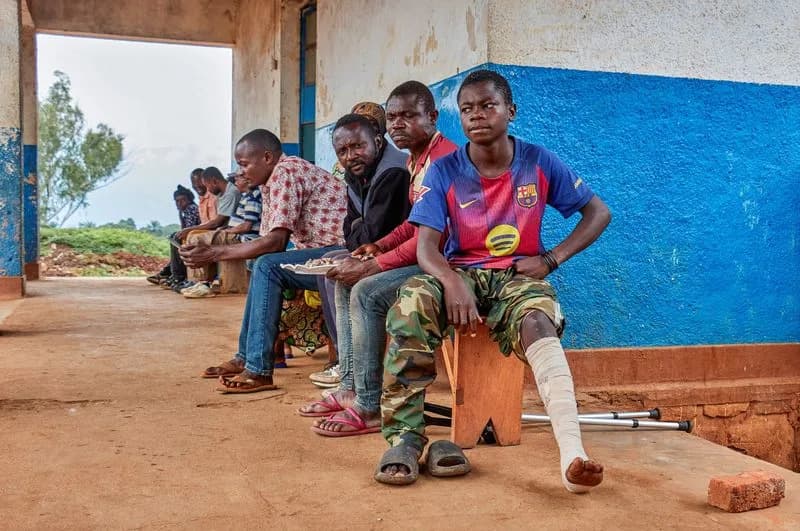
Wilondja Mukula, a member of the Wazalendo militia sits with other patients after the treatment of a bullet wound at the Fizi General Referral Hospital supported by the International Committee of the Red Cross (ICRC), in Fizi territory of South Kivu province, in the eastern Democratic Republic of the Congo January 28, 2026. REUTERS/Gradel Muyisa Mumbere
Feb 6 (Reuters) - At the general hospital in Fizi, a town ringed by steep highlands in South Kivu province, nurses rushed a wounded soldier into surgery after he was brought in slumped on the back of a motorbike.
He had been shot in both legs on a frontline in the mountains north of town, where clashes between the national army and rebel forces have intensified in recent weeks. The fighting, largely unfolding away from cities and receiving limited international attention, is drawing in more actors and threatens to complicate US-led diplomatic efforts and Western investment plans tied to regional minerals.
Hospitals Strained
The Fizi general hospital, supported by the International Committee of the Red Cross, was treating 115 wounded patients when a Reuters reporter visited in late January — more than four times its 25-bed capacity. Medical staff say most injuries involve upper or lower limbs and often arrive infected because of limited frontline care.
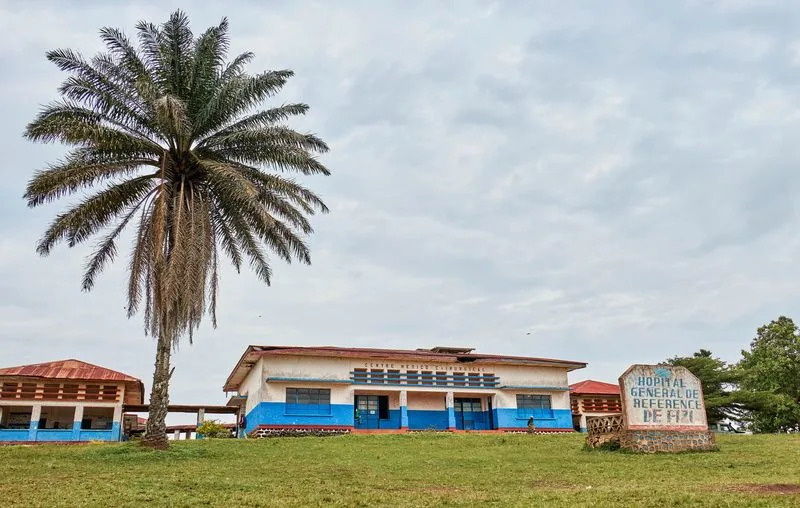
The exterior of the Fizi General Referral Hospital, supported by the International Committee of the Red Cross (ICRC), in Fizi territory of South Kivu province, in the eastern Democratic Republic of the Congo January 28, 2026. REUTERS/Gradel Muyisa Mumbere
"Most of our patients have injuries in their upper or lower limbs; they often arrive with wounds that are already infected because of limited facilities on the frontline," said Richard Lwandja, a surgeon.
Staff warn that impassable roads, dwindling supplies and continued fighting could soon overwhelm the facility. "Roads are often impassable and supplies run out," said Robert Zoubda, a Red Cross nurse. "If this continues, we'll have to install more tents."
Shifting Front Lines and Strategic High Ground
Recent fighting has centered on the highlands around Minembwe in Fizi territory, where government forces are conducting operations against the AFC/M23 rebel group and a local allied force known as Twirwaneho, formed by Congolese Tutsi commonly referred to as Banyamulenge. Analysts say control of the highlands around Uvira is strategically important because it provides access to major lowland towns.
"The highlands around Uvira are highly strategic: whoever controls them has access to major towns in the lowlands," said Regan Miviri, an analyst at the Ebuteli Research Institute in Kinshasa. "And because the area is so remote, the fighting there draws less attention and less diplomatic pressure."
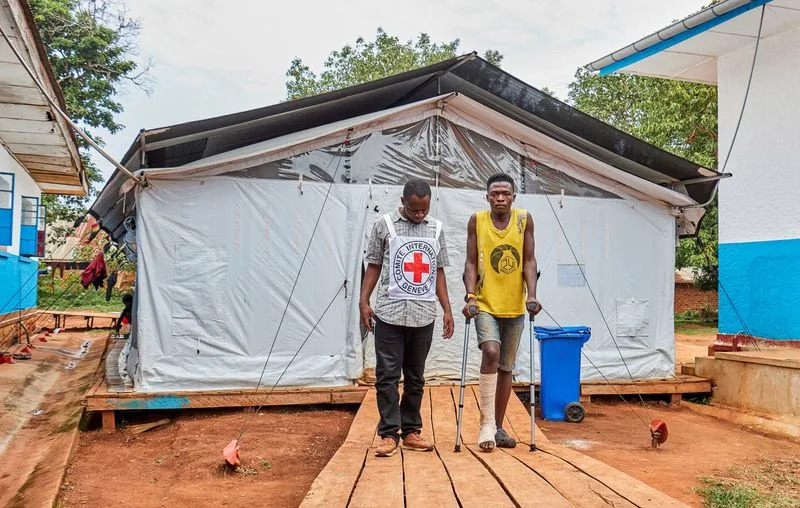
An International Committee of the Red Cross (ICRC) worker observes as Chinabalire Bishikwabo, a member of the Wazalendo militia moves after the treatment of a bullet wound at the Fizi General Referral Hospital, in Fizi territory of South Kivu province, in the eastern Democratic Republic of the Congo January 28, 2026. REUTERS/Gradel Muyisa Mumbere
Regional Escalation and Accusations
The AFC/M23 has framed its presence in South Kivu's highlands as aimed at protecting the Banyamulenge, while the government accuses the coalition of exploiting long-standing tensions over land, cattle and political representation. The United Nations and Western governments say Rwanda backs AFC/M23 and exercise influence over the group; Rwanda denies these allegations.
Earlier this week the rebels said they carried out a drone strike on Kisangani airport — hundreds of kilometres from the front lines — saying it was retaliation for government aerial attacks on South Kivu villages. The Congolese army has not publicly commented on the drone strike or on the rebels' claims of village strikes.
Diplomacy Struggles To Keep Pace
Diplomacy is attempting to catch up with the rapid shifts on the ground. Congo and AFC/M23 agreed in Doha this week to activate a Qatari-mediated ceasefire monitoring mechanism, and a United Nations team is expected to deploy to Uvira in the coming days. However, officials acknowledge that remote terrain and fast-moving clashes make monitoring and enforcement difficult.
The combination of intensified fighting in remote highlands, strained health facilities and difficult logistics underscores the humanitarian and political challenges facing mediators and aid organizations trying to stabilize eastern Congo.
Help us improve.