Small armed militias in Israeli-controlled eastern Gaza are attempting to fill any power vacuum left if Hamas is sidelined. These groups control villages, recruit civilians, and stage raids and propaganda campaigns while Hamas mounts counter-operations. International reconstruction plans that focus on 'Hamas-free' zones and reported Israeli backing for some militias raise concerns that Gaza could fracture further, and residents say they will not move into militia-controlled areas without clear Palestinian authority.
Armed Militias Seek To Fill Power Vacuum In Israeli-Controlled Eastern Gaza

Leader of the Counter-Terrorism Strike Force, Hussam Al-Astal, firing his automatic weapon in Gaza - Counter-Terrorism Strike Force/Facebook
When Sheikh Mohammed Abu Mustafa left his mosque in southern Gaza after leading afternoon prayers in early November, a gunman on a motorcycle shot him dead in a targeted killing, according to local accounts. The killing has been blamed by some factions on an Israel-backed local militia and claimed by a Hamas-linked group as the work of a new anti-Hamas force.
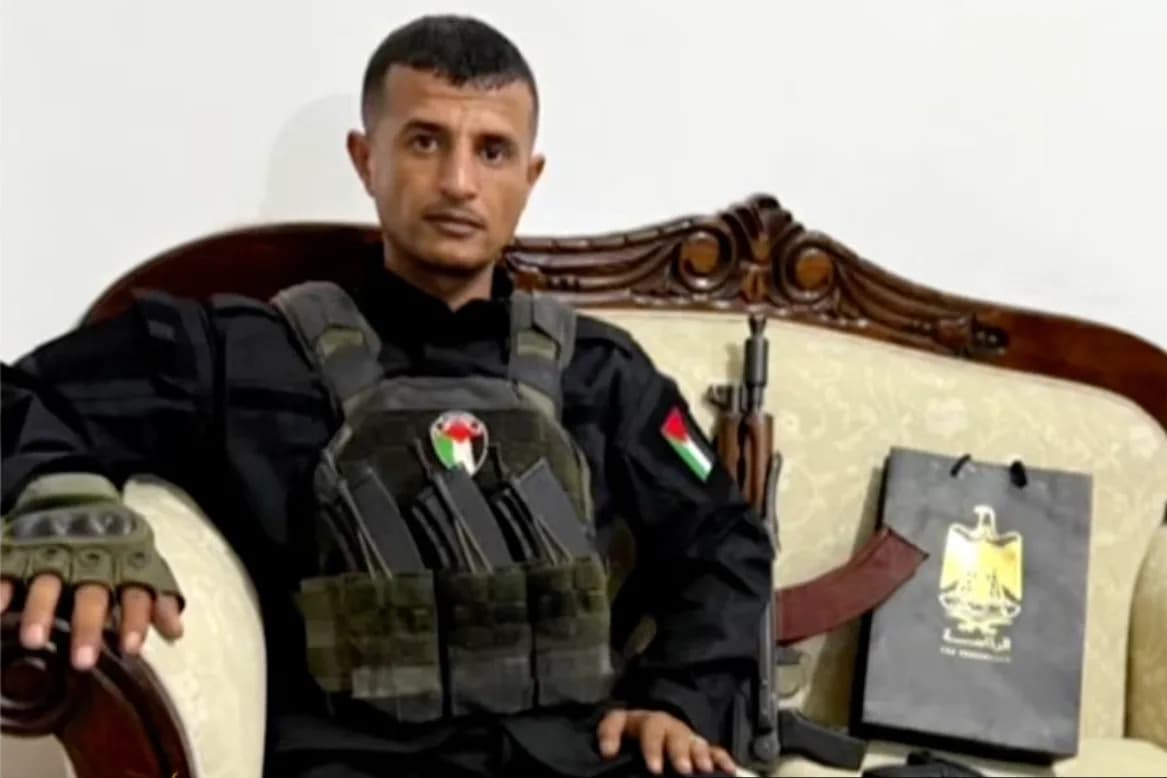
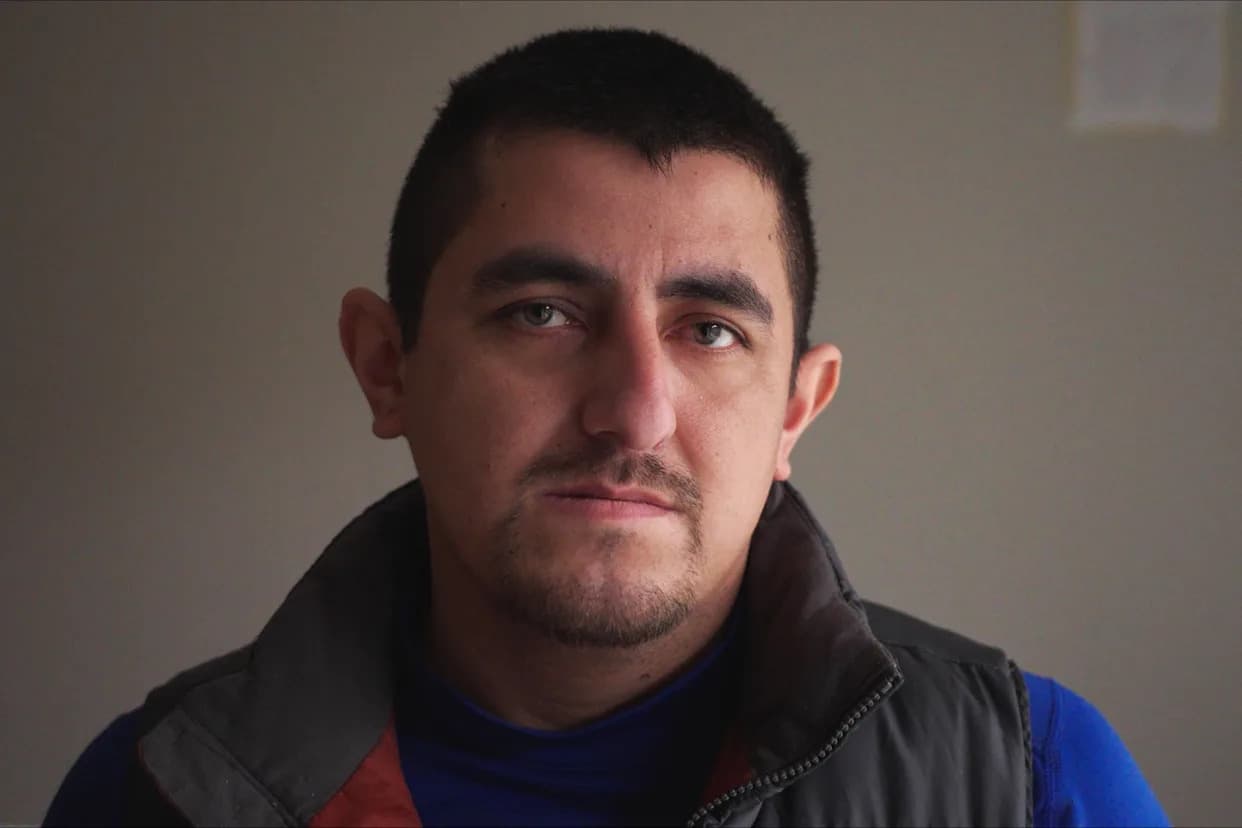
Hussam Al-Astal, who leads a small group calling itself the Counter-Terrorism Strike Force, denied responsibility in a phone interview with CNN but welcomed the death of any Hamas member. His group has taken control of a village in the Israeli-controlled sector of Khan Younis and has used it as a base for raids against Hamas while attempting to expand its local following.
Gaza Divided And Rising Tensions
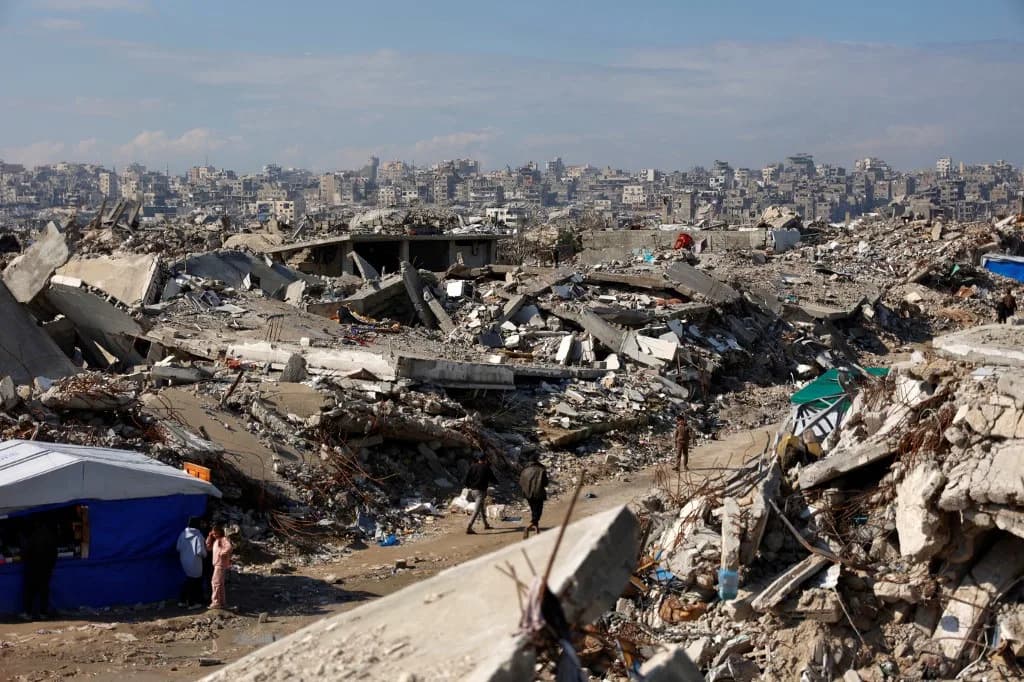
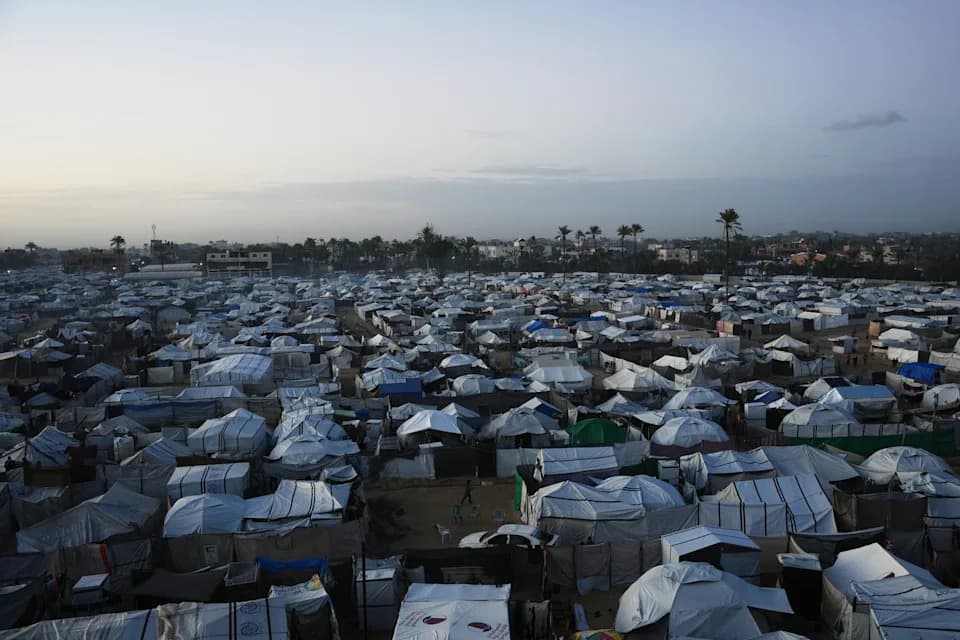
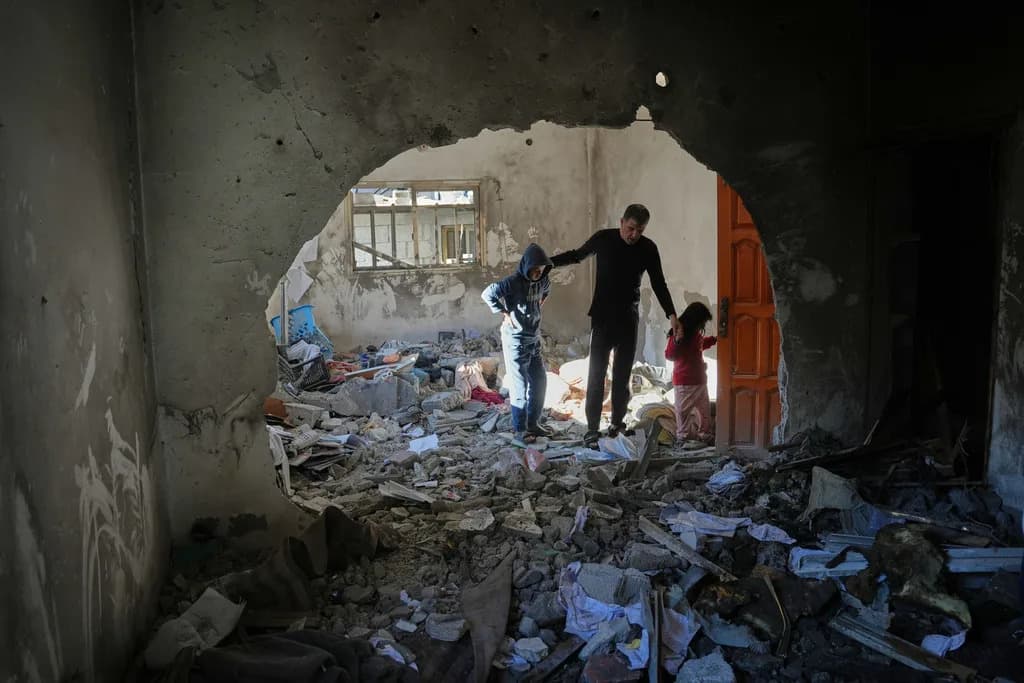
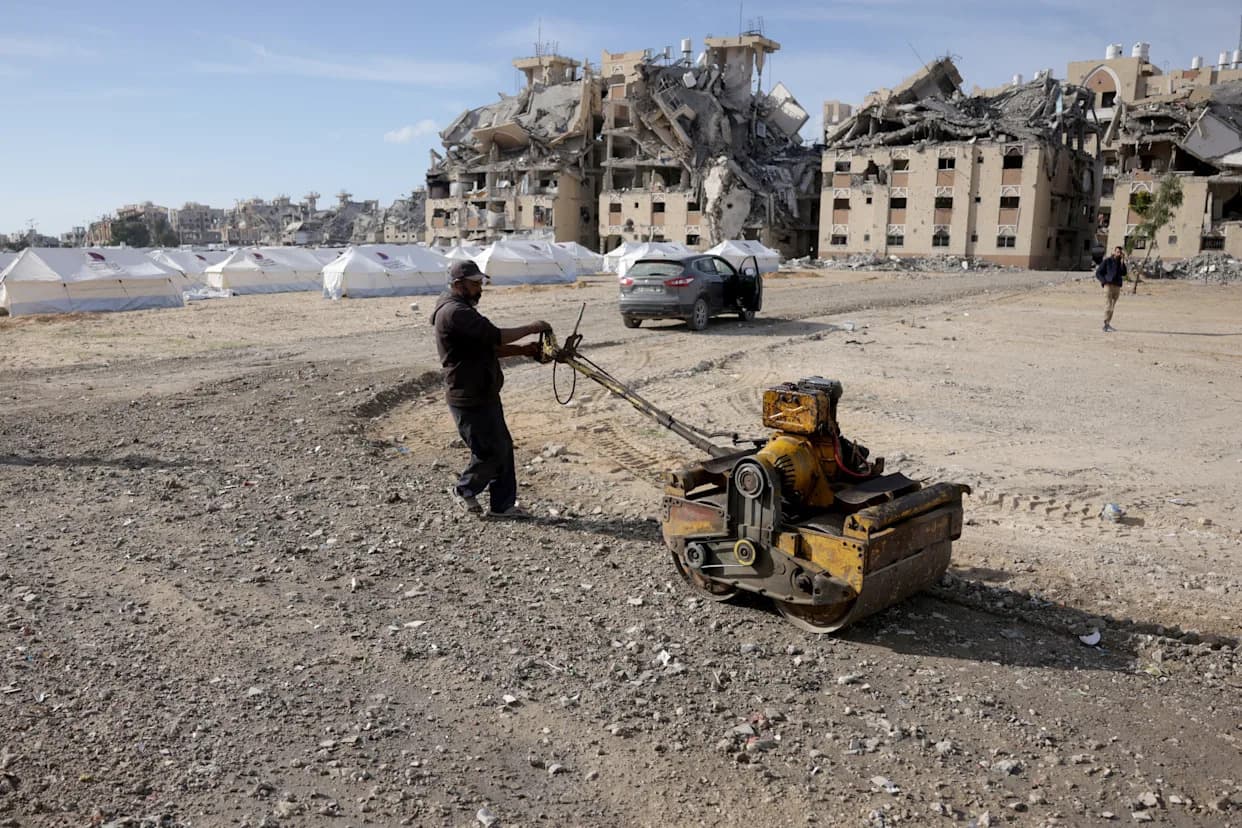
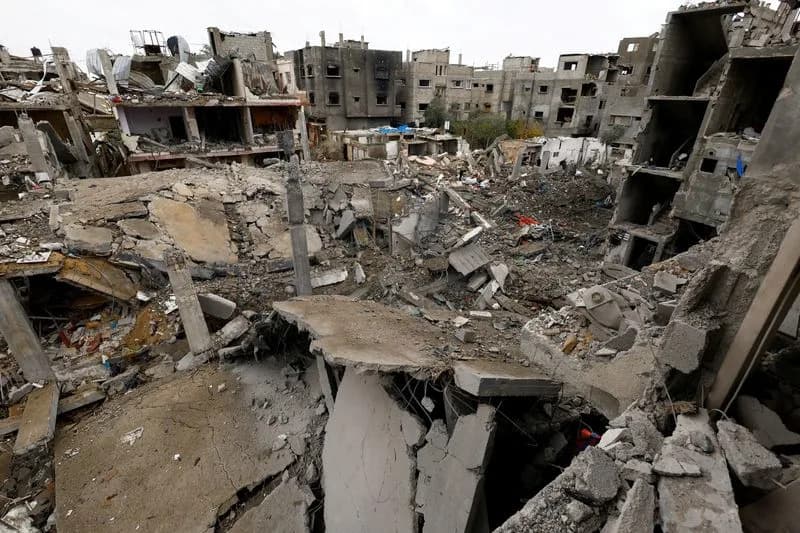
After a brutal two-year war and a ceasefire, Gaza is effectively split. Hamas is reconsolidating power across the western half of the enclave — where most residents remain — while the area east of the so-called "yellow line," an Israeli military demarcation, has far fewer civilians. It is in this Israeli-controlled eastern Gaza that several small armed groups are jockeying for influence and a possible role in any postwar order.
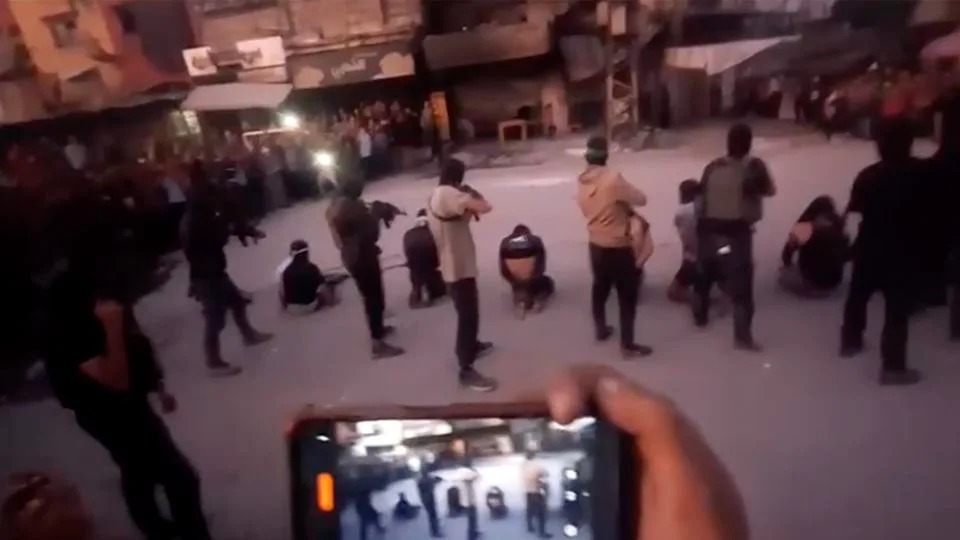
Video shows Hamas armed men dragging seven men into a circle of people in Gaza City, forcing them to their knees and executing them. - From Social Media/Reuters
From Opportunistic Gangs To Coordinated Militias
Under close Israeli supervision, at least five factions now operate inside the yellow line. What began as scattered, opportunistic gangs exploiting wartime chaos has become a more coordinated network of militias positioning themselves for a future without Hamas. Leaders openly post propaganda showing masked fighters in improvised black uniforms and vow to "liberate" Gaza from Hamas.
“There is coordination between our groups. We have the same goals and the same ideology…We have the same aim,”
Al-Astal told CNN, describing a shared objective of defeating Hamas.
Capabilities, Recruitment And Funding
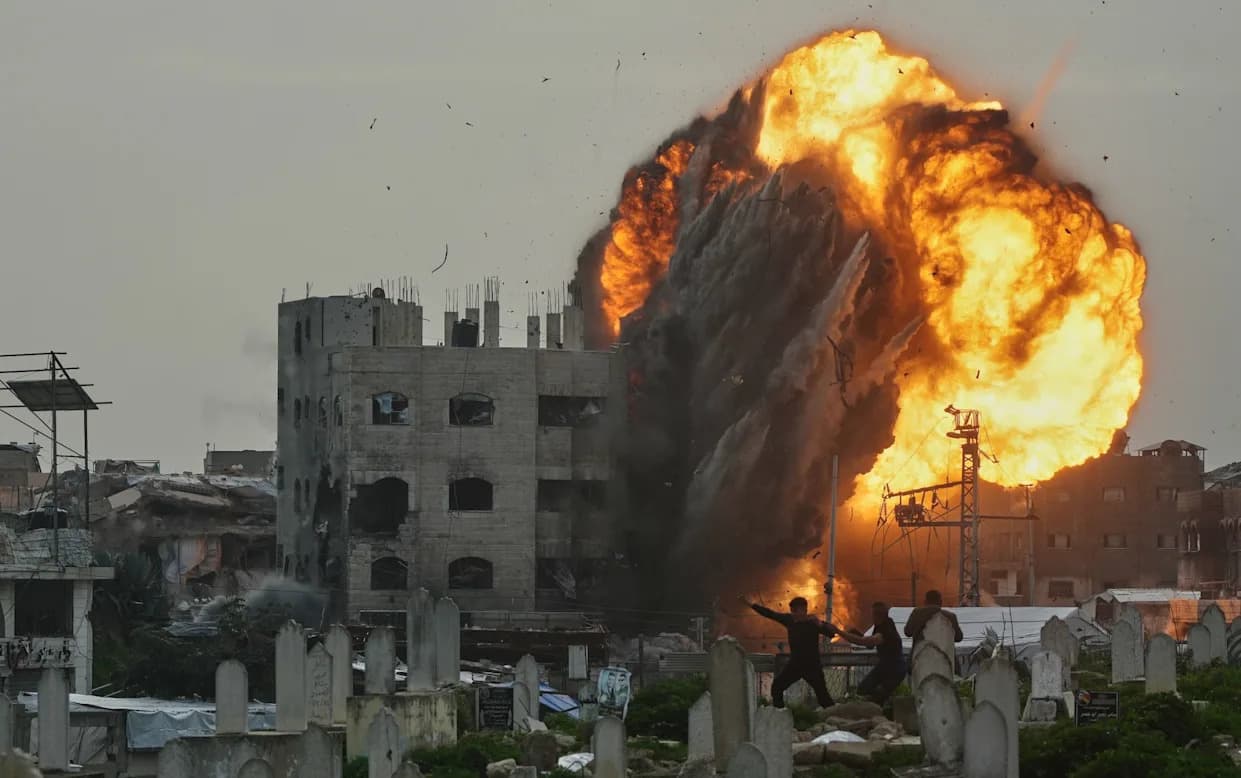
These militias typically number a few dozen fighters, are armed mainly with light weapons and operate from separate compounds across eastern Gaza. They have already contributed to instability by carrying out hit-and-run attacks that challenge Hamas as it reasserts control in areas no longer under Israeli control.
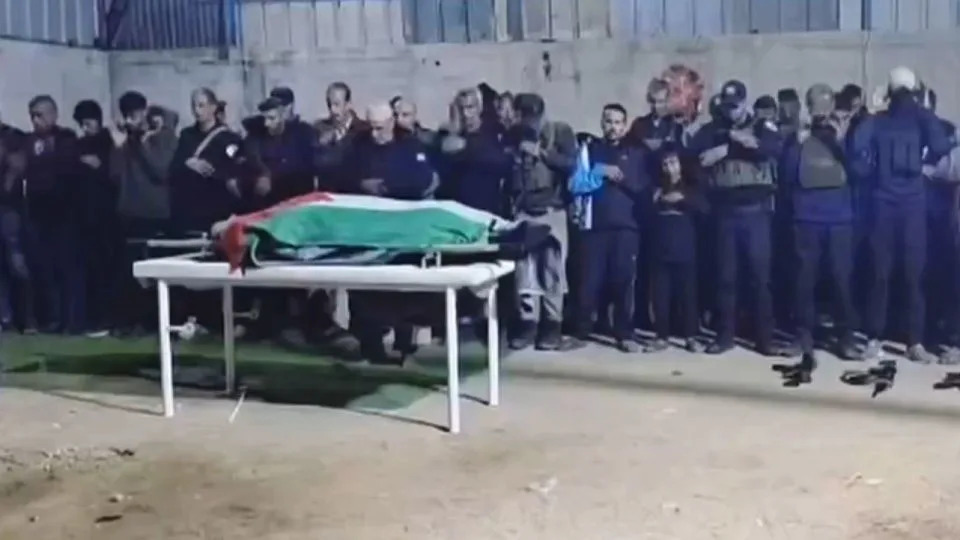
Yasser Abu Shabab's funeral - From Ghassan Al-Dahini/Facebook
The groups are actively recruiting civilians — calling on doctors, lawyers and teachers to join — and publicly advertising pay scales. Yasser Abu Shabab’s Popular Forces reportedly offered $1,000 monthly to rank-and-file fighters and $1,500 to officers. Israel has acknowledged backing some groups, but details of funding and long-term support remain unclear.
Hamas Response And Risks Of Internal Conflict
Hamas has mounted operations to hunt down these militias, raising fears of open internecine violence in the already war-battered enclave. Graphic footage circulated on social media — shared by channels affiliated with Hamas — showed masked fighters executing blindfolded people accused of collaboration; Hamas-linked groups said the victims had ties to Israel or criminal activity but offered no public evidence.
The sudden death this month of Popular Forces leader Yasser Abu Shabab — reportedly after a family dispute that turned violent — prompted public celebrations by Hamas supporters, underscoring the movement’s alarm about internal challengers.
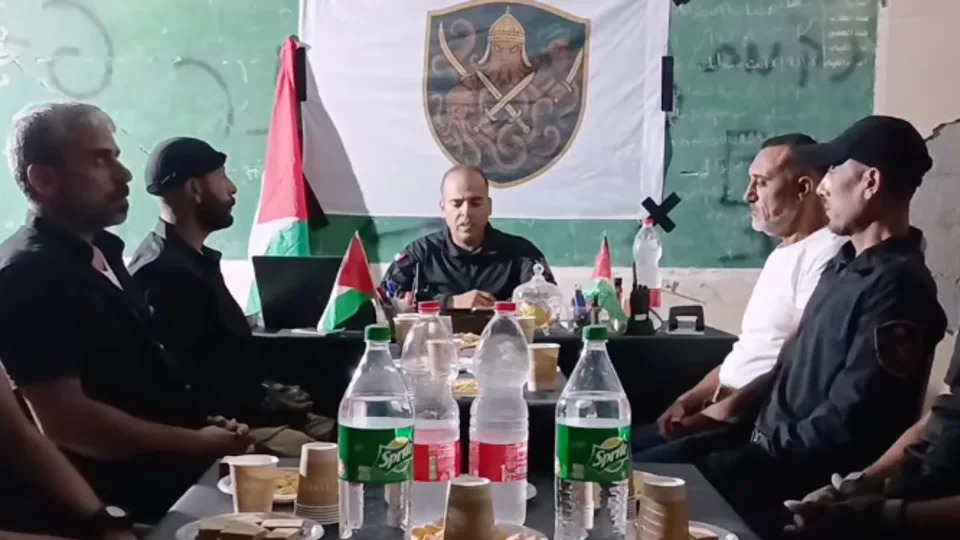
Leader of the Popular Defense Army, Rami Hallas, reading a statement - Popular Defense Army/Facebook
Claims About The "Day After" And Reconstruction Plans
Militia leaders insist they are part of any "day-after" planning for Gaza. Rami Hallas, commander of the Popular Defense Army, said his group — largely composed of men formerly imprisoned by Hamas — was formed in coordination with the Palestinian Authority to secure humanitarian routes and has since expanded its aims.
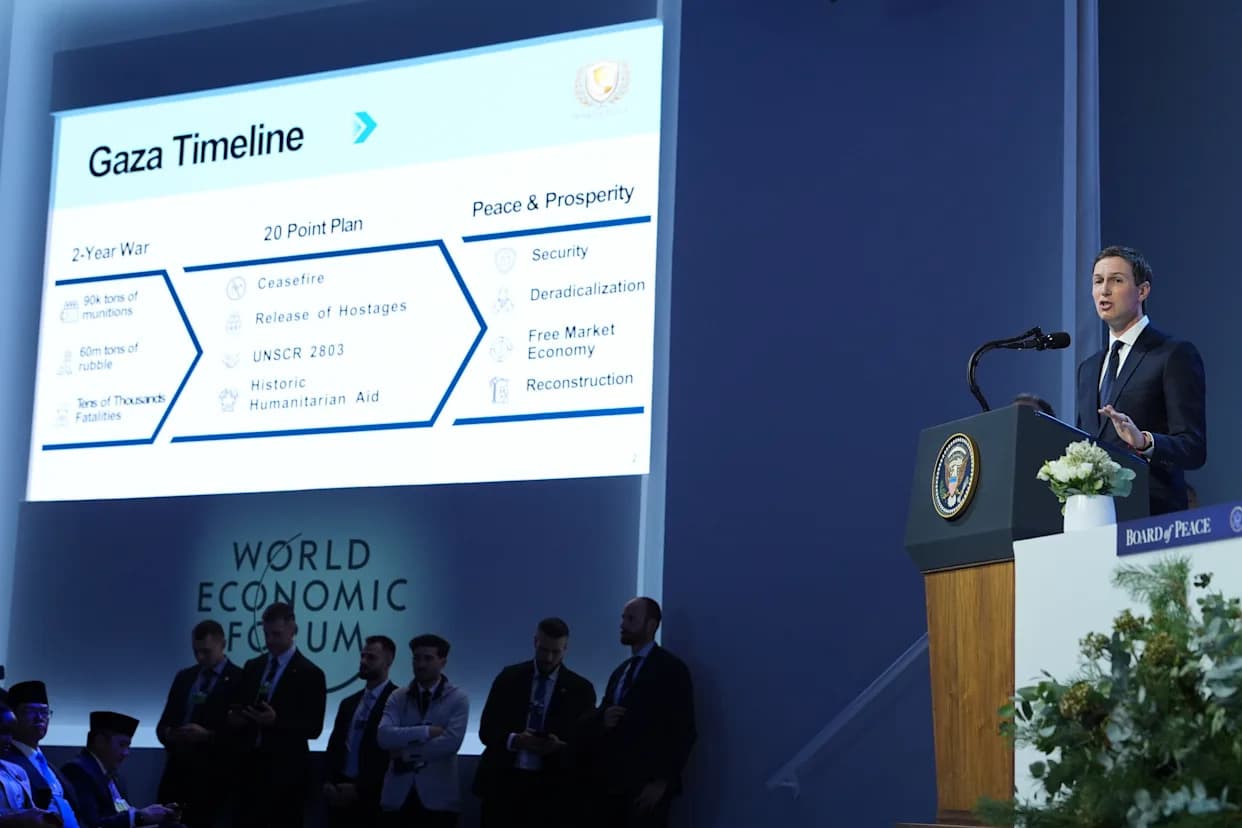
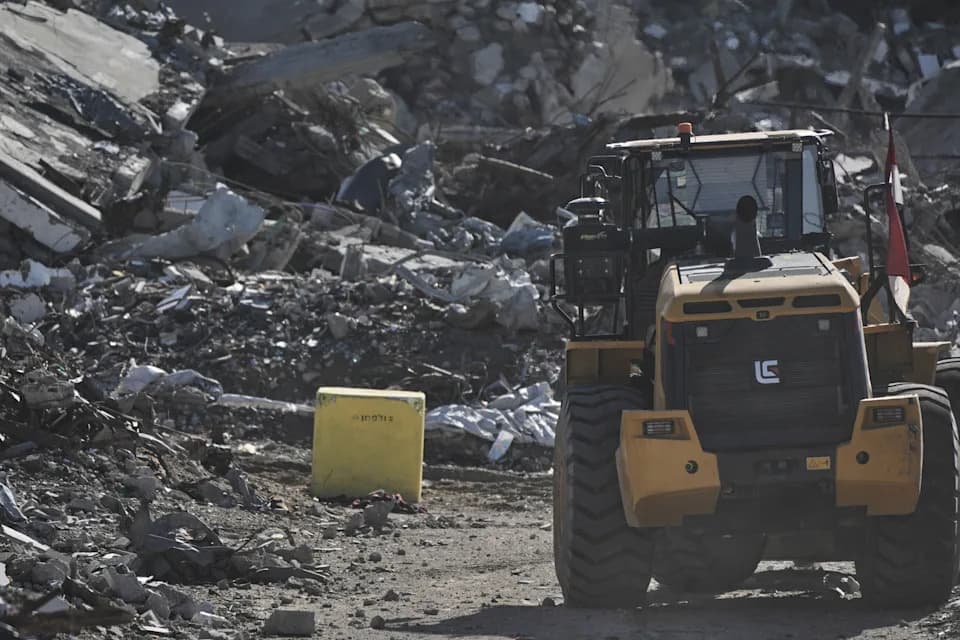
Some international figures and planners have suggested reconstruction could begin in Hamas-free zones such as parts of Rafah where militia elements operate. Two Israeli sources told CNN they expect continued Israeli backing for certain militias to help secure intended reconstruction sites.
Experts’ Warnings And Residents’ Reluctance
Muhammad Shehada, an analyst at the European Council on Foreign Relations, warned that militias — along with their families and vetted civilians — might be used to populate Israeli-controlled eastern Gaza as a kind of "pretend population" for reconstruction projects. Critics question whether ordinary Gazans would accept or trust such arrangements.
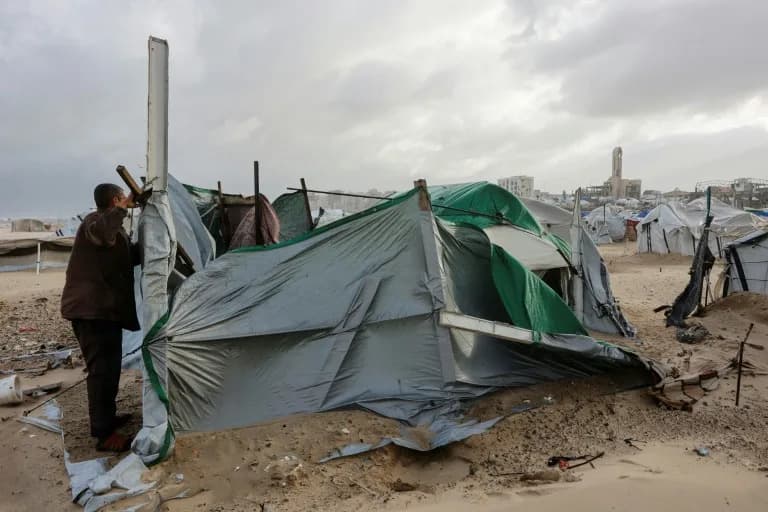
Residents interviewed expressed fear and reluctance to relocate into militia- or Israel-controlled areas without clear, legitimate Palestinian authority. “Those who go are considered spies,” a Gaza City resident said. “We would only move when Israel withdraws.” Another resident described moving into gang-controlled zones as moving “towards the unknown.”
What Comes Next
In the diplomatic limbo between ceasefire phases, these militias are attempting to entrench themselves as actors in Gaza’s uncertain future. Without a clear governance plan and broader public legitimacy, their emergence deepens uncertainty and raises the risk of further fragmentation and violence in a territory still searching for peace.
Help us improve.