The DOJ’s Friday release of Epstein- and Maxwell-related records was marred by website queue messages, intermittent crashes and search failures, prompting complaints about missing documents and heavy redactions. Deputy Attorney General Todd Blanche called the review "historic," noting more than 200 lawyers participated and promising remaining files within two weeks. Lawmakers from both parties criticized the rollout and said they may pursue further action.
DOJ’s Epstein File Release Hits Snags: Site Crashes, Heavy Redactions and Missing Documents

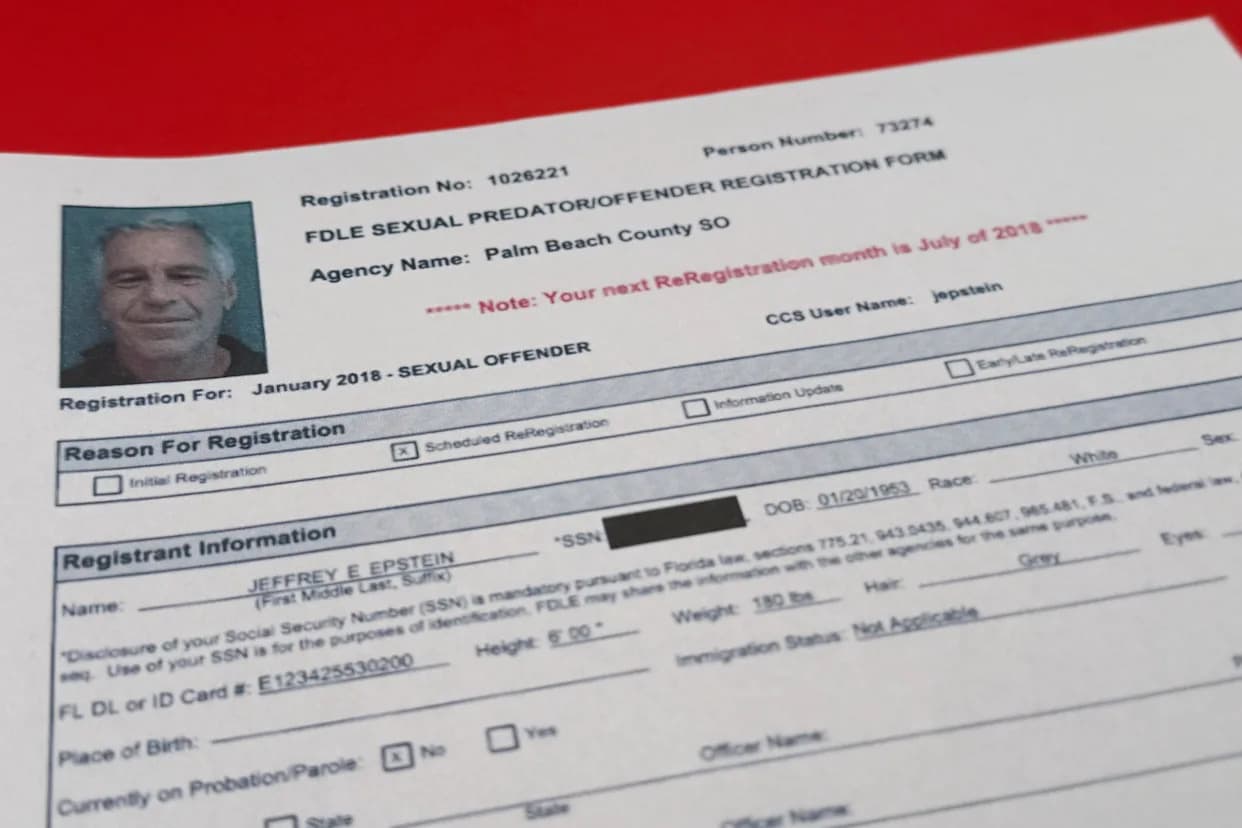
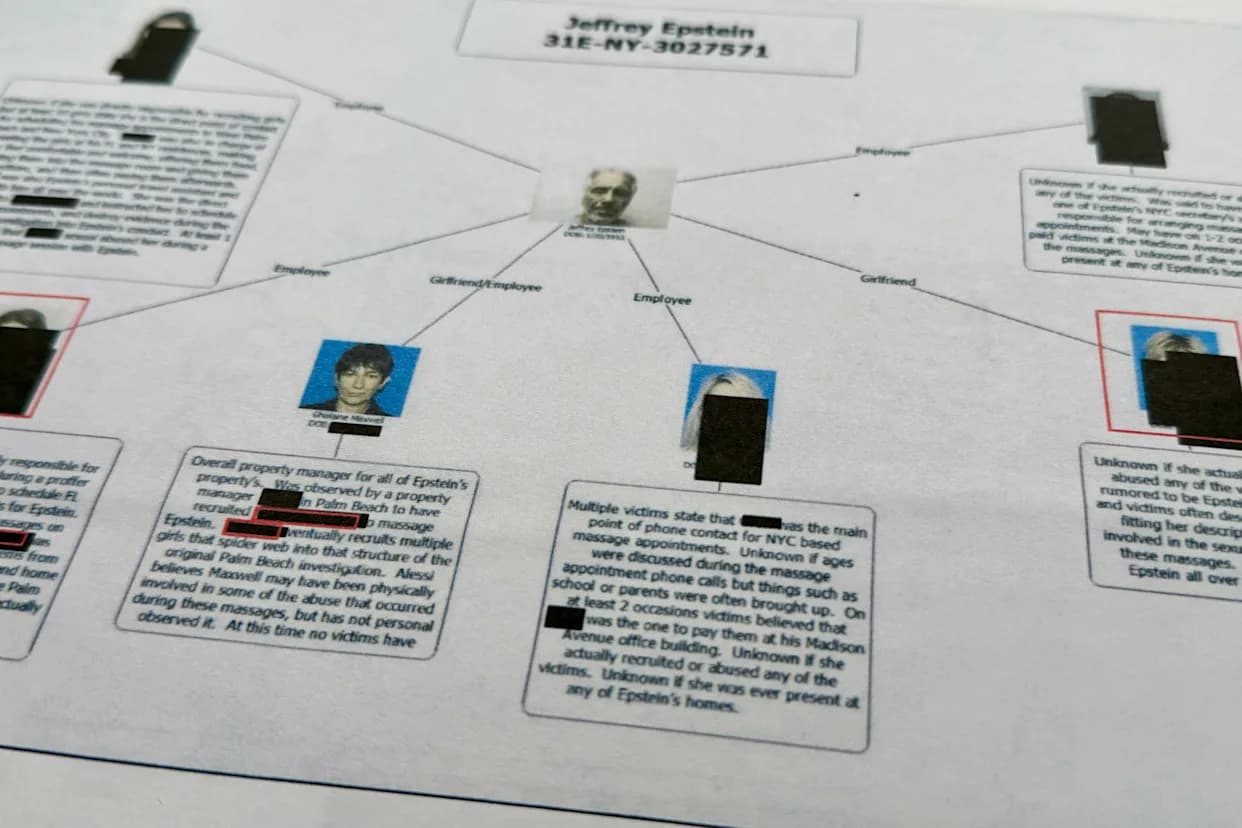
The Department of Justice released a trove of Epstein documents Dec. 19 after President Donald Trump signed the Epstein Files Transparency Act in November.
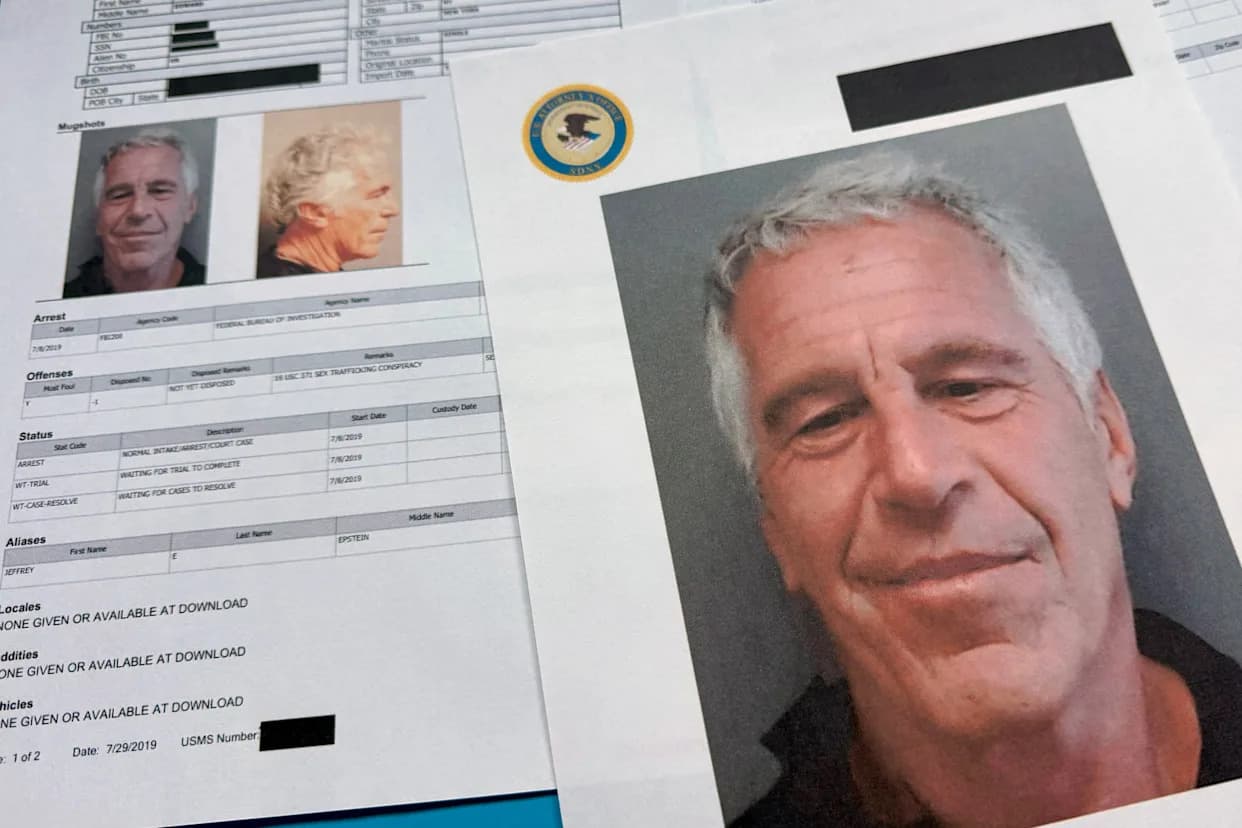
The Department of Justice’s effort to publish all files related to Jeffrey Epstein and Ghislaine Maxwell by the statutory deadline was met with widespread criticism on Friday, as users reported website failures, unreliable search functionality, extensive redactions and apparently missing records.
Just after 3 p.m., the long-anticipated online repository went live but many visitors encountered a persistent "in line" message that failed to advance. Users also reported intermittent crashes and continued access problems even after many documents became visible.
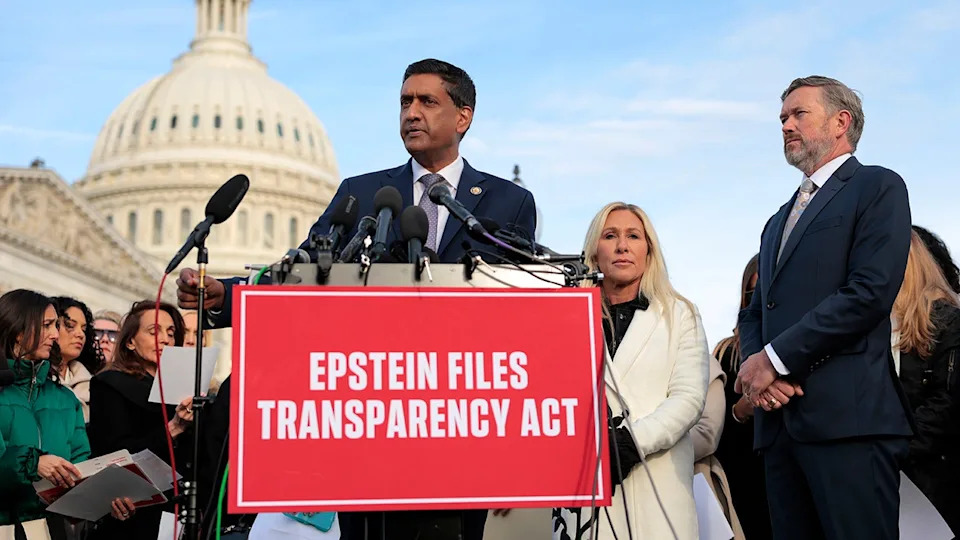
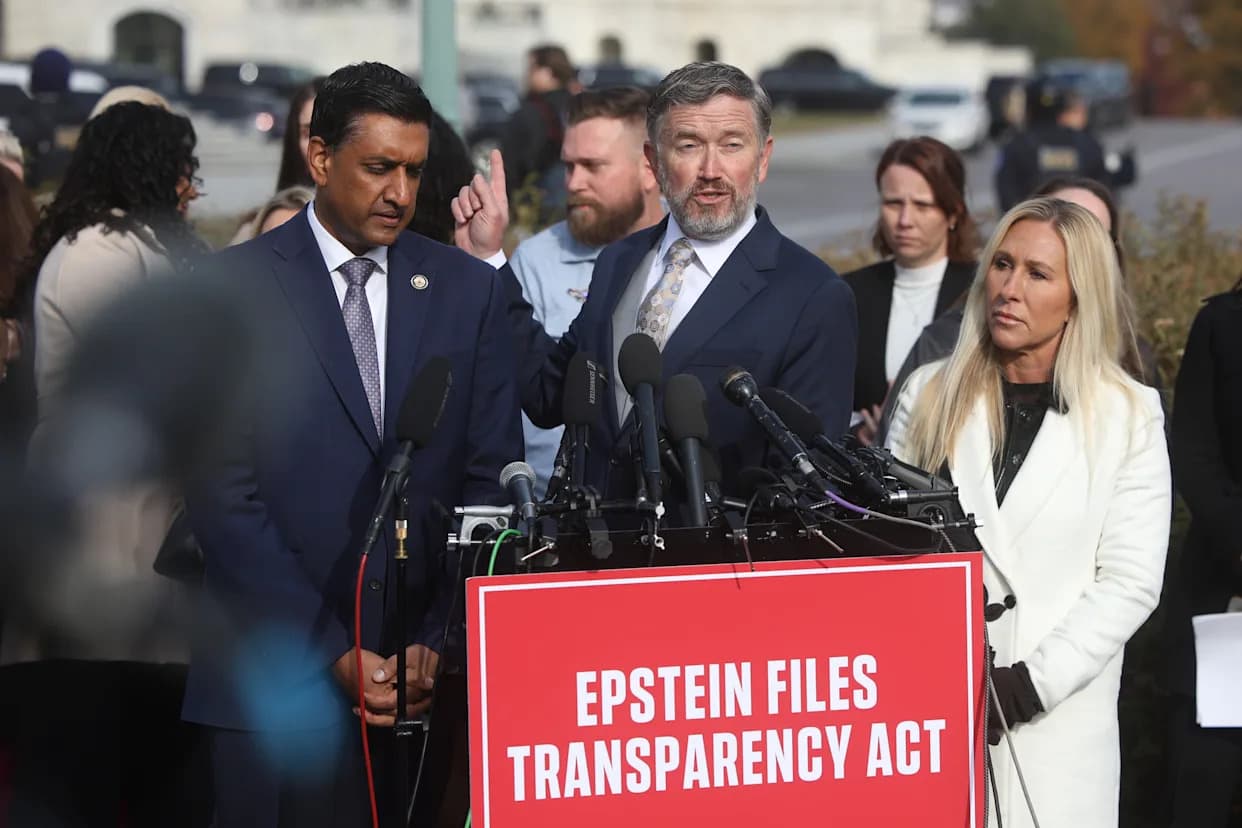
Rep. Ro Khanna, D-Calif., speaks alongside Rep. Marjorie Taylor Greene, R-Ga., and Rep. Thomas Massie, R-Ky., during a news conference on the Epstein Files Transparency Act outside the U.S. Capitol Nov. 18, 2025, in Washington, D.C.
The statute required that released records be searchable. New York University law professor Ryan Goodman and others noted that the site’s search bar did not reliably locate content; some observers also reported that President Donald Trump’s name initially did not appear in search results, though the search function appeared to work more consistently by Friday night for some users.
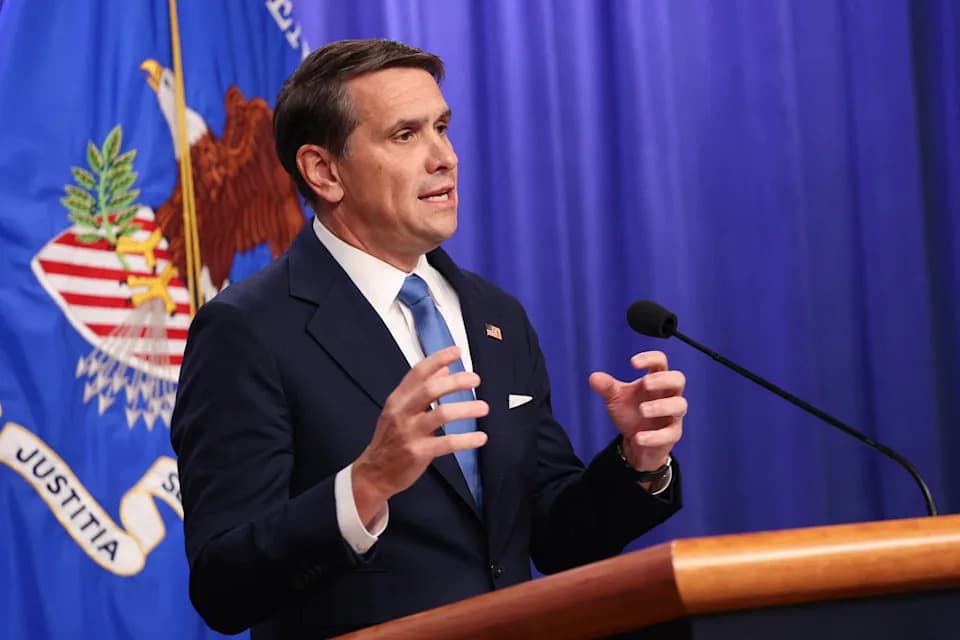
Most commentary focused on the scope of redactions and reports of missing files. The DOJ said redactions were necessary to protect victims and minors and defended its process. In a letter to Congress, Deputy Attorney General Todd Blanche described the review under the Epstein Files Transparency Act as "historic," saying more than 200 lawyers participated in the review and redaction process. Blanche also said additional tranches of files produced this week required extra review and that the remaining materials should be posted within two weeks.
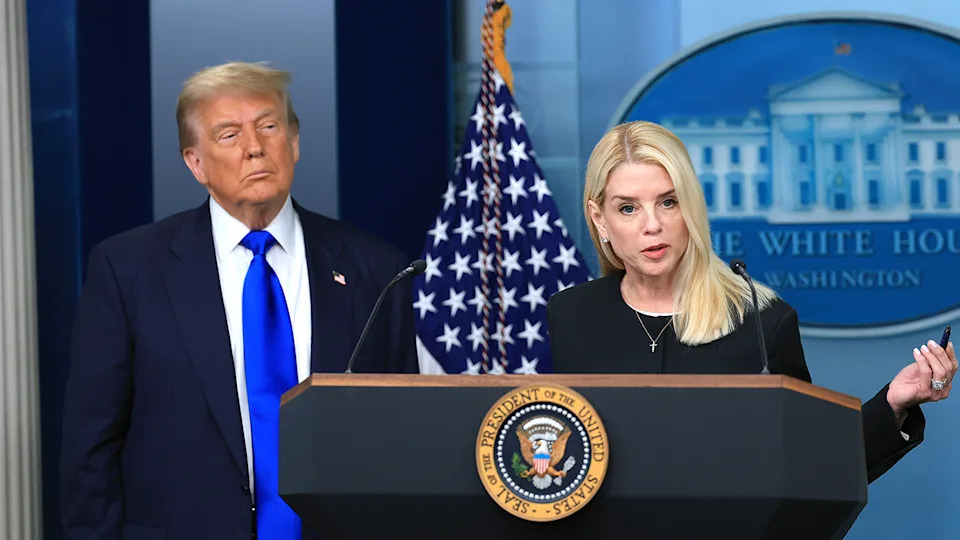
Attorney General Pam Bondi speaks alongside President Donald Trump on recent Supreme Court rulings in the briefing room at the White House June 27, 2025, in Washington, D.C.
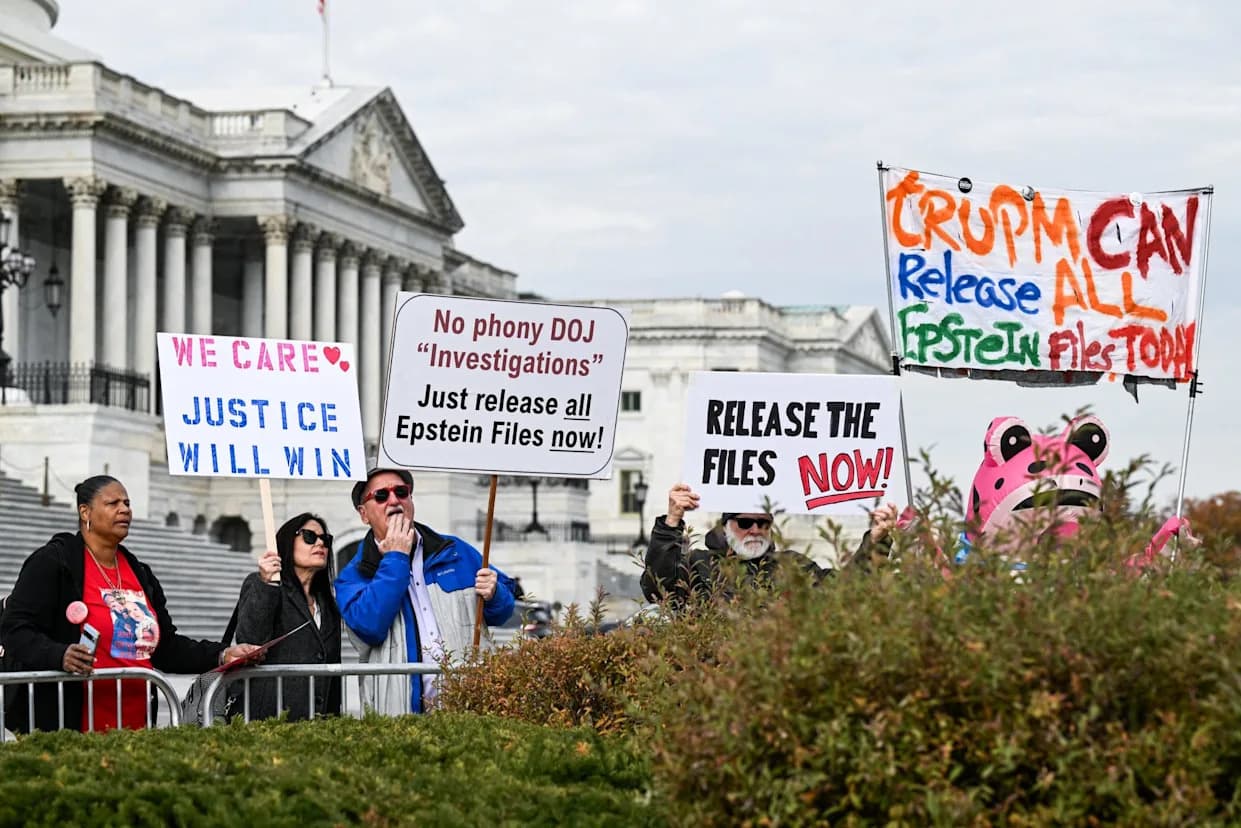
Lawmakers from both parties expressed dissatisfaction. Republican Rep. Thomas Massie criticized the rollout on social media, saying it "grossly fails to comply with both the spirit and the letter of the law." Democratic Rep. Ro Khanna, a co-sponsor of the legislation, called the release incomplete and said he and Massie were "exploring all options," including potential contempt proceedings or other actions against DOJ officials.
Conservative commentator Tim Young and others also panned the heavy redactions and resurfaced criticism of an earlier, flawed release: Attorney General Pam Bondi had provided binders of files to right-wing social media influencers in February, a move that disappointed many in Trump’s base. Rep. Robert Garcia accused the administration of "breaking the law" during a television appearance.
DOJ Response: The department defended the rollout, saying it is "delivering historic transparency while protecting victims." Fox News Digital sought comment from the DOJ.
As the situation evolves, the central tensions remain: meeting statutory transparency requirements while safeguarding sensitive victim information, and ensuring the public can meaningfully access and search the records released under the law.
Help us improve.